Flow-induced Klf4-Akt signaling links EC cycling to mural cell defects in arterial-venous malformations
Yanzhu Lin, Zohrah Hashemi, Qing Zhang, Yuxi Di, Tanmaya Behera, Johannes Gahn, Kuheli Banerjee, Fan Wu, Kornelia Andorfer, Mahak Singhal, Caroline Seebauer, Roxana Ola

TL;DR
This study shows how disrupted blood flow causes abnormal cell growth and weakens blood vessel walls in a genetic disorder called Hereditary Hemorrhagic Telangiectasia.
Contribution
The paper identifies a new signaling pathway (Klf4-Akt) linking endothelial cell cycling to mural cell defects in arterial-venous malformations.
Findings
AVM endothelium shows excessive KLF4-Akt activation and sustained cell proliferation under pathological flow.
Hyperproliferation suppresses PDGFB, leading to pericyte loss and mural cell remodeling.
Inhibiting KLF4, Akt, or CDK4/6, or using thalidomide to induce PDGFB, reduces AVM burden in models.
Abstract
Fluid shear stress (FSS) safeguards vascular homeostasis, coordinating endothelial cell (EC) behavior and endothelial - mural cell communication. Disrupted flow sensing driving excessive proliferation contribute to arterial-venous malformations (AVMs) in Hereditary Hemorrhagic Telangiectasia (HHT) vascular disorder. Yet, how flow-dependent cell cycle regulation intersects with mural cell remodeling in HHT remains unclear. We used a combination between in vitro shear stress assays and in vivo analyses of multiple murine HHT models, including endothelial-specific loss of Activin-like kinase 1 (Alk1) or Smad4 and bone morphogenic factor 9/10 (BMP9/10) ligand blockade. Retinal vasculature and human nasal mucosal biopsies from HHT2 patients were examined for pathway conservation. Endothelial - mural cell crosstalk was evaluated using transwell and three-dimensional flow-dependent co-culture…
Genes, proteins, chemicals, diseases, species, mutations and cell lines named across the full text — each resolved to its canonical identifier and authoritative record.
Click any figure to enlarge with its caption.
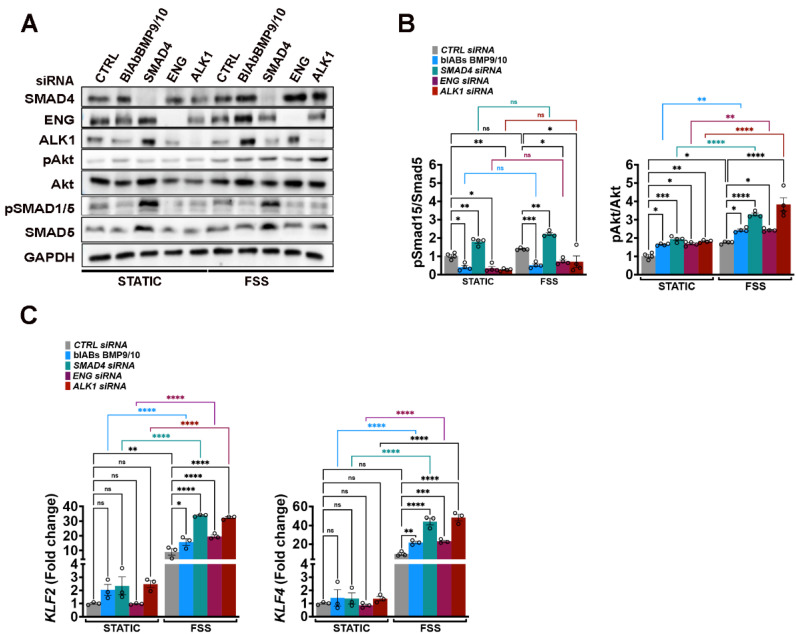 Figure 1
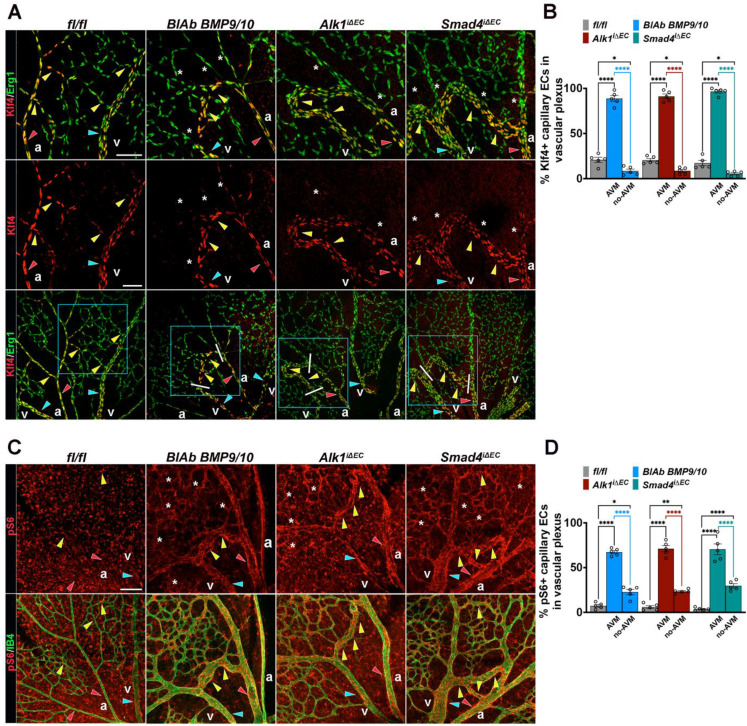 Figure 2
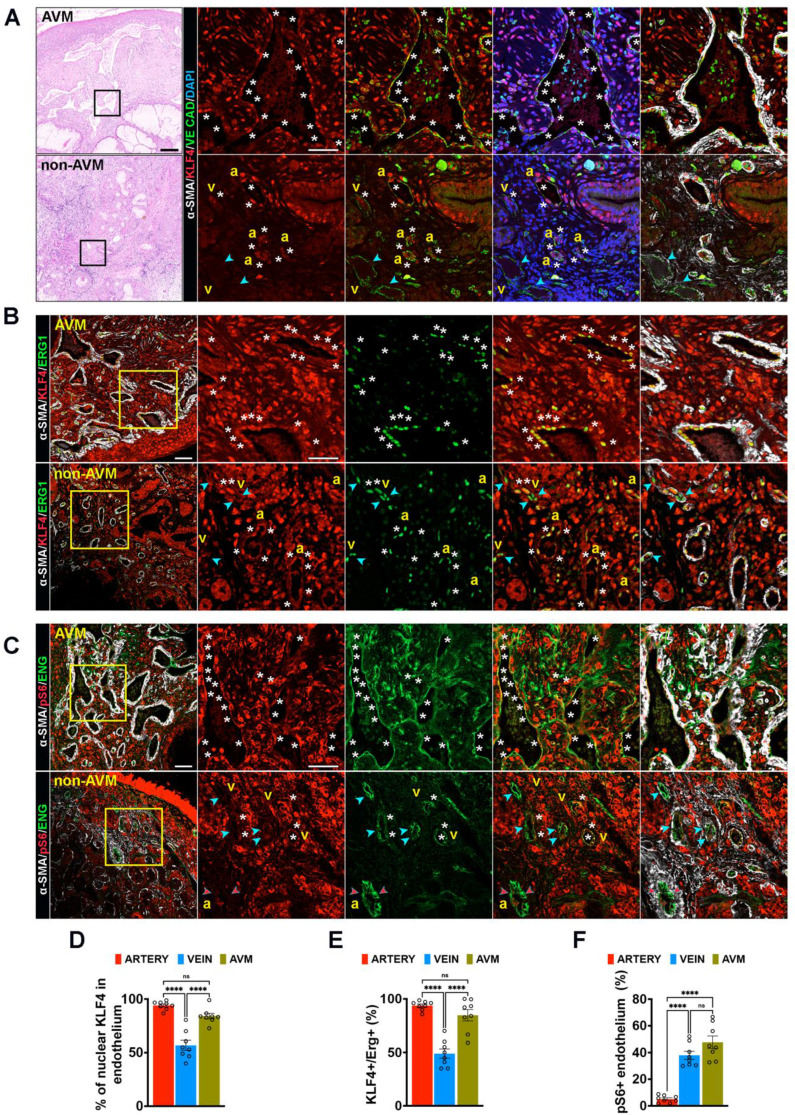 Figure 3
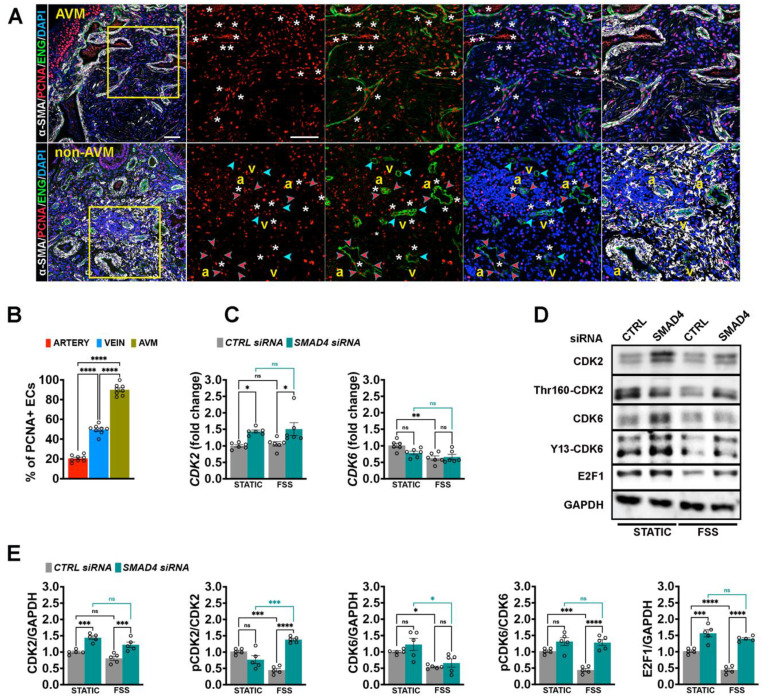 Figure 4
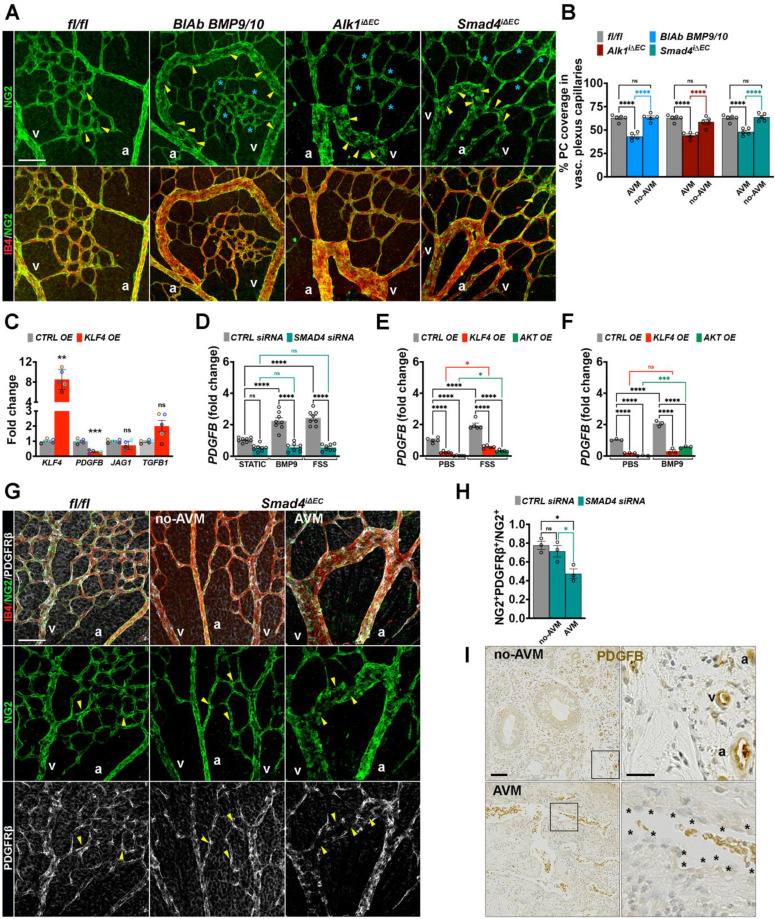 Figure 5
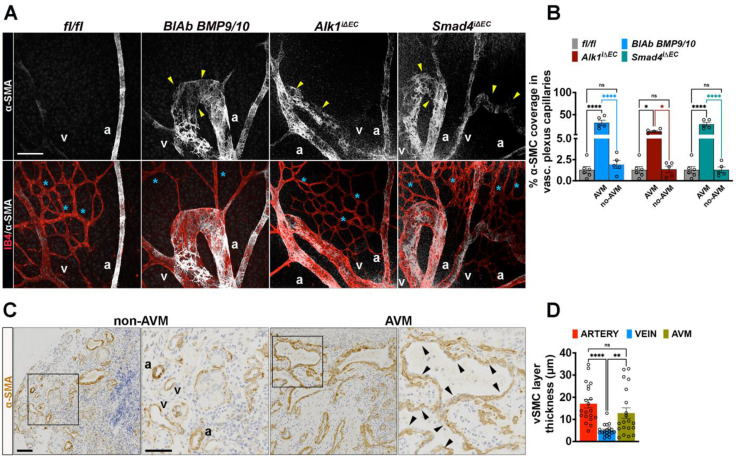 Figure 6
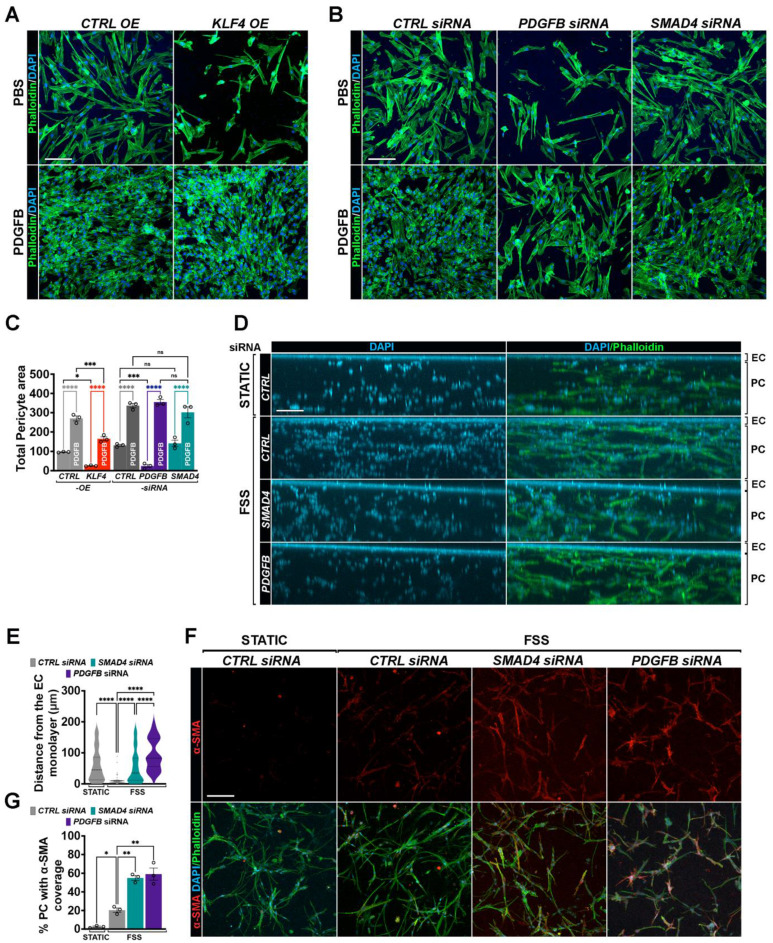 Figure 7
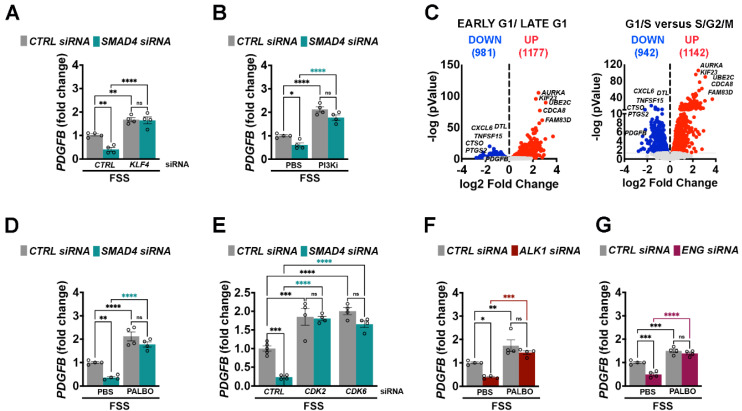 Figure 8
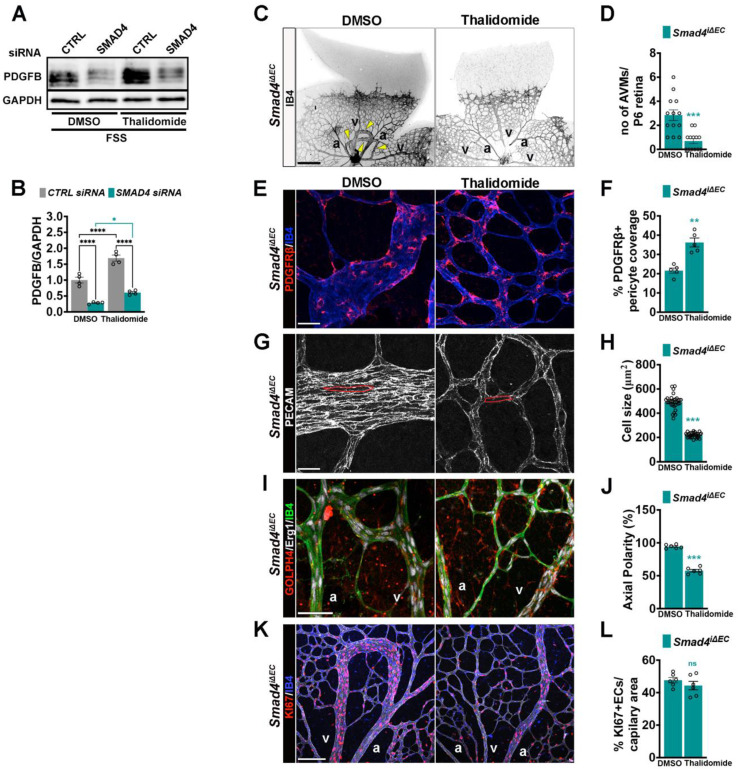 Figure 9
Peer Reviews
No public reviews on file for this paper yet. If you reviewed it on a platform where reviews are public (OpenReview, ICLR, NeurIPS, ICML), you can paste yours below so the community can read it here.
Videos
No videos yet. Explain this paper in a talk, walkthrough, or lecture? Add one.
Taxonomy
TopicsVascular Malformations and Hemangiomas · Vascular Malformations Diagnosis and Treatment · Vascular Anomalies and Treatments