Severe inbreeding depression in an ecologically important grass is revealed by examining germination, not seed production
Raelene M Crandall, Carolina Baruzzi, Jennifer M Fill, Opeyemi A Adedoja

TL;DR
Wiregrass produces many seeds through self-pollination, but these seeds rarely germinate due to severe inbreeding depression, highlighting the need to test seed viability in restoration efforts.
Contribution
The study reveals that germination data is essential to detect inbreeding depression, which is masked by seed production alone in grasses.
Findings
Wiregrass is not pollen-limited but exhibits severe inbreeding depression in selfed seeds.
Germination data revealed near-zero viability of selfed seeds, indicating an obligate outcrossing mating system.
Frequent fires likely promote pollen movement and successful outcrossing in wiregrass.
Abstract
Pollen availability and self-compatibility studies in grasses inform restoration by identifying limitations to germinable seed production. Seed set alone indicates pollen limitation and self-fertilization ability but not self-compatibility, as seeds may not germinate. We tested whether wiregrass (Aristida beyrichiana) is pollen-limited and self-compatible in two southeastern US pine savannas differing in ecology and fire frequency. Pollen limitation and self-compatibility were assessed by comparing seed set and germination from naturally pollinated inflorescences, those supplemented with outcross pollen, and those restricted to self-pollen. All treatments produced seeds, but filled and germinable seed numbers varied by site. The wetter, triennially burned site produced significantly more germinable seeds than the drier, annually burned site. Pollen was not limiting: open and…
Genes, proteins, chemicals, diseases, species, mutations and cell lines named across the full text — each resolved to its canonical identifier and authoritative record.
Click any figure to enlarge with its caption.
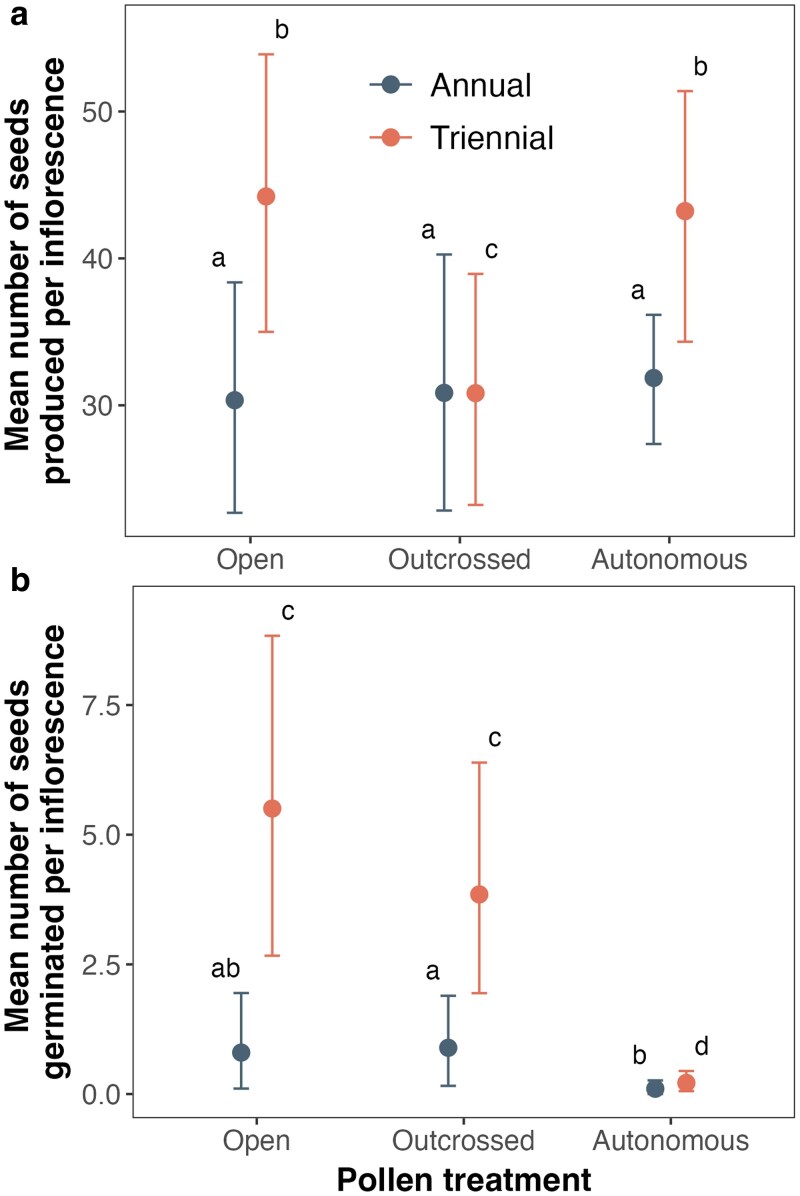 Figure 1
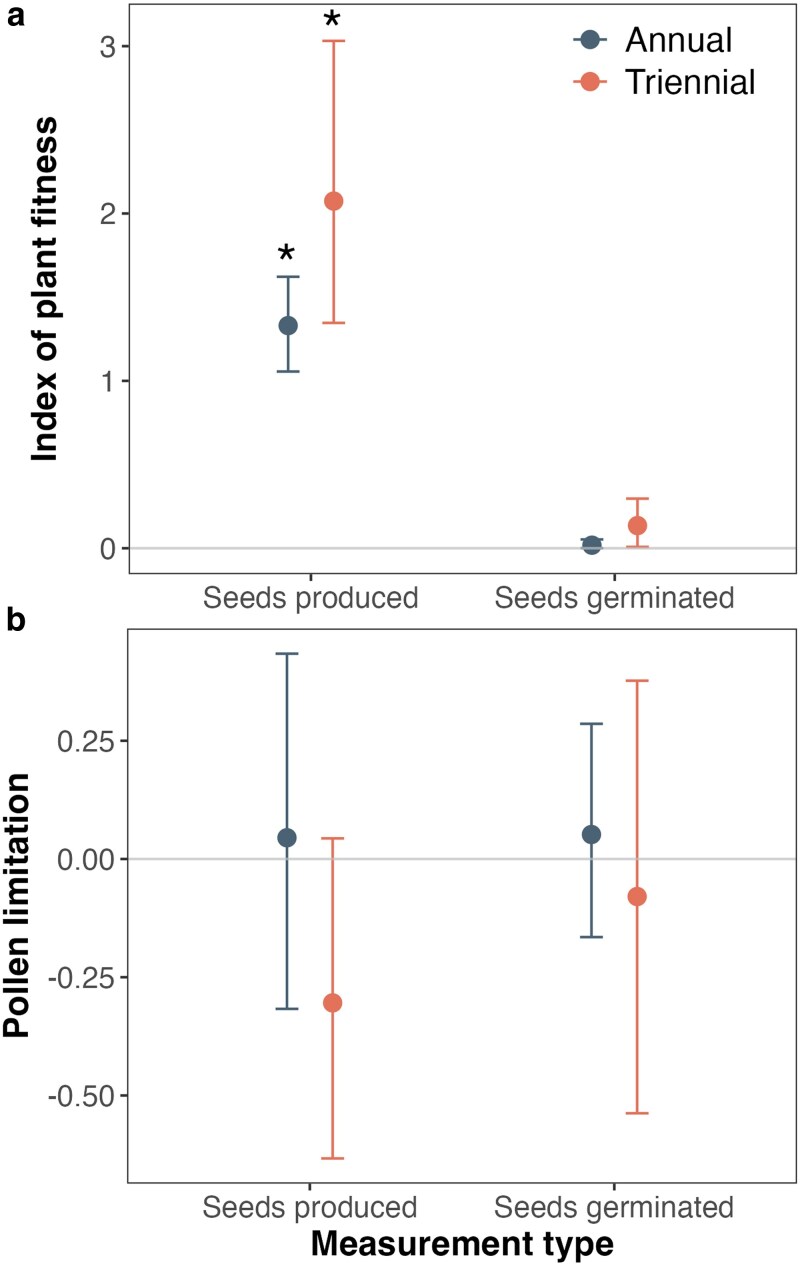 Figure 2
 Figure 3
Peer Reviews
No public reviews on file for this paper yet. If you reviewed it on a platform where reviews are public (OpenReview, ICLR, NeurIPS, ICML), you can paste yours below so the community can read it here.
Videos
No videos yet. Explain this paper in a talk, walkthrough, or lecture? Add one.
Taxonomy
TopicsPlant and animal studies · Plant Reproductive Biology · Plant Taxonomy and Phylogenetics