Tangled Up in Fibers: How a Multidomain Lytic Polysaccharide Monooxygenase Binds Its Chitin Substrate
Henrik Vinther Sørensen, Mateu Montserrat-Canals, Ayla Coder, Sylvain Prévost, Susan Krueger, Gustav Vaaje-Kolstad, Kaare Bjerregaard-Andersen, Reidar Lund, Ute Krengel

TL;DR
This paper explores how a specific enzyme from Vibrio cholerae binds to chitin fibers, revealing how it coats and modifies the substrate to support bacterial microcolony formation.
Contribution
The study introduces a novel method to stabilize and characterize the interaction between a multidomain LPMO and chitin, revealing structural and functional insights.
Findings
GbpA binds rapidly to chitin fibers and smooths their surface.
GbpA binding leads to the formation of protein–chitin clumps with multiple enzyme molecules.
The enzyme's interaction with chitin supports bacterial microcolony formation.
Abstract
Lytic polysaccharide monooxygenases (LPMOs) are redox enzymes that bind to and oxidize insoluble carbohydrate substrates such as chitin or cellulose. This class of enzymes has attracted considerable attention due to their ability to convert biomaterials of high abundance into oligosaccharides that can be useful for producing biofuels and bioplastics. However, processes at the interface between solution and insoluble substrates represent a major challenge to biochemical and structural characterization. Here, we investigated the four-domain LPMO from Vibrio cholerae, N-acetyl glucosamine binding protein A (GbpA), to elucidate how it docks onto its insoluble substrate with its two terminal domains. First, we developed a protocol that allowed GbpA and chitin to form a stable complex in suspension, overcoming incompatibilities of the two binding partners with respect to pH. After determining…
Genes, proteins, chemicals, diseases, species, mutations and cell lines named across the full text — each resolved to its canonical identifier and authoritative record.
Click any figure to enlarge with its caption.
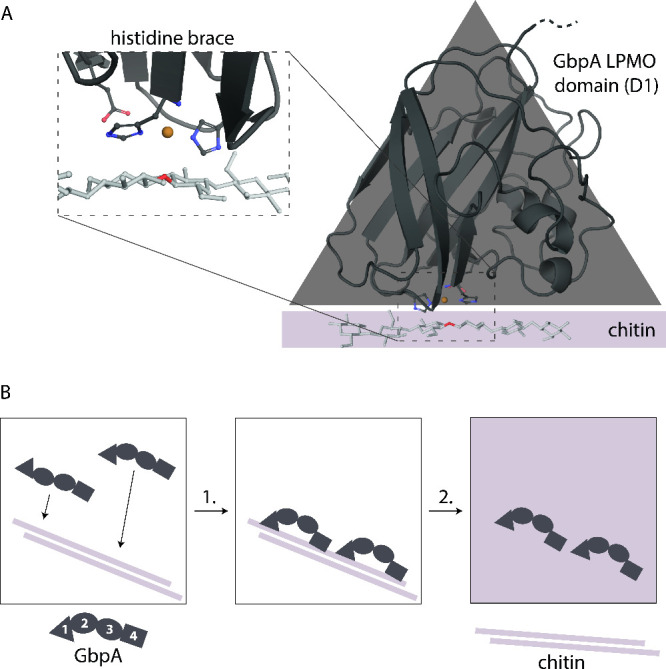 Figure 1
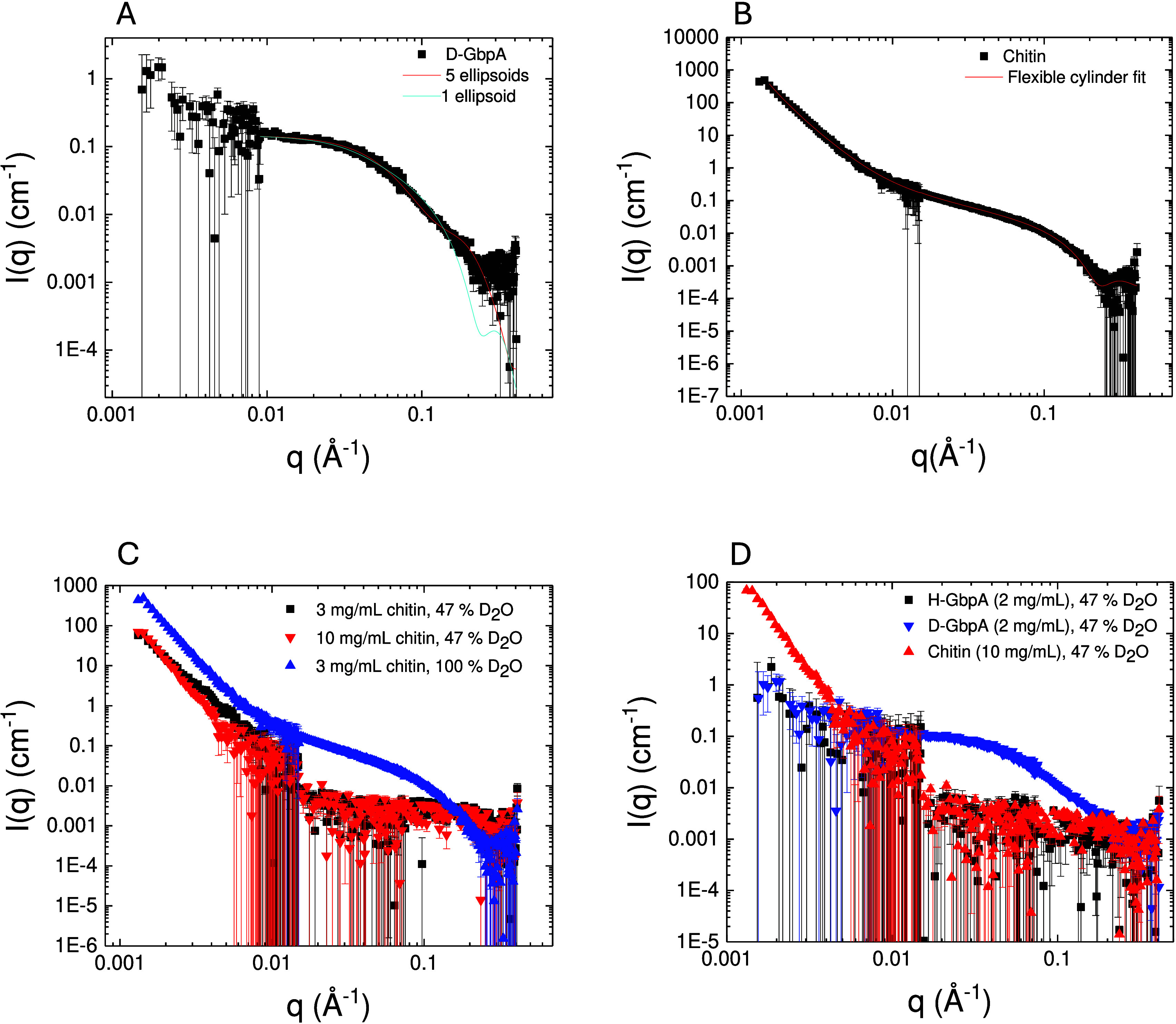 Figure 2
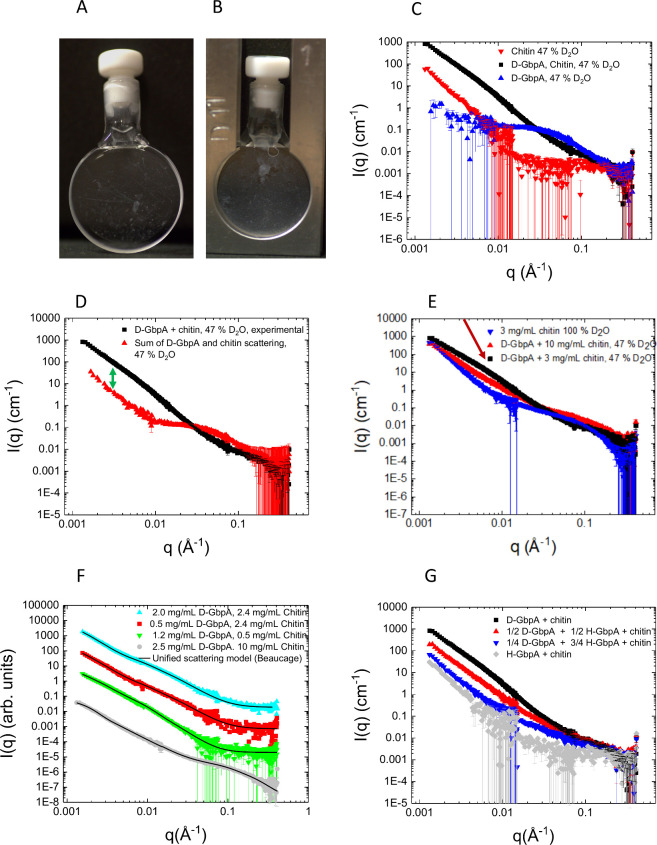 Figure 3
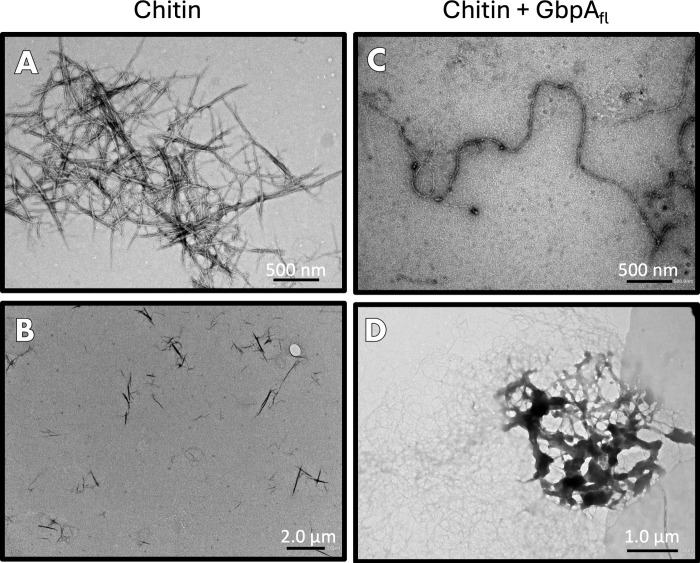 Figure 4
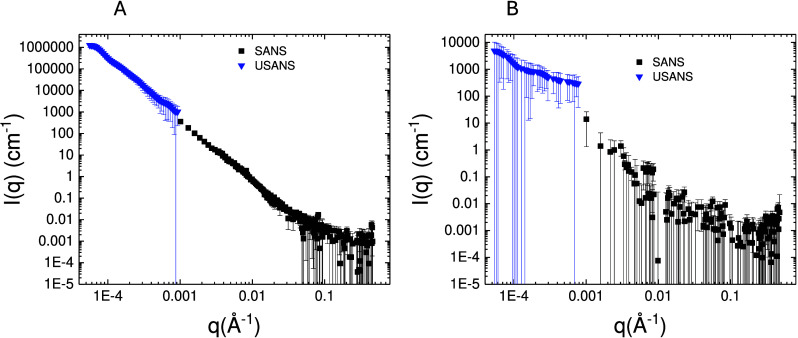 Figure 5
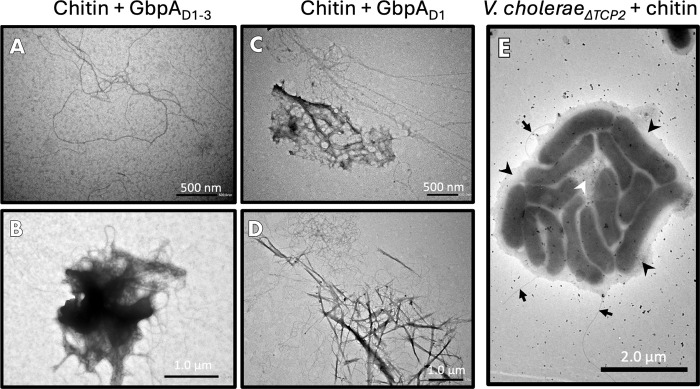 Figure 6
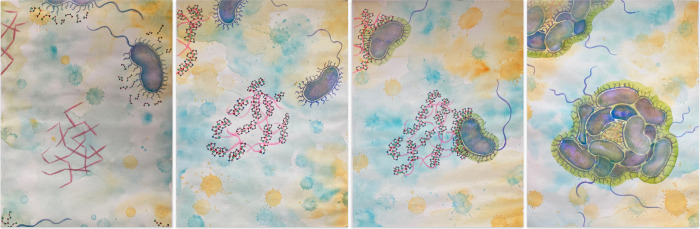 Figure 7
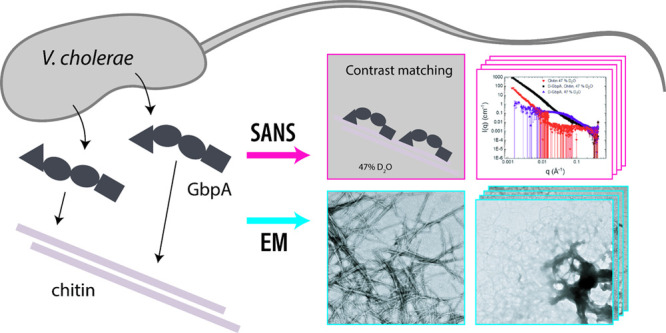 Figure 8
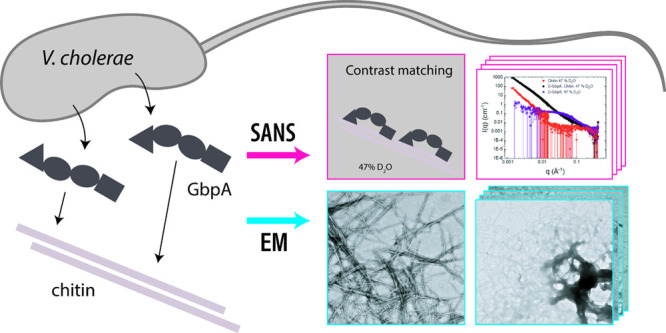 Figure 9
 Figure 10
 Figure 11
 Figure 12
Peer Reviews
No public reviews on file for this paper yet. If you reviewed it on a platform where reviews are public (OpenReview, ICLR, NeurIPS, ICML), you can paste yours below so the community can read it here.
Videos
No videos yet. Explain this paper in a talk, walkthrough, or lecture? Add one.
Taxonomy
TopicsCarbohydrate Chemistry and Synthesis · Enzyme Production and Characterization · Bacterial biofilms and quorum sensing