Substrate secretion by different EHEC secretion systems during their interaction with epithelial cells
Landy Zambrano-Arguello, Jaime Vazquez-Lopez, Fernando Navarro-Garcia

TL;DR
The study explores how different secretion systems in EHEC bacteria interact with epithelial cells during infection and influence each other's protein secretion.
Contribution
The study reveals a hierarchical and interdependent secretion pattern among EHEC secretion systems during epithelial cell interaction.
Findings
Epithelial cells enhance EHEC protein secretion through multiple secretion systems.
Mutating one secretion system affects the secretion of others, indicating interdependence.
Bioinformatics identified new potential substrates for each secretion system.
Abstract
Enterohemorrhagic Escherichia coli (EHEC) causes severe foodborne illness in humans. EHEC harbors five types of secretion systems (SSs) and unlike the type three secretion system (T3SS), the other SSs are less explored. Some substrates secreted by these SSs have been described; however, how these SSs collectively participate in EHEC-epithelial cell interaction during infection remains unknown. Here, we optimized protein secretion by four of the EHEC SSs in the absence and presence of epithelial cells, since the T6SS is not expressed in vitro. The secretion of substrates through the EHEC SSs followed a hierarchical pattern when bacteria encountered epithelial cells. Epithelial cells increase the protein secretion by EHEC and mutants in SSs (Western-blot and proteomics). Remarkably, mutants in one particular SS affect protein secretion by other SSs. Analysis of the EHEC secretome in the…
Genes, proteins, chemicals, diseases, species, mutations and cell lines named across the full text — each resolved to its canonical identifier and authoritative record.
Click any figure to enlarge with its caption.
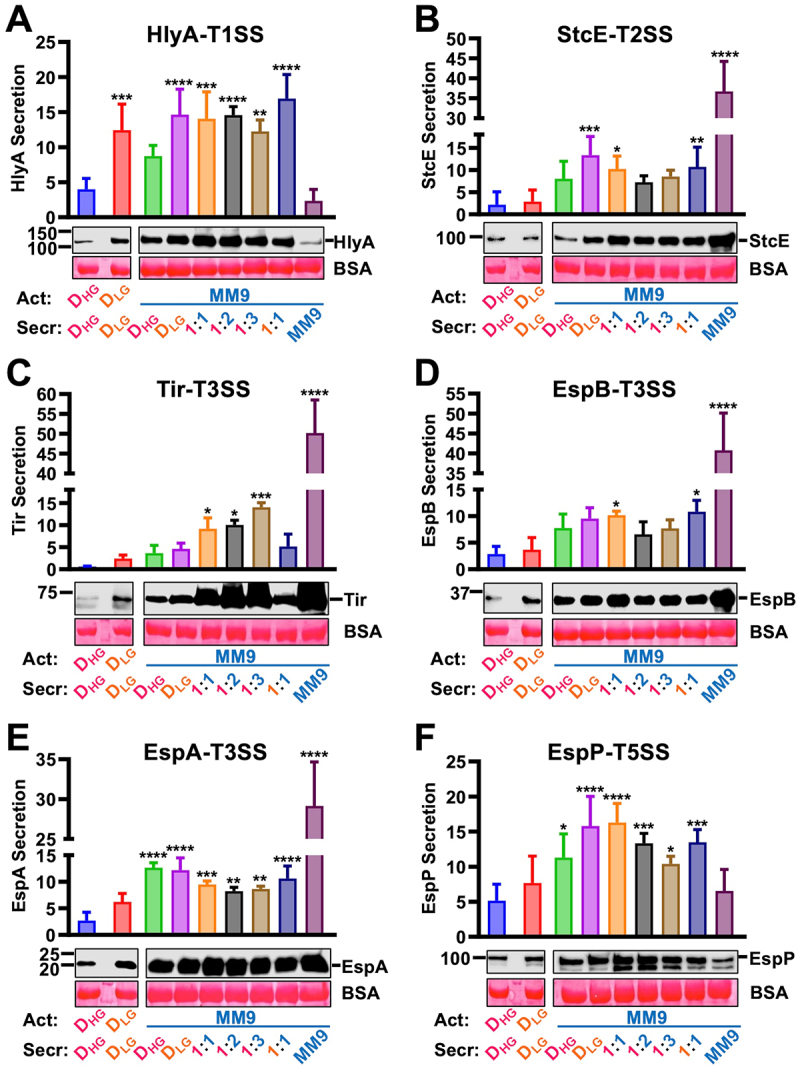 Figure 1
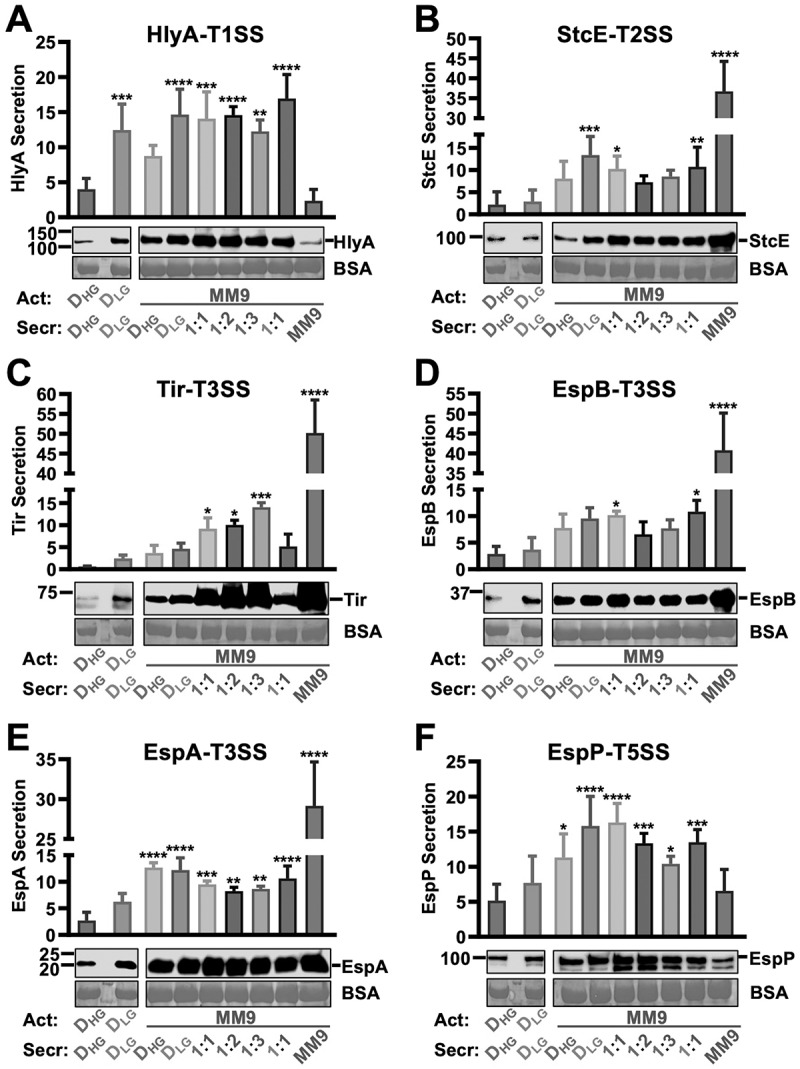 Figure 2
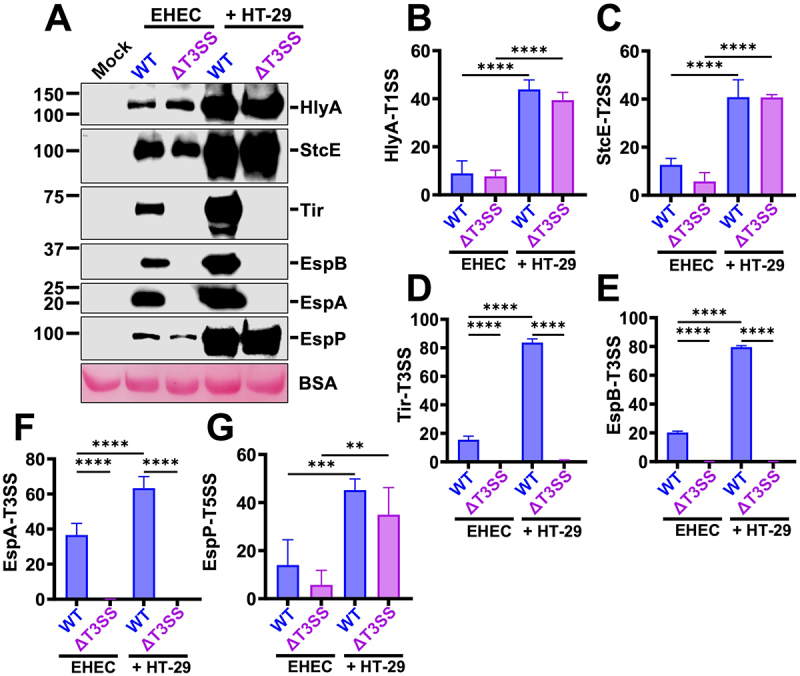 Figure 3
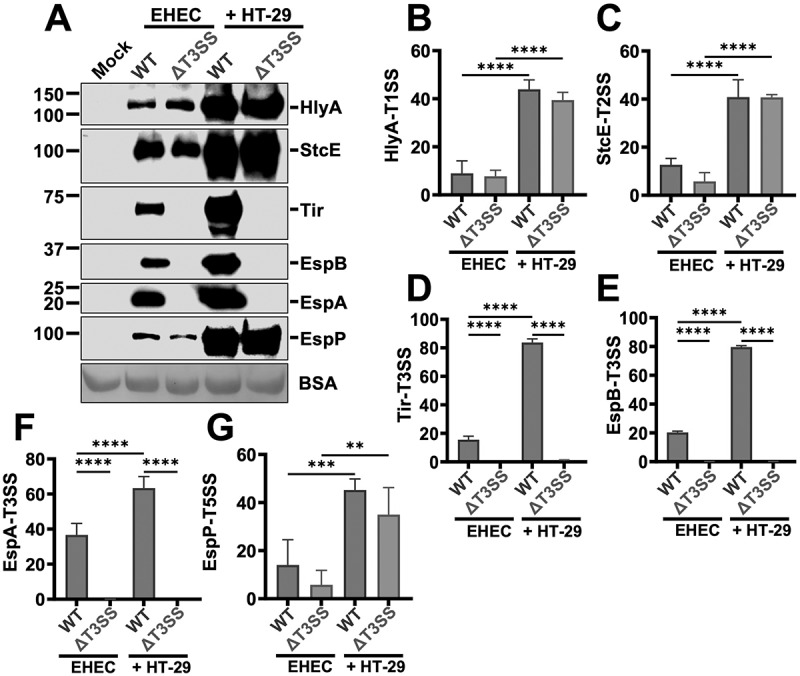 Figure 4
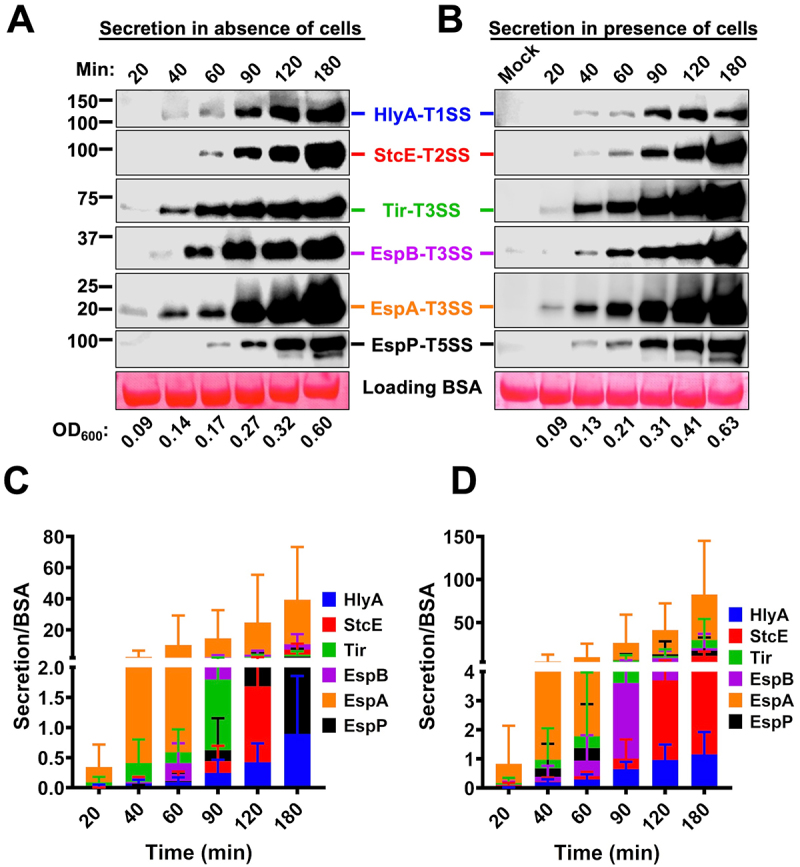 Figure 5
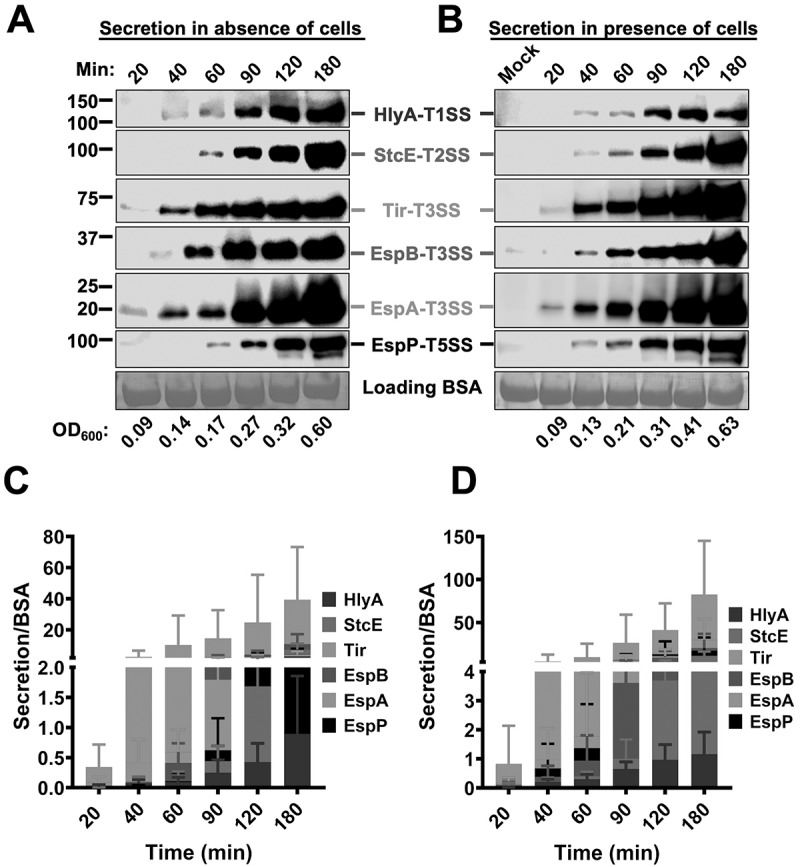 Figure 6
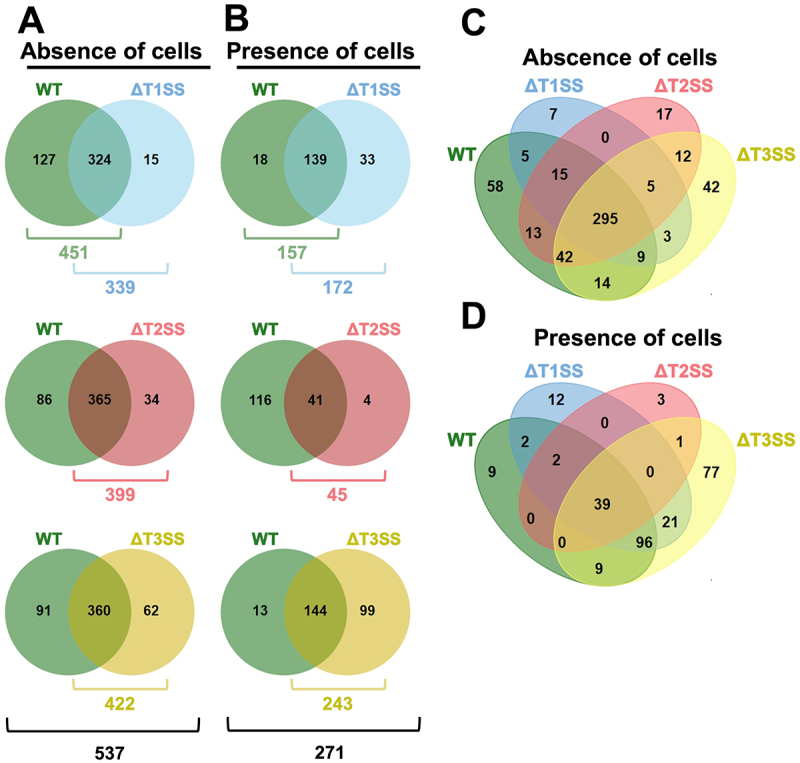 Figure 7
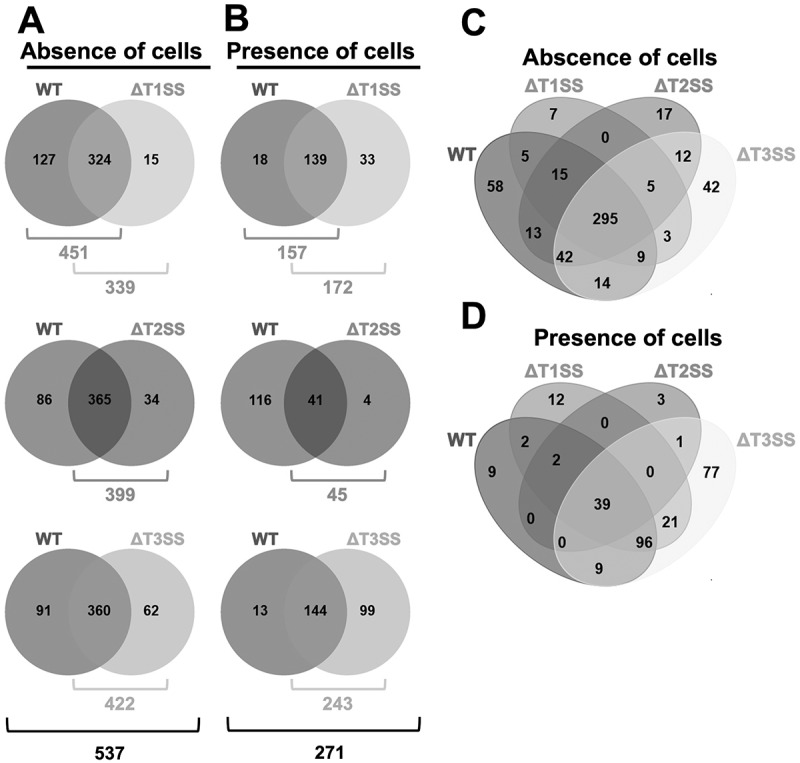 Figure 8
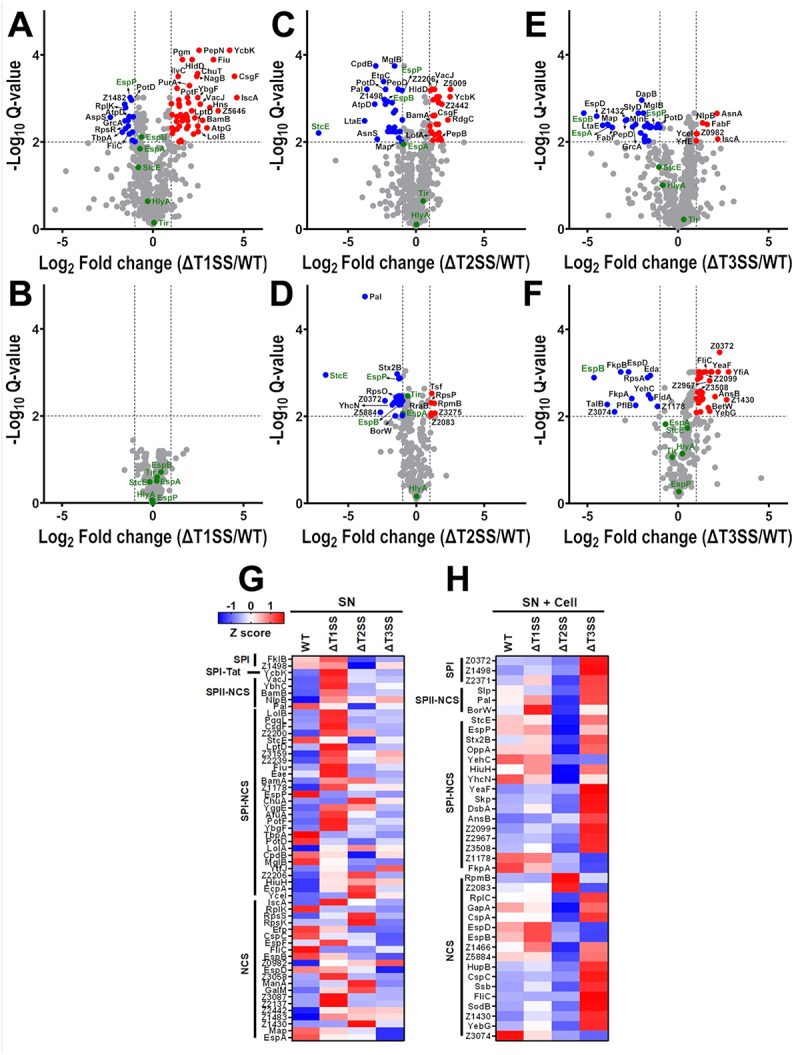 Figure 9
 Figure 10
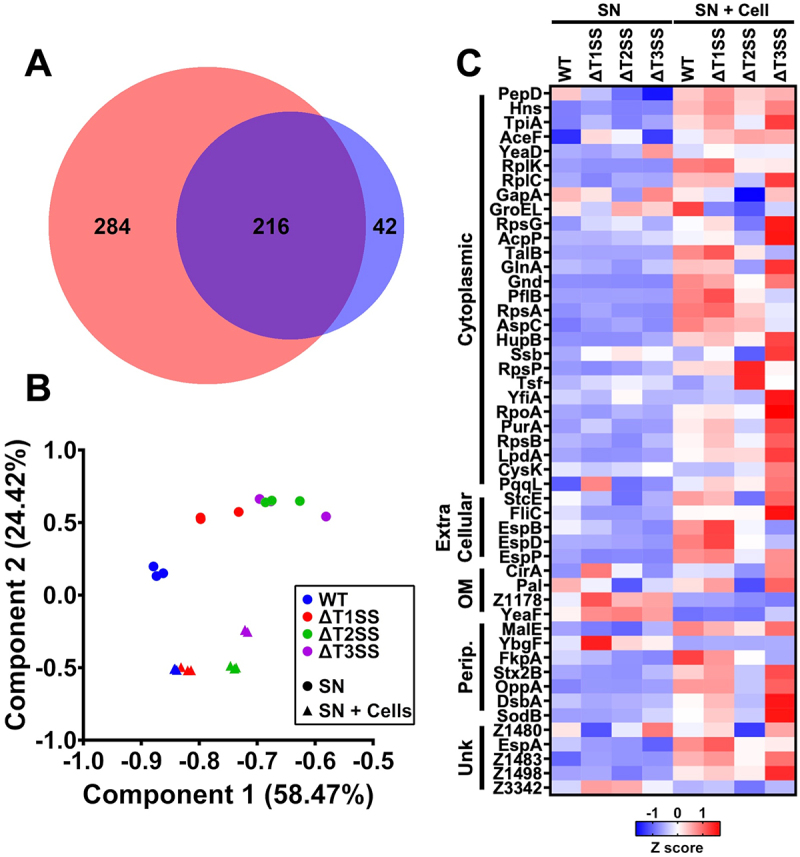 Figure 11
 Figure 12
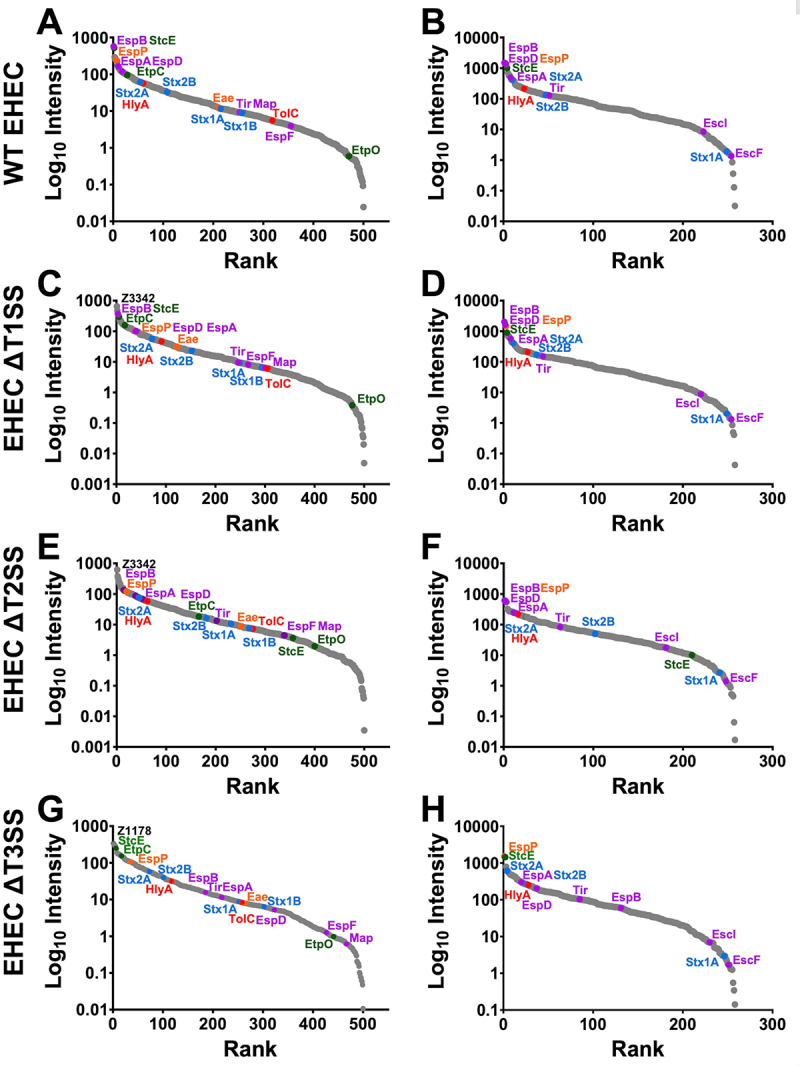 Figure 13
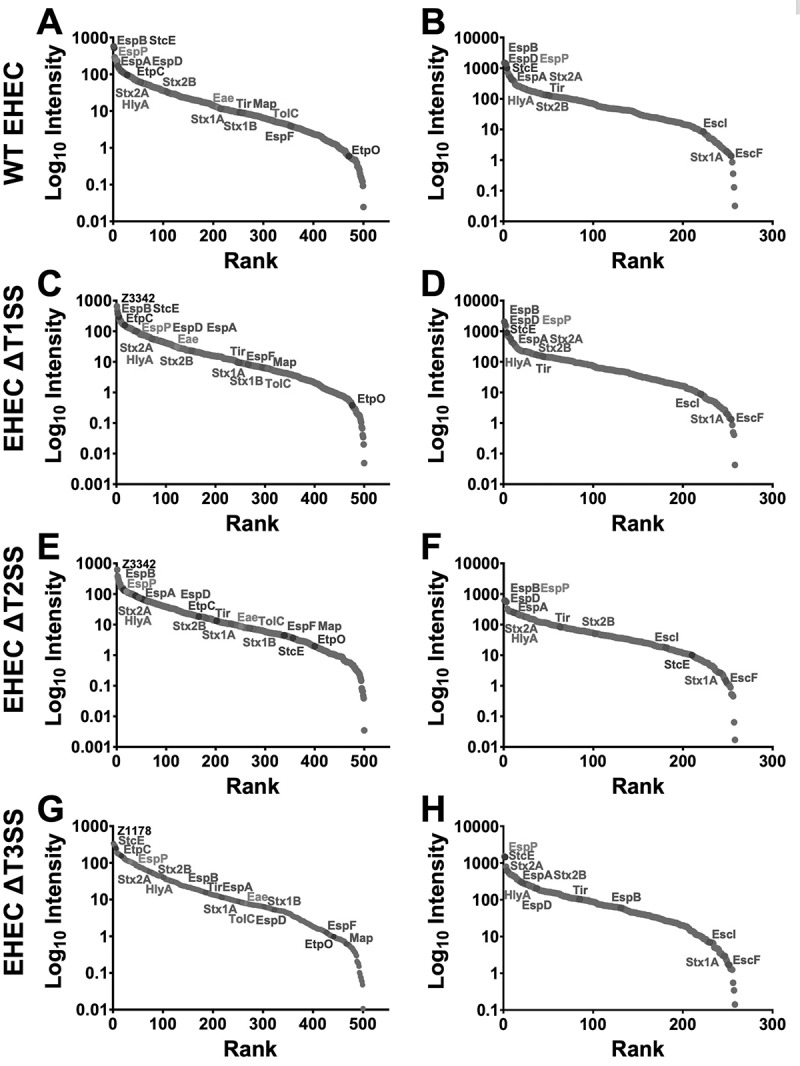 Figure 14
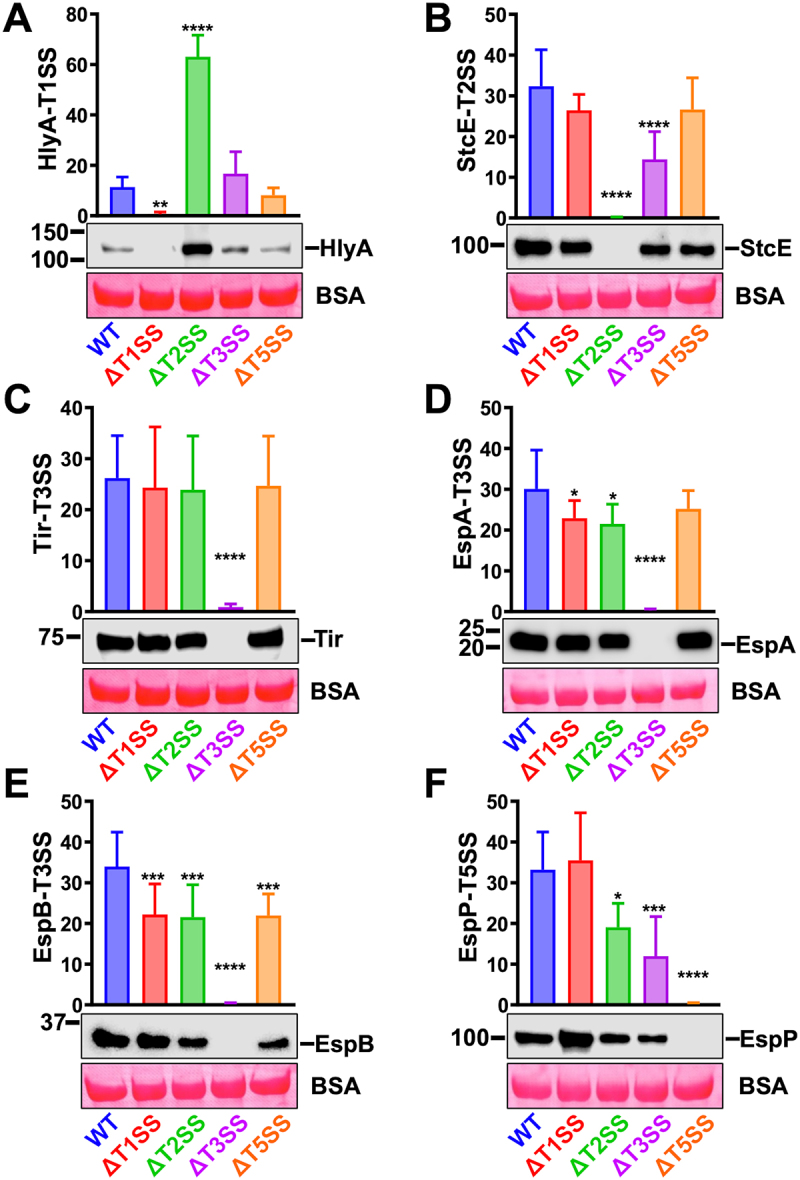 Figure 15
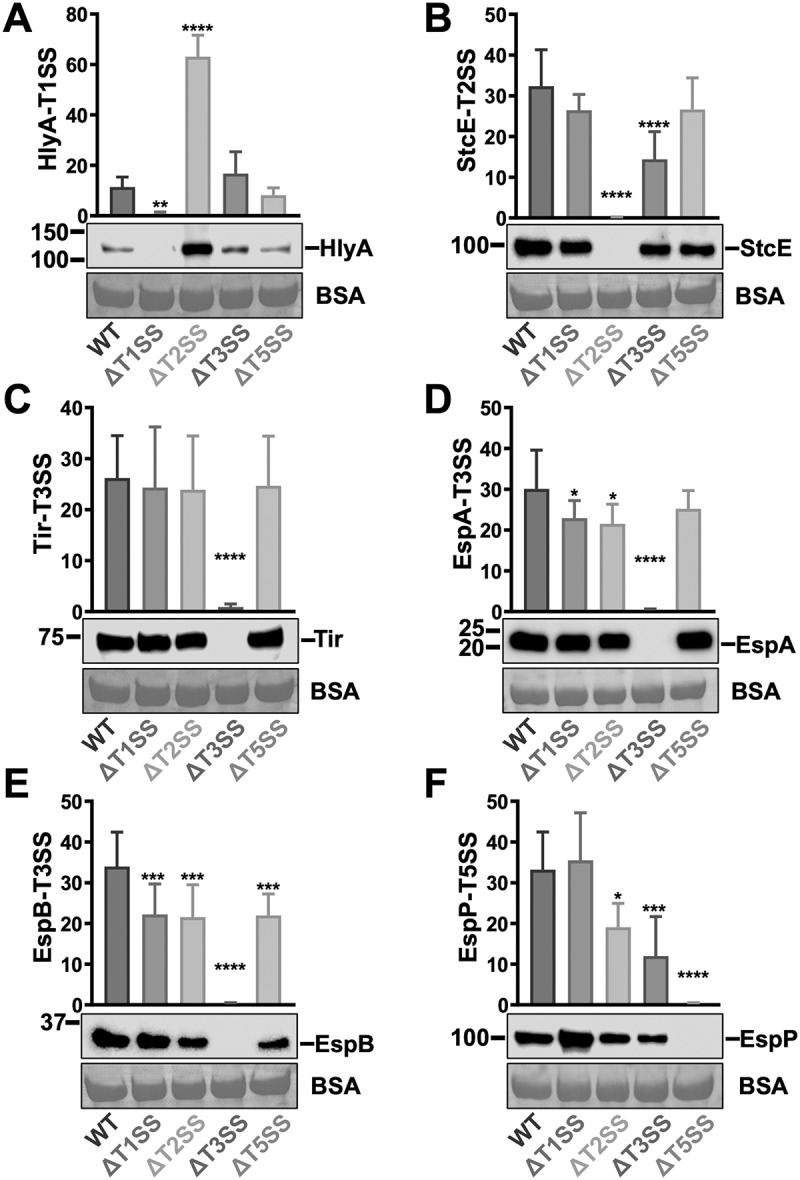 Figure 16
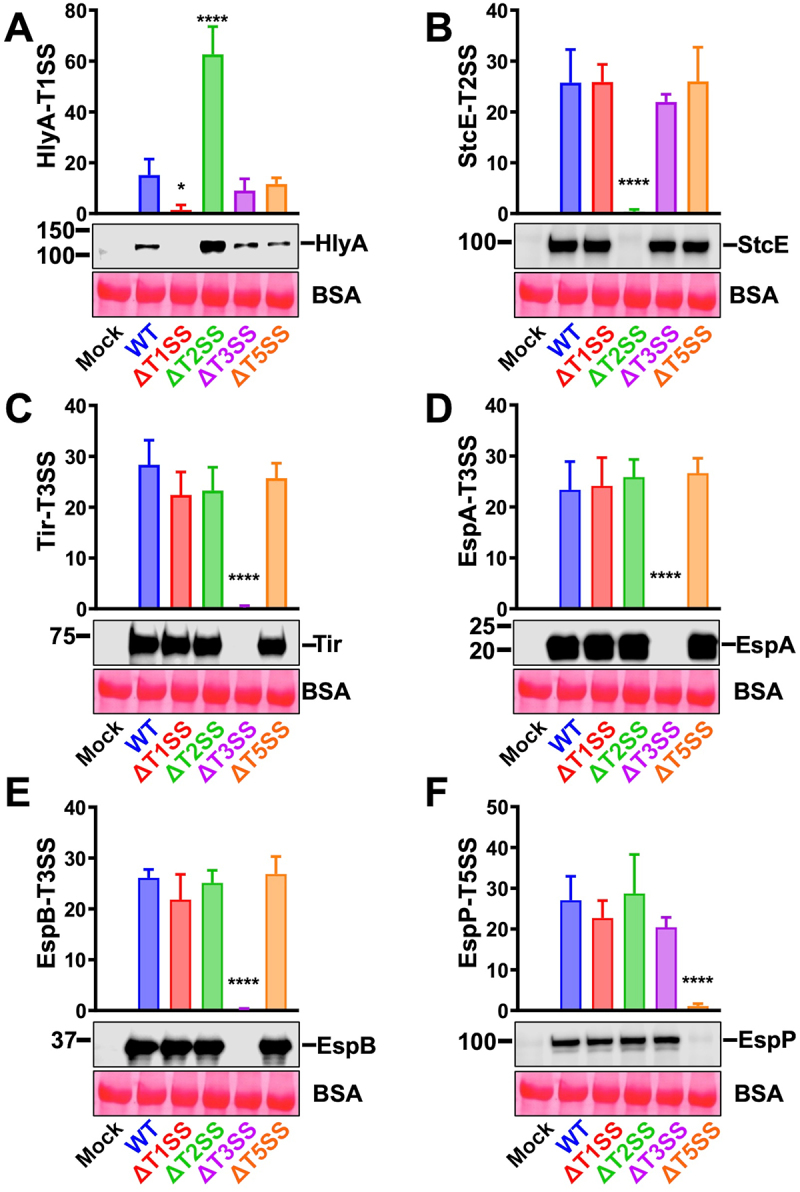 Figure 17
 Figure 18
 Figure 19
 Figure 20
 Figure 21
 Figure 22
 Figure 23
Peer Reviews
No public reviews on file for this paper yet. If you reviewed it on a platform where reviews are public (OpenReview, ICLR, NeurIPS, ICML), you can paste yours below so the community can read it here.
Videos
No videos yet. Explain this paper in a talk, walkthrough, or lecture? Add one.
Taxonomy
TopicsEscherichia coli research studies · Vibrio bacteria research studies · Bacillus and Francisella bacterial research