Host plant phylogeny predicts arbuscular mycorrhizal fungal communities, but plant life history and fungal genetic change predict feedback
Robert J. Ramos, Brianna L. Richards, Peggy A. Schultz, James D. Bever, Roland Roberts, Roland Roberts, Roland Roberts, Roland Roberts

TL;DR
This study shows that plant phylogeny influences arbuscular mycorrhizal fungal communities, but mutualistic benefits depend more on plant life history and fungal genetic changes.
Contribution
The study reveals that fungal genetic changes, not species composition, predict mycorrhizal feedback strength, linking symbiosis dynamics to plant succession.
Findings
Host phylogeny predicts AM fungal community composition and genetic structure.
Mycorrhizal feedback strength is influenced by plant life history and genetic shifts in fungal species.
Positive feedbacks across life history stages suggest roles in succession and restoration.
Abstract
Symbioses exert strong influence on host phenotypes; however, benefits from symbionts can increase or degrade over time. Understanding the context-dependence of reinforcing or degrading dynamics is pivotal to predicting stability of symbiotic benefits. Host phylogenetic relationships and host life history traits are two candidate axes that have been proposed to structure symbioses. However, the relative influence of host evolutionary history and life history on symbiont composition, and whether changes in symbiont composition translate into stronger mutualistic benefits is unknown. We tested the influence of plant phylogenetic relationships and plant life history on the composition of arbuscular mycorrhizal (AM) fungi, perhaps the most ancestral and influential of plant symbionts, and then tested whether AM fungal differentiation resulted in improved mutualism as expected from…
Genes, proteins, chemicals, diseases, species, mutations and cell lines named across the full text — each resolved to its canonical identifier and authoritative record.
Click any figure to enlarge with its caption.
 Figure 1
 Figure 2
 Figure 3
 Figure 4
 Figure 5
 Figure 6
 Figure 7
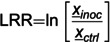 Figure 8
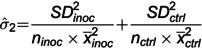 Figure 9
 Figure 10
 Figure 11
 Figure 12
 Figure 13
 Figure 14
 Figure 15
 Figure 16
 Figure 17
 Figure 18
 Figure 19
 Figure 20
 Figure 21
 Figure 22
 Figure 23
 Figure 24
 Figure 25
 Figure 26
 Figure 27
 Figure 28
 Figure 29
 Figure 30
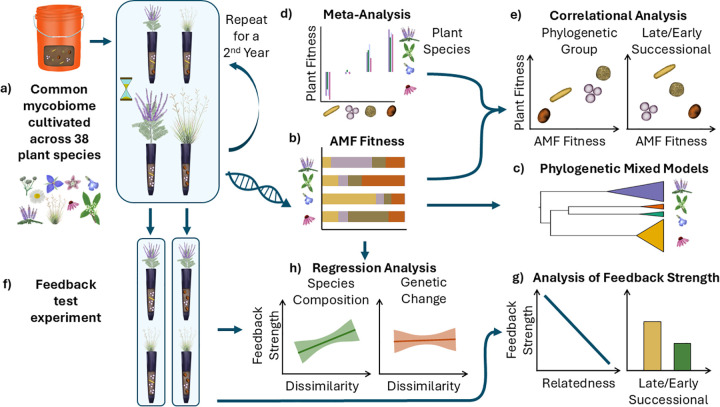 Figure 31
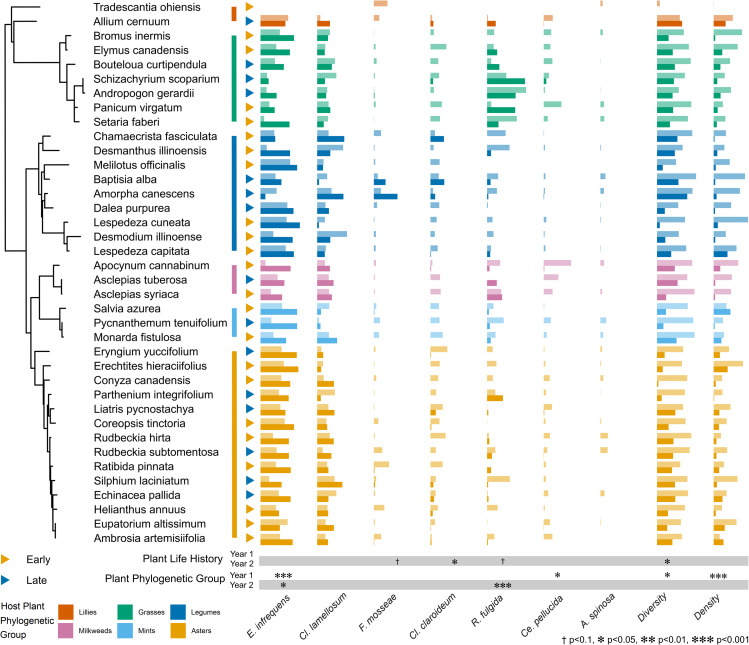 Figure 32
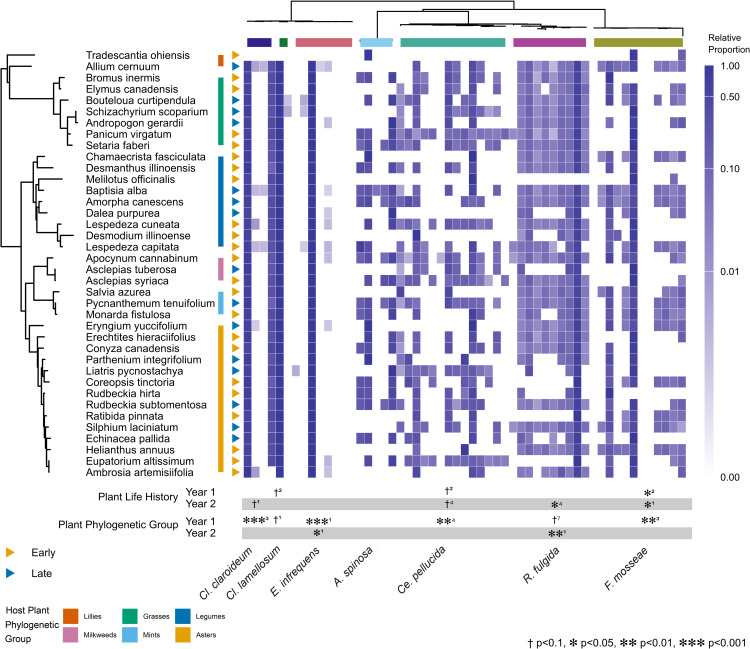 Figure 33
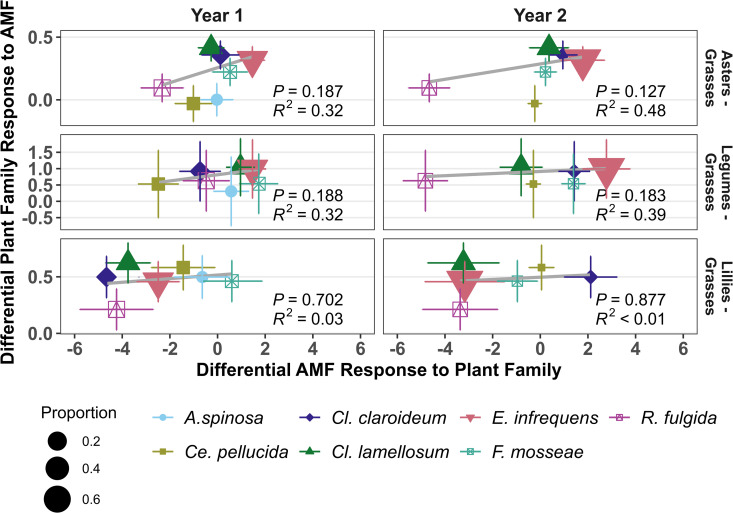 Figure 34
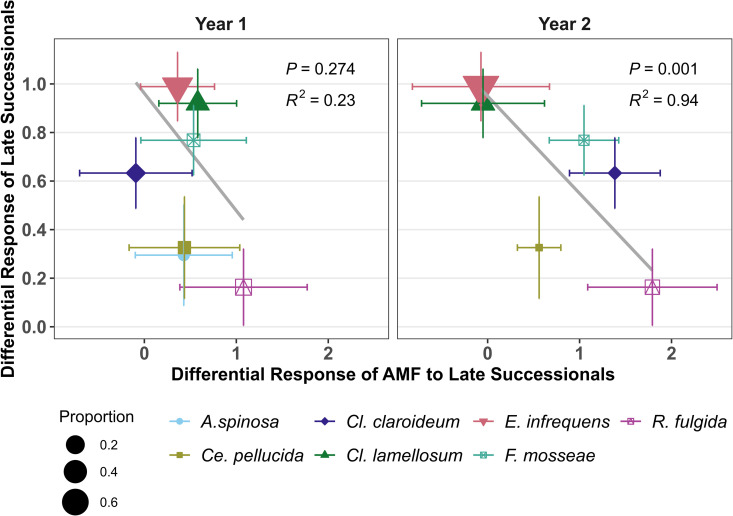 Figure 35
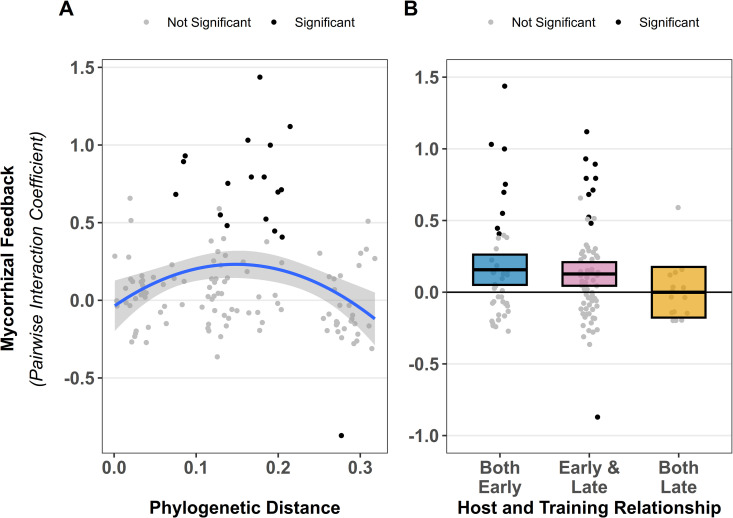 Figure 36
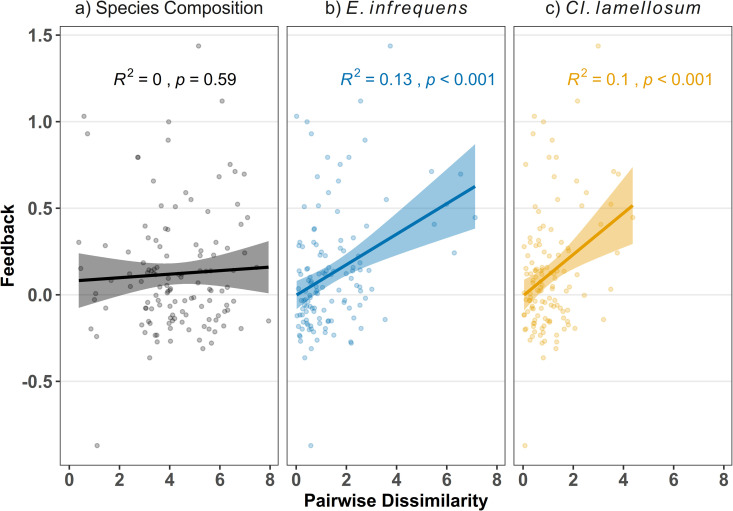 Figure 37
Peer Reviews
No public reviews on file for this paper yet. If you reviewed it on a platform where reviews are public (OpenReview, ICLR, NeurIPS, ICML), you can paste yours below so the community can read it here.
Videos
No videos yet. Explain this paper in a talk, walkthrough, or lecture? Add one.
Taxonomy
TopicsMycorrhizal Fungi and Plant Interactions · Plant-Microbe Interactions and Immunity · Plant and fungal interactions