Investigating the correlation between candidate teachers’ acceptance of generative artificial intelligence and artificial intelligence literacy across various disciplines
Berker Kurt, Gözdegül Arık Karamık, Ali Özkaya, Andrea Cioffi, Andrea Cioffi, Andrea Cioffi, Andrea Cioffi

TL;DR
This study explores how future teachers from different fields accept and understand generative AI, identifying factors that influence their acceptance and AI literacy.
Contribution
The study introduces a mixed-methods approach to analyze GenAI acceptance and AIL among prospective teachers across disciplines.
Findings
GenAI acceptance varies by department, grade level, AI tool usage, and self-perceived proficiency.
AIL is significantly influenced by gender, department, grade, and AI training background.
Qualitative insights reveal factors like problem-solving, mentor usage, and ethical understanding as key to AI literacy.
Abstract
This study examines Generative Artificial Intelligence (GenAI) acceptance and Artificial Intelligence Literacy (AIL) levels among prospective teachers, using variables for comparative analysis and identifying influencing factors. The research uses an explanatory sequential mixed methods approach. Quantitative data were obtained from 723 prospective teachers and qualitative data from 48 prospective teachers. Data collection included an Information Form, GenAI Acceptance Scale, and AIL Scale for quantitative data, with interview forms for qualitative data. Parametric tests, independent samples t-test, ANOVA, and Pearson correlation analyzed quantitative data, while factors influencing GenAI acceptance and AIL were identified through themes using MAXQDA. Acceptance levels showed no significant differences by gender or daily internet use; however, differences emerged regarding department,…
Genes, proteins, chemicals, diseases, species, mutations and cell lines named across the full text — each resolved to its canonical identifier and authoritative record.
Click any figure to enlarge with its caption.
 Figure 1
 Figure 2
 Figure 3
 Figure 4
 Figure 5
 Figure 6
 Figure 7
 Figure 8
 Figure 9
 Figure 10
 Figure 11
 Figure 12
 Figure 13
 Figure 14
 Figure 15
 Figure 16
 Figure 17
 Figure 18
 Figure 19
 Figure 20
 Figure 21
 Figure 22
 Figure 23
 Figure 24
 Figure 25
 Figure 26
 Figure 27
 Figure 28
 Figure 29
 Figure 30
 Figure 31
 Figure 32
 Figure 33
 Figure 34
 Figure 35
 Figure 36
 Figure 37
 Figure 38
 Figure 39
 Figure 40
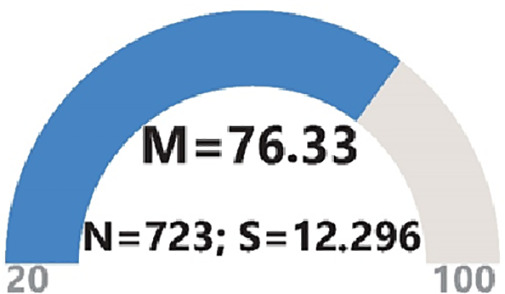 Figure 41
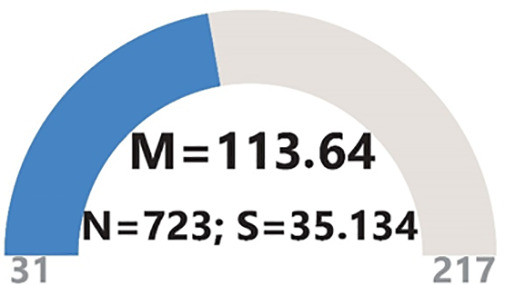 Figure 42
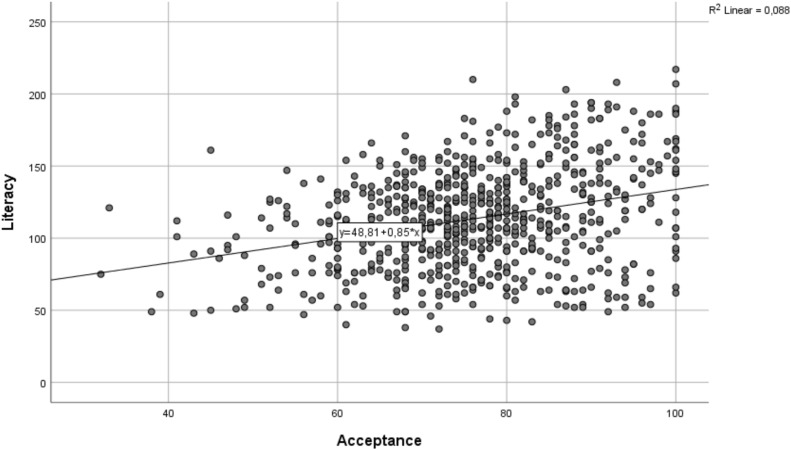 Figure 43
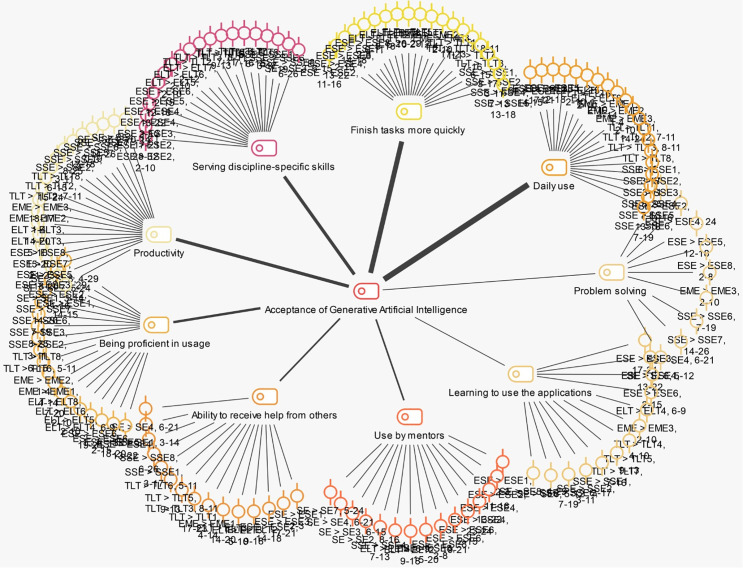 Figure 44
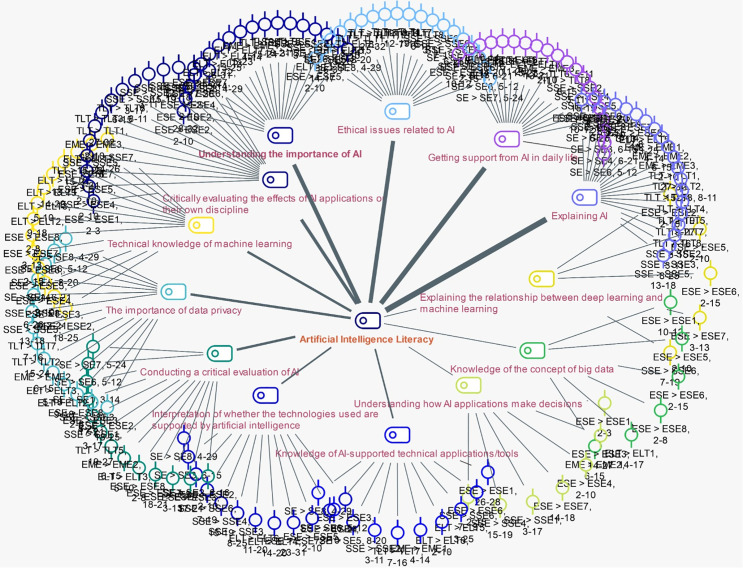 Figure 45
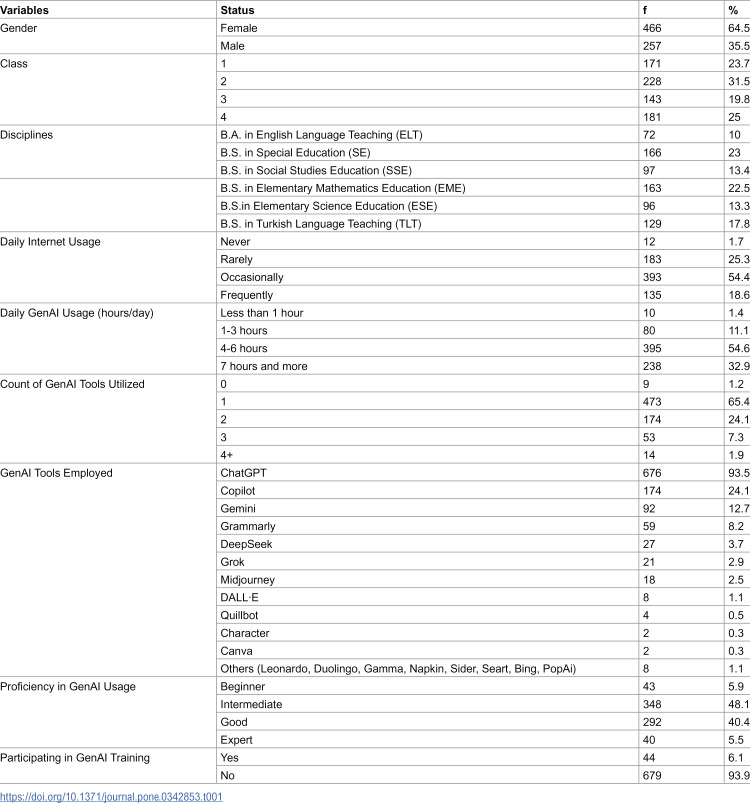 Figure 46
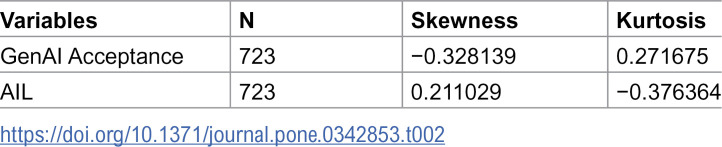 Figure 47
 Figure 48
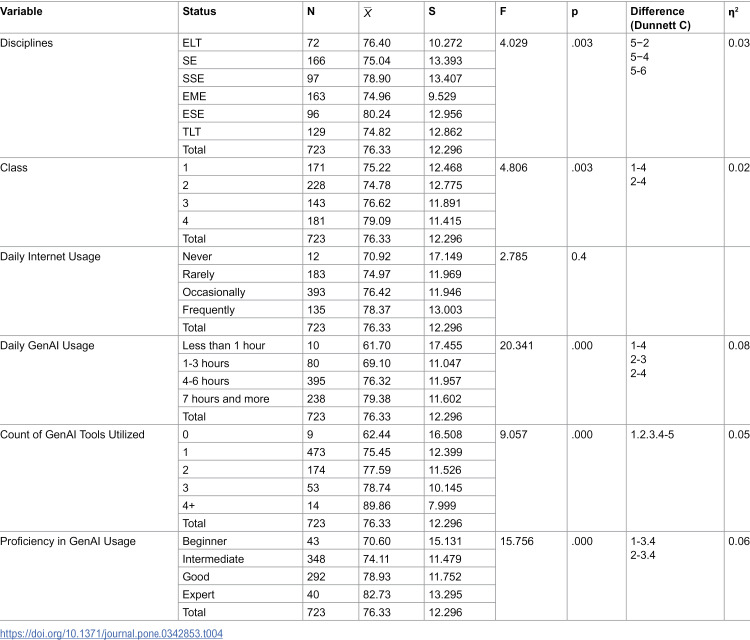 Figure 49
 Figure 50
Peer Reviews
No public reviews on file for this paper yet. If you reviewed it on a platform where reviews are public (OpenReview, ICLR, NeurIPS, ICML), you can paste yours below so the community can read it here.
Videos
No videos yet. Explain this paper in a talk, walkthrough, or lecture? Add one.
Taxonomy
TopicsArtificial Intelligence in Healthcare and Education · Ethics and Social Impacts of AI · Teaching and Learning Programming