Computational modeling for rational design of novel phenoxy tacrine derivatives targeting Alzheimer’s disease
Mohamed El Fadili, Mohammed Er-rajy, Somdutt Mujwar, Abdelouahid Samadi, Samir Chtita, Menana Elhallaoui

TL;DR
This study uses computational modeling to design new Alzheimer’s drug candidates based on phenoxy tacrine derivatives, identifying four promising compounds with good safety and stability.
Contribution
The paper introduces a novel computational framework combining 3D-QSAR, docking, and MD simulations to design and validate new Alzheimer’s drug candidates.
Findings
Four compounds (D9-D12) showed favorable pharmacokinetic properties and safety profiles.
D9 demonstrated exceptional thermodynamic stability when bound to the NMDA receptor over 100 ns simulations.
D9's cytotoxic activity (pIC50 of 3.50) is comparable to the reference THA drug (pIC50 of 3.52).
Abstract
Alzheimer’s is the leading factor behind dementia, producing steady impairments in memory, cognitive reasoning, behavioral, and social interactions. This scientific study investigates thirty-two phenoxy tacrine (PhO-THA) derivatives through an integrated computational modeling to identify potential therapeutic candidates. 3D-QSAR models were developed using comparative molecular similarity indices analysis and comparative molecular field analysis, which were subjected to rigorous internal and external validation to establish a robust quantitative relationship between molecular interaction fields and cytotoxic activities. Based on these validated structural insights, fourteen new compounds (D1-D14) were designed. Comprehensive molecular docking and molecular dynamics (MD) simulations, coupled with ADME-Tox profiling, were used to evaluate their pharmacological potential. Our results…
Genes, proteins, chemicals, diseases, species, mutations and cell lines named across the full text — each resolved to its canonical identifier and authoritative record.
Click any figure to enlarge with its caption.
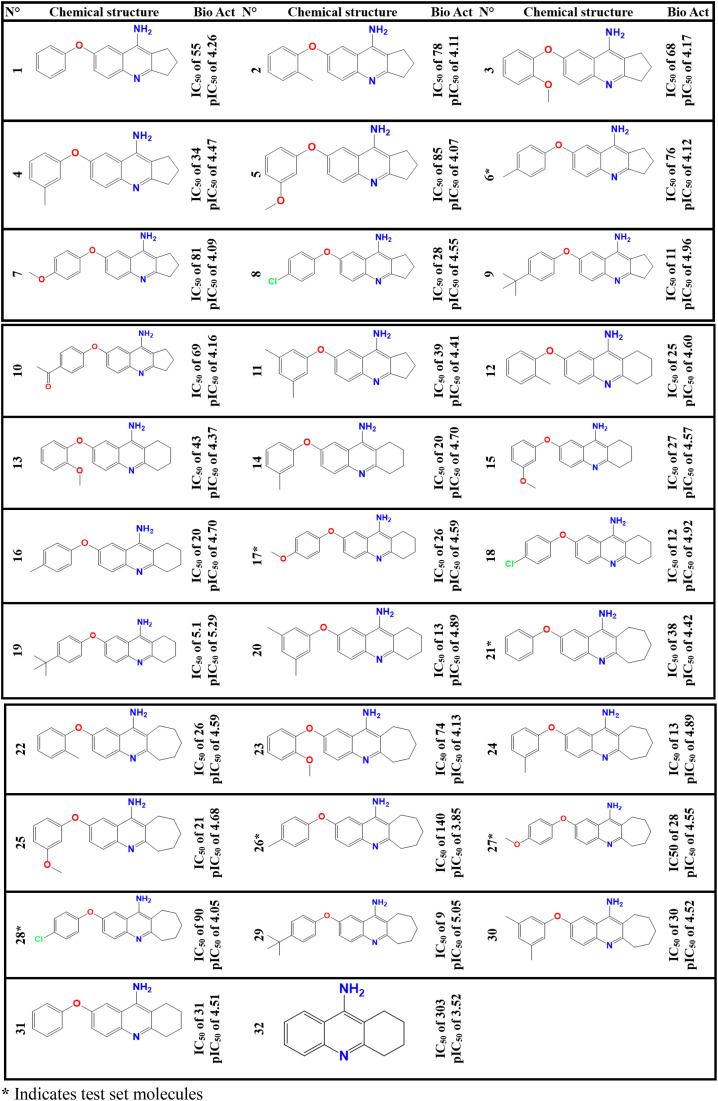 Figure 1
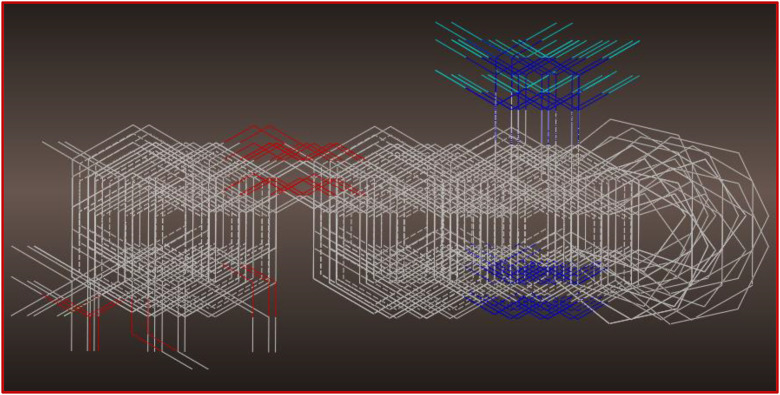 Figure 2
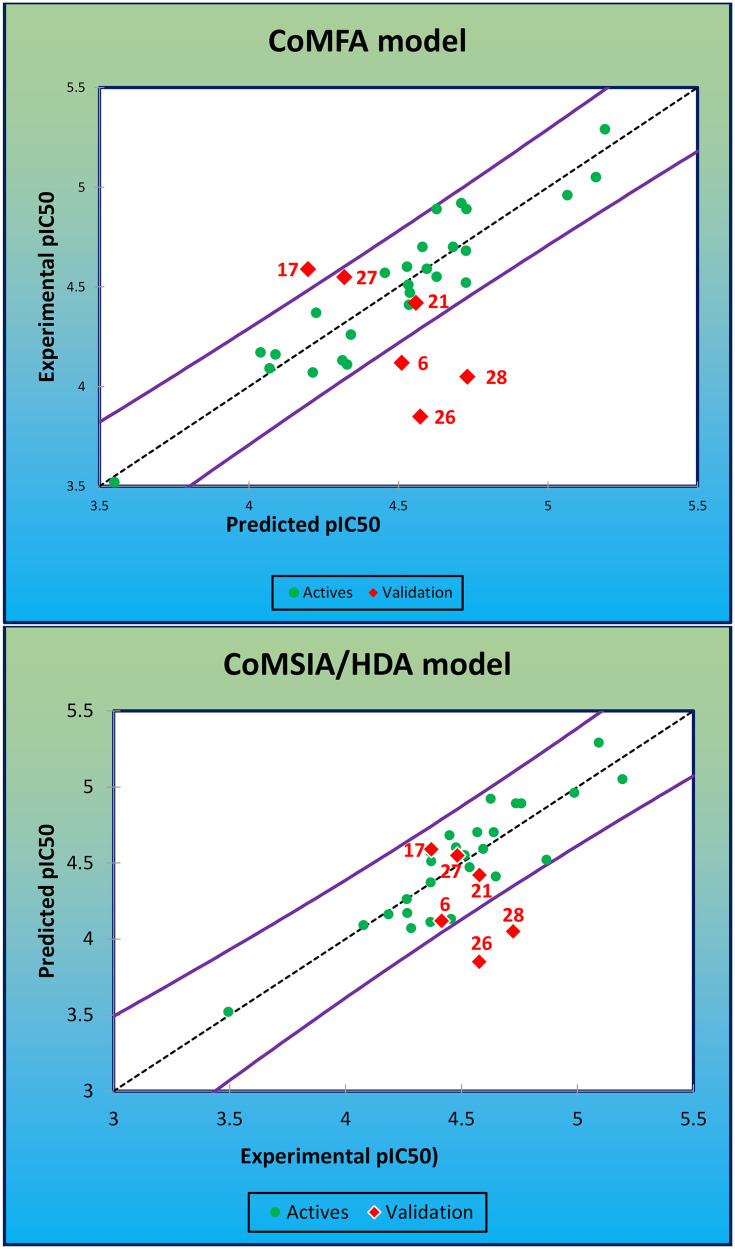 Figure 3
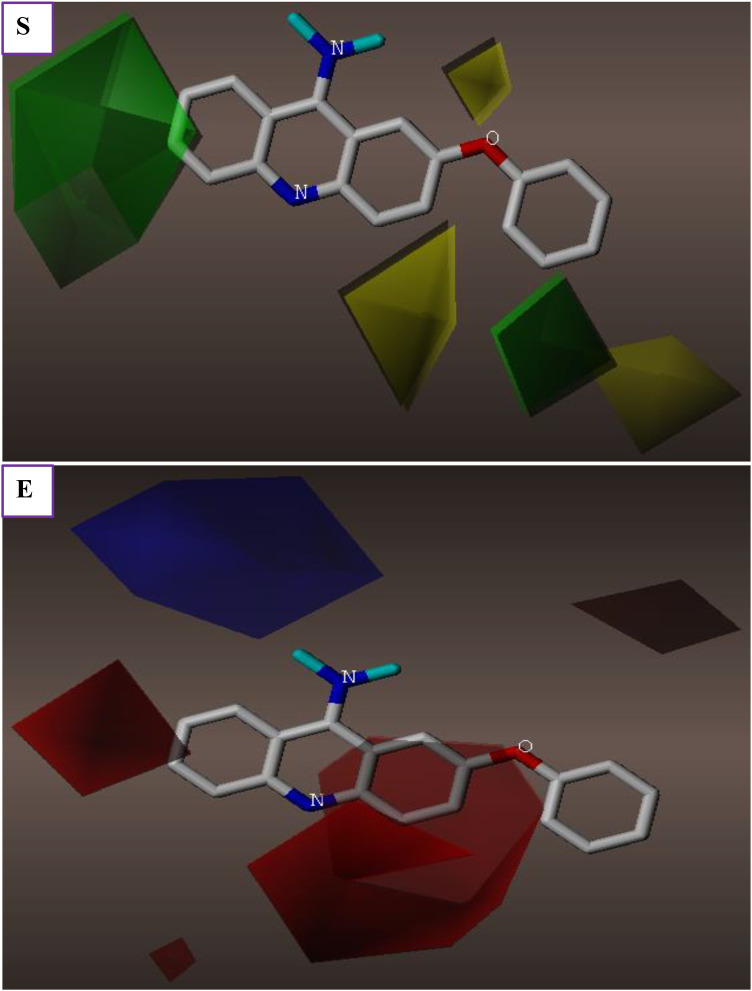 Figure 4
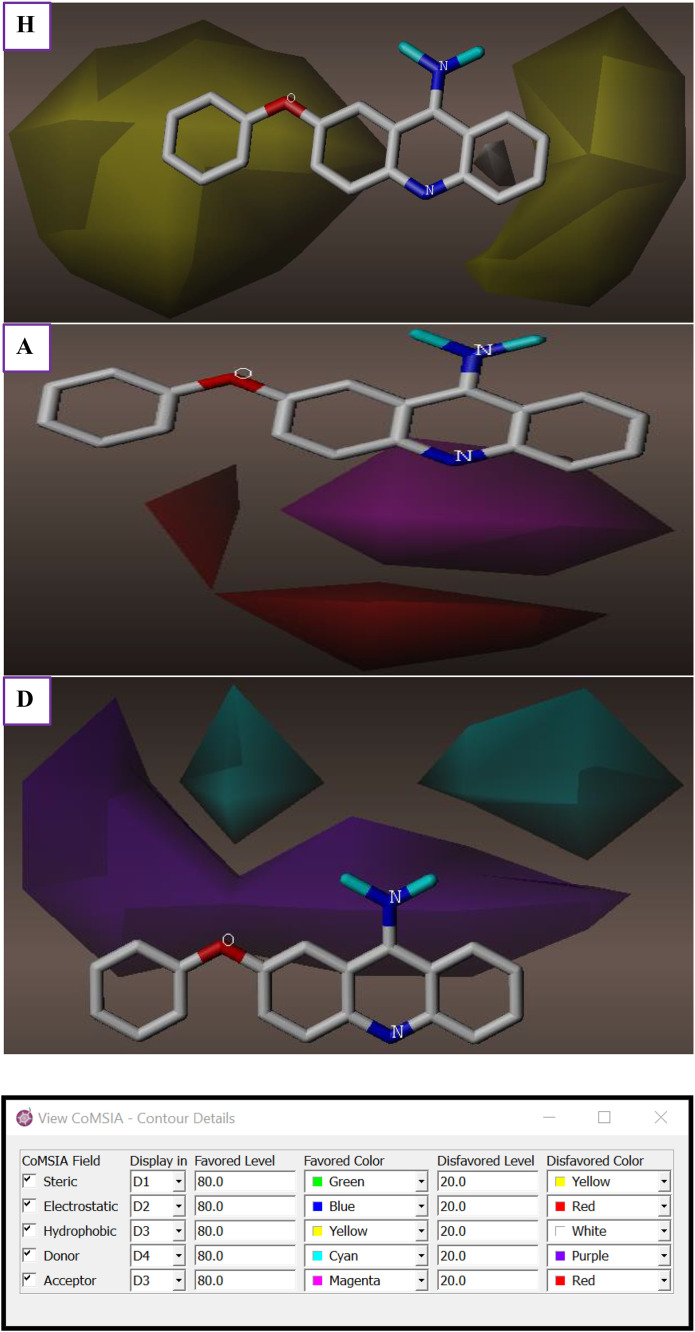 Figure 5
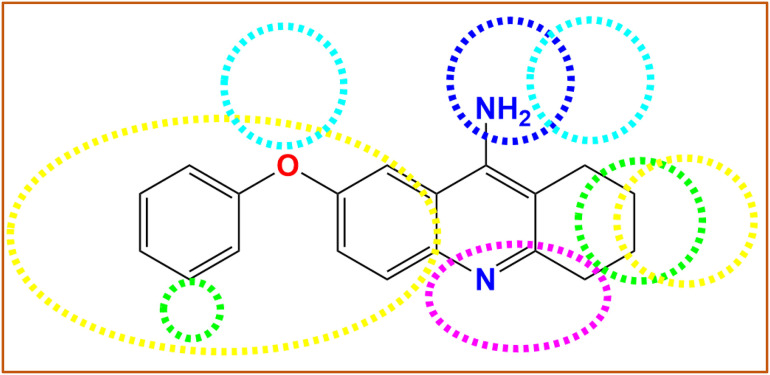 Figure 6
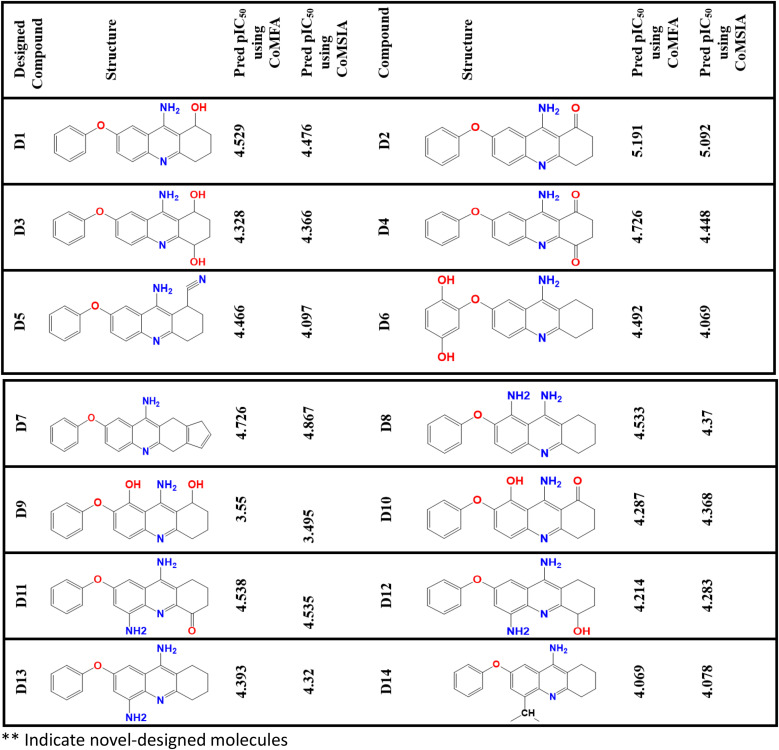 Figure 7
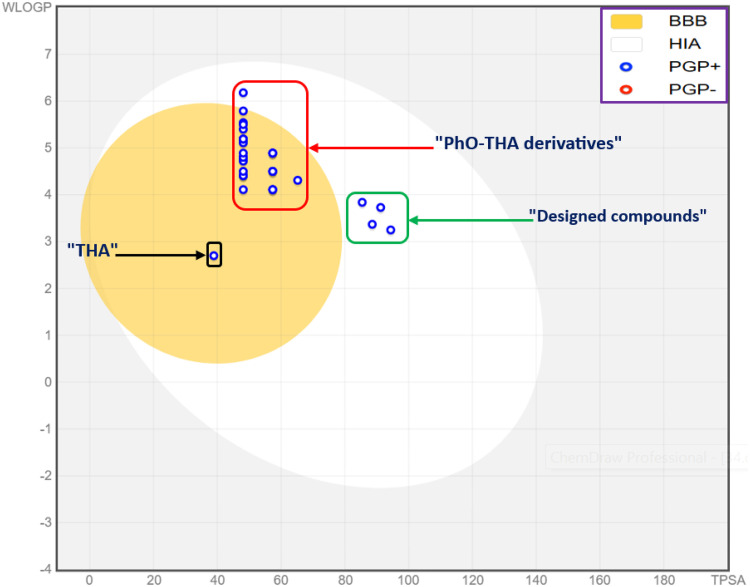 Figure 8
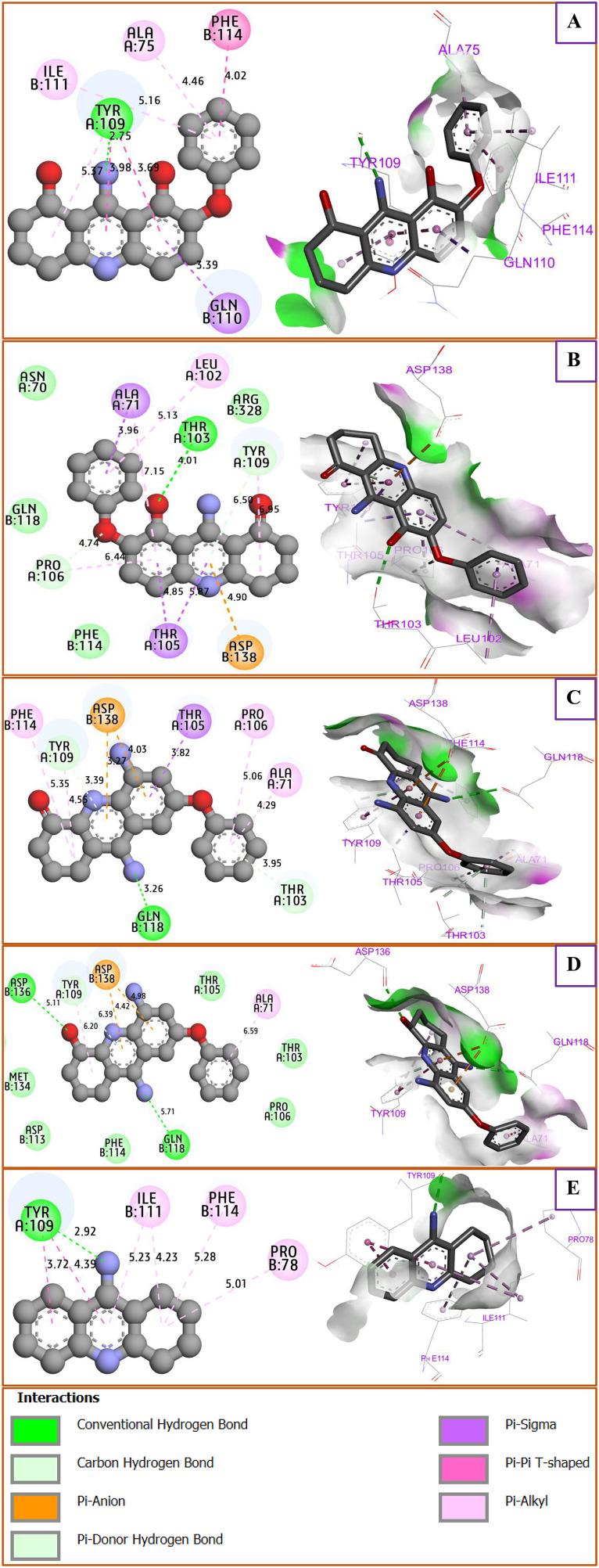 Figure 9
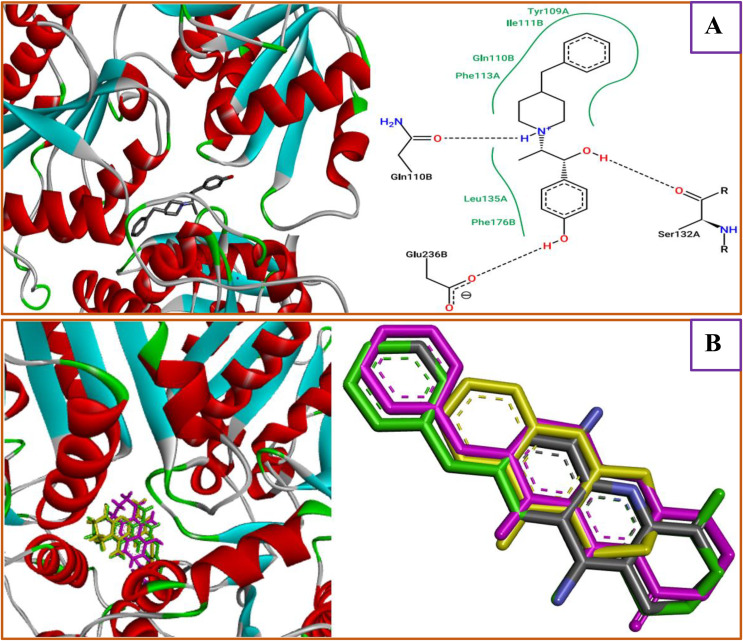 Figure 10
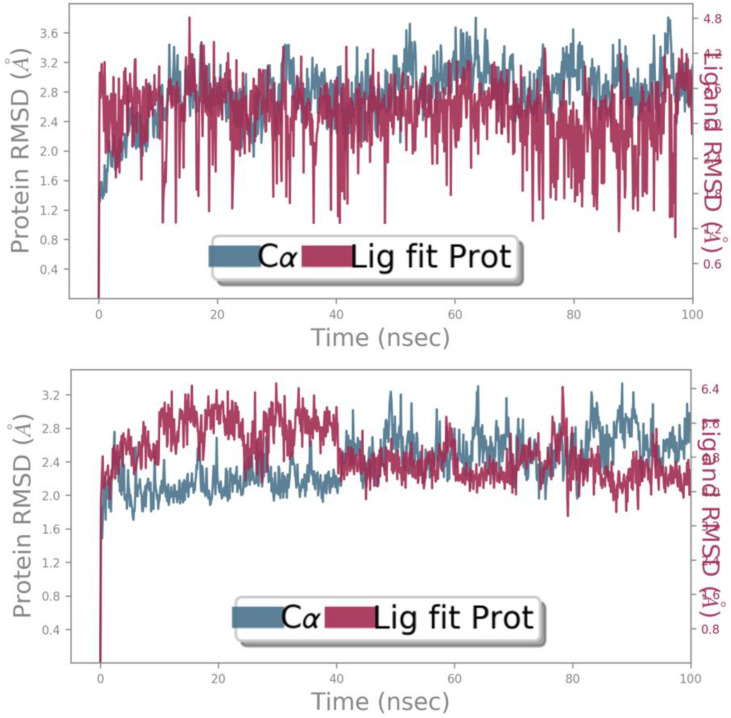 Figure 11
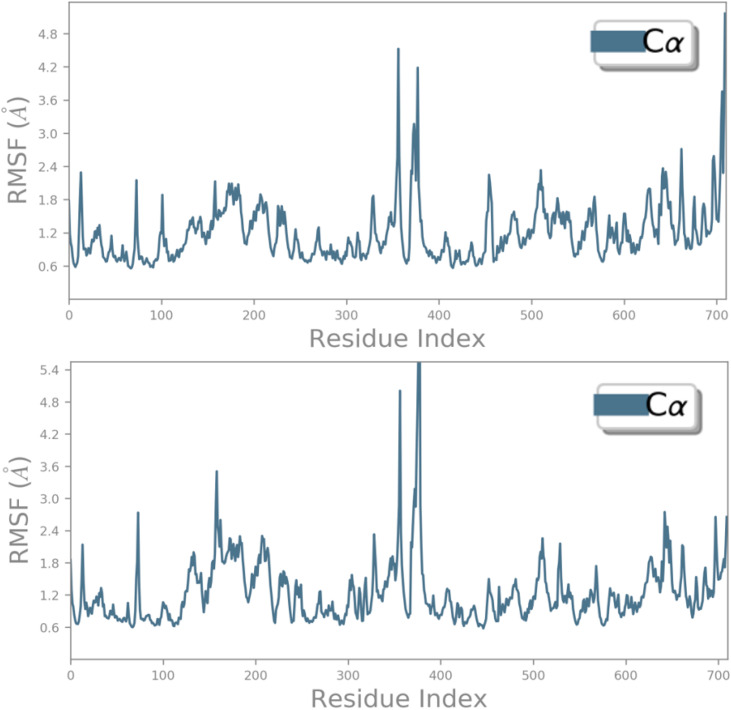 Figure 12
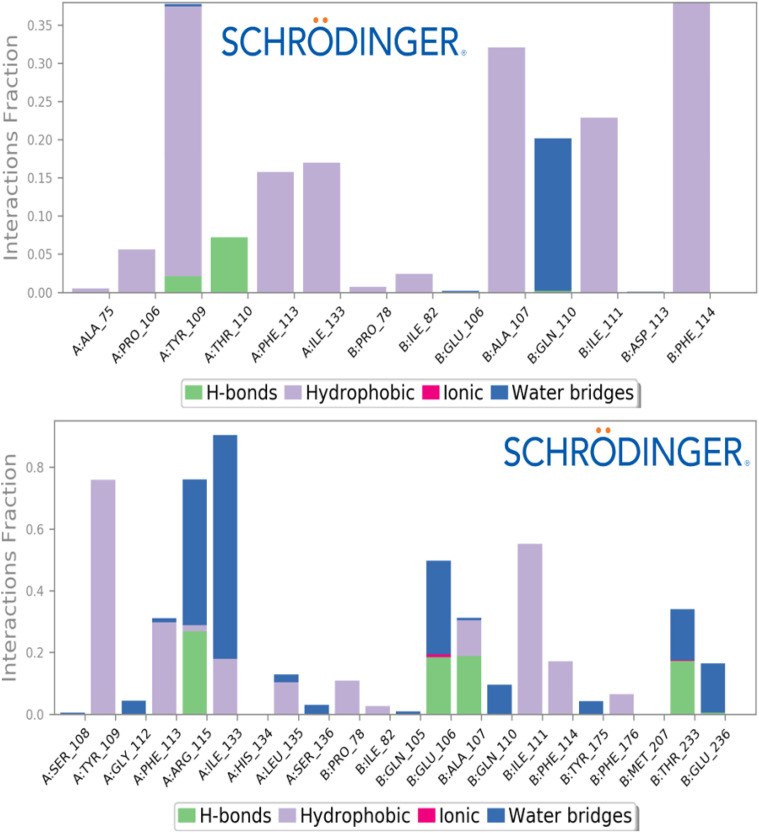 Figure 13
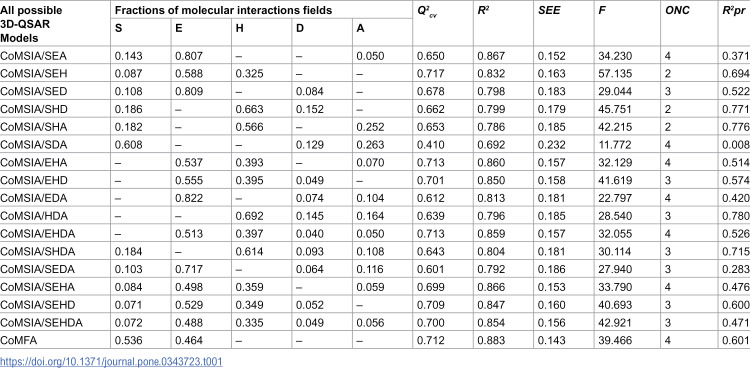 Figure 14
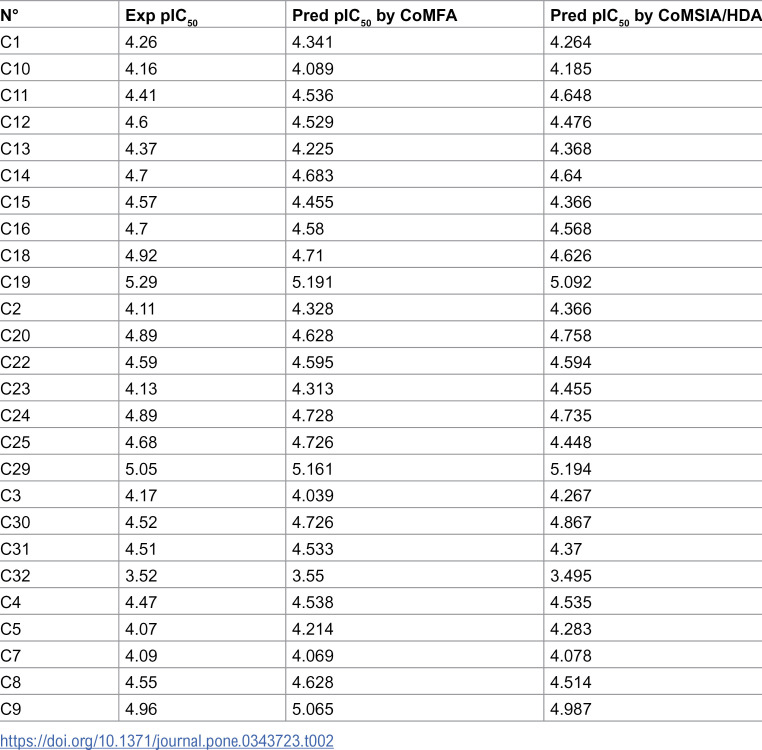 Figure 15
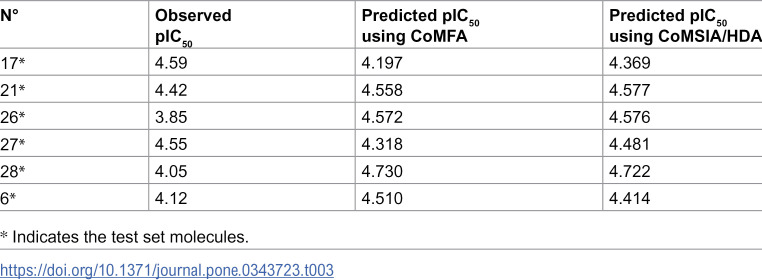 Figure 16
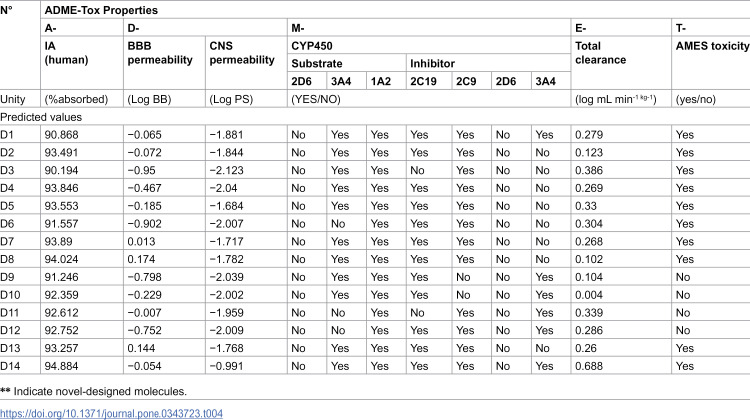 Figure 17
 Figure 18
 Figure 19
 Figure 20
Peer Reviews
No public reviews on file for this paper yet. If you reviewed it on a platform where reviews are public (OpenReview, ICLR, NeurIPS, ICML), you can paste yours below so the community can read it here.
Videos
No videos yet. Explain this paper in a talk, walkthrough, or lecture? Add one.
Taxonomy
TopicsCholinesterase and Neurodegenerative Diseases · Computational Drug Discovery Methods · Receptor Mechanisms and Signaling