Immunoinformatics approach to engineer a multi-epitope vaccine against SdrG in skin commensal Staphylococcus epidermidis
Shahina Akter, Gabriel Vinícius Rolim Silva, Jonas Ivan Nobre Oliveira, Umberto Laino Fulco, Xianyang Xu, Yu Vincent Fu, Syed Hani Abidi, Syed Hani Abidi, Syed Hani Abidi, Syed Hani Abidi

TL;DR
Researchers designed a new vaccine targeting a protein in Staphylococcus epidermidis to prevent biofilm-related infections using computational methods.
Contribution
A novel multi-epitope vaccine targeting SdrG was designed and computationally validated for TLR4 binding and expressibility.
Findings
The vaccine showed strong binding affinity to TLR4 with a peak free energy of −52.73 kcal/mol.
Molecular dynamics simulations confirmed structural stability of the vaccine-TLR4 complex.
In silico cloning demonstrated the vaccine's potential for expression in E. coli using the pET-Sangamo-His vector.
Abstract
The human skin serves as a dynamic ecosystem for beneficial commensal bacteria such as Staphylococcus epidermidis, which play a crucial role in maintaining skin barrier integrity and modulating immune responses. Remarkably, recent research has demonstrated that the skin can function as a natural vaccination site, producing specific antibodies against commensal microbes without inducing inflammation. However, S. epidermidis can transition into an opportunistic pathogen in clinical settings, forming resilient biofilms on medical implants and exhibiting increasing resistance to antibiotics (MRSE), posing a significant healthcare challenge. To address this challenge, advanced immunoinformatics strategies were leveraged to design a novel multi-epitope vaccine targeting the SdrG protein, a key mediator of S. epidermidis biofilm formation. The vaccine’s binding dynamics with Toll-like receptor…
Genes, proteins, chemicals, diseases, species, mutations and cell lines named across the full text — each resolved to its canonical identifier and authoritative record.
Click any figure to enlarge with its caption.
 Figure 1
 Figure 2
 Figure 3
 Figure 4
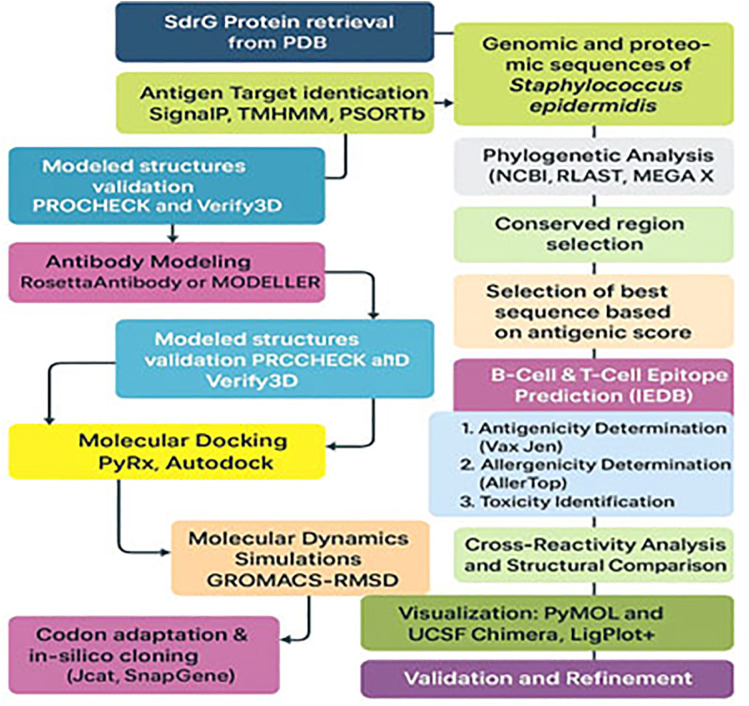 Figure 5
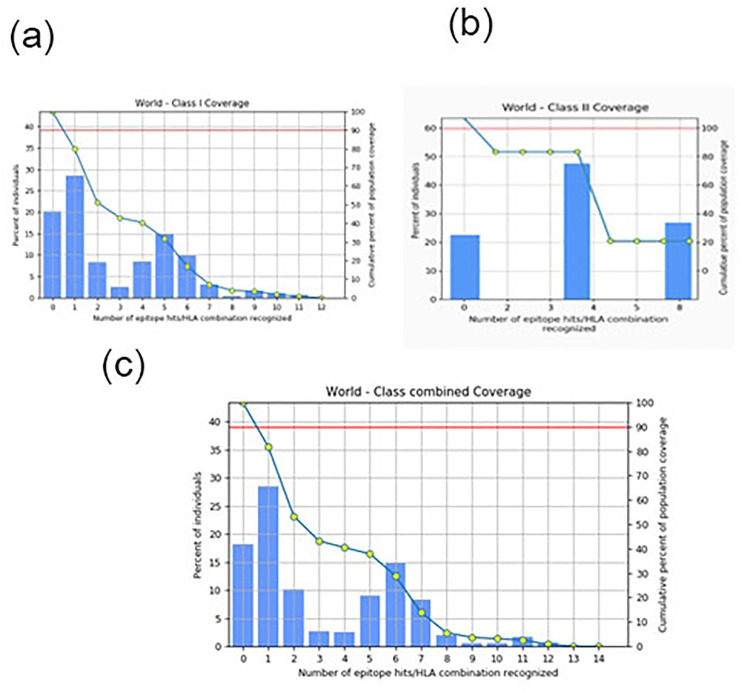 Figure 6
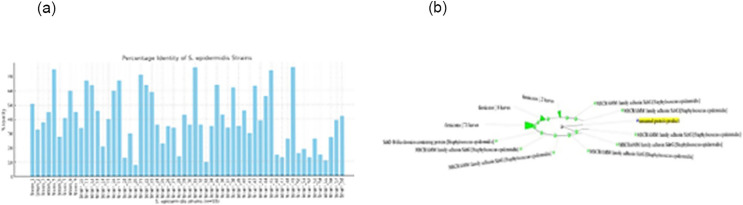 Figure 7
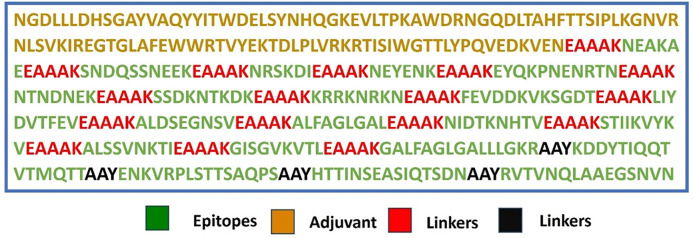 Figure 8
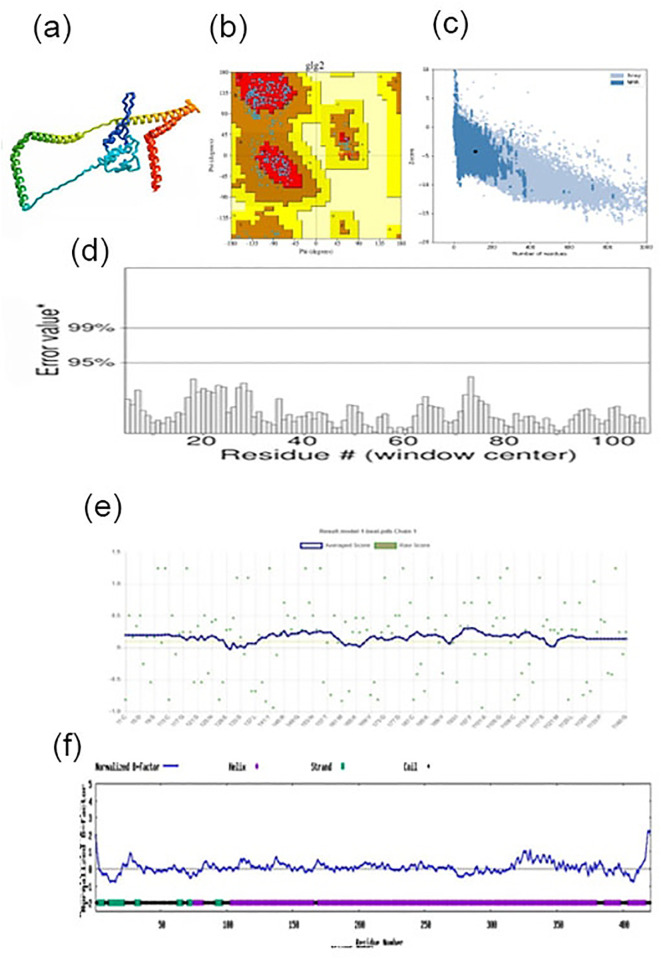 Figure 9
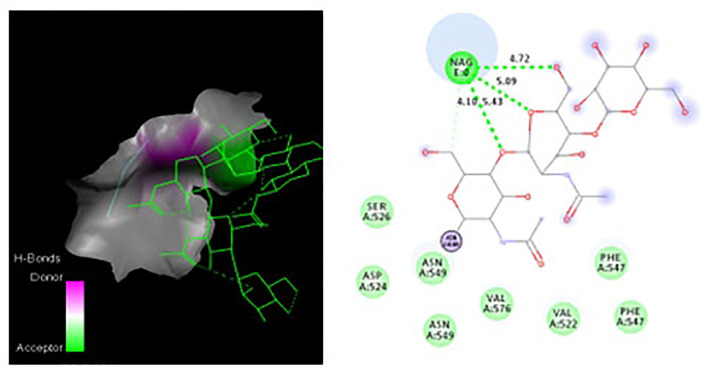 Figure 10
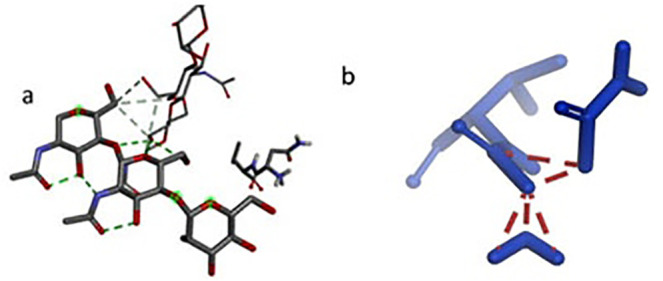 Figure 11
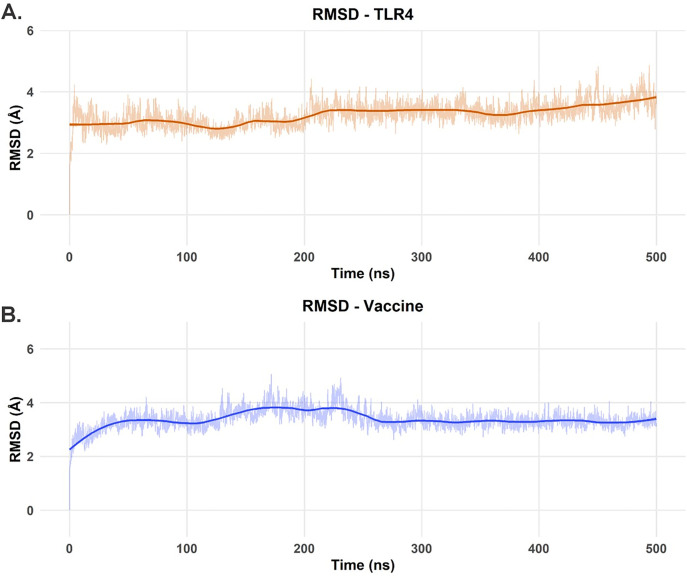 Figure 12
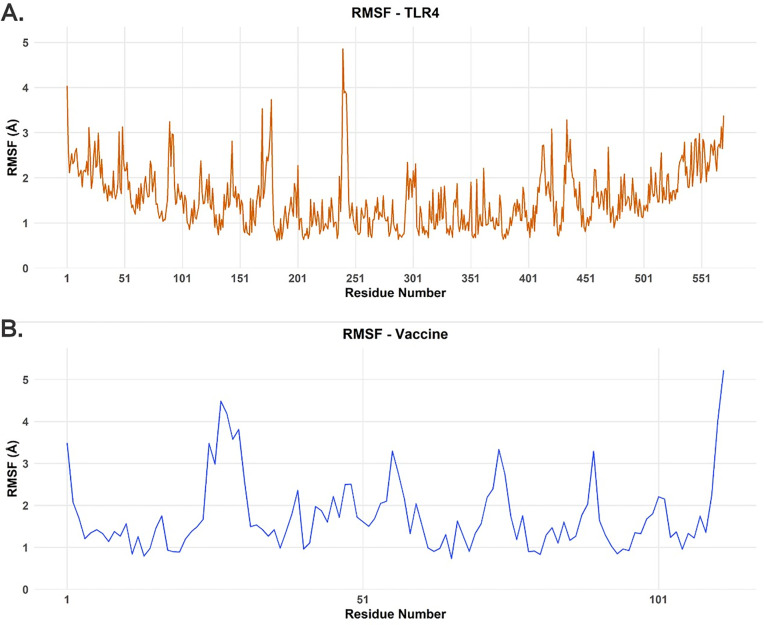 Figure 13
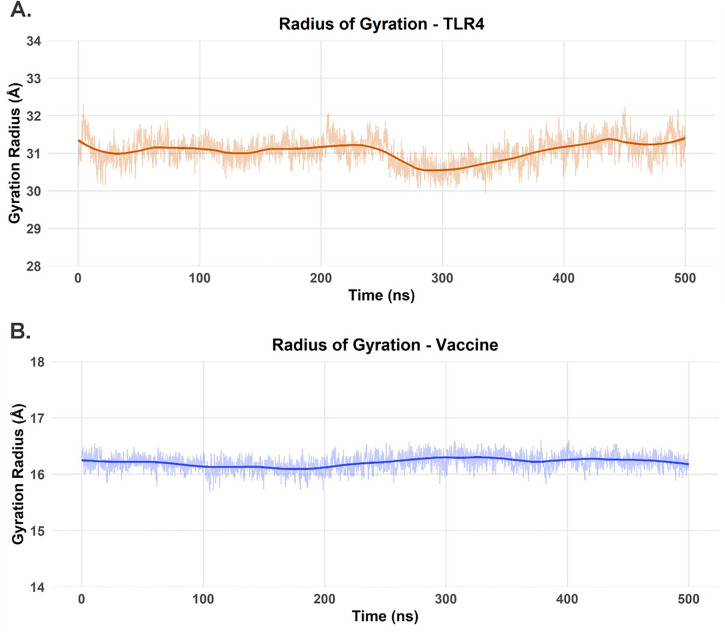 Figure 14
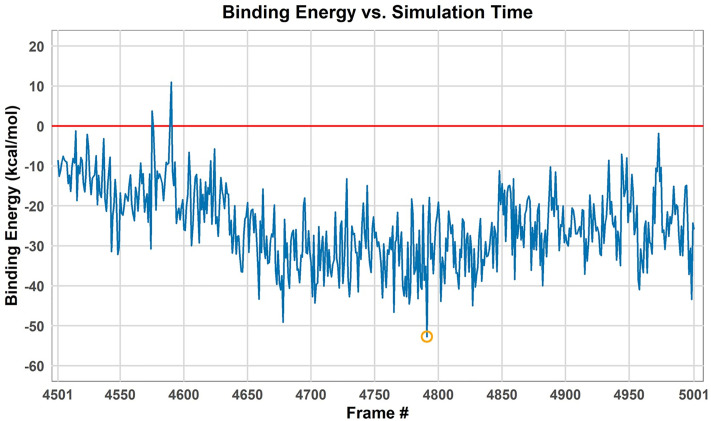 Figure 15
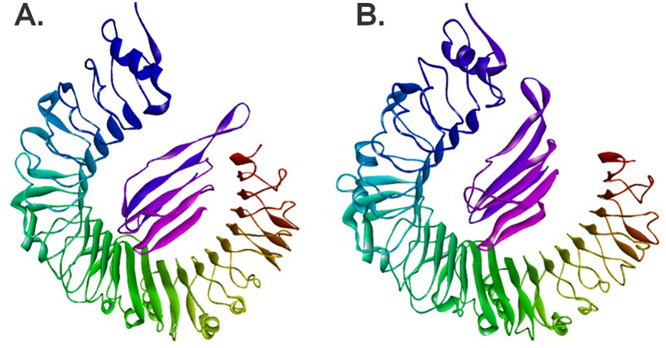 Figure 16
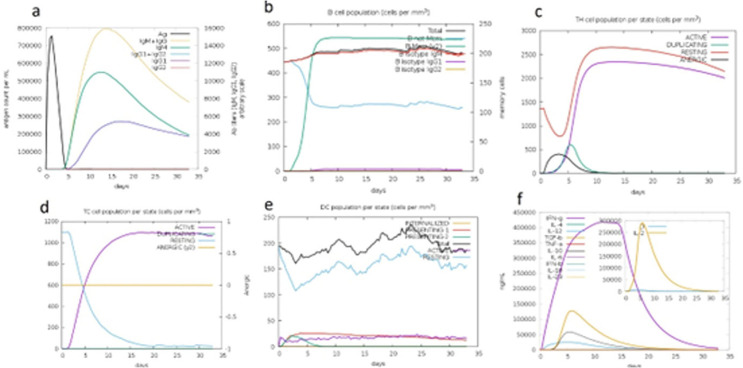 Figure 17
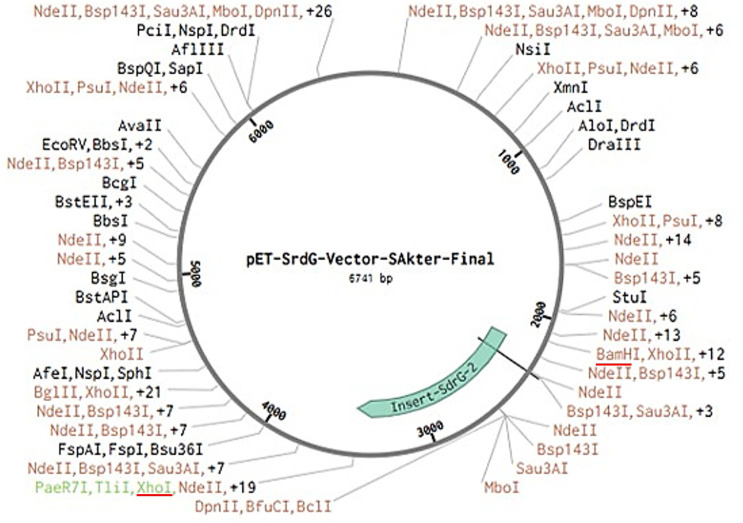 Figure 18
 Figure 19
 Figure 20
Peer Reviews
No public reviews on file for this paper yet. If you reviewed it on a platform where reviews are public (OpenReview, ICLR, NeurIPS, ICML), you can paste yours below so the community can read it here.
Videos
No videos yet. Explain this paper in a talk, walkthrough, or lecture? Add one.
Taxonomy
Topicsvaccines and immunoinformatics approaches · Biochemical and Structural Characterization · Antimicrobial Peptides and Activities