Ethnographic meta-analysis shows that thermoregulation activities predict needle and awl use in North America
McKenna Lynn Litynski, Sean Field, Randall Haas, Enza Spinapolice, Enza Spinapolice, Enza Spinapolice

TL;DR
This study finds that cold weather likely drove the use of needles and awls for making clothing in North America, though these tools were also used for other activities.
Contribution
The study provides the first ethnographic meta-analysis linking thermoregulation to the use of perforator tools in North America.
Findings
Non-thermoregulation activities account for 69% of perforator tool use observations.
Clothing production is the most prevalent thermoregulation-linked activity, accounting for 14% of observations.
Perforator use probability increases in colder temperatures, supporting the thermoregulation hypothesis.
Abstract
Needles and awls are common artifacts in the perishable archaeological record. To understand behavioral motivations for their use, this study examines ethnographic activities linked to needles and awls in North America. We hypothesize that thermoregulation would have been the strongest driver of perforator use. Ethnographies from eHRAF World Cultures are examined to evaluate activity types and temperature effects on the prevalence of perforator use. We observe that the sum of non-thermoregulation activities (69%) account for the majority of ethnographic perforator occurrences. Such activities include tattooing, medical suturing, basketry, and ceremonial activities among others. Nonetheless, the most prevalent activity identified is clothing production, accounting for 14% of ethnographic observations. We furthermore observe from a series of linear mixed-effect models that account for…
Genes, proteins, chemicals, diseases, species, mutations and cell lines named across the full text — each resolved to its canonical identifier and authoritative record.
Click any figure to enlarge with its caption.
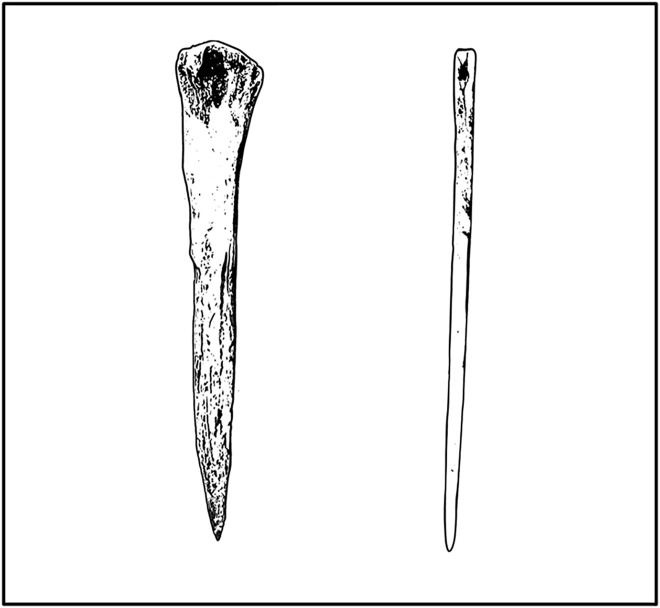 Figure 1
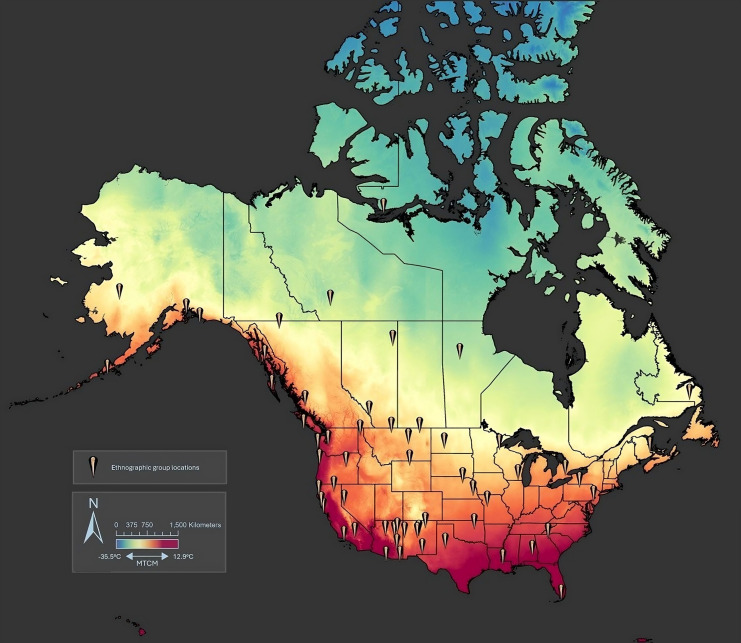 Figure 2
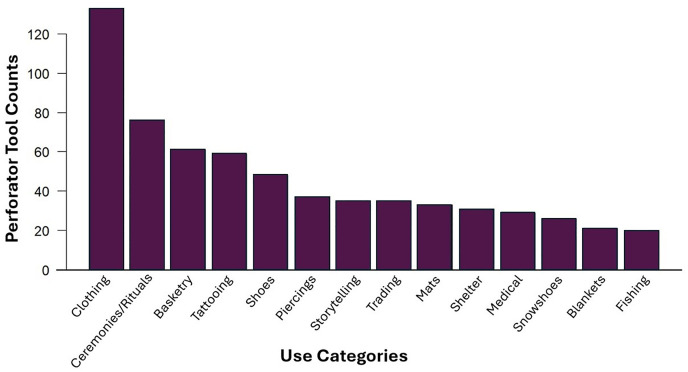 Figure 3
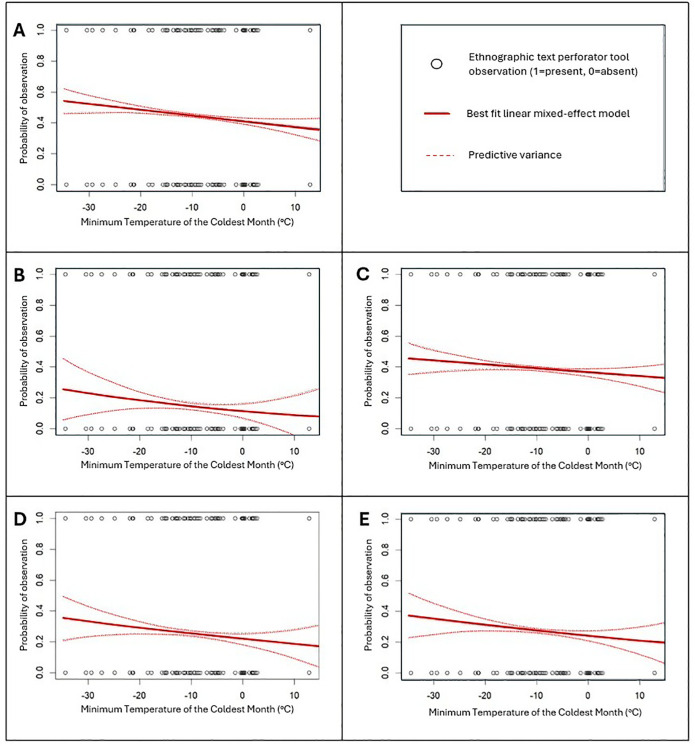 Figure 4
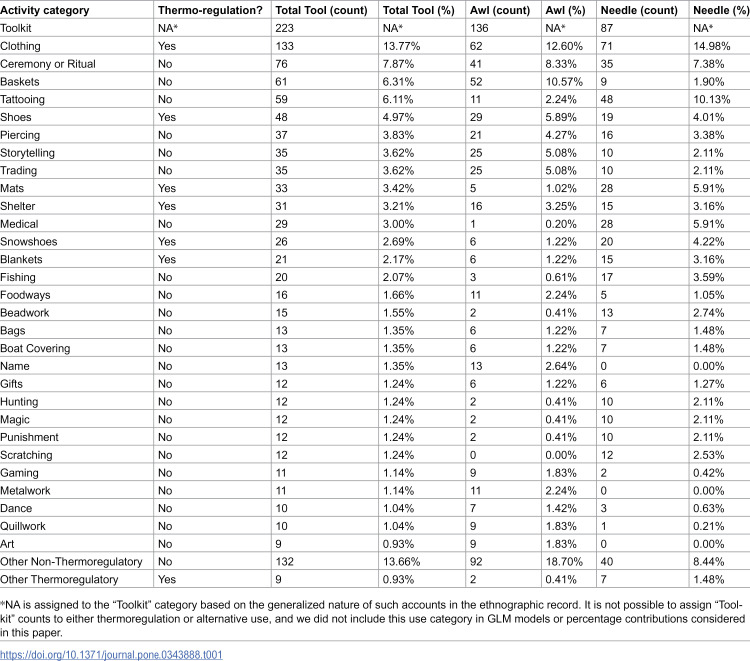 Figure 5
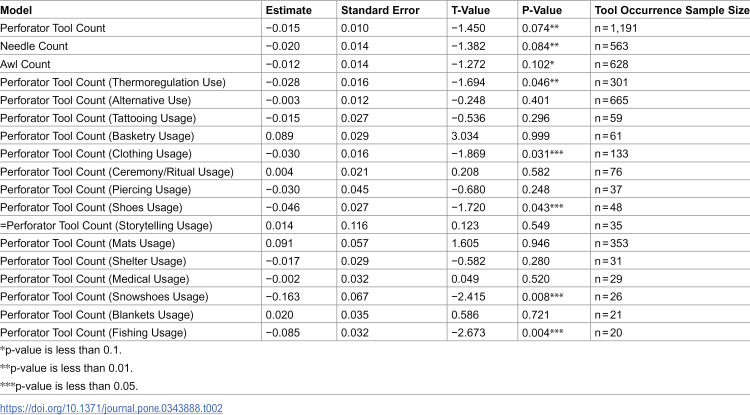 Figure 6
Peer Reviews
No public reviews on file for this paper yet. If you reviewed it on a platform where reviews are public (OpenReview, ICLR, NeurIPS, ICML), you can paste yours below so the community can read it here.
Videos
No videos yet. Explain this paper in a talk, walkthrough, or lecture? Add one.
Taxonomy
TopicsArchaeology and ancient environmental studies · Forensic Anthropology and Bioarchaeology Studies · Forensic and Genetic Research