Identification of prognostic genes associated with tolerogenic dendritic cells in gastric cancer based on transcriptomic data
Shenyu Luo, Guozhi Yang, Yuhua Yuan, Yong Zhang, Yihua Kang, Zhengrong Wen, Wei Liu, Ying Liu, Xiaosheng Tan, Xiaosheng Tan, Xiaosheng Tan, Xiaosheng Tan, Xiaosheng Tan

TL;DR
This study identifies five genes linked to tolerogenic dendritic cells in gastric cancer, offering new insights for treatment strategies.
Contribution
The study introduces a novel risk model based on five prognostic genes related to tolerogenic dendritic cells in gastric cancer.
Findings
Five prognostic genes (CXCL1, INHBA, ASCL2, RNASE1, GPX3) were identified and used to construct a risk model.
GPX3 showed strong positive associations with immune cells like regulatory T cells, while ASCL2 had weak associations.
Drug sensitivity analysis revealed differing IC50 values for compounds like BIBW2992 and GSK269962A between risk groups.
Abstract
Tolerogenic dendritic cells have a pivotal function in treating autoimmune illnesses, atopic diseases, and neoplasms. The precise mechanism by which Tolerogenic dendritic cells function in gastric cancer remains incompletely understood. Therefore, this research explored potential genes with prognostic value related to Tolerogenic dendritic cells in gastric cancer, to identify novel therapeutic targets that could provide valuable insights for the clinical treatment of gastric cancer. Five prognostic genes (CXCL1, INHBA, ASCL2, RNASE1, and GPX3) were finally obtained to construct the risk model. Immune infiltration analysis revealed that GPX3 exhibited significant positive associations with various immune cell populations, particularly regulatory T cells. While ASCL2 was weakly associated with almost all immune cells. These results suggested that there was a complex correlation between…
Genes, proteins, chemicals, diseases, species, mutations and cell lines named across the full text — each resolved to its canonical identifier and authoritative record.
Click any figure to enlarge with its caption.
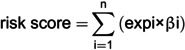 Figure 1
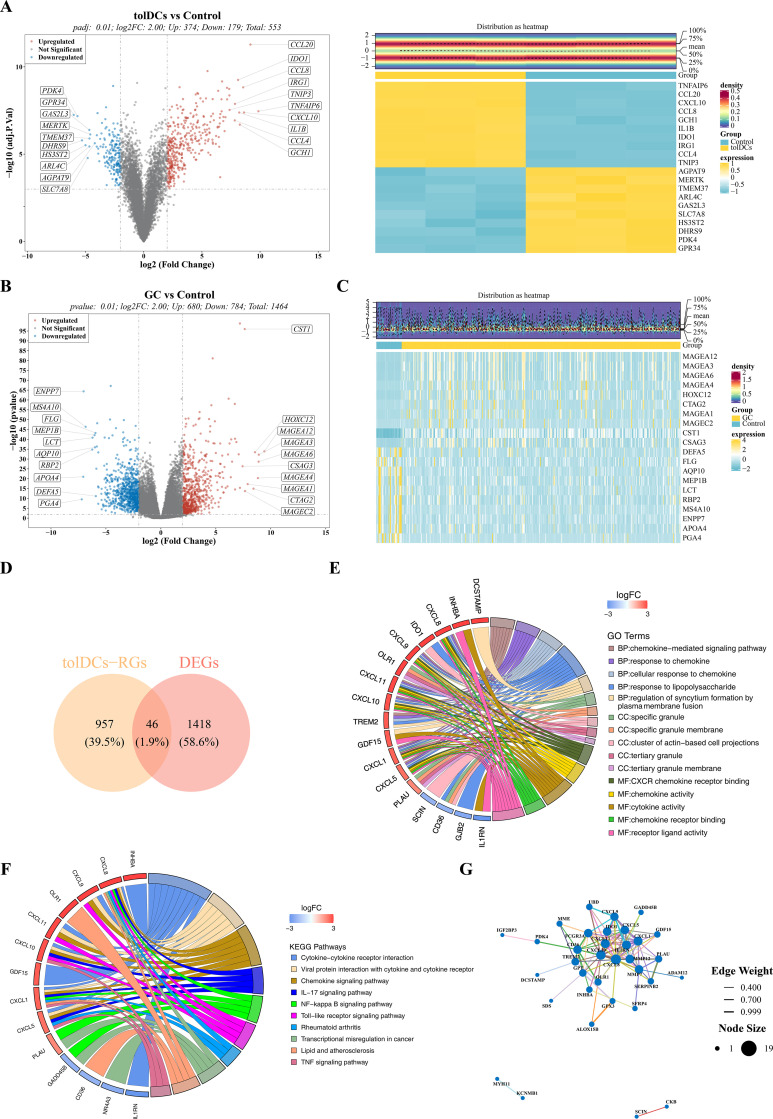 Figure 2
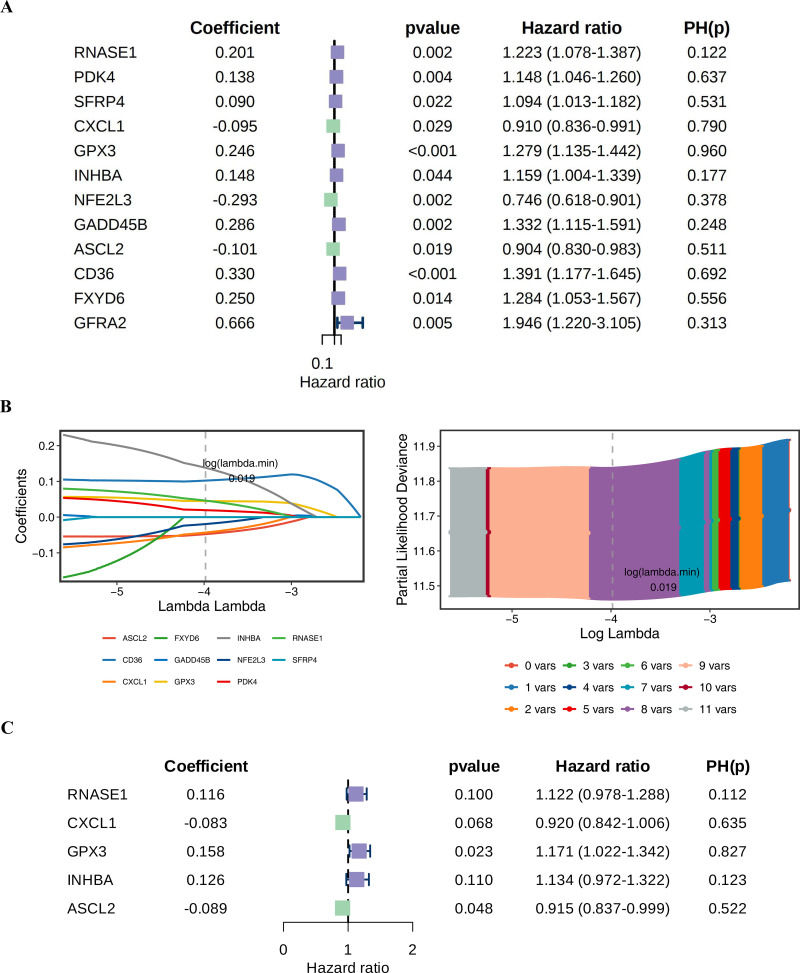 Figure 3
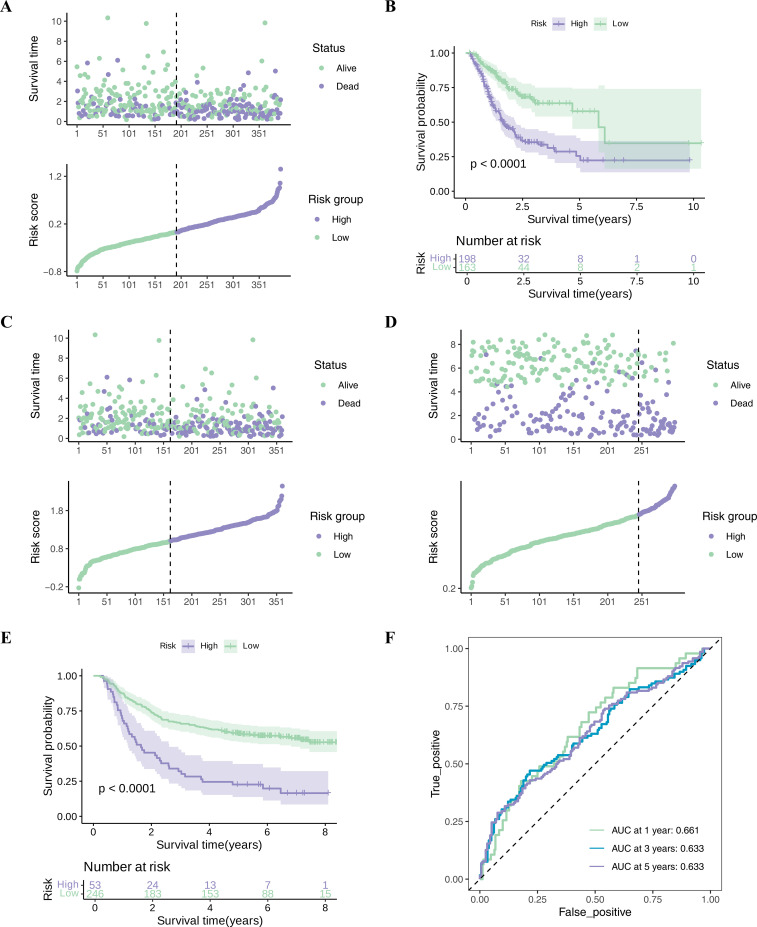 Figure 4
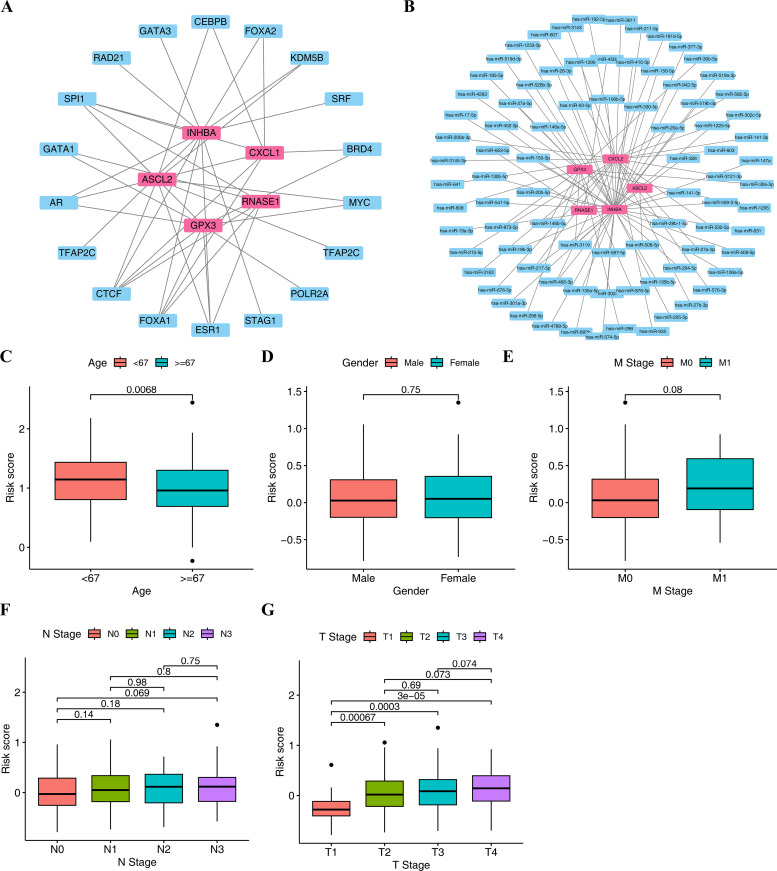 Figure 5
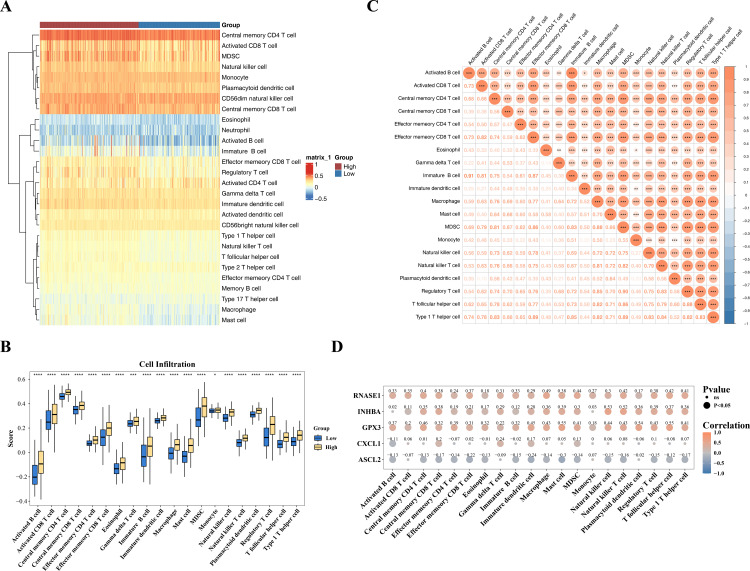 Figure 6
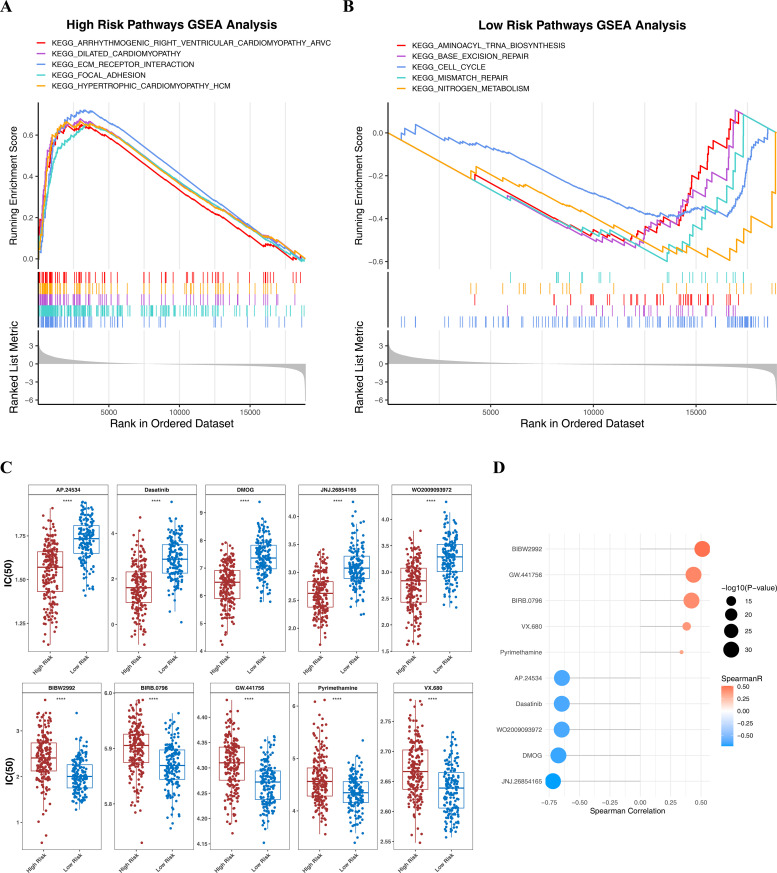 Figure 7
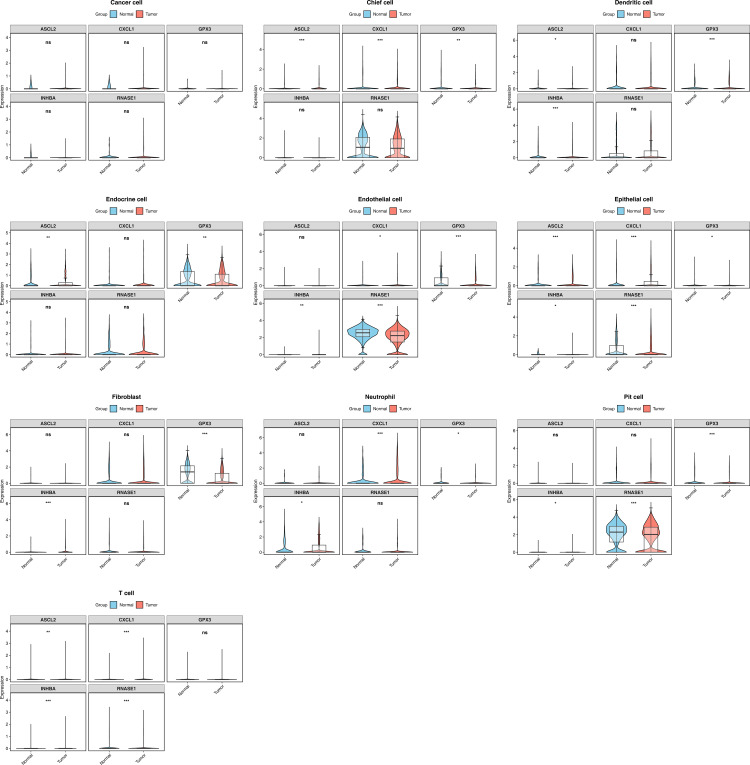 Figure 8
Peer Reviews
No public reviews on file for this paper yet. If you reviewed it on a platform where reviews are public (OpenReview, ICLR, NeurIPS, ICML), you can paste yours below so the community can read it here.
Videos
No videos yet. Explain this paper in a talk, walkthrough, or lecture? Add one.
Taxonomy
TopicsImmunotherapy and Immune Responses · Cancer Immunotherapy and Biomarkers · Chemokine receptors and signaling