Meningococcal carriage and transmission dynamics in college students in Louisville, Kentucky
Forest W. Arnold, Leslie Wolf Parrish, Subathra Marimuthu, Jamie Findlow, Angela Quinn, Vidyulata Salunkhe, Daniya Sheikh, Phillip Bressoud, T’shura Ali, Dawn Balcom, Mohammad Ali, Ryan S. Doster, Deepti Deepti, Mohammad Tahboub, Fama Ndiaye, Jay Lucidarme, Stephen A. Clark

TL;DR
This study tracked meningococcal carriage in college students over a semester, finding increased colonization rates and the dominance of genogroup B, with no ACWY strains due to vaccination.
Contribution
The study provides updated insights into meningococcal carriage dynamics in vaccinated college students during and post-COVID.
Findings
N. meningitidis colonization increased from 3.5% to 5.7% over three months.
Genogroup B was the most common, with no ACWY strains detected due to vaccination.
Risk factors included being a second-year student, campus living, and certain social behaviors.
Abstract
Neisseria meningitidis is a cause of meningitis and outbreaks of it among young adults, especially college students. Rates of nasopharyngeal colonization and prevalence of specific capsular groups vary with age, geography as well as time, and may be influenced by meningococcal vaccination. The objective of this study was to measure the change in colonization rate, and define which meningococcal genogroups were present, in college students over a 3-month semester. This was a prospective, longitudinal cohort study with sequential oropharyngeal swabbing among college students at the University of Louisville (UofL) in Louisville, Kentucky from August to November 2022. Participants were ≥18 years of age and were enrolled within 48 hours of moving to campus-affiliated housing. Oropharyngeal swabs were collected at enrollment, one month and at three months. Samples were screened for N.…
Genes, proteins, chemicals, diseases, species, mutations and cell lines named across the full text — each resolved to its canonical identifier and authoritative record.
Click any figure to enlarge with its caption.
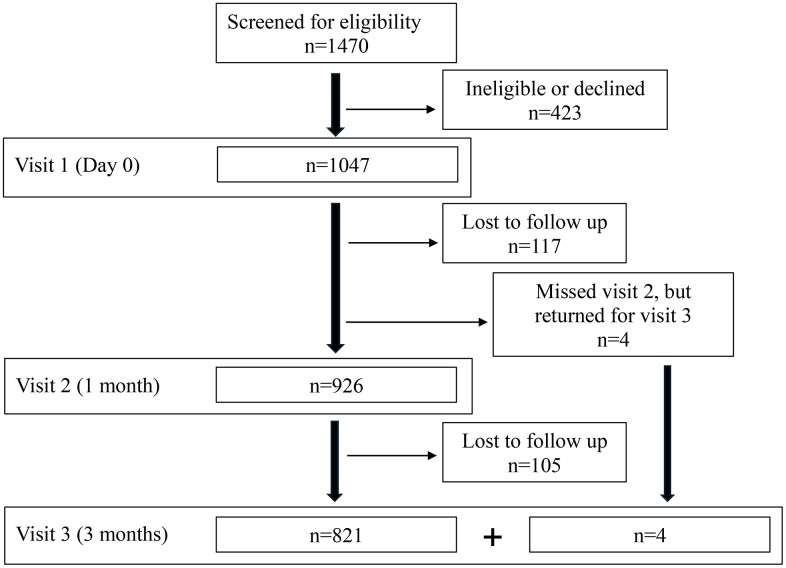 Figure 1
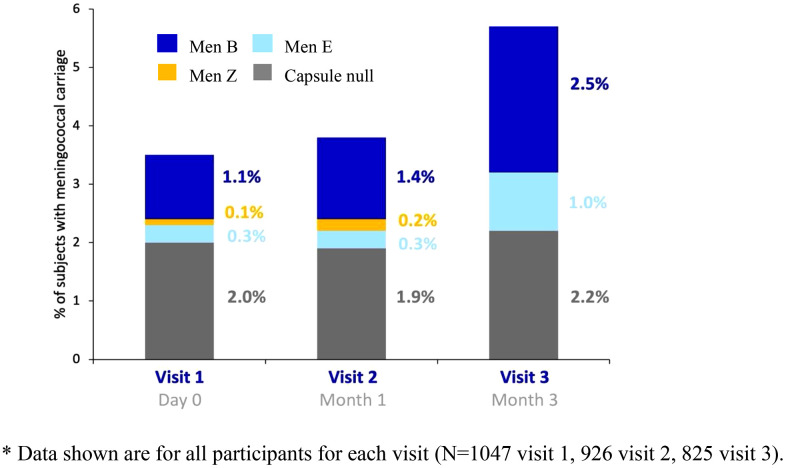 Figure 2
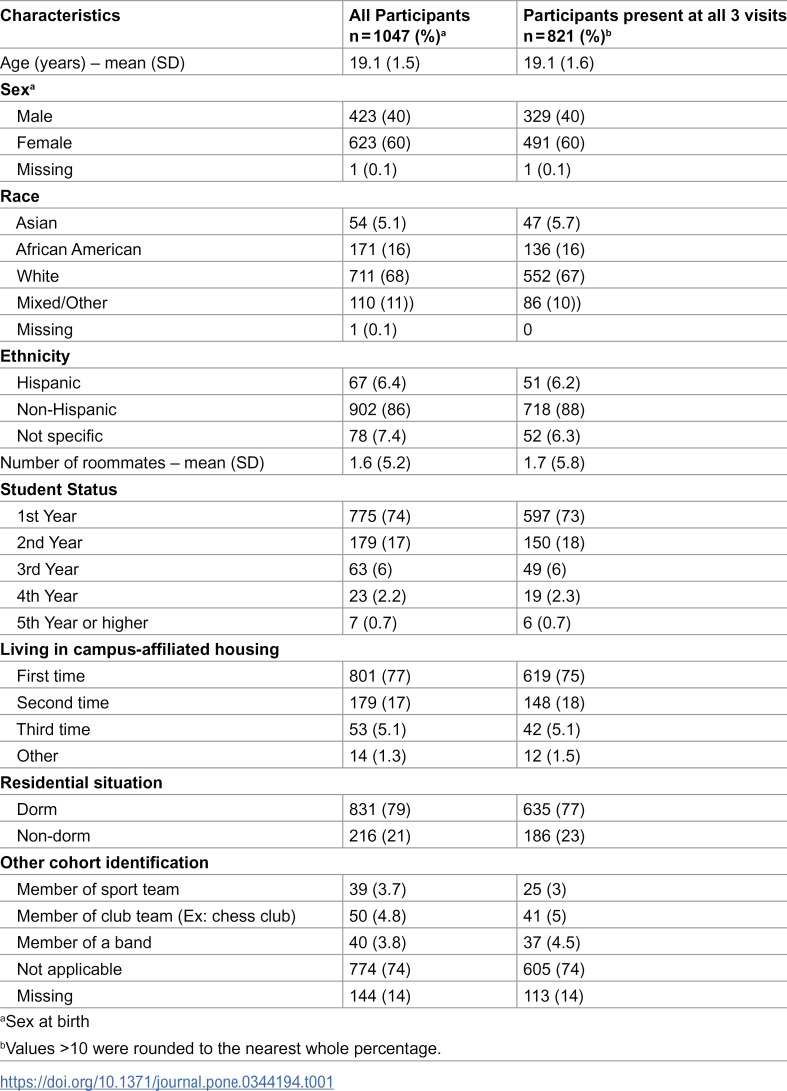 Figure 3
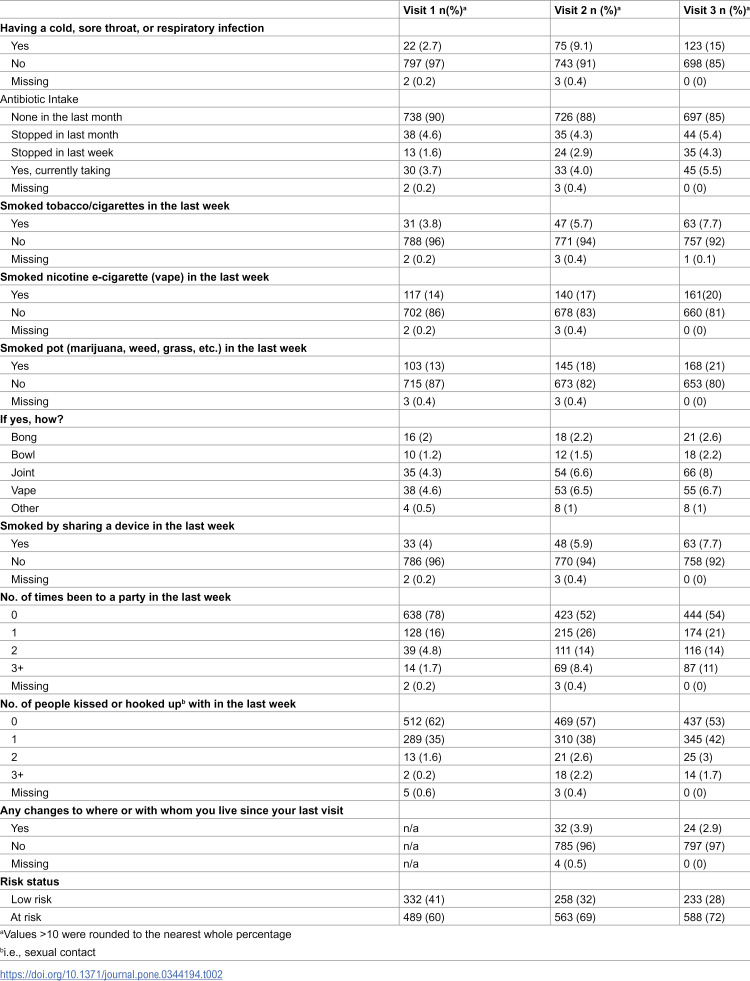 Figure 4
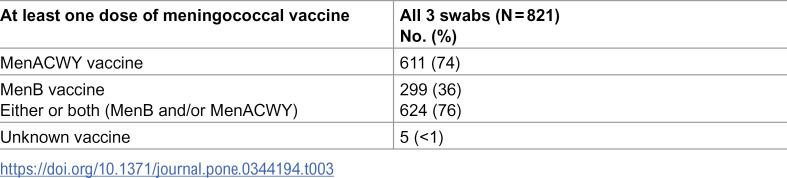 Figure 5
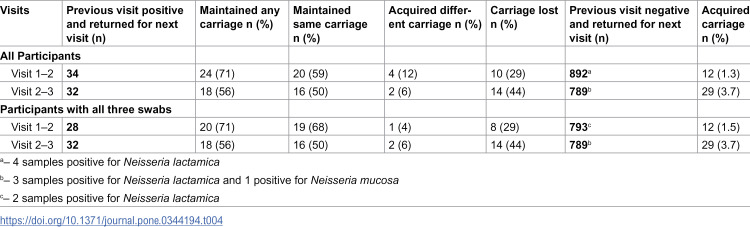 Figure 6
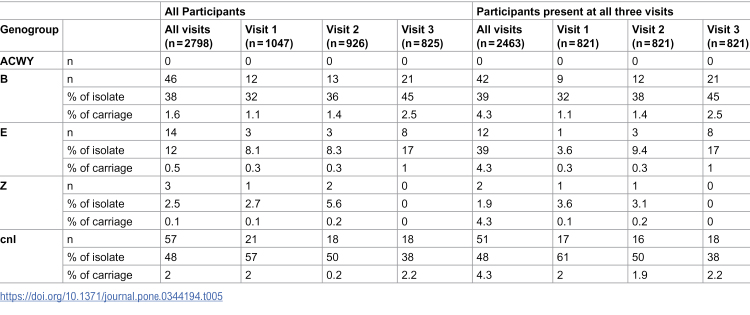 Figure 7
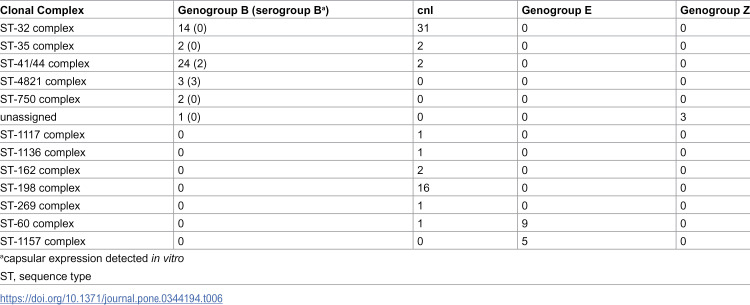 Figure 8
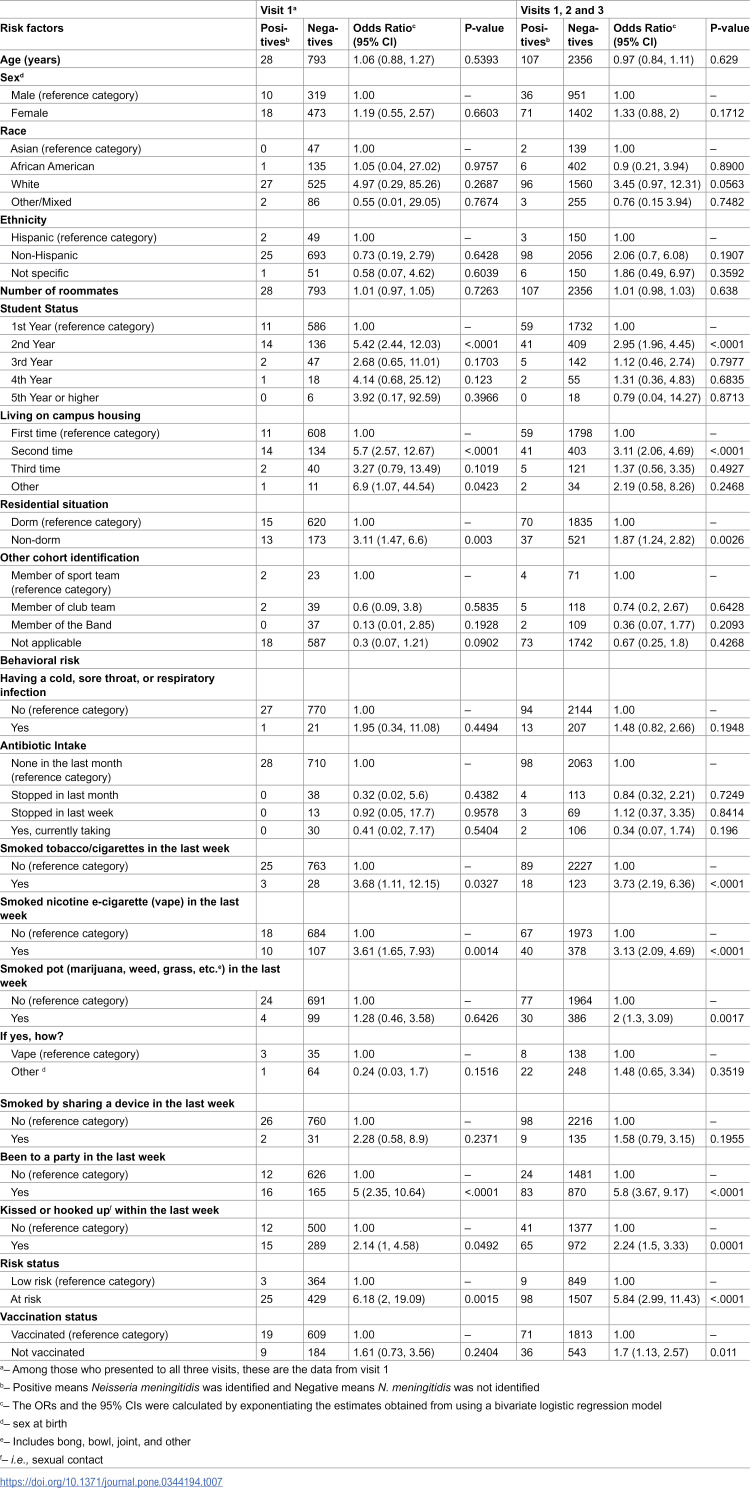 Figure 9
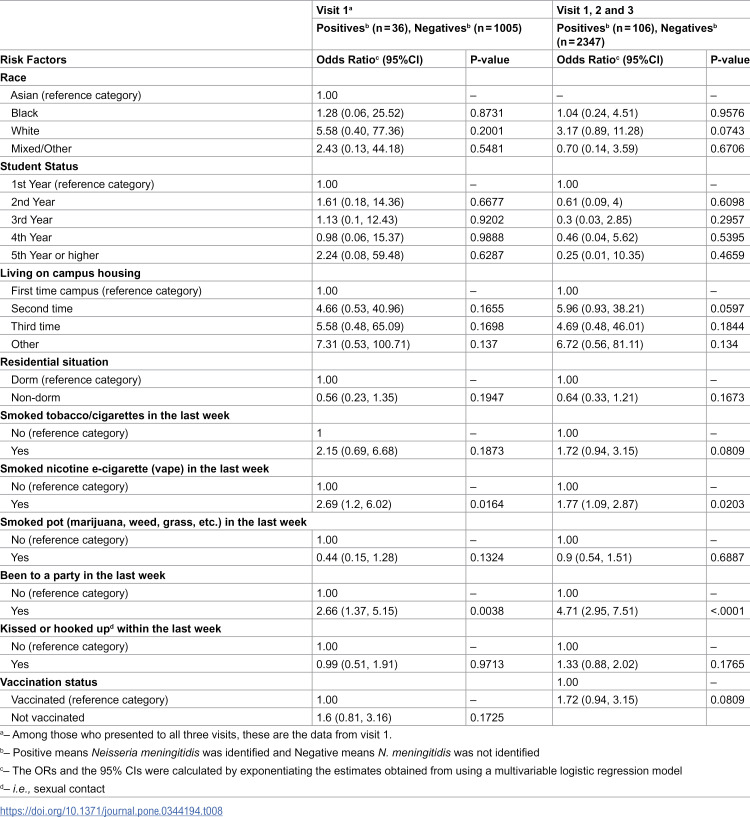 Figure 10
Peer Reviews
No public reviews on file for this paper yet. If you reviewed it on a platform where reviews are public (OpenReview, ICLR, NeurIPS, ICML), you can paste yours below so the community can read it here.
Videos
No videos yet. Explain this paper in a talk, walkthrough, or lecture? Add one.
Taxonomy
TopicsBacterial Infections and Vaccines · Reproductive tract infections research · Pneumonia and Respiratory Infections