Longitudinal assessment of fluorescence stability shows fluorescence intensity decreases over time: implications for fluorescence microscopy studies
Sean C. Sweat, Sarah P. R. Berg, Tenzin Kunkhyen, Emma G. Foster, Claire E. J. Cheetham

TL;DR
This study shows that fluorescence intensity in IHC decreases over time, affecting data reliability and suggesting best practices for imaging.
Contribution
The study reveals that fluorescence intensity decreases over time and is influenced by antibody selection and staining methods.
Findings
Fluorescence intensity decreases over a six-week period in IHC.
The extent of decrease depends on primary and secondary antibody choices and staining methods.
These findings highlight the need for optimized imaging practices in fluorescence microscopy.
Abstract
Immunohistochemistry (IHC) is one of the most widely used techniques across basic, translational, and clinical sciences. Key considerations need to be made to achieve reliable and robust IHC staining, however what has been understudied is the stability of IHC signal intensity over time. Changes in signal intensity over time have significant implications for data analysis and interpretation and ultimately impact scientific conclusions. In order to explore changes in IHC signal, the stability of fluorescence intensity was assessed over the course of six weeks using widefield or confocal microscopy. Results indicate that fluorescence intensity can decrease over this time course and that whether this decrease occurs and to what extent is influenced by the selection of the primary antibody as well as that of the secondary antibody, primary-secondary antibody combination, and utilization of…
Genes, proteins, chemicals, diseases, species, mutations and cell lines named across the full text — each resolved to its canonical identifier and authoritative record.
Click any figure to enlarge with its caption.
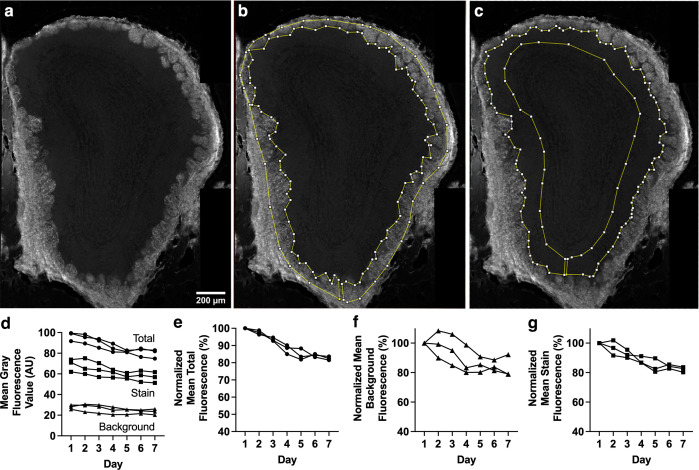 Figure 1
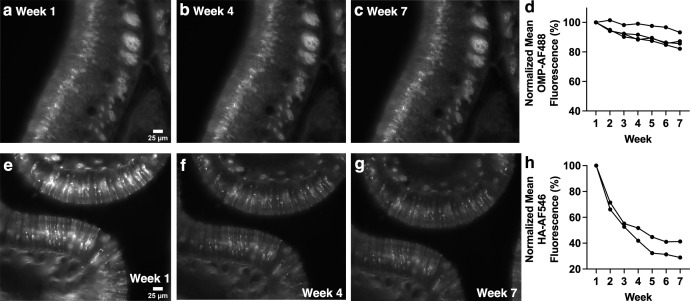 Figure 2
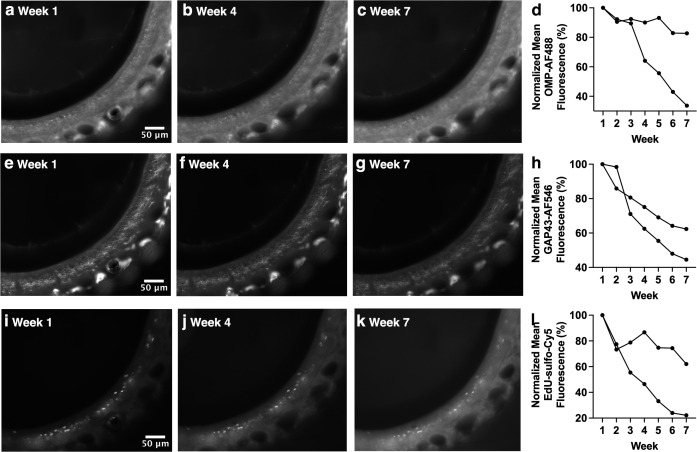 Figure 3
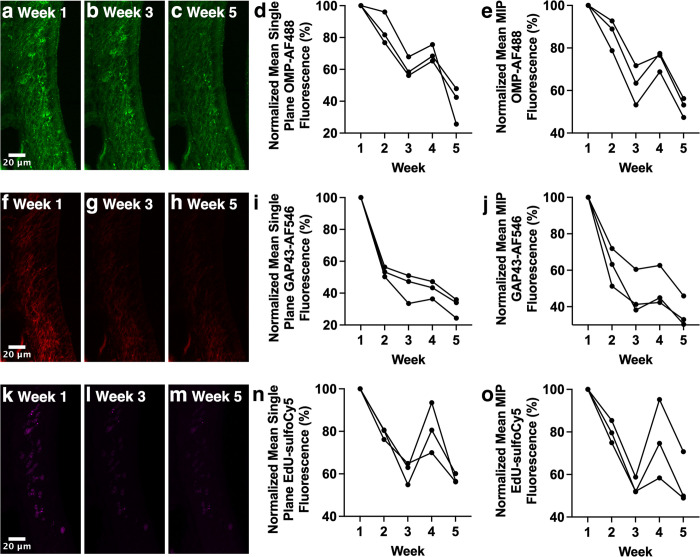 Figure 4
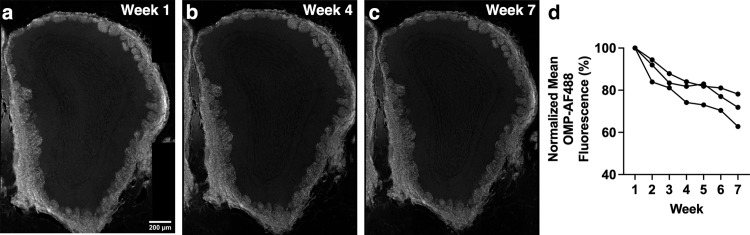 Figure 5
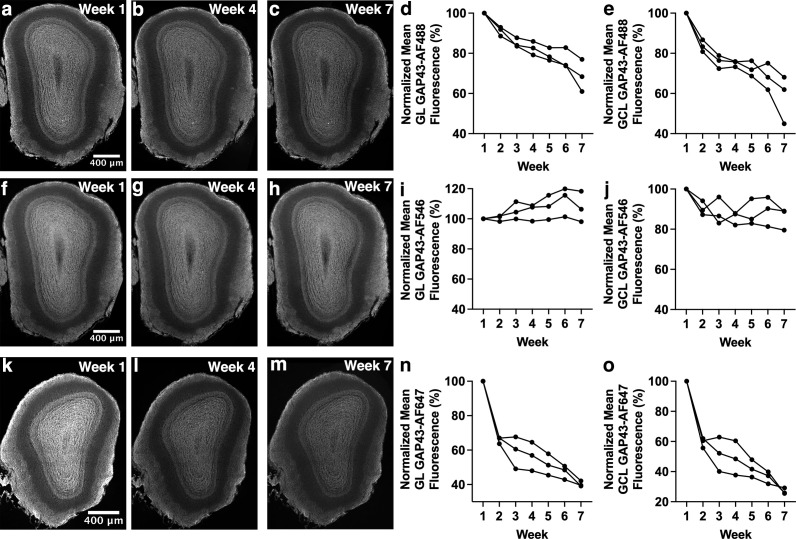 Figure 6
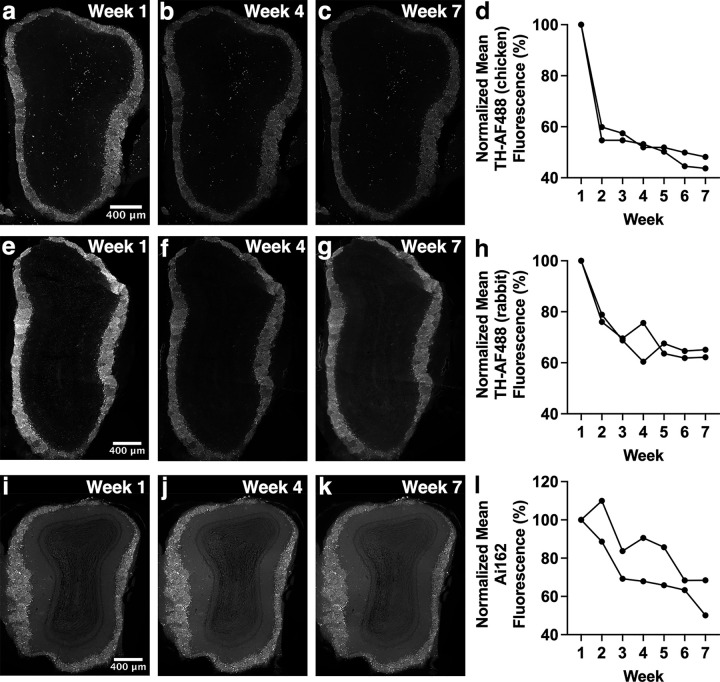 Figure 7
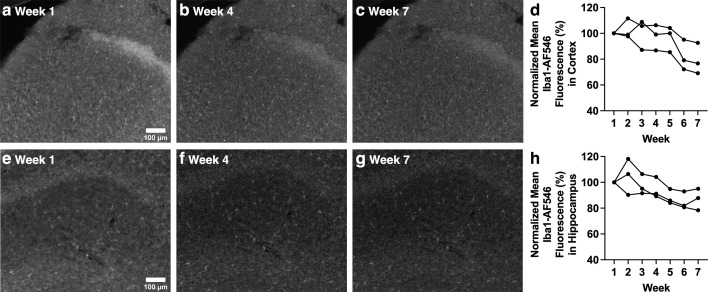 Figure 8
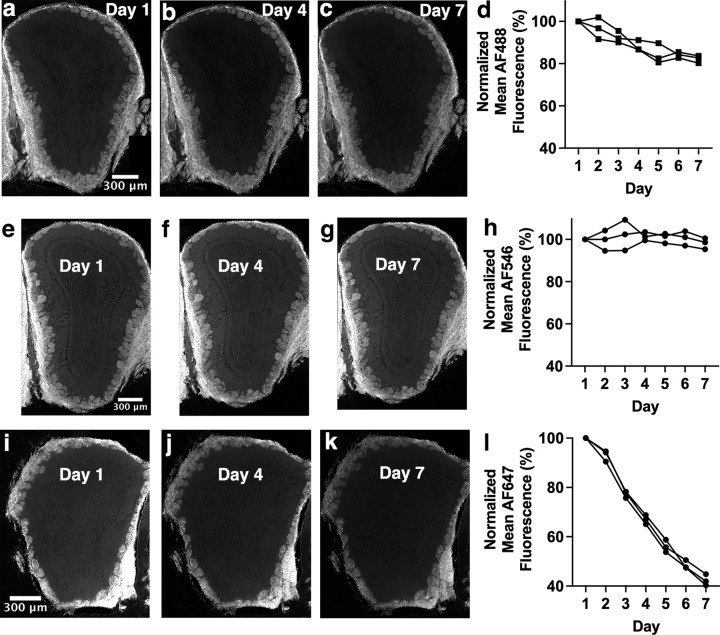 Figure 9
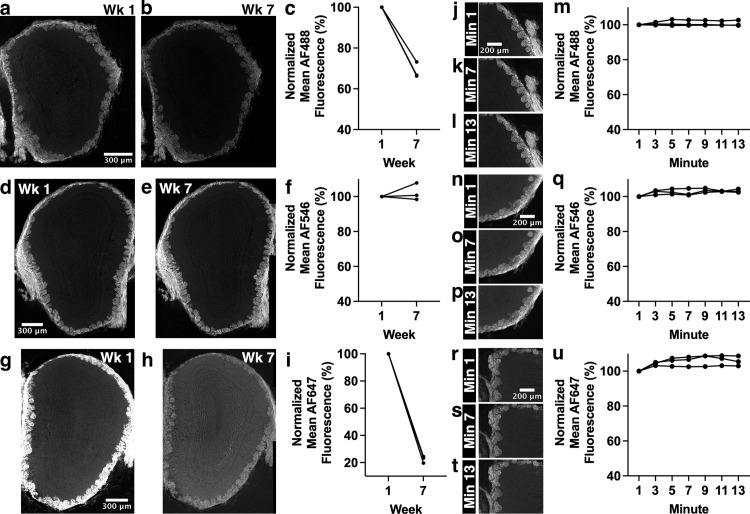 Figure 10
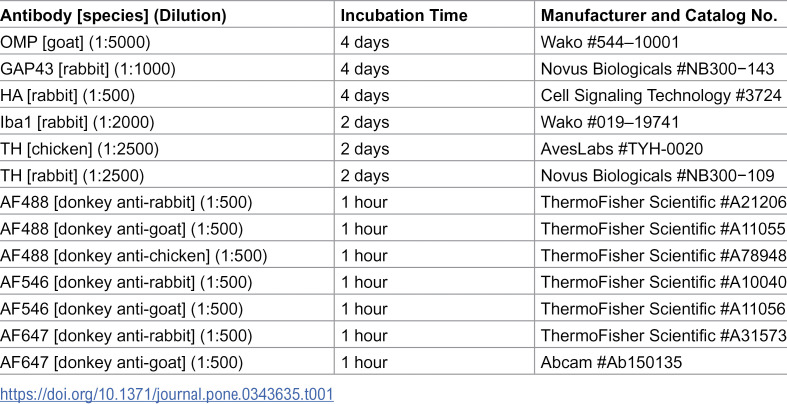 Figure 11
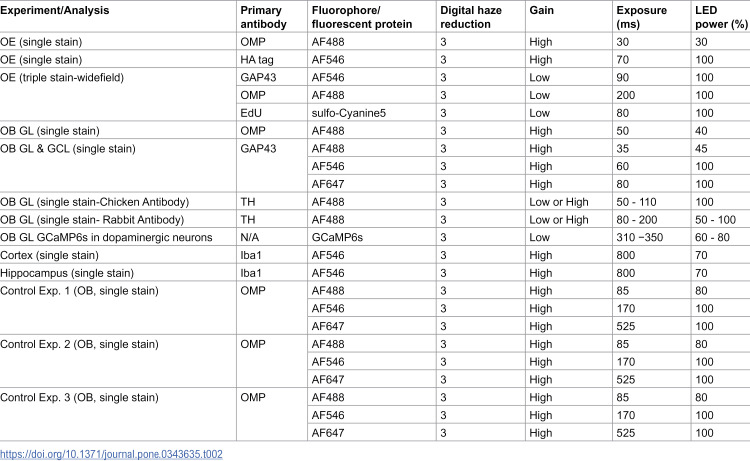 Figure 12
 Figure 13
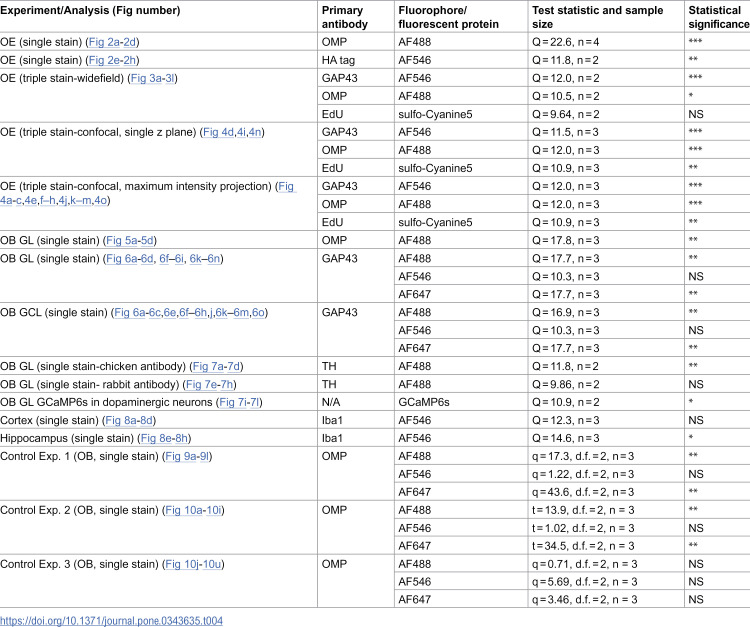 Figure 14
Peer Reviews
No public reviews on file for this paper yet. If you reviewed it on a platform where reviews are public (OpenReview, ICLR, NeurIPS, ICML), you can paste yours below so the community can read it here.
Videos
No videos yet. Explain this paper in a talk, walkthrough, or lecture? Add one.
Taxonomy
TopicsHER2/EGFR in Cancer Research · Advanced Fluorescence Microscopy Techniques · Molecular Biology Techniques and Applications