When Do Generics Feel Justifiable? A Registered Report Bridging Key Theories
Felix Hermans, Walter Schaeken, Susanne Bruckmüller, Vera Hoorens

TL;DR
This study explores how people decide if general statements about groups are justifiable, testing theories related to usefulness and statistical prevalence.
Contribution
The paper introduces a registered study comparing pragmatic and statistical theories of generic justifiability through controlled experimental manipulations.
Findings
Participants' judgments of generic justifiability were influenced by feature dangerousness and prevalence.
The study found divergent patterns of effects that help distinguish between competing theories of generic reasoning.
Results provide insights into cognitive mechanisms underlying how people evaluate generalizations about groups.
Abstract
Bare plural generics (‘generics’ for short) attribute a feature to members of a category without specifying how many actually possess the feature (e.g., ‘Belgians love fries’). Generics are often used to perpetuate stereotypes and misinformation, yet researchers from many different fields disagree about how people decide what justifies a generic. This has led to a wide variety of theories on how people reason with generics. Pragmatic theories state that people find generics justifiable if they express knowledge that is useful (e.g., for survival or efficient transmission of knowledge). Statistical theories state that people find generics justifiable if the distribution of the features in the involved categories satisfies certain criteria. We compared the predictions of several influential theories in a registered study where participants, in each trial, saw the distribution of a feature…
Genes, proteins, chemicals, diseases, species, mutations and cell lines named across the full text — each resolved to its canonical identifier and authoritative record.
Click any figure to enlarge with its caption.
 Figure 1
 Figure 2
 Figure 3
 Figure 4
 Figure 5
 Figure 6
 Figure 7
 Figure 8
 Figure 9
 Figure 10
 Figure 11
 Figure 12
 Figure 13
 Figure 14
 Figure 15
 Figure 16
 Figure 17
 Figure 18
 Figure 19
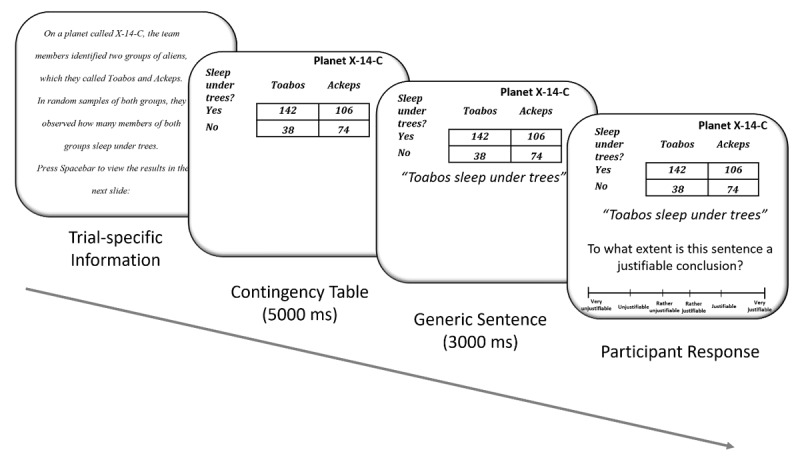 Figure 20
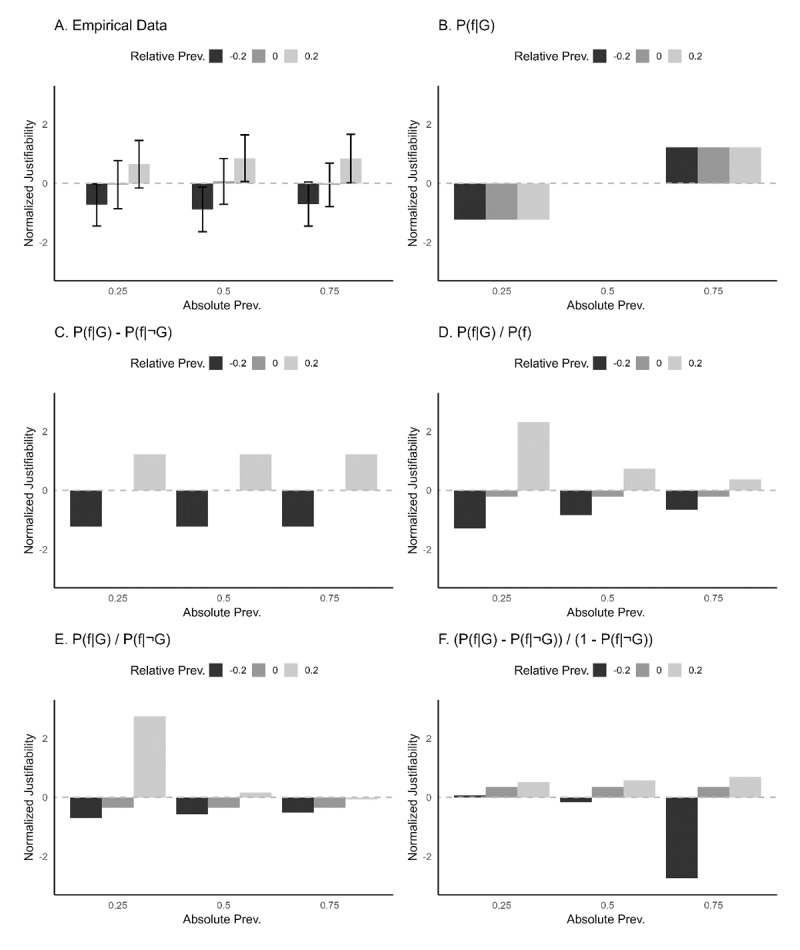 Figure 21
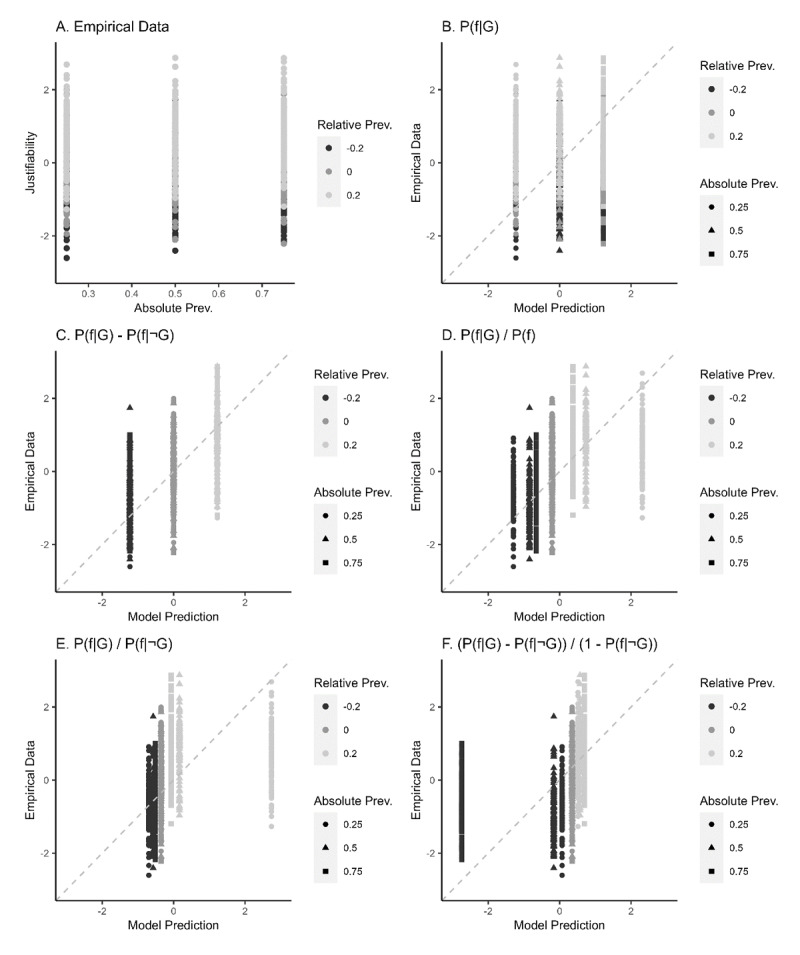 Figure 22
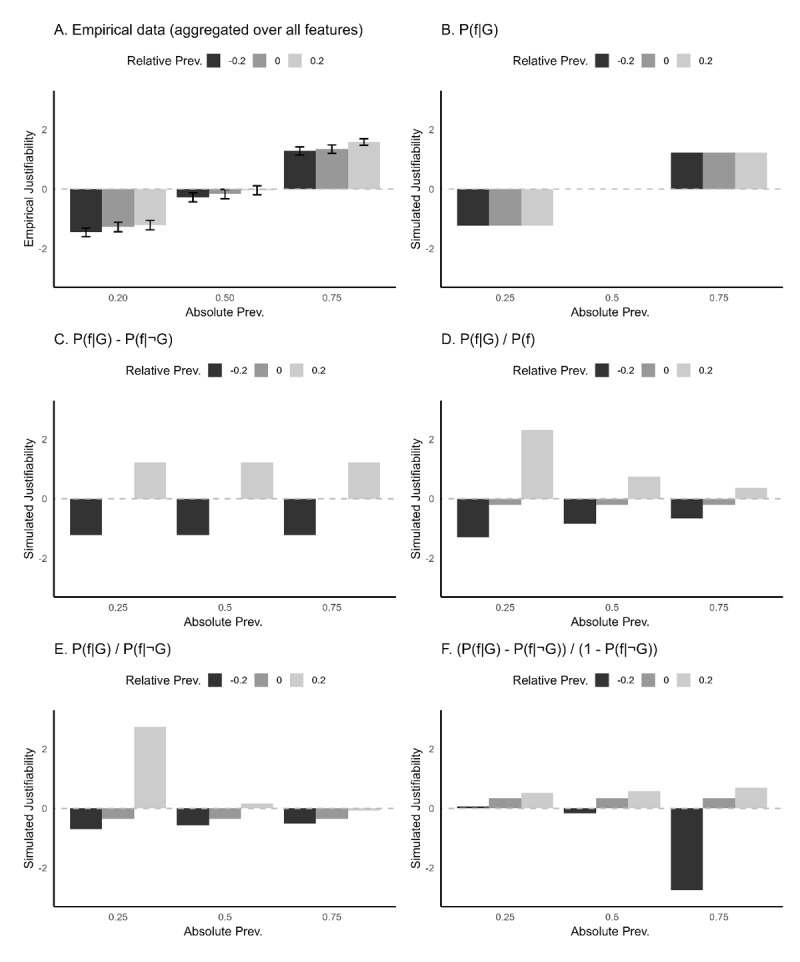 Figure 23
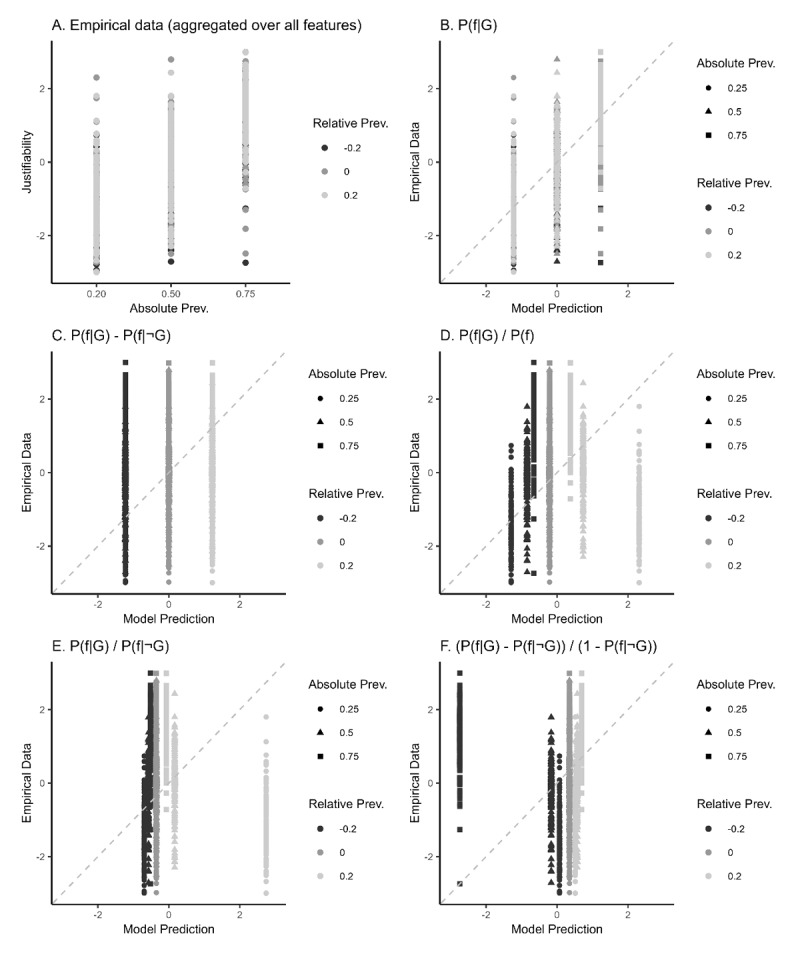 Figure 24
Peer Reviews
No public reviews on file for this paper yet. If you reviewed it on a platform where reviews are public (OpenReview, ICLR, NeurIPS, ICML), you can paste yours below so the community can read it here.
Videos
No videos yet. Explain this paper in a talk, walkthrough, or lecture? Add one.
Taxonomy
TopicsChild and Animal Learning Development · Social and Intergroup Psychology · Educational Strategies and Epistemologies