Subtle Gaze and Pupil Dynamics: Detecting Recognition of Familiar Faces with Moving Serial Visual Presentation
Ivory Y. Chen, Sebastiaan Mathôt, Elkan G. Akyürek

TL;DR
This study introduces a new method to detect recognition of familiar faces using eye movements and pupil dilation, showing improved detection rates compared to previous techniques.
Contribution
The novel MSVP paradigm combines serial visual presentation with lateral movements to enhance pupil-based detection of familiar information.
Findings
Pupil dilation and its rate of change increased significantly in response to familiar faces.
Classification based on pupil size change achieved higher detection rates than previous RSVP-based methods.
Eye movement measures contributed little to detecting familiar-face processing.
Abstract
A major limitation of the traditional concealed information test (CIT) is its susceptibility to countermeasures. Rapid serial visual presentation (RSVP) paradigms improve resilience against countermeasures, and pupil dilation has been shown to indicate recognition of personally familiar information in the RSVP paradigm. Here, we introduce a novel variation of the RSVP paradigm, Moving Serial Visual Presentation (MSVP), that aims to improve individual detection by incorporating eye gaze and pupil dilation. We combined serial visual presentation with lateral movements to capitalize on pursuit eye movements and pupil size for detecting involuntary recognition and goal-driven suppression of familiar information. Across two experiments, either a target face, a personally familiar face (the participant’s parent), or one of two control faces appeared in a stream. In Experiment 1, participants…
Genes, proteins, chemicals, diseases, species, mutations and cell lines named across the full text — each resolved to its canonical identifier and authoritative record.
Click any figure to enlarge with its caption.
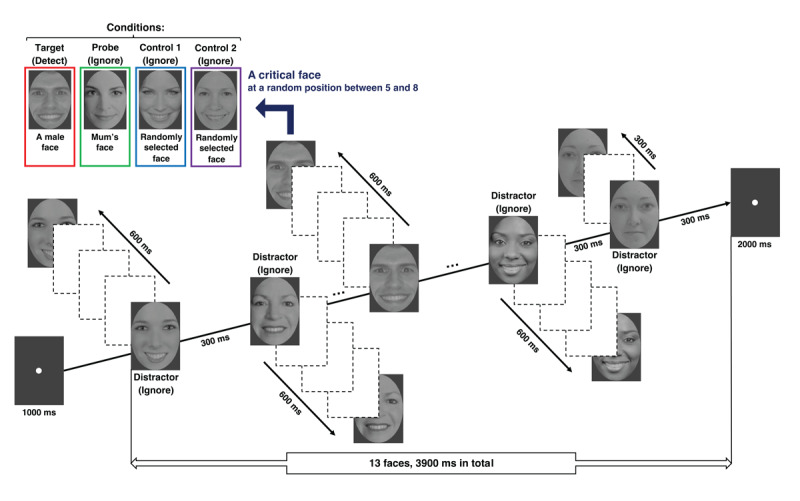 Figure 1
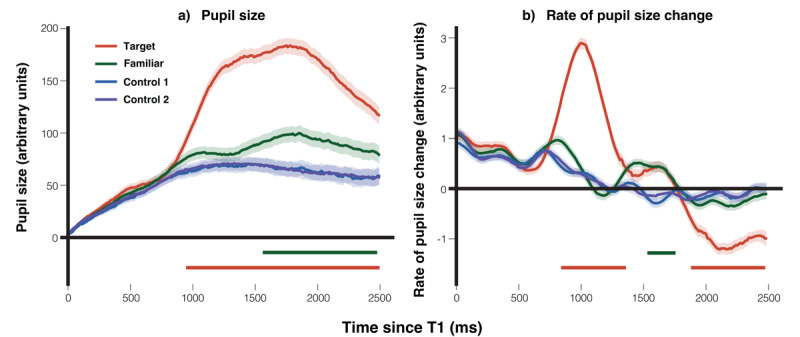 Figure 2
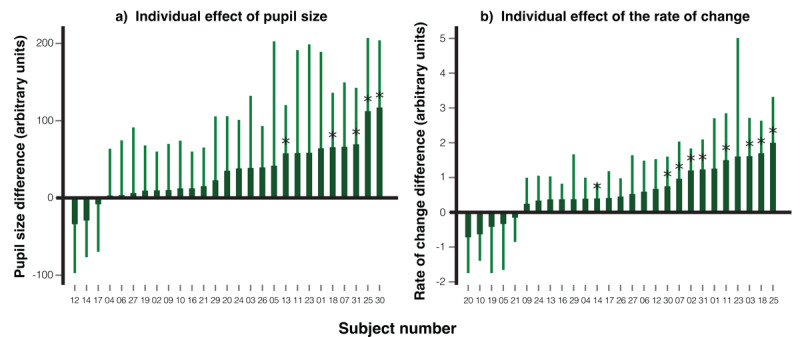 Figure 3
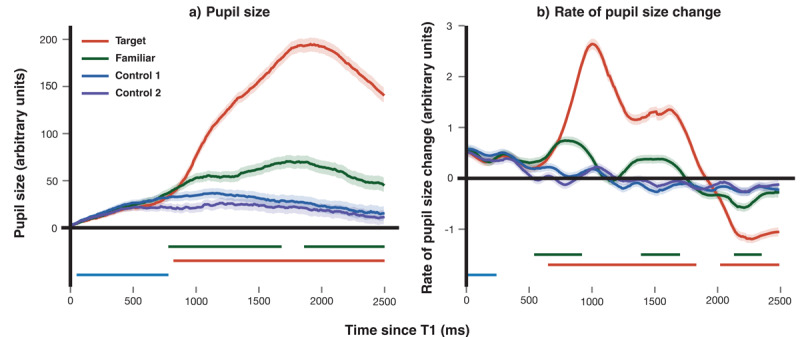 Figure 4
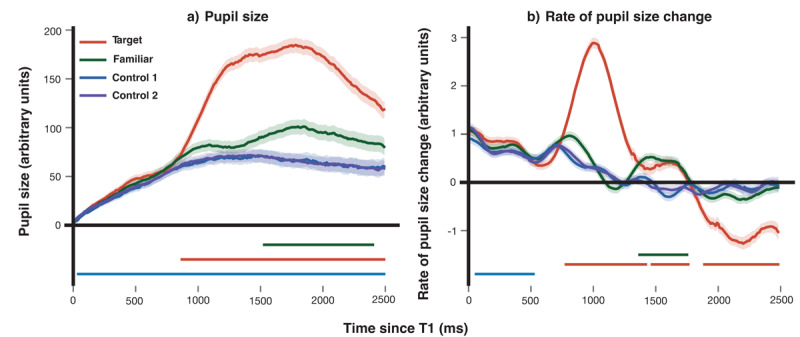 Figure 5
 Figure 6
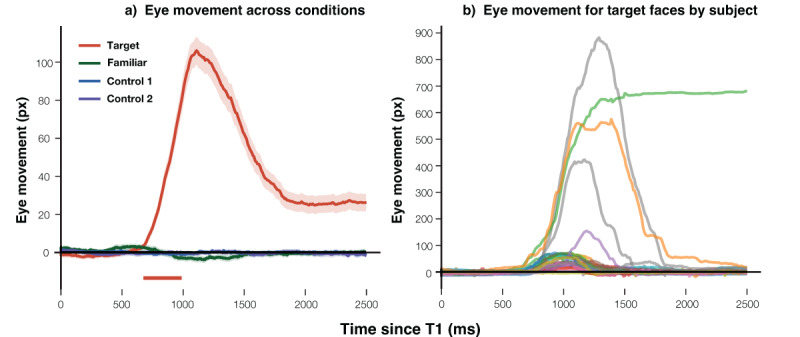 Figure 7
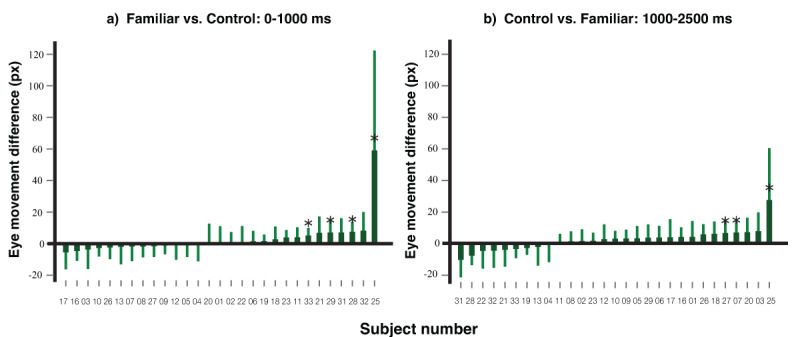 Figure 8
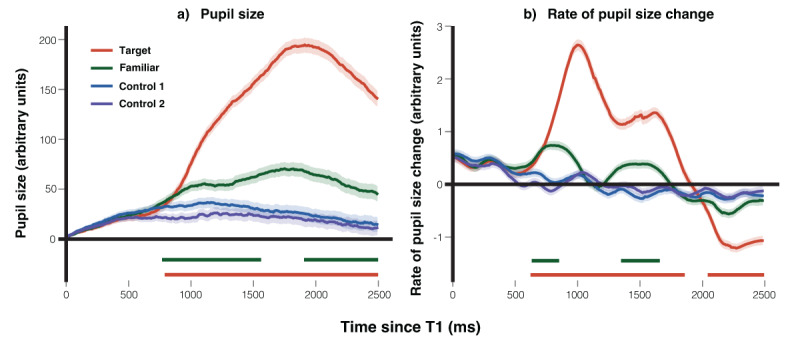 Figure 9
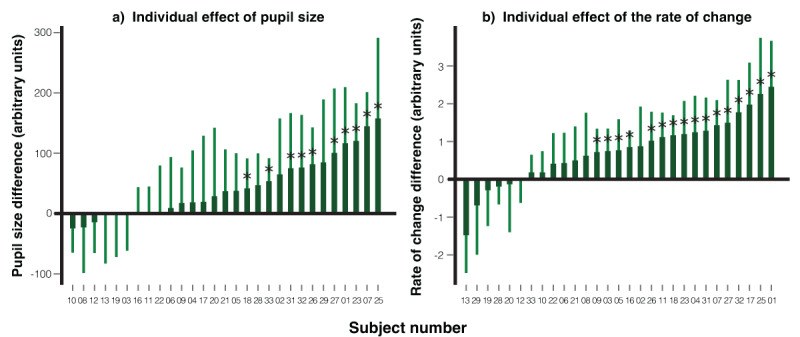 Figure 10
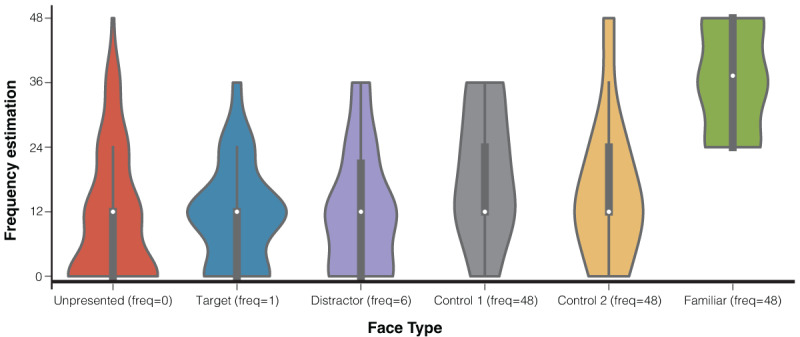 Figure 11
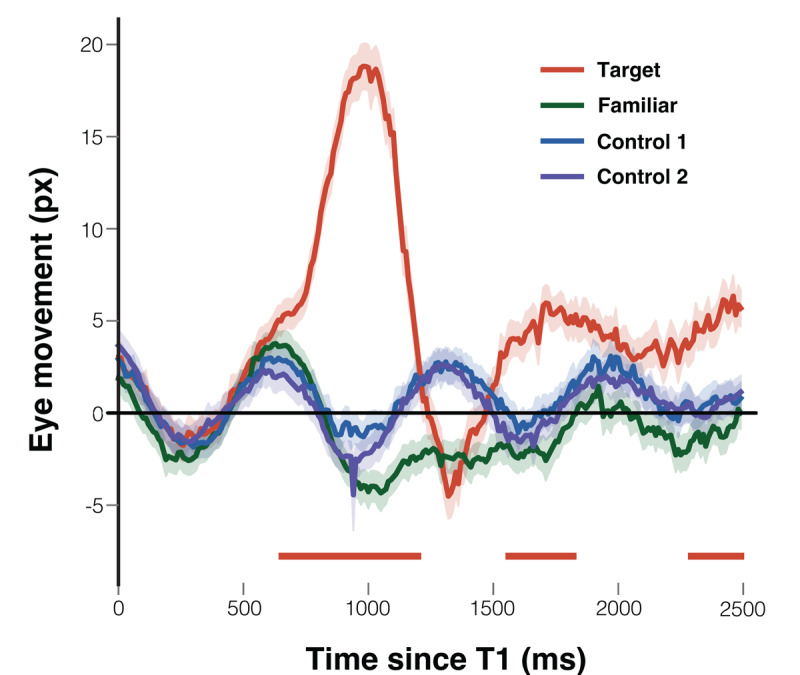 Figure 12
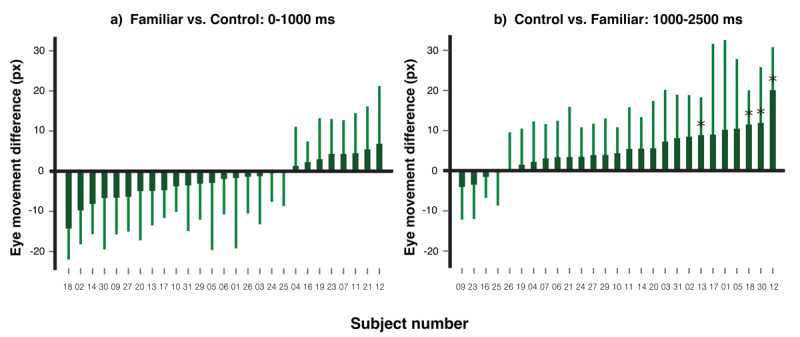 Figure 13
Peer Reviews
No public reviews on file for this paper yet. If you reviewed it on a platform where reviews are public (OpenReview, ICLR, NeurIPS, ICML), you can paste yours below so the community can read it here.
Videos
No videos yet. Explain this paper in a talk, walkthrough, or lecture? Add one.
Taxonomy
TopicsFace Recognition and Perception · Gaze Tracking and Assistive Technology · Face recognition and analysis