Isolated Sixth Cranial Nerve Palsy as the First Presenting Sign of MOG Antibody-Associated Disease in a Three-Year-Old Child
Courtney Healey, Lloyd Bender, Anna Zatorska, Lucas (Tadeusz) Ginter

TL;DR
A three-year-old child presented with isolated sixth cranial nerve palsy as the first sign of MOG antibody-associated disease, highlighting its rare presentation in children.
Contribution
This case report highlights isolated sixth cranial nerve palsy as a rare initial symptom of MOGAD in a pediatric patient.
Findings
The child had positive MOG antibodies and MRI showed acute demyelination in the pons and cerebellum.
Treatment with intravenous methylprednisolone improved the condition, showing favorable outcomes in MOGAD.
Isolated cranial nerve palsies are rare but should be considered in the differential diagnosis of MOGAD in children.
Abstract
Myelin oligodendrocyte glycoprotein antibody-associated disease (MOGAD) is a neurological, autoimmune, demyelinating disorder. Clinical phenotypes differ between adults and children, and MOGAD is more commonly observed in the paediatric population compared to the adult population. Cases of isolated cranial nerve palsies as initial clinical phenotypes of MOGAD are rarely reported in the literature. Here, we report a child who presented with an isolated left sixth cranial nerve palsy as the initial sign of anti-myelin oligodendrocyte glycoprotein antibody associated disease (MOGAD). In this case study, we report on a three-year-old female known to the orthoptic and paediatric ophthalmology services due to an intermittent exotropia. The same child later develops an acute convergent deviation of the left eye preceded by a viral illness with no other systemic symptoms. This case reports on…
Genes, proteins, chemicals, diseases, species, mutations and cell lines named across the full text — each resolved to its canonical identifier and authoritative record.
Click any figure to enlarge with its caption.
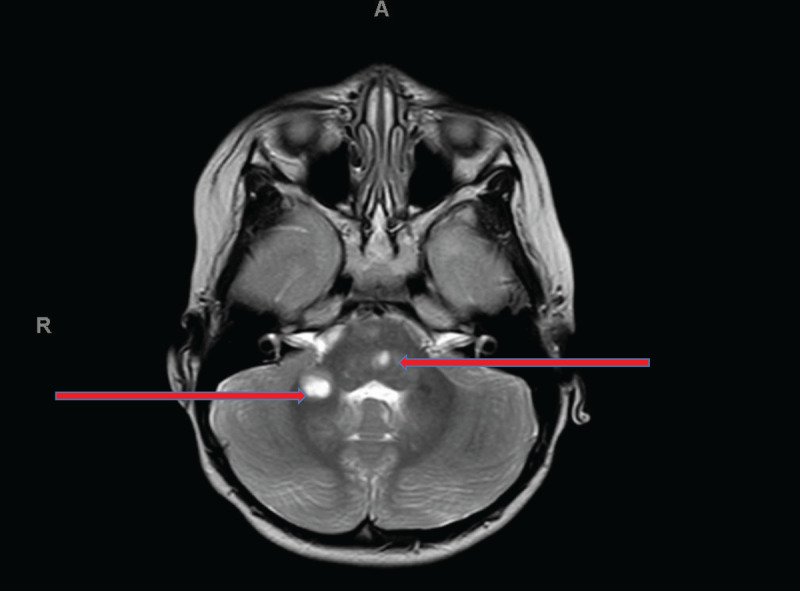 Figure 1
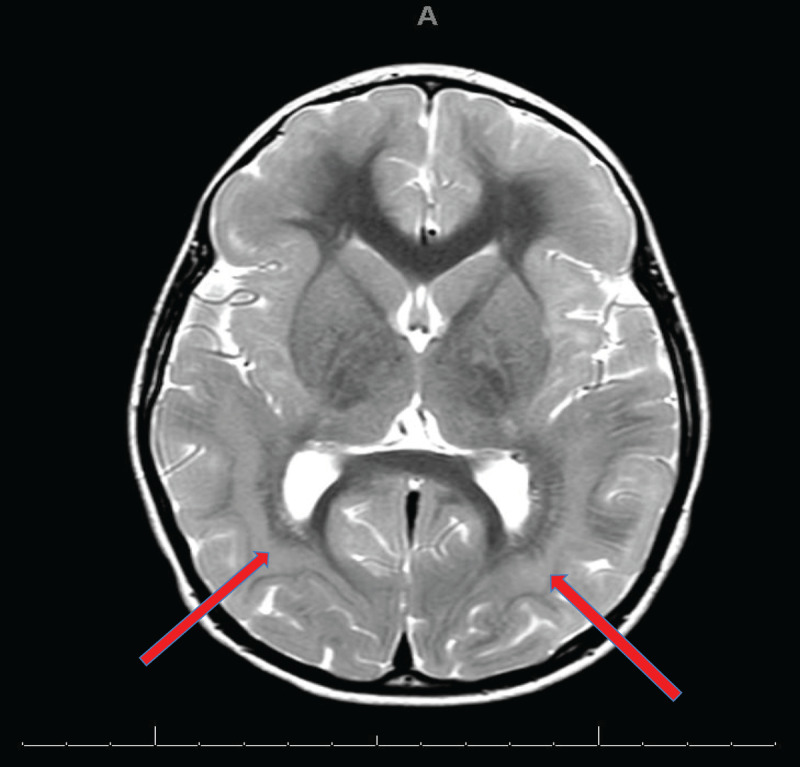 Figure 2
Peer Reviews
No public reviews on file for this paper yet. If you reviewed it on a platform where reviews are public (OpenReview, ICLR, NeurIPS, ICML), you can paste yours below so the community can read it here.
Videos
No videos yet. Explain this paper in a talk, walkthrough, or lecture? Add one.
Taxonomy
TopicsAutoimmune Neurological Disorders and Treatments · Multiple Sclerosis Research Studies · Peripheral Neuropathies and Disorders