Transcriptomic Adjustment to Decreasing Oxygen Reveals Novel Functional Strategies for Extreme Hypoxia Tolerance in the Copepod Tigriopus californicus
Matthew J Powers, Felipe S Barreto

TL;DR
This study explores how the copepod Tigriopus californicus survives extreme low oxygen conditions without a key hypoxia response gene.
Contribution
The study reveals novel transcriptional strategies in T. californicus for hypoxia tolerance in the absence of HIF-α.
Findings
T. californicus lacks HIF-α but shows gene expression changes during hypoxia.
Genes related to exoskeletal modifications are uniquely expressed in response to extreme hypoxia.
Transcriptional responses include both known hypoxia-related genes and species-specific adaptations.
Abstract
Hypoxia-induced regulatory changes are well understood across aquatic and terrestrial systems. These changes are normally initiated by elements belonging to hypoxia-inducible factor (HIF) pathway. These elements generate responses that help organisms survive hypoxia, such as protein stabilization, antioxidant activity, or the switch from aerobic to anaerobic metabolism. The HIF pathway is initiated by the transcription factor HIF-α via deactivation of its repressor EGLN. However, recent work revealed that many aquatic invertebrates do not possess HIF-α or EGLN. Among these is the intertidal copepod Tigriopus californicus. Although this copepod experiences daily bouts of hypoxia, T. californicus tolerates even extended anoxia with minimal mortality. Because T. californicus lacks HIF-α, it is unclear how the transcriptional response proceeds on a fine timescale in this species and which…
Genes, proteins, chemicals, diseases, species, mutations and cell lines named across the full text — each resolved to its canonical identifier and authoritative record.
Click any figure to enlarge with its caption.
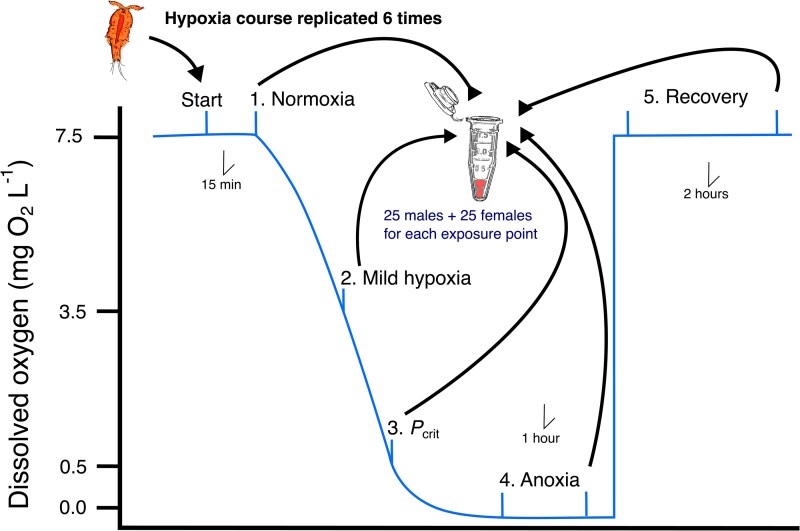 Figure 1
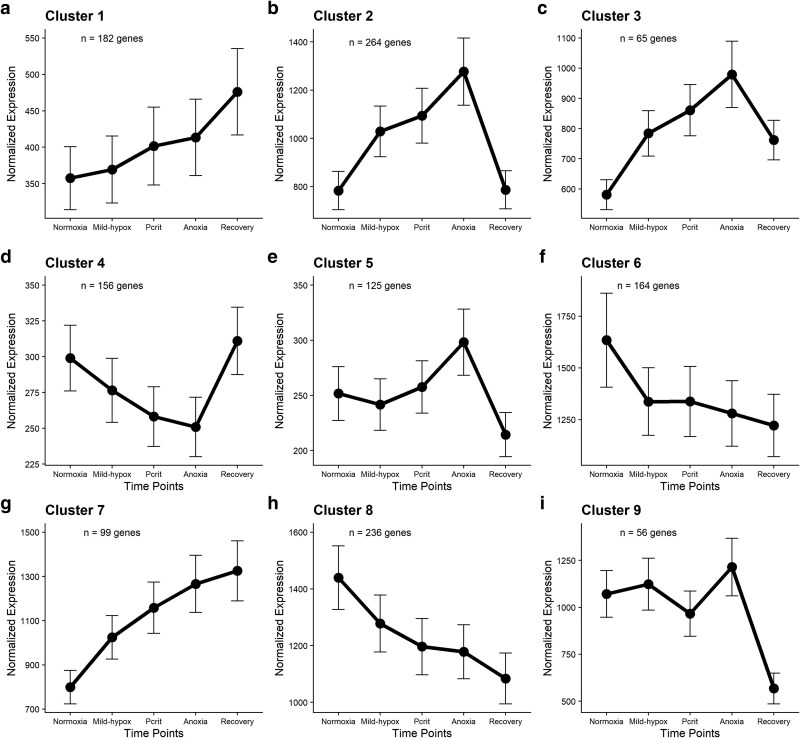 Figure 2
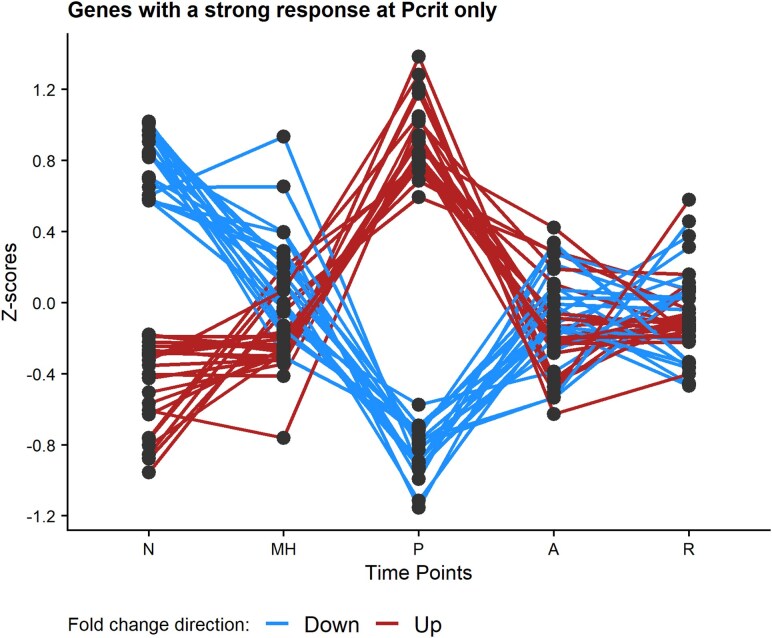 Figure 3
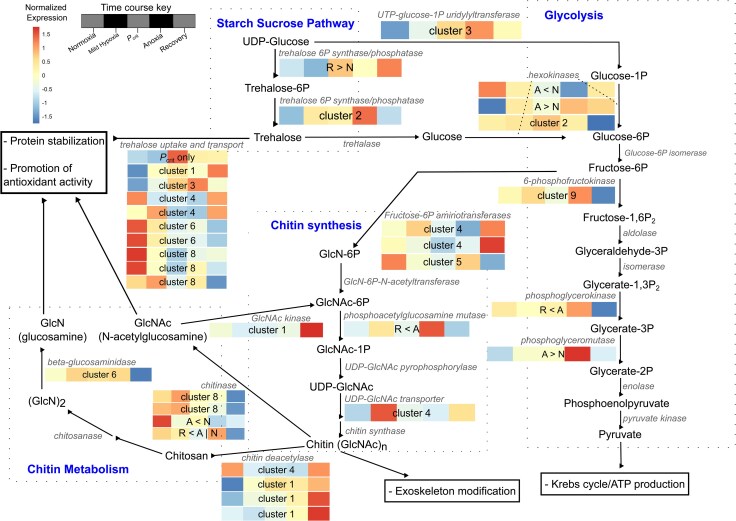 Figure 4
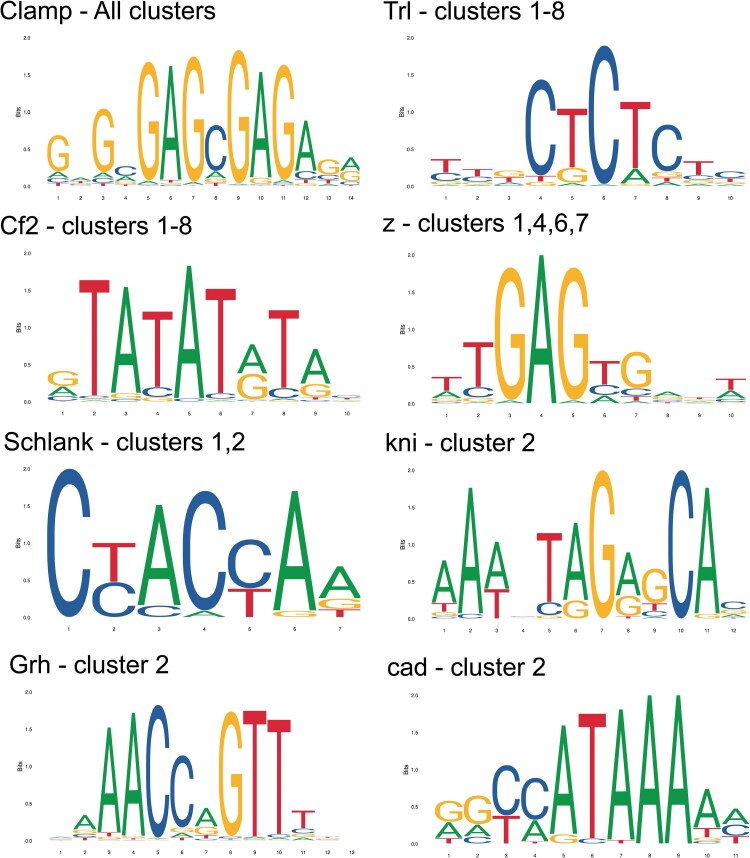 Figure 5
Peer Reviews
No public reviews on file for this paper yet. If you reviewed it on a platform where reviews are public (OpenReview, ICLR, NeurIPS, ICML), you can paste yours below so the community can read it here.
Videos
No videos yet. Explain this paper in a talk, walkthrough, or lecture? Add one.
Taxonomy
TopicsPhysiological and biochemical adaptations · Cancer, Hypoxia, and Metabolism · Plant responses to water stress