A Novel Homozygous ITGA2B Variant Associated With Recurrent Epistaxis in a Four-Year-Old Girl: A Case Report
Badriah G Alasmari, Shady Wafa, Bandar Alsharidi, Ayman Abualama, Lina Elzubair

TL;DR
A four-year-old girl with recurrent nosebleeds was found to have a new genetic mutation linked to a rare bleeding disorder called Glanzmann thrombasthenia.
Contribution
The study reports a novel homozygous ITGA2B missense variant (c.655G>T; p.Gly219Cys) associated with Glanzmann thrombasthenia.
Findings
Whole-exome sequencing identified a novel homozygous ITGA2B variant absent from public genomic databases.
The variant was predicted to be deleterious by multiple in-silico tools, supporting a diagnosis of Glanzmann thrombasthenia.
The case highlights the importance of genetic testing in diagnosing unexplained mucocutaneous bleeding, especially in consanguineous families.
Abstract
Glanzmann thrombasthenia (GT) is a rare, autosomal recessive platelet aggregation disorder caused by mutations in the ITGA2B and ITGB3 genes. These mutations result in quantitative or qualitative deficiencies in the alpha IIb beta 3 integrin complex, impairing platelet aggregation and leading to recurrent mucocutaneous bleeding. The key findings include absent or severely reduced platelet aggregation with adenosine diphosphate (ADP), epinephrine, and collagen, while aggregation with ristocetin remains normal. While hundreds of pathogenic variants have been identified, the genetic landscape of GT continues to expand with the discovery of novel mutations. GT treatment focuses on controlling bleeding. Hemopoietic stem cell transplantation (HSCT) offers a curative option for severe cases, while gene therapy is a promising future approach. Here, we report the case of a four-year-old female…
Genes, proteins, chemicals, diseases, species, mutations and cell lines named across the full text — each resolved to its canonical identifier and authoritative record.
Click any figure to enlarge with its caption.
 Figure 1
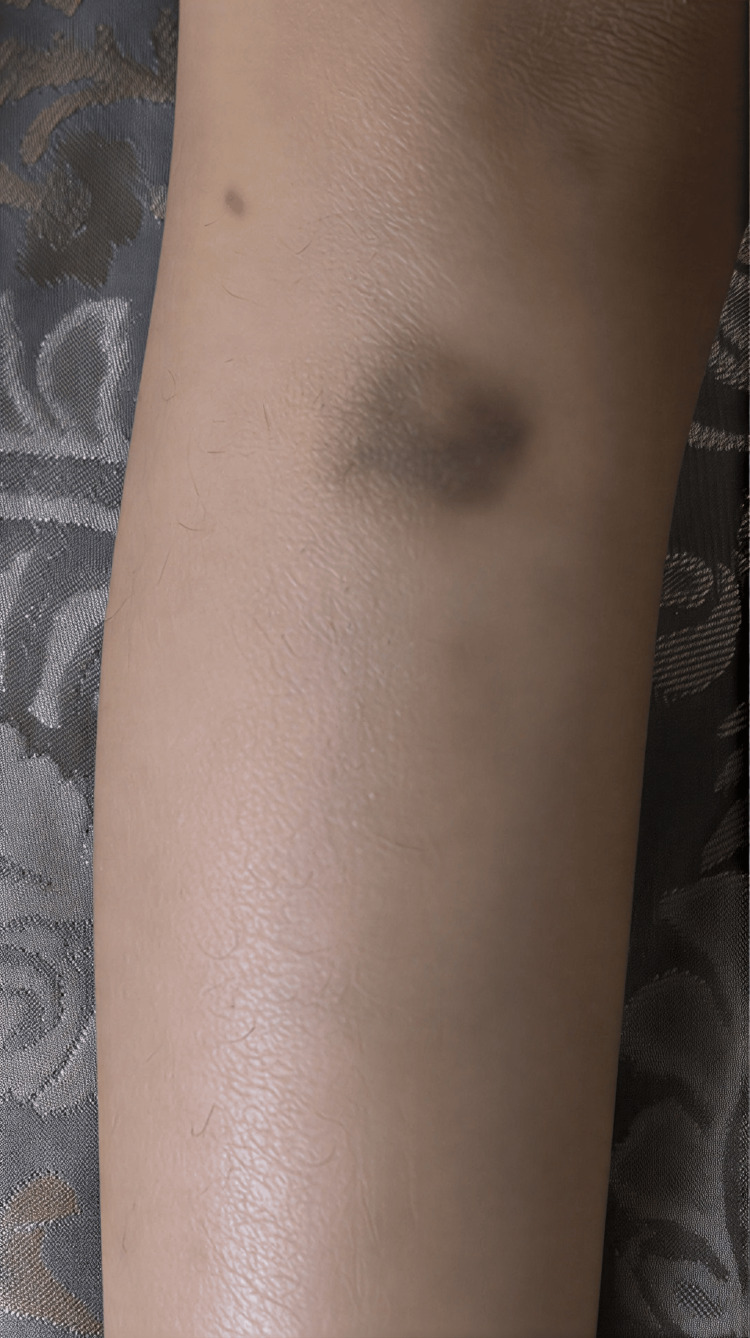 Figure 2
Peer Reviews
No public reviews on file for this paper yet. If you reviewed it on a platform where reviews are public (OpenReview, ICLR, NeurIPS, ICML), you can paste yours below so the community can read it here.
Videos
No videos yet. Explain this paper in a talk, walkthrough, or lecture? Add one.
Taxonomy
TopicsPlatelet Disorders and Treatments · Connective tissue disorders research · Gastrointestinal Bleeding Diagnosis and Treatment