Differential photoacoustic-stimulated Raman spectroscopy (DPA-SRS) for high-sensitivity hydrogen detection
Xin Yu, Zhengang Li, Jiaxiang Liu, Haichun Xu, Junfang Miao, Canlong Wang, Yongqing Fang, Ying Pan, Yonghua Fang

TL;DR
A new method called DPA-SRS is developed to detect hydrogen with high sensitivity by combining photoacoustic and Raman spectroscopy techniques.
Contribution
The paper introduces a novel DPA-SRS method that simplifies hydrogen detection using a single laser and advanced signal processing.
Findings
DPA-SRS achieves a hydrogen detection limit of 0.65 ppm under atmospheric conditions.
The method uses a dual-color light field to enhance the nonlinear thermoacoustic effect for hydrogen identification.
A differential H-type resonant cell improves anti-interference capability and signal extraction.
Abstract
To detect non-polar, infrared-inactive hydrogen, a Differential Photoacoustic-Stimulated Raman Spectroscopy (DPA-SRS) method is proposed. Utilizing the SRS process, a portion of the pump light is converted into intense Stokes light corresponding to the hydrogen Raman shift, eliminating complex dual-laser configurations. The nonlinear thermoacoustic effect is excited by this dual-color light field, endowing Photoacoustic Spectroscopy with the capability for hydrogen fingerprint identification. Raman cell pressure was optimized to achieve a synergistic enhancement of the Stokes conversion efficiency and the Four-Wave Mixing effect. Furthermore, an acoustic mode-optimized differential H-type resonant photoacoustic cell was designed, which effectively enhances anti-interference capability through the differential detection mechanism. Distinct from traditional lock-in amplification methods,…
Genes, proteins, chemicals, diseases, species, mutations and cell lines named across the full text — each resolved to its canonical identifier and authoritative record.
Click any figure to enlarge with its caption.
 Figure 1
 Figure 2
 Figure 3
 Figure 4
 Figure 5
 Figure 6
 Figure 7
 Figure 8
 Figure 9
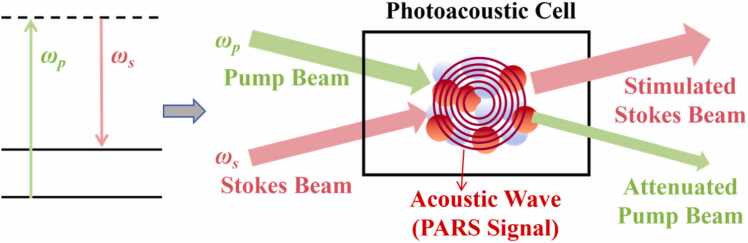 Figure 10
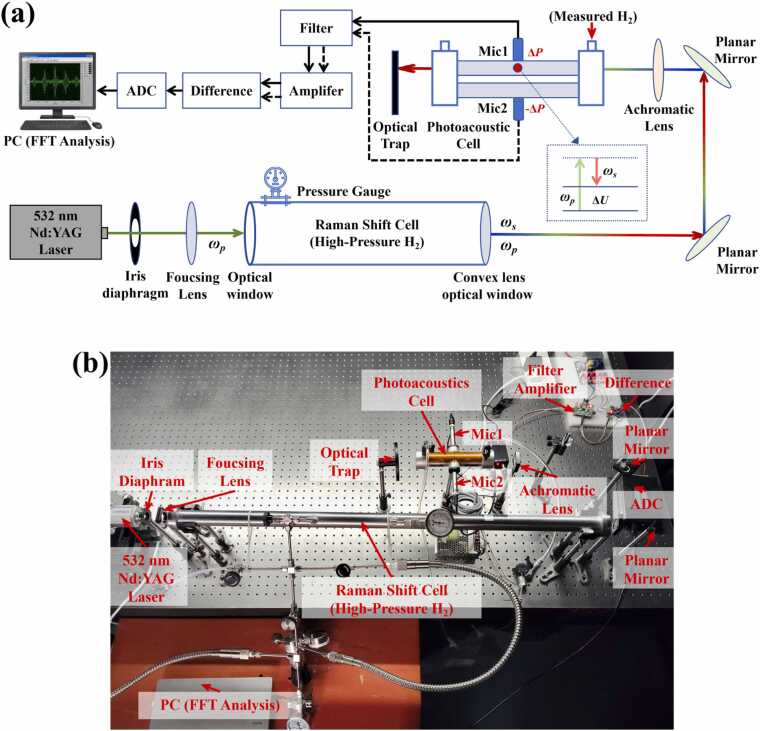 Figure 11
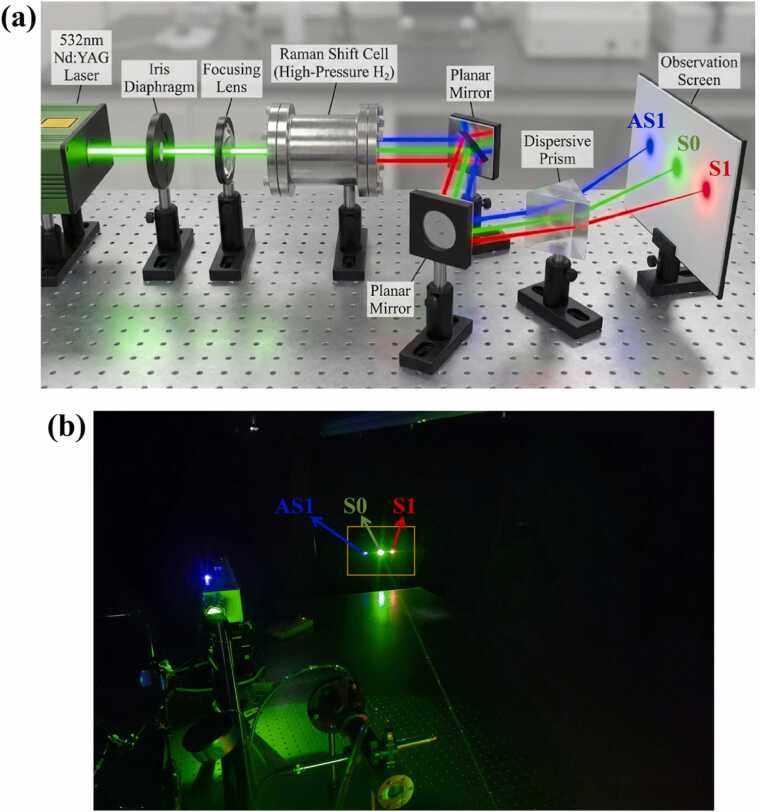 Figure 12
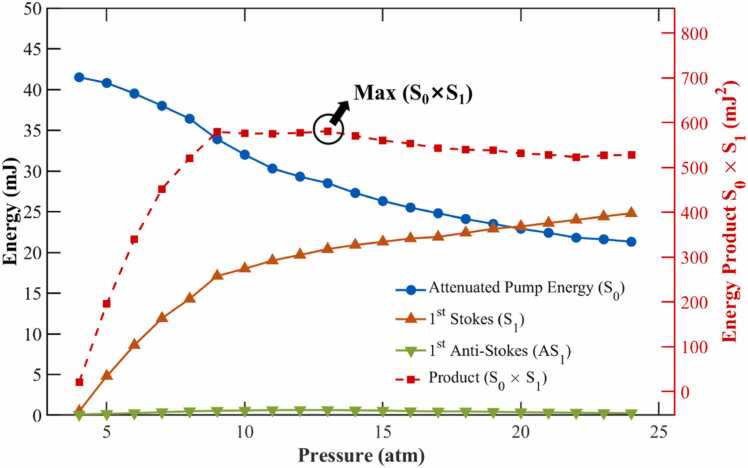 Figure 13
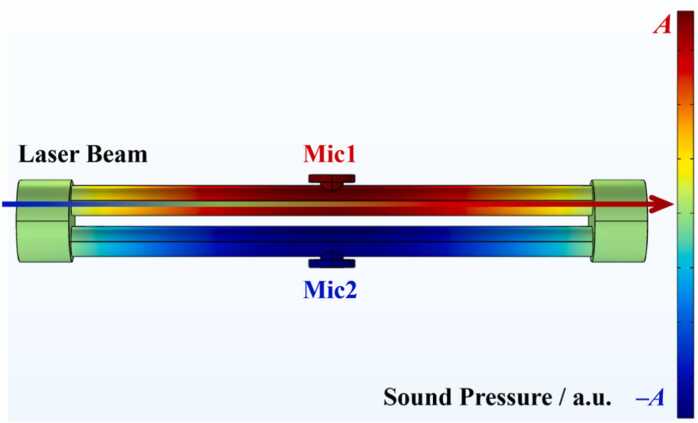 Figure 14
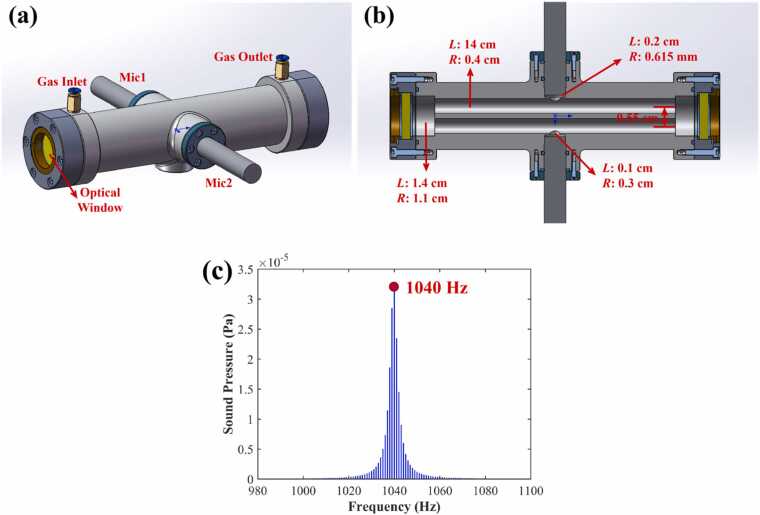 Figure 15
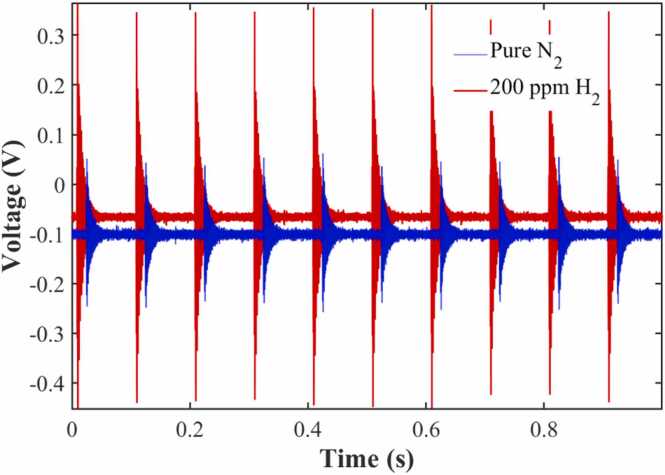 Figure 16
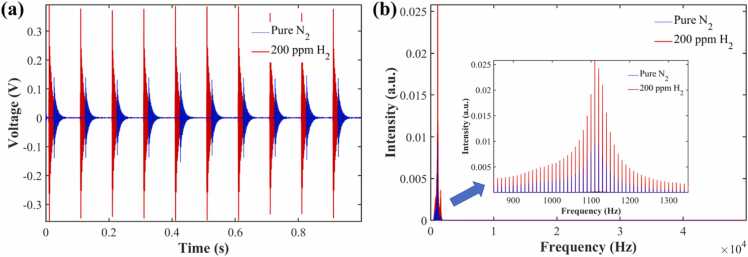 Figure 17
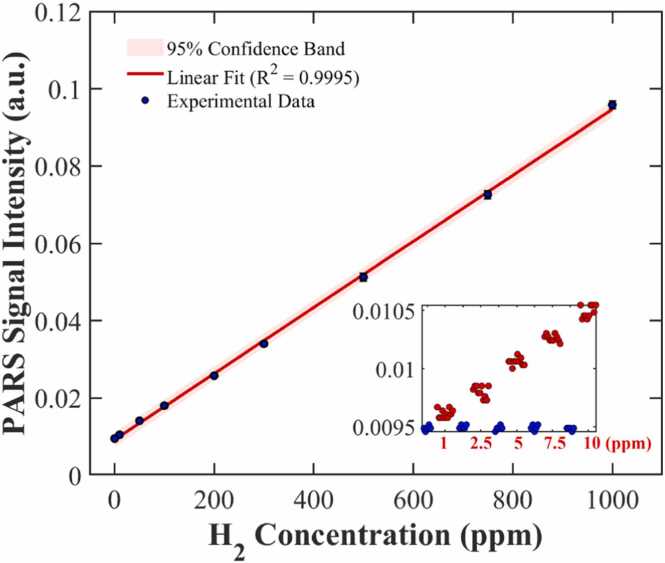 Figure 18
Peer Reviews
No public reviews on file for this paper yet. If you reviewed it on a platform where reviews are public (OpenReview, ICLR, NeurIPS, ICML), you can paste yours below so the community can read it here.
Videos
No videos yet. Explain this paper in a talk, walkthrough, or lecture? Add one.
Taxonomy
TopicsSpectroscopy and Laser Applications · Spectroscopy Techniques in Biomedical and Chemical Research · Advanced Chemical Sensor Technologies