The genetic structure of a Brachypodium hybridum population in a patchy arid landscape is independent of neighboring perennials and stable over two consecutive years
Megan K. Korte, Louis van de Zande, Antonio J. Manzaneda, Marco van der Velde, Rampal S. Etienne, Christian Smit

TL;DR
This study finds that the genetic makeup of a grass species in a dry area remains stable over two years and is not influenced by nearby perennial plants.
Contribution
The study shows that the genetic structure of Brachypodium hybridum is stable and not influenced by neighboring perennials.
Findings
No genetic differentiation was found between sampling locations or years in Brachypodium hybridum.
The genetic structure of the population is stable and not associated with neighboring perennials.
High homozygosity and recurring identical genotypes suggest selfing is a major reproductive strategy.
Abstract
In arid landscapes perennials can provide protection for annual plants against environmental stress such as drought. This could lead to population sub-structuring of the annuals, because of position dependent reproductive success, and/or competition for association with perennial shrubs. Although such interactions are well known drivers of plant community dynamics, little is known about the local and temporal effects of perennial presence on the genetic structure of annuals. As a first step to address this, we used a set of microsatellite markers to assess the genetic structure of the annual grass Brachypodium hybridum (L.) P. Beauv. growing underneath and outside the canopy cover of perennials at an arid site in southern Spain over two consecutive years (2018 and 2019). Upon sampling, we observed clear but inconsistent seasonal differences in phenology between individuals underneath or…
Genes, proteins, chemicals, diseases, species, mutations and cell lines named across the full text — each resolved to its canonical identifier and authoritative record.
Click any figure to enlarge with its caption.
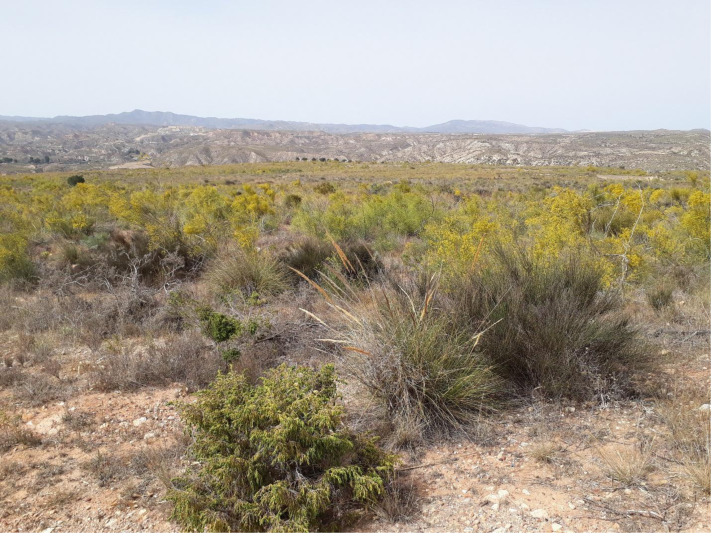 Figure 1
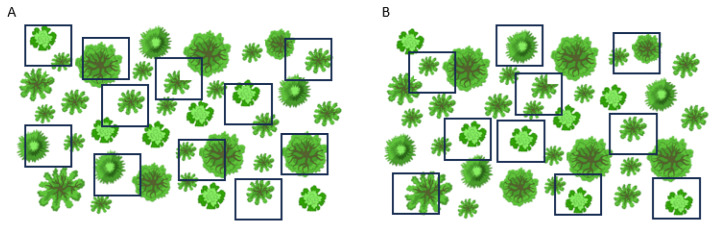 Figure 2
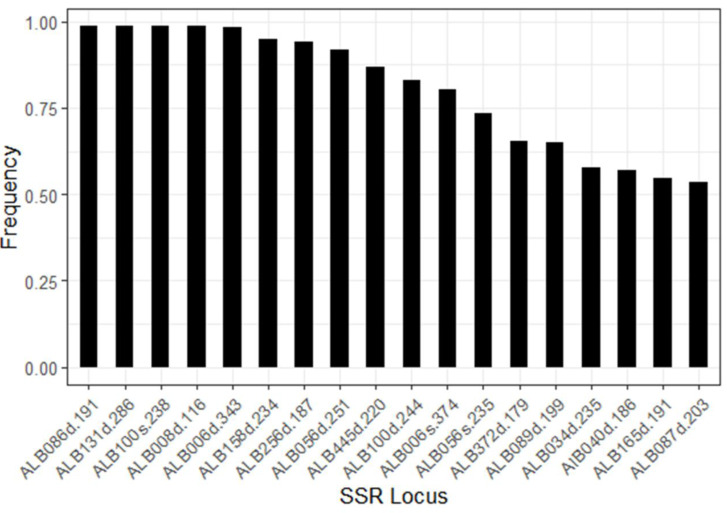 Figure 3
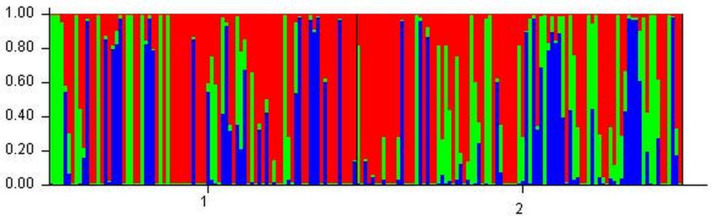 Figure 4
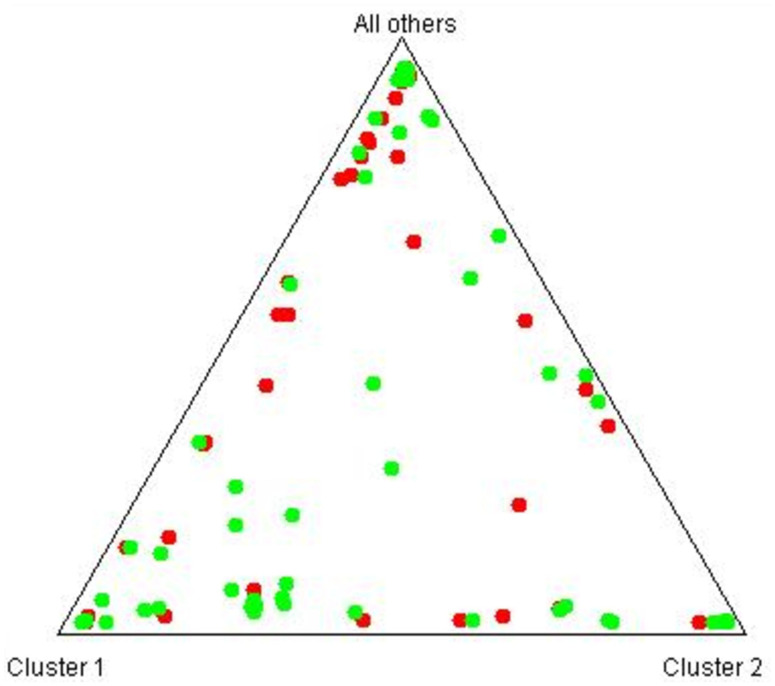 Figure 5
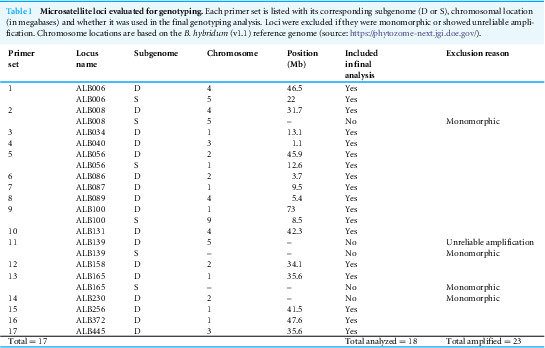 Figure 6
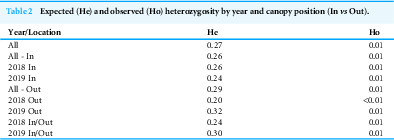 Figure 7
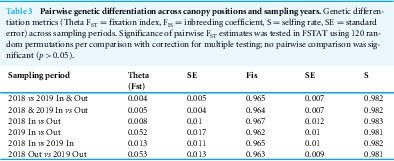 Figure 8
Peer Reviews
No public reviews on file for this paper yet. If you reviewed it on a platform where reviews are public (OpenReview, ICLR, NeurIPS, ICML), you can paste yours below so the community can read it here.
Videos
No videos yet. Explain this paper in a talk, walkthrough, or lecture? Add one.
Taxonomy
TopicsGenetic diversity and population structure · Ecology and Vegetation Dynamics Studies · Plant and animal studies