Phylogenetic signal in flowering phenology weakens over elevation in the high Andes of Chile: evidence for evolutionary convergence in a harsh habitat
Ítalo Tamburrino, Valeria Robles, Paola Jara-Arancio, Pablo C. Guerrero, Jesús López-Angulo, Jeannine Cavender-Bares, Mary T. K. Arroyo

TL;DR
This study finds that harsh high Andes environments drive similar flowering times in plants, not just inherited traits.
Contribution
Shows that evolutionary convergence, not ancestral traits, shapes flowering phenology in high alpine zones.
Findings
High alpine sites show earlier flowering after snowmelt and greater functional convergence in phenological traits.
Phylogenetic signal is weaker in high alpine sites compared to subalpine ones.
High alpine communities exhibit significant terminal phylogenetic clustering.
Abstract
High elevation plants experience cold temperatures and short growing seasons that constrain their flowering window. These environmental limitations are expected to promote strong overlap in flowering phenology among co-occurring species. Whether similarity in flowering times arises from environmental filtering of lineages preadapted to cold conditions or from evolutionary convergence in response to shared selective pressures remains unclear. We hypothesize that flowering phenology of high alpine communities is the result of convergence due to strong selective pressure imposed by the environment rather than environmental filtering for conserved ancestral traits. To test this hypothesis, we analyzed the functional and phylogenetic structure of phenological traits, as well as their phylogenetic signal, using a molecular phylogeny across four sites spanning subalpine to high alpine zones…
Genes, proteins, chemicals, diseases, species, mutations and cell lines named across the full text — each resolved to its canonical identifier and authoritative record.
Click any figure to enlarge with its caption.
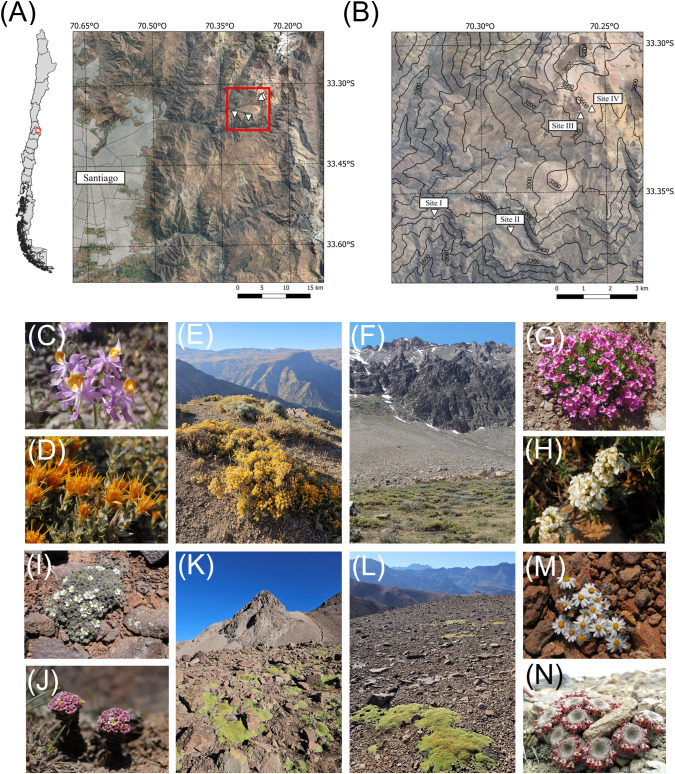 Figure 1
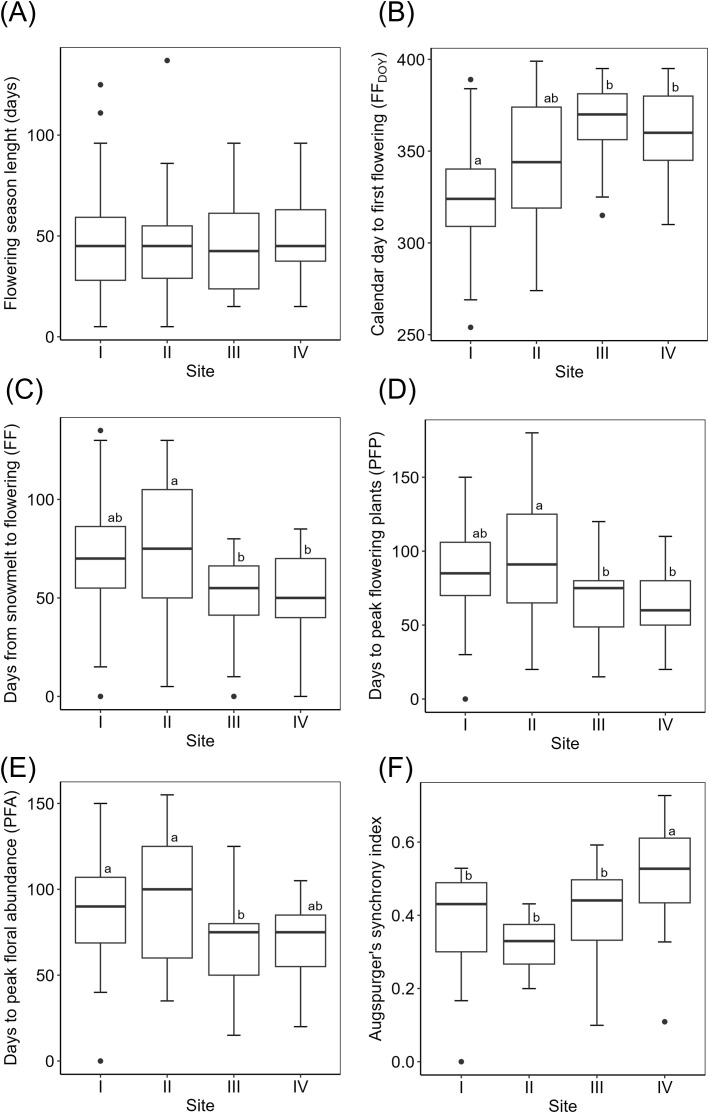 Figure 2
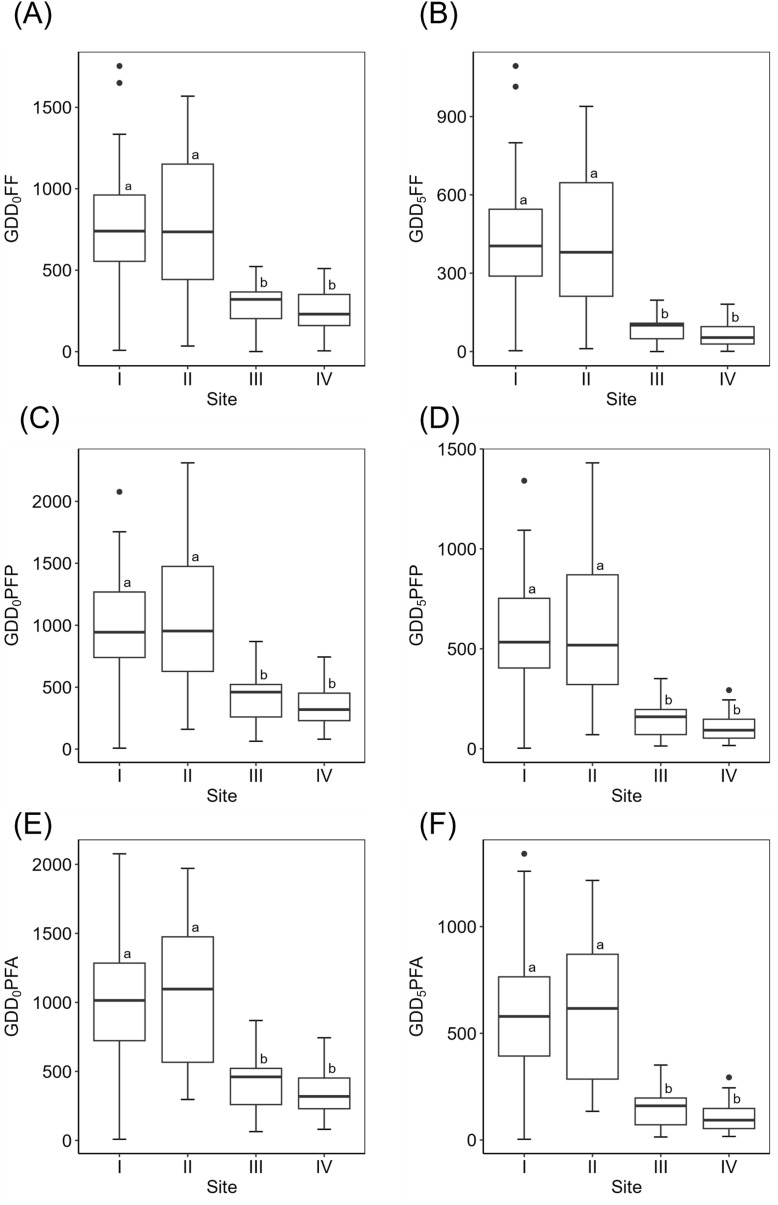 Figure 3
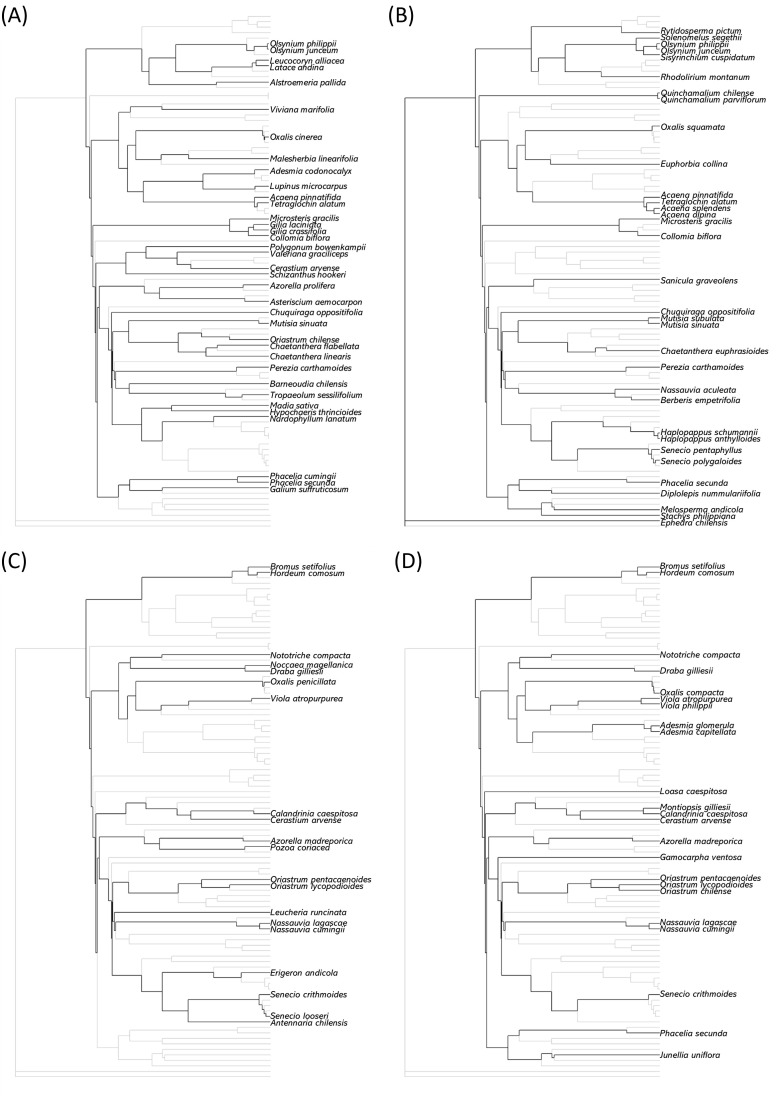 Figure 4
Peer Reviews
No public reviews on file for this paper yet. If you reviewed it on a platform where reviews are public (OpenReview, ICLR, NeurIPS, ICML), you can paste yours below so the community can read it here.
Videos
No videos yet. Explain this paper in a talk, walkthrough, or lecture? Add one.
Taxonomy
TopicsPlant and animal studies · Plant Diversity and Evolution · Fern and Epiphyte Biology