Accessible, All-Polymer Metasurfaces: Low Effort, High Quality Factor
Michael Hirler, Alexander A. Antonov, Enrico Baù, Andreas Aigner, Connor Heimig, Haiyang Hu, Andreas Tittl

TL;DR
This paper introduces an accessible method to create high-quality all-polymer optical metasurfaces using simple fabrication steps.
Contribution
The novel contribution is using poly(methyl methacrylate) as a resonator material to simplify metasurface fabrication.
Findings
The all-polymer metasurface achieves high quality factors up to 523 at visible and near-infrared wavelengths.
The fabrication method eliminates complex steps like etching and uses spin-coating, exposure, and development.
Nanoindentation experiments reveal the mechanical properties of the suspended polymer membrane.
Abstract
Optical metasurfaces supporting resonances with high quality factors offer an outstanding platform for applications such as nonlinear optics, light guiding, lasing, sensing, light-matter coupling, and quantum optics. However, their experimental realization typically demands elaborate multistep procedures such as metal or dielectric deposition, lift-off, and reactive ion etching. As a consequence, accessibility, large-scale production, and sustainability are constrained by reliance on cost-, time-, and labor-intensive facilities. We overcome this fabrication hurdle by repurposing poly(methyl methacrylate), which is usually employed as a temporary resist, as the resonator material, thereby eliminating all steps except for spin-coating, exposure, and development. Because the low refractive index of the polymer limits effective mode formation, we present a bilayer recipe that enables the…
Genes, proteins, chemicals, diseases, species, mutations and cell lines named across the full text — each resolved to its canonical identifier and authoritative record.
Click any figure to enlarge with its caption.
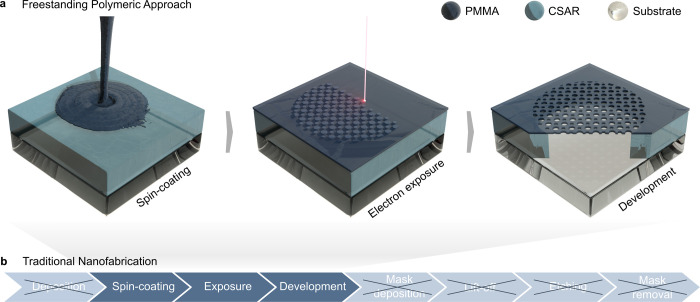 Figure 1
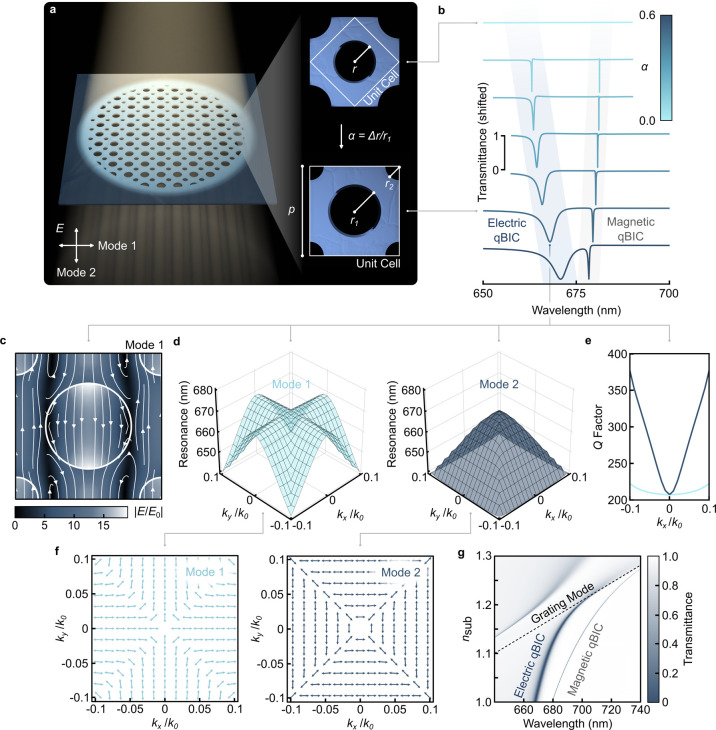 Figure 2
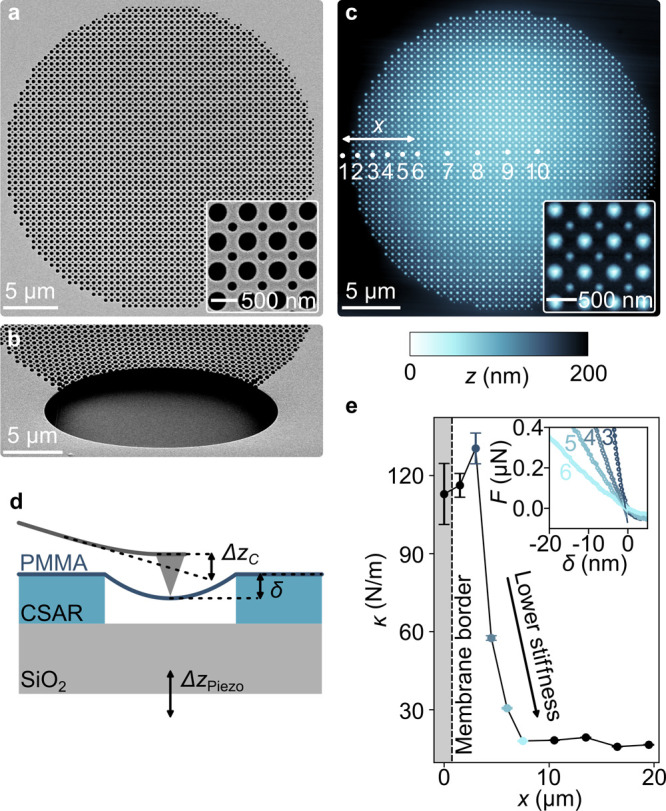 Figure 3
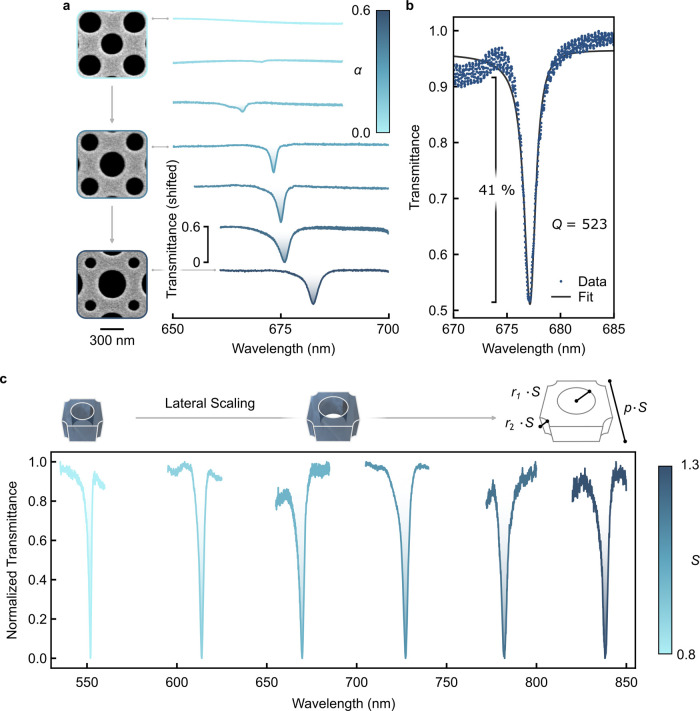 Figure 4
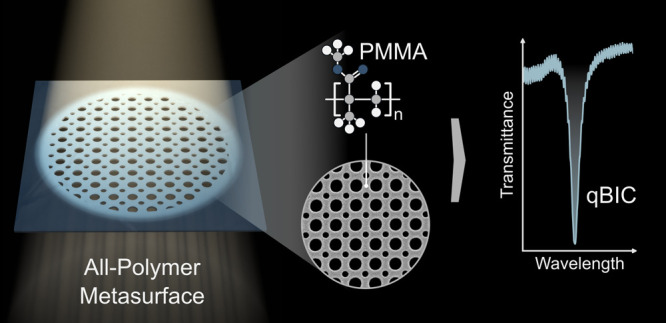 Figure 5
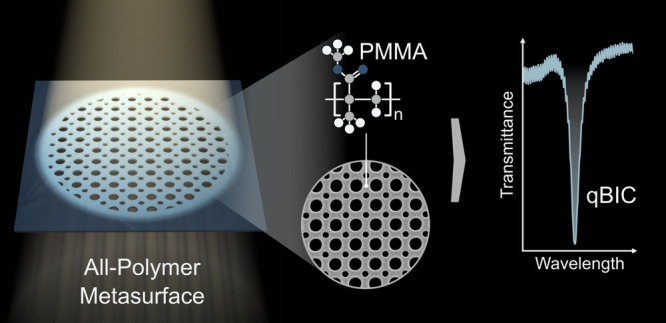 Figure 6
 Figure 7
 Figure 8
 Figure 9
 Figure 10
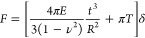 Figure 11
 Figure 12
 Figure 13
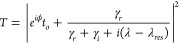 Figure 14
 Figure 15
Peer Reviews
No public reviews on file for this paper yet. If you reviewed it on a platform where reviews are public (OpenReview, ICLR, NeurIPS, ICML), you can paste yours below so the community can read it here.
Videos
No videos yet. Explain this paper in a talk, walkthrough, or lecture? Add one.
Taxonomy
TopicsAnodic Oxide Films and Nanostructures · Advanced Sensor and Energy Harvesting Materials · Surface Modification and Superhydrophobicity