NanoScript-Enabled Nonviral Transient Repression of Phosphatase and Tensin Homolog for Axonal Regeneration and Central Nervous System Injury Repair
Brandon Conklin, Yanting Liu, Sarah Nevins, Byeong-Gwan Song, Sy-Tsong Dean Chueng, Qiu Xiaowen, Sungyun Kim, Heyin Cheung, Seong Bae An, JongMin Lee, Bong Geun Chung, Wise Young, Dongming Sun, Hiroshi Sugiyama, Inbo Han, Ki-Bum Lee

TL;DR
A nonviral nanoparticle system temporarily suppresses PTEN to promote spinal cord injury repair by enhancing axonal regeneration and reducing inflammation.
Contribution
A novel nonviral nanoscript platform for transient PTEN repression that improves spinal cord injury recovery through multiple regenerative mechanisms.
Findings
NS-PTEN enhanced axonal continuity and remyelination in spinal cord injury models.
NS-PTEN reduced astroglial and microglial reactivity while promoting endothelial integrity.
NS-PTEN shifted the inflammatory environment toward regeneration without permanent gene silencing.
Abstract
Spinal cord injury (SCI) remains a debilitating neurological disorder with limited therapeutic options, as existing treatments primarily address symptoms rather than address the complex interplay of cellular and molecular barriers to regeneration. These barriers collectively hinder functional recovery, including inhibitory glial scarring, chronic neuroinflammation, intrinsic neuronal regenerative deficits, and disruption of the blood-spinal cord barrier (BSCB). To address these limitations, we developed NanoScript-PTEN (NS-PTEN), a nonviral nanoparticle platform that delivers synthetic transcription factors to transiently suppress phosphatase and tensin homolog (PTEN) expression. PTEN negatively regulates the PI3K/AKT/mTOR signaling axis, which is a critical determinant of neuronal survival and axonal growth. By reducing PTEN levels, NS-PTEN derepresses this pro-survival pathway,…
Genes, proteins, chemicals, diseases, species, mutations and cell lines named across the full text — each resolved to its canonical identifier and authoritative record.
Click any figure to enlarge with its caption.
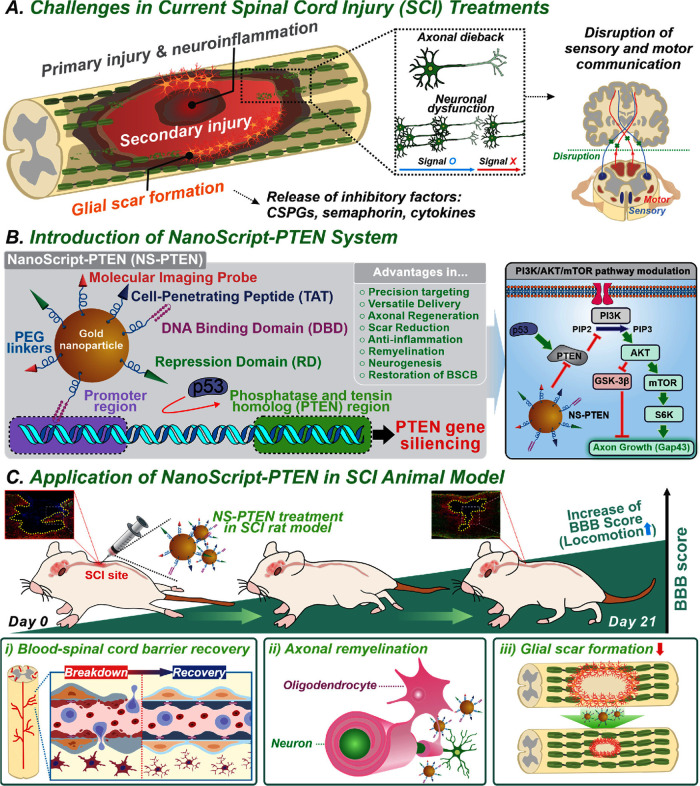 Figure 1
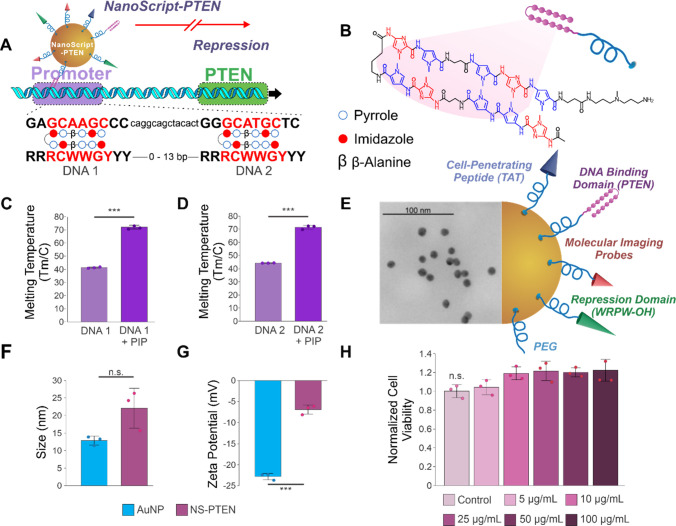 Figure 2
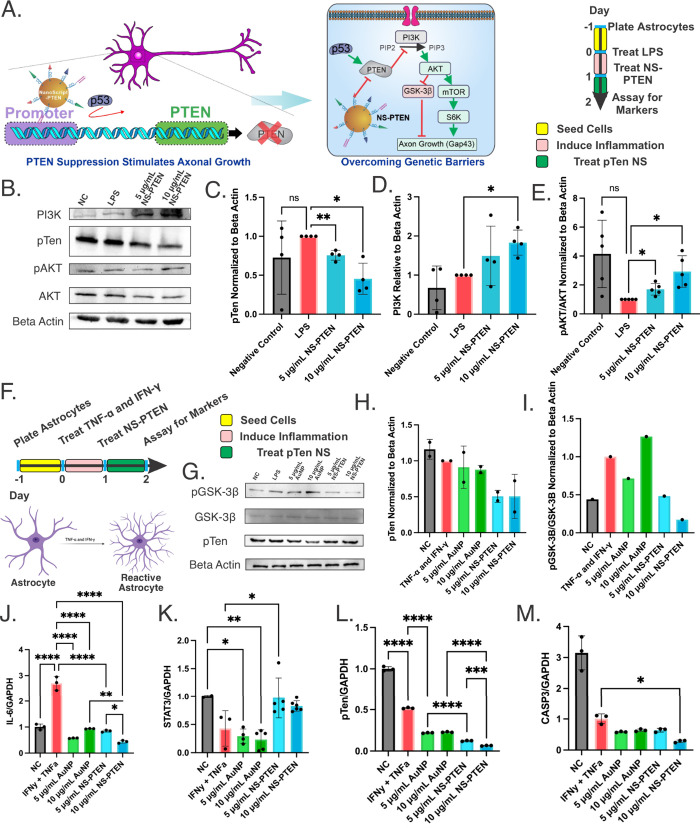 Figure 3
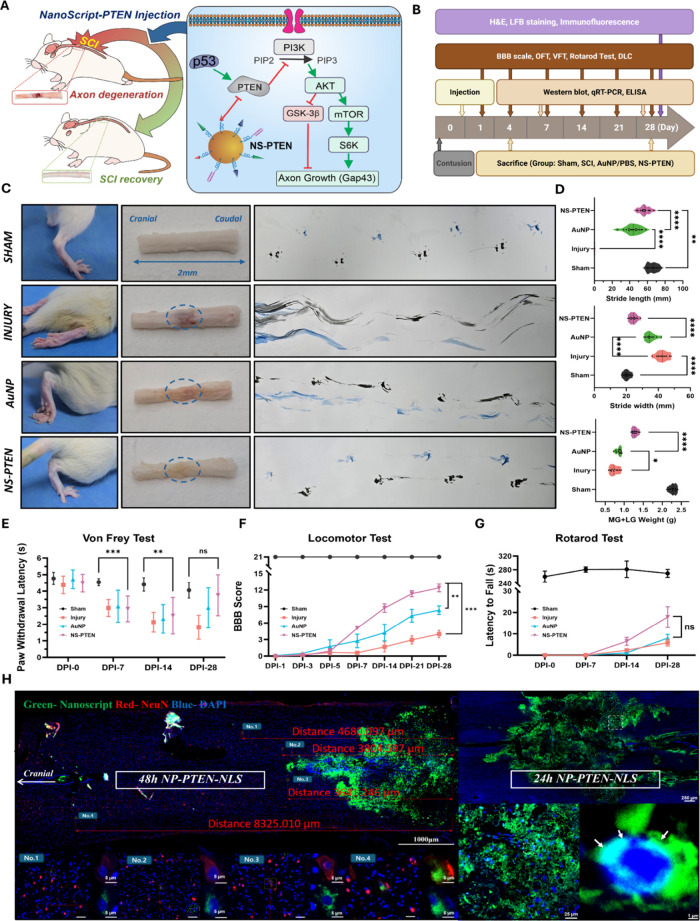 Figure 4
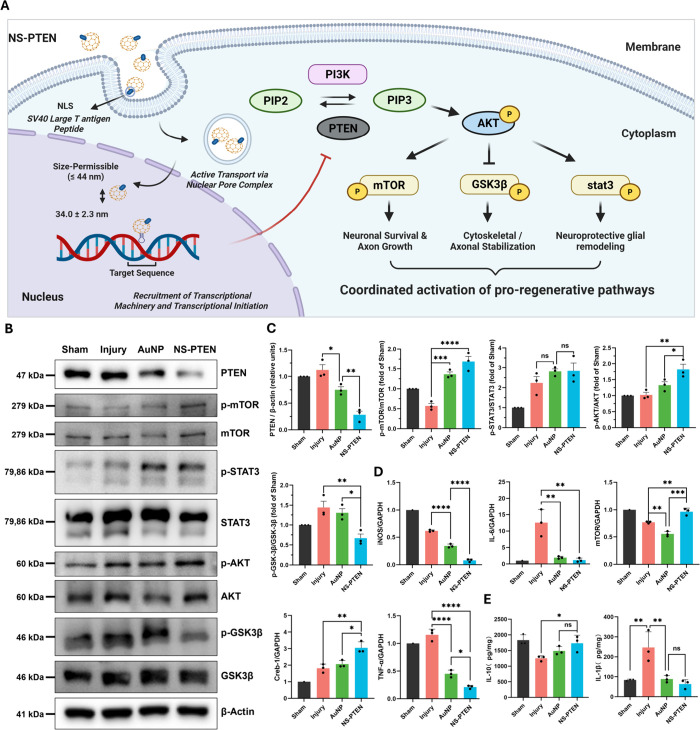 Figure 5
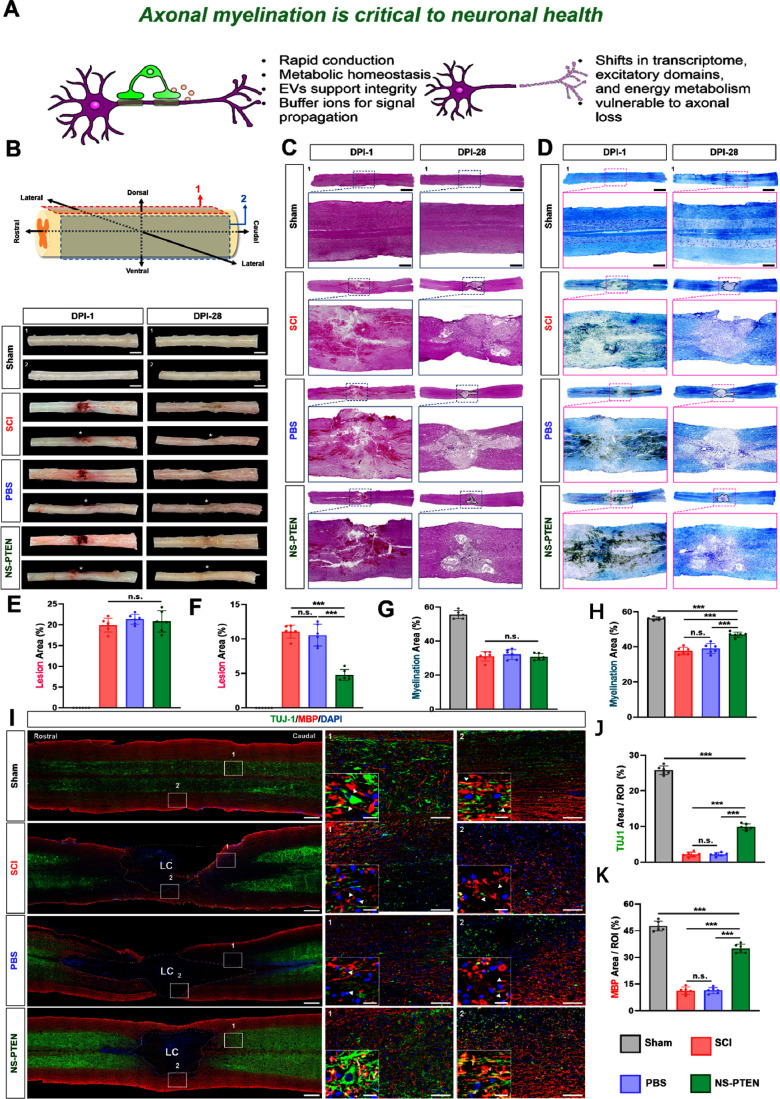 Figure 6
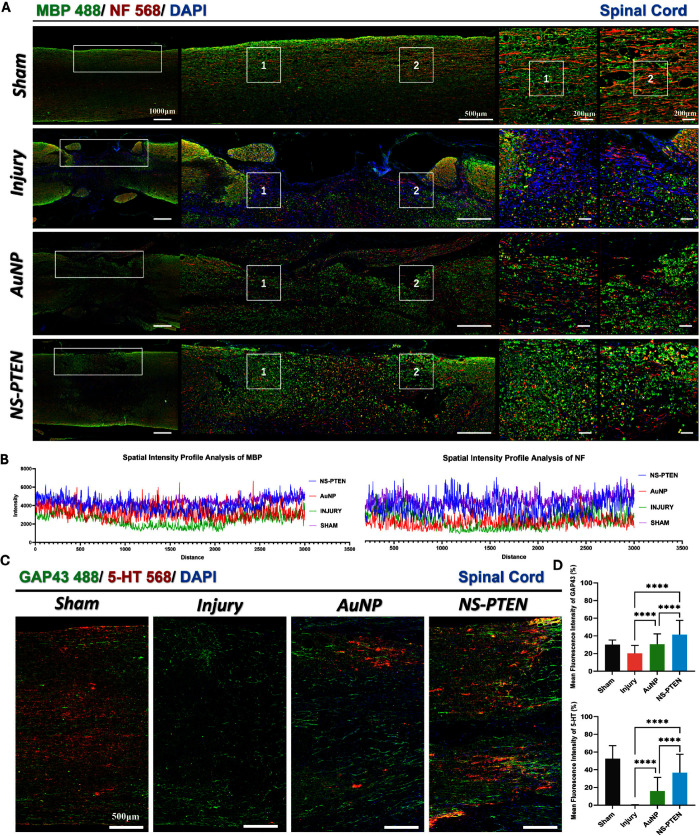 Figure 7
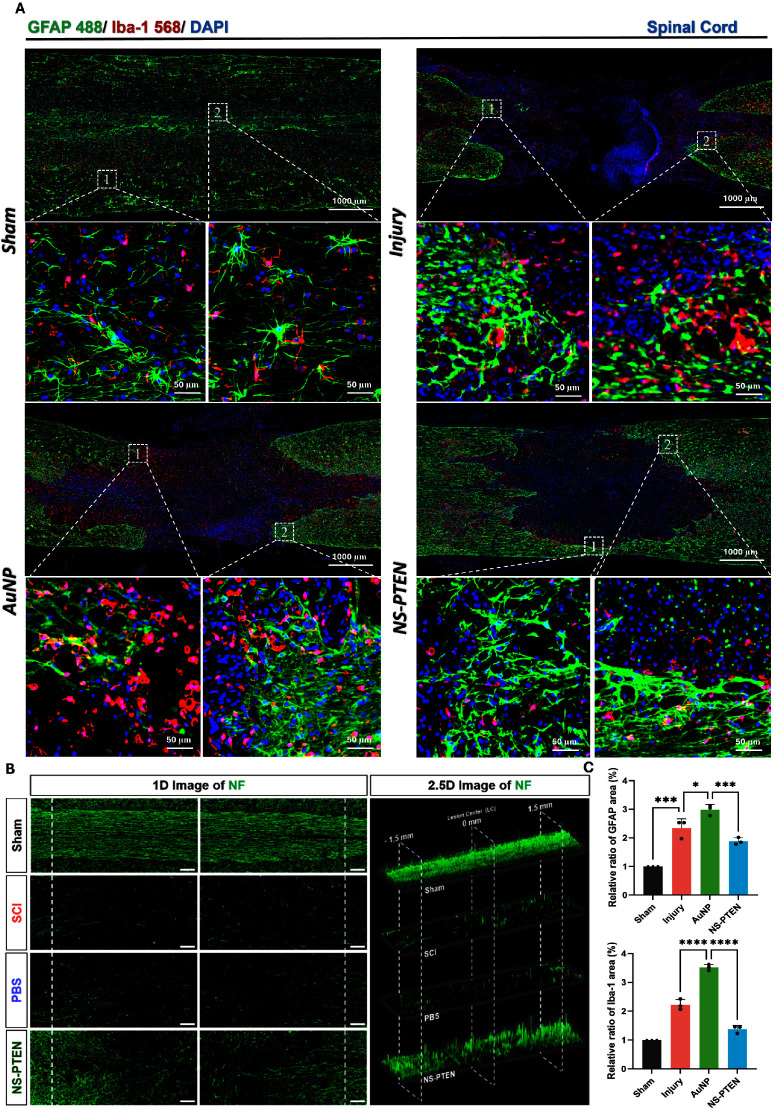 Figure 8
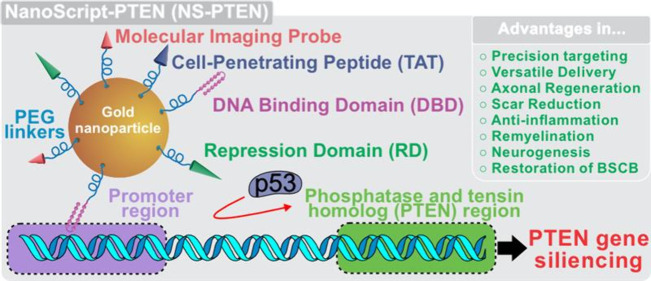 Figure 9
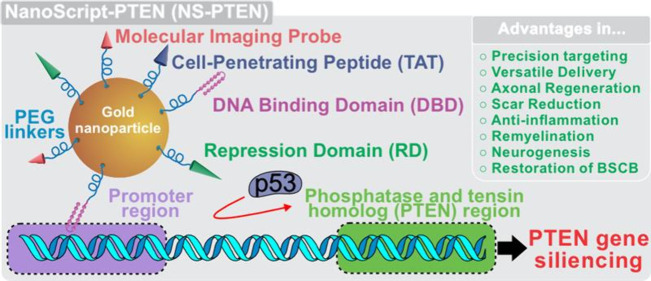 Figure 10
Peer Reviews
No public reviews on file for this paper yet. If you reviewed it on a platform where reviews are public (OpenReview, ICLR, NeurIPS, ICML), you can paste yours below so the community can read it here.
Videos
No videos yet. Explain this paper in a talk, walkthrough, or lecture? Add one.
Taxonomy
TopicsNerve injury and regeneration · PI3K/AKT/mTOR signaling in cancer · Spinal Cord Injury Research