Dynamic Evolution of Mass and Physical Properties of Atmospheric Organic Aerosol Under Solar Irradiance
Bin Bai, Gregory W. Vandergrift, Yutong Liang, Yaowei Li, Zezhen Cheng, Yuchen Wang, Nara Shin, Frank Keutsch, Andrew Lambe, Swarup China, Nga L. Ng, Pengfei Liu

TL;DR
This study explores how sunlight changes the mass and properties of organic aerosol particles in the atmosphere, impacting climate models.
Contribution
The study introduces a kinetic model that explains how photolytic aging alters aerosol mass and hygroscopicity.
Findings
Photolytic aging reduces 40–66% of low-volatility OA mass under solar irradiance.
Up to ±50% changes in OA hygroscopicity are observed during photolytic aging.
A kinetic model explains the observed changes in mass, volatility, and hygroscopicity.
Abstract
Organic aerosol (OA) particles constitute a substantial fraction of submicron particulate mass in the atmosphere and play a critical role in climate system. OA undergoes dynamic aging processes in the atmosphere, with photolytic aging induced by ultraviolet solar irradiance being an important yet poorly characterized mechanism. Knowledge gaps persist regarding the role of volatility transformations during photolytic aging on the OA mass decay kinetics and the evolution of climate-relevant properties, such as hygroscopicity, hindering the model evaluation of OA spatiotemporal distributions and atmospheric budgets. In this study, we conduct isothermal photolytic aging experiments on both laboratory-generated secondary organic aerosols and ambient-collected particles from urban Atlanta, utilizing a high-sensitivity Quartz Crystal Microbalance. Our results reveal that photolytic aging…
Genes, proteins, chemicals, diseases, species, mutations and cell lines named across the full text — each resolved to its canonical identifier and authoritative record.
Click any figure to enlarge with its caption.
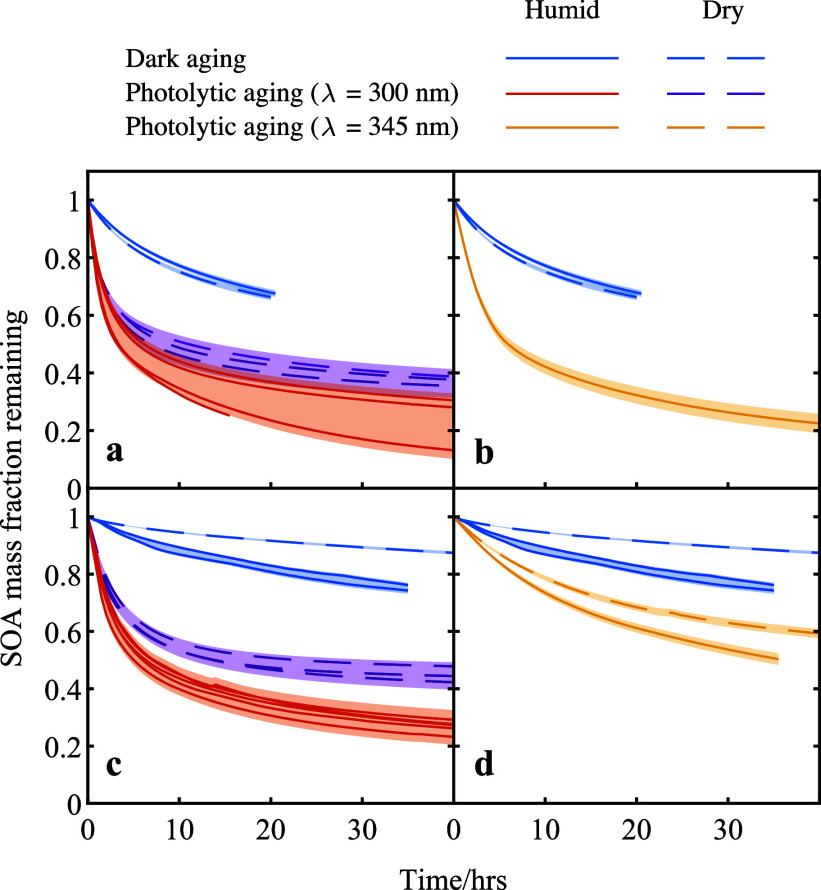 Figure 1
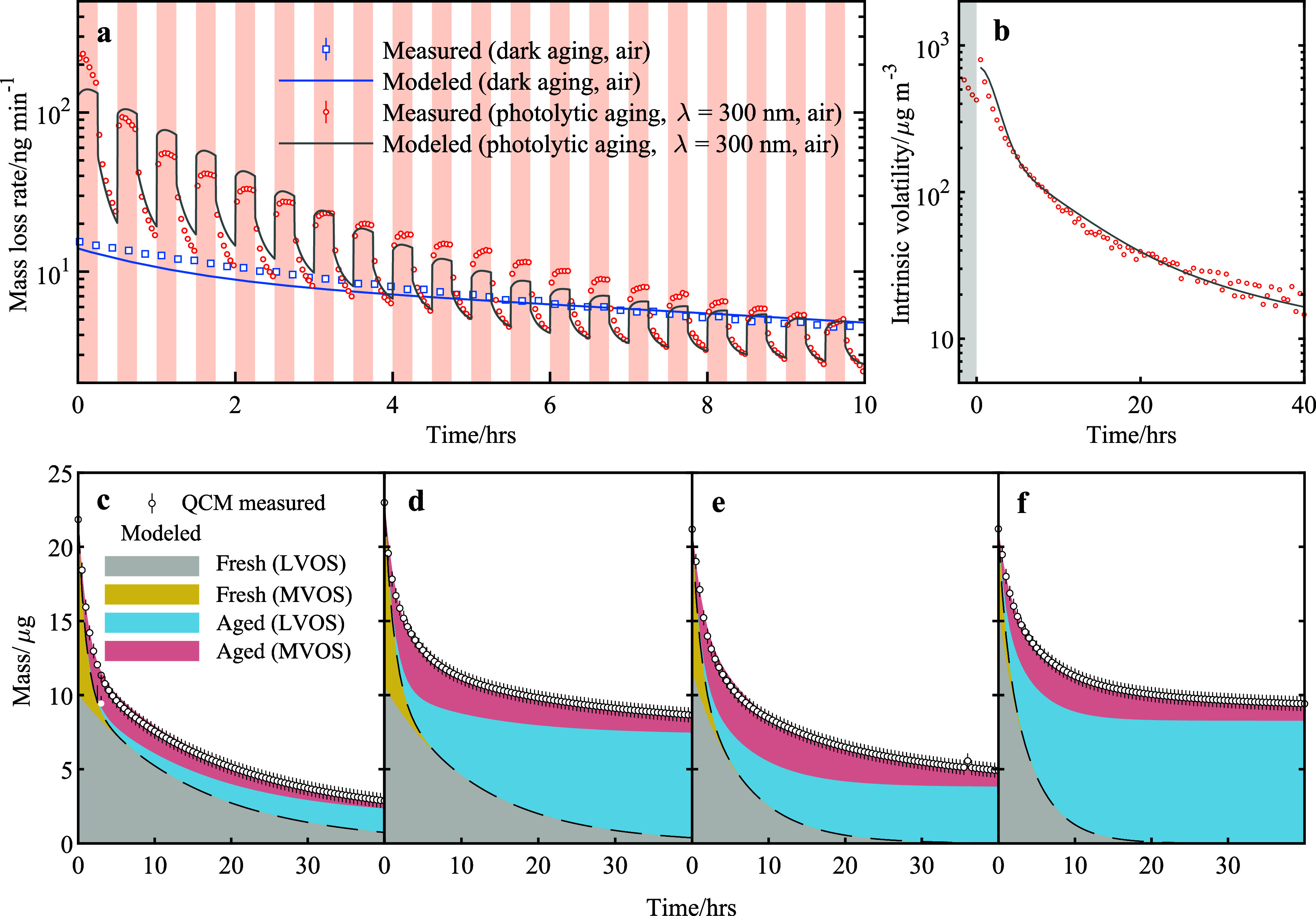 Figure 2
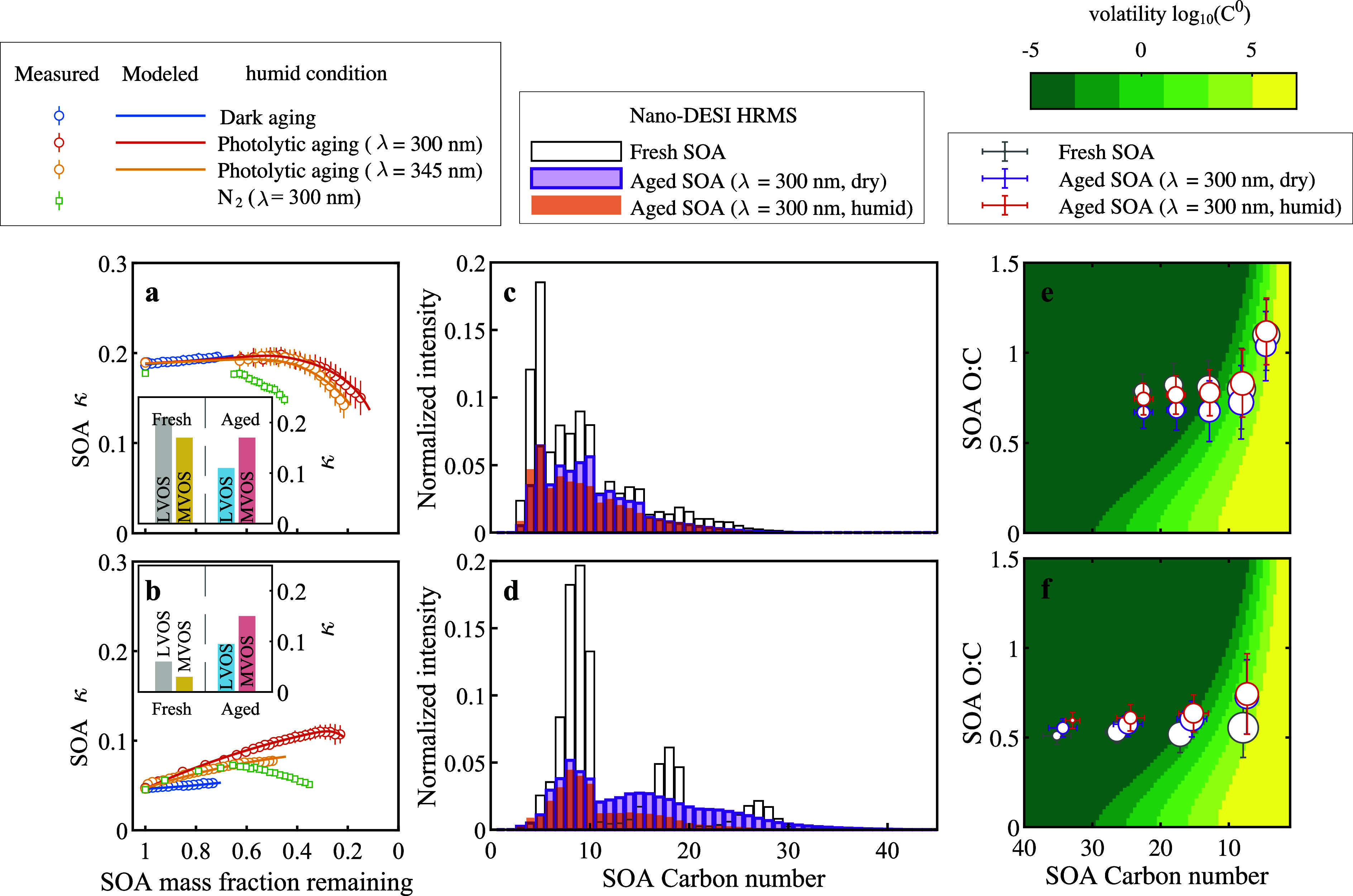 Figure 3
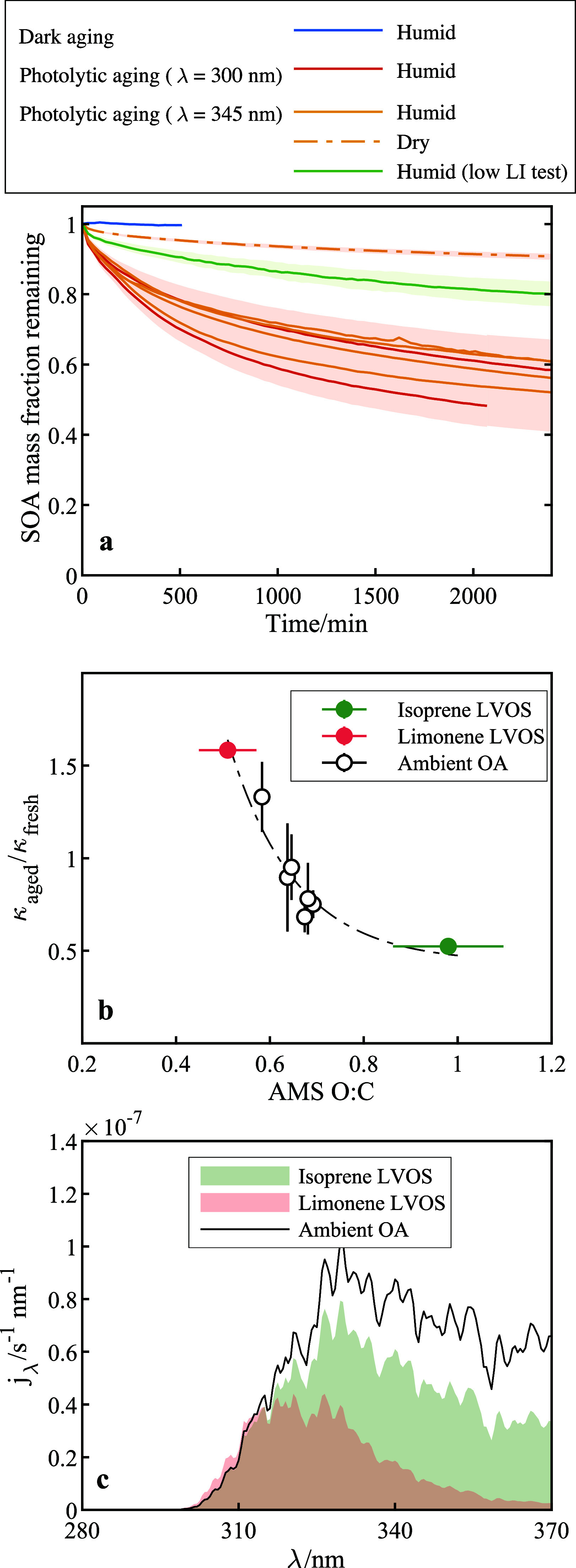 Figure 4
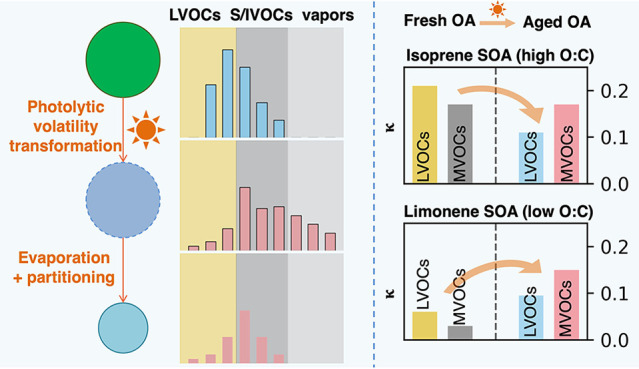 Figure 5
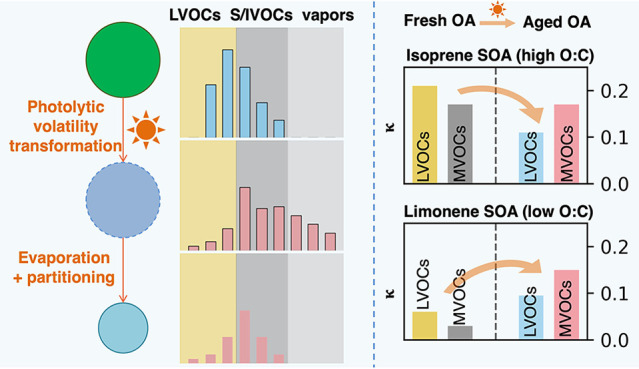 Figure 6
 Figure 7
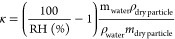 Figure 8
 Figure 9
Peer Reviews
No public reviews on file for this paper yet. If you reviewed it on a platform where reviews are public (OpenReview, ICLR, NeurIPS, ICML), you can paste yours below so the community can read it here.
Videos
No videos yet. Explain this paper in a talk, walkthrough, or lecture? Add one.
Taxonomy
TopicsAtmospheric chemistry and aerosols · Atmospheric aerosols and clouds · Atmospheric Ozone and Climate