Vision of Life’s Code: Molecular Probe Nanoarchitectonics for Deep RNA/DNA Illumination
Linawati Sutrisno, Kewei Sun, Katsuhiko Ariga

TL;DR
This paper explores new ways to improve RNA and DNA imaging using molecular probe nanoarchitectonics for better disease detection and manipulation.
Contribution
The paper introduces a multidisciplinary framework and nanoarchitectonics-based design for single-step RNA/DNA imaging.
Findings
Current RNA/DNA imaging systems are limited by the need for multiple chemical probes.
Nanoarchitectonics can enable single-step multiplexed RNA–DNA imaging.
A conceptual framework is proposed to guide next-generation imaging technology development.
Abstract
Visualization of RNA and DNA provides a window of opportunity for the early detection of multiple diseases and approaches to manipulate them before any pathological processes occur. However, current imaging systems often fail to meet these demands due to the need for multiple RNA and DNA chemical probes, which increases experimental complexity, reduces awareness of false positives, and limits imaging accuracy in complex biosystems. In this work, we identify the key challenges associated with using multiple probes for RNA and DNA imaging and analyze the mechanisms and performance of existing imaging tools. This article also introduces a conceptual framework and proposes a multidisciplinary framework to guide the development of next-generation imaging technologies. Furthermore, we highlight how nanoarchitectonics-based molecular design can enable single-step multiplexed RNA–DNA imaging.…
Genes, proteins, chemicals, diseases, species, mutations and cell lines named across the full text — each resolved to its canonical identifier and authoritative record.
Click any figure to enlarge with its caption.
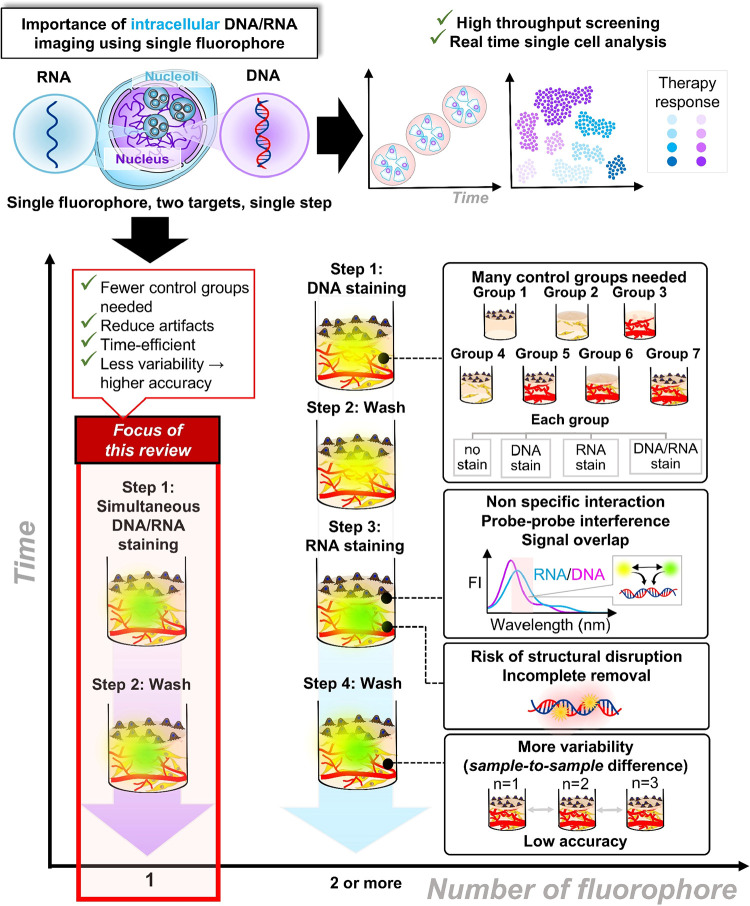 Figure 1
 Figure 2
 Figure 3
 Figure 4
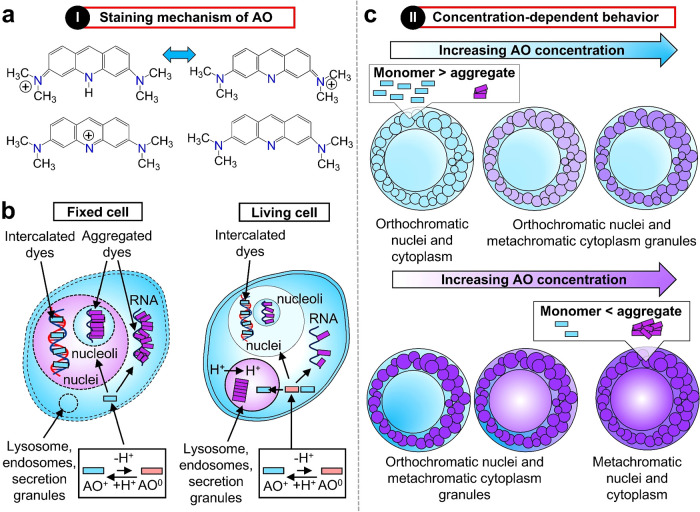 Figure 5
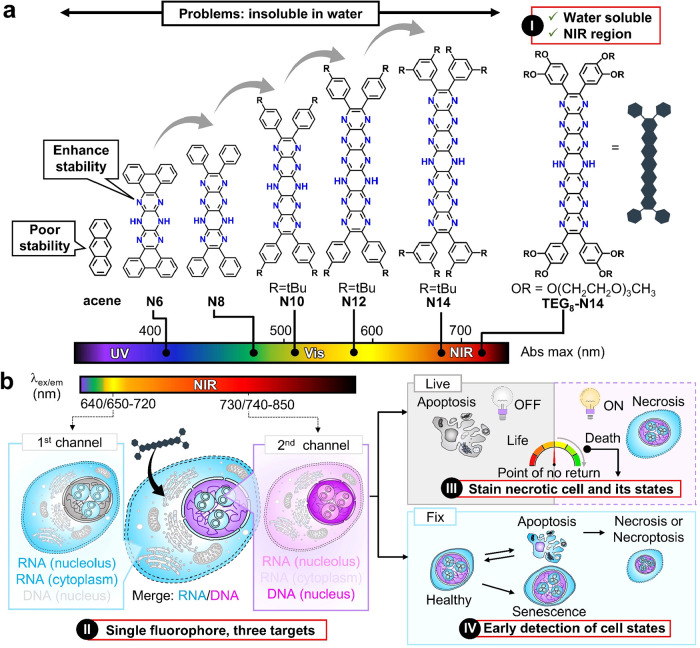 Figure 6
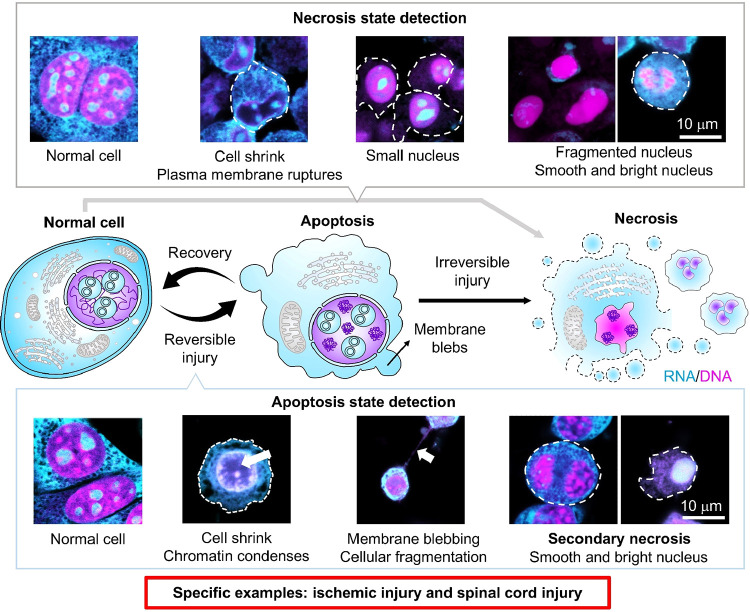 Figure 7
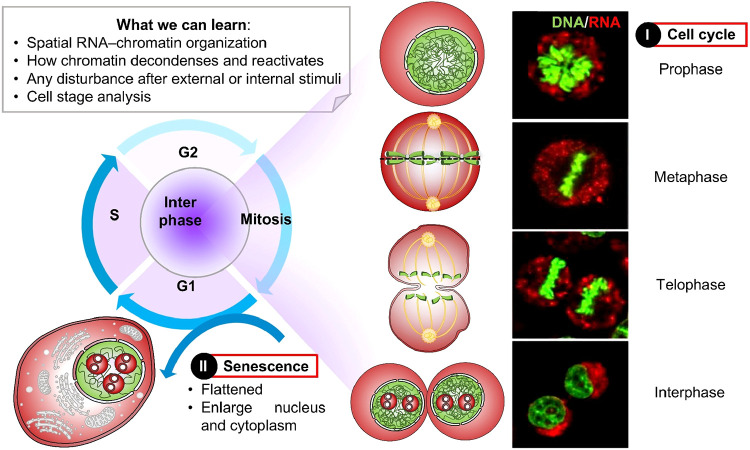 Figure 8
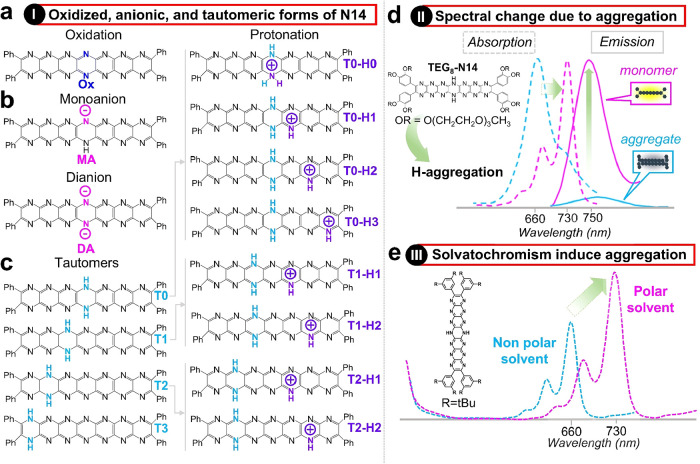 Figure 9
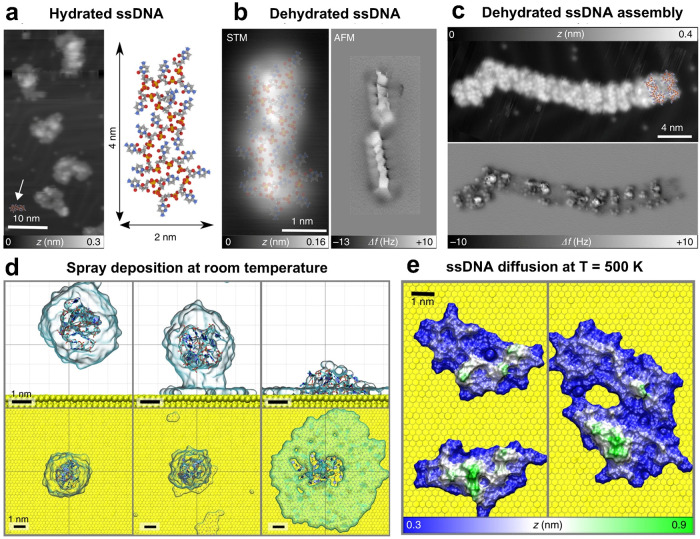 Figure 10
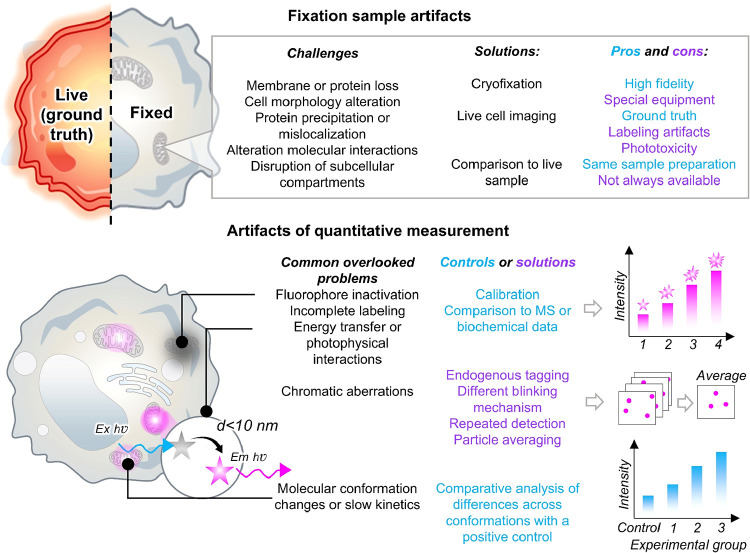 Figure 11
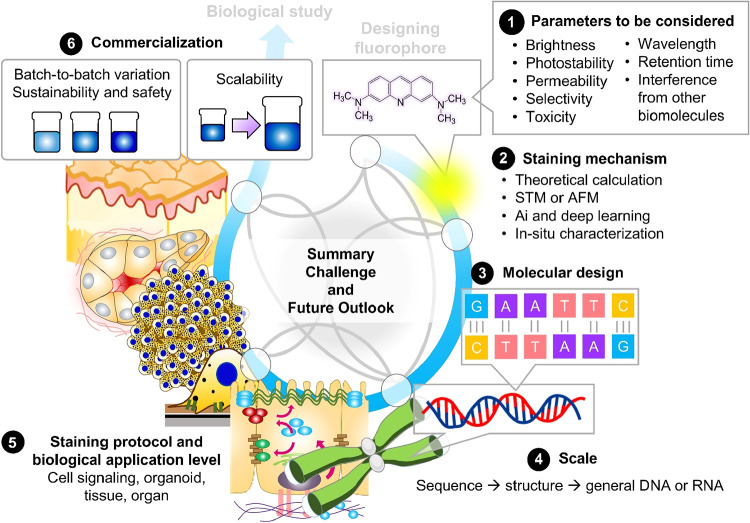 Figure 12
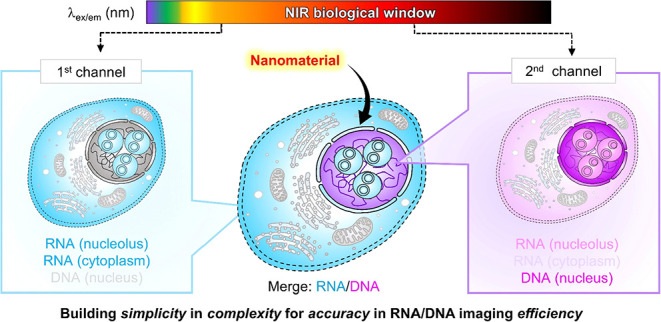 Figure 13
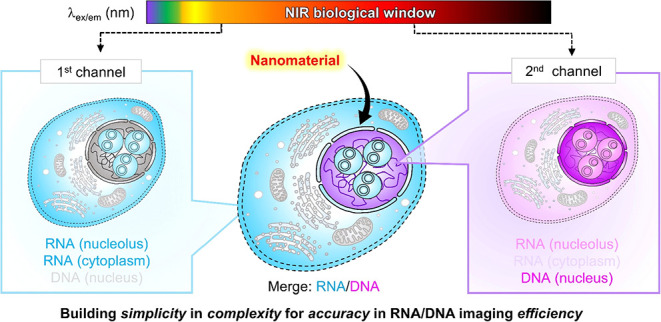 Figure 14
Peer Reviews
No public reviews on file for this paper yet. If you reviewed it on a platform where reviews are public (OpenReview, ICLR, NeurIPS, ICML), you can paste yours below so the community can read it here.
Videos
No videos yet. Explain this paper in a talk, walkthrough, or lecture? Add one.
Taxonomy
TopicsAdvanced biosensing and bioanalysis techniques · Advanced Fluorescence Microscopy Techniques · Advanced Biosensing Techniques and Applications