Adsorption of Cs Ions in Hydroxy-Al Interlayered Clay Minerals and the Aging Mechanism
Hiroshi Sakuma, Kenji Tamura, Shigeru Suehara, Kenjiro Hashi

TL;DR
This study investigates how cesium ions bind to clay minerals over time, revealing a mechanism that could help in removing radioactive cesium from sediments.
Contribution
The paper proposes a two-step aging mechanism for Cs+ in hydroxy-Al-interlayered clay minerals, supported by experimental and simulation data.
Findings
Cs+ desorption rate decreases with longer sorption time due to aging effects.
Cs+ fixation occurs in collapsed zones and hydroxy-Al sheets, explained by a two-step mechanism.
Molecular simulations and NMR data support the presence of 5-fold coordinated Al in aged samples.
Abstract
A decrease in the desorption rate of Cs+ from natural sediment was observed with increasing Cs+ sorption time. This aging effect poses a serious issue as it hinders the removal of radioactive cesium ions from natural sediments. In this study, adsorption and desorption experiments and molecular simulations were conducted on artificially weathered hydroxy-Al-interlayered clay minerals to elucidate the mechanism underlying this aging effect. The adsorption selectivity of Cs+ was independent of the hydroxy-Al concentration; however, the desorption rate from the low-concentration hydroxy-Al phlogopite was significantly lower than that from the high-concentration samples. This difference can be attributed to the presence of collapsed and wedge zones in the interlayer of low-concentration hydroxy-Al. During aging tests for Cs adsorption, a 5-fold coordination of Al was observed in its nuclear…
Genes, proteins, chemicals, diseases, species, mutations and cell lines named across the full text — each resolved to its canonical identifier and authoritative record.
Click any figure to enlarge with its caption.
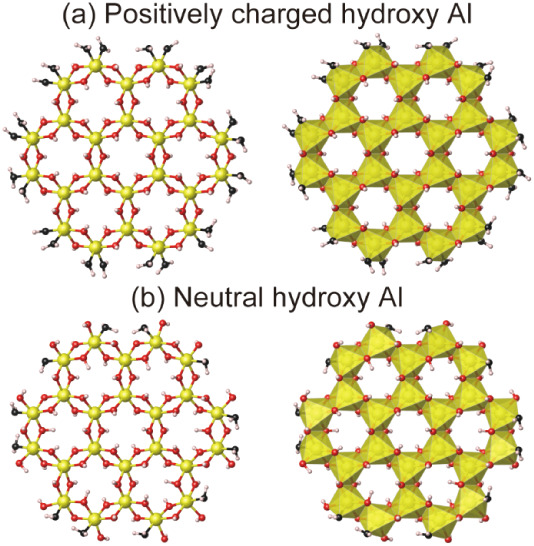 Figure 1
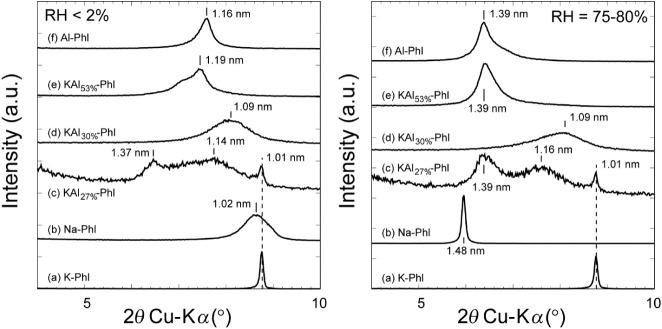 Figure 2
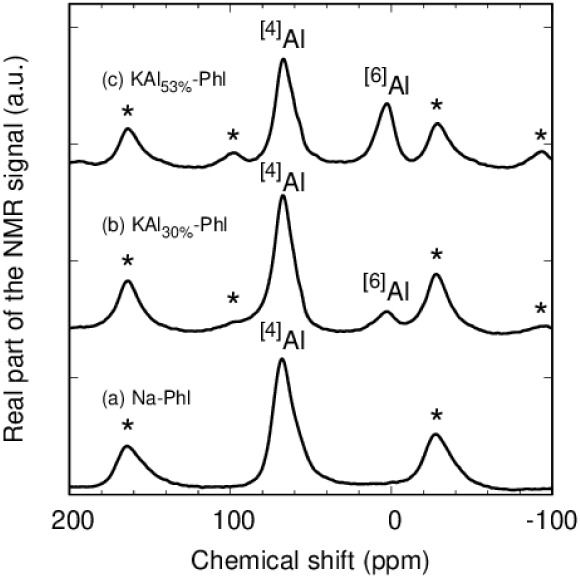 Figure 3
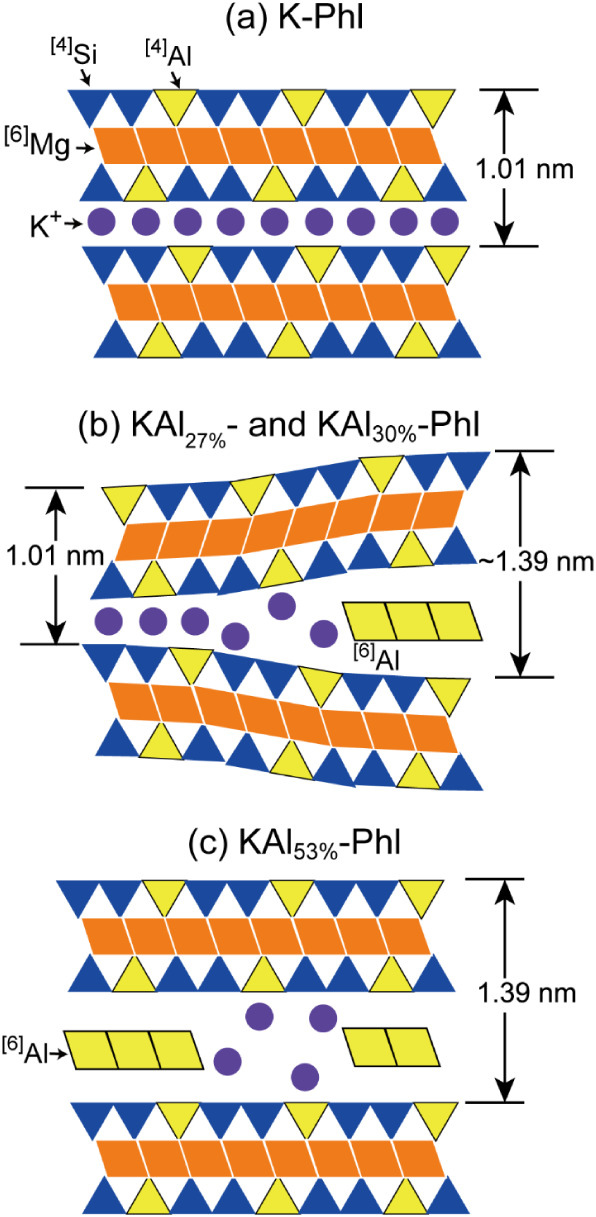 Figure 4
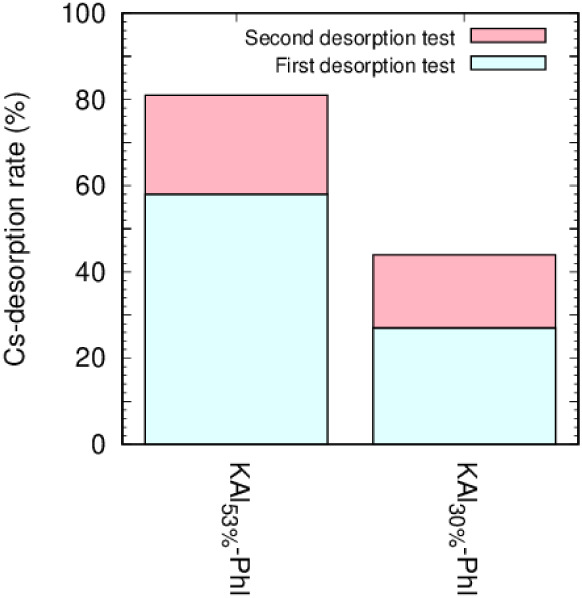 Figure 5
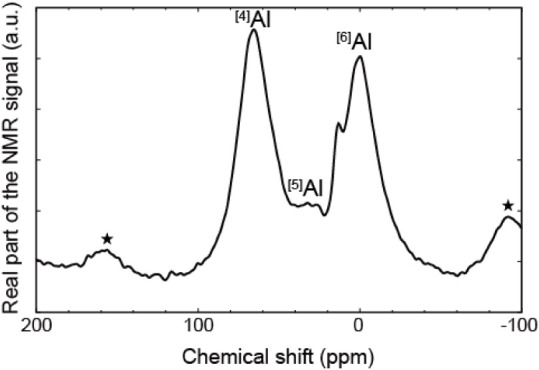 Figure 6
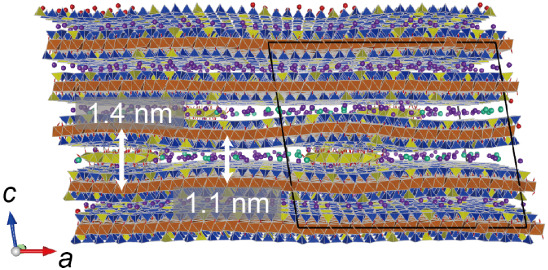 Figure 7
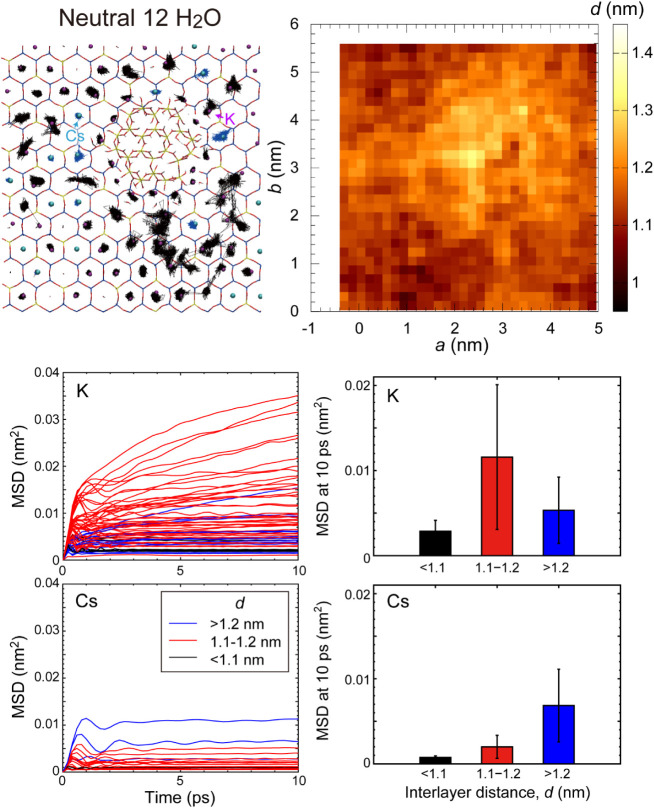 Figure 8
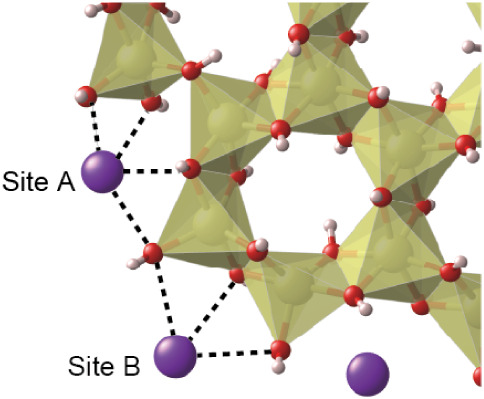 Figure 9
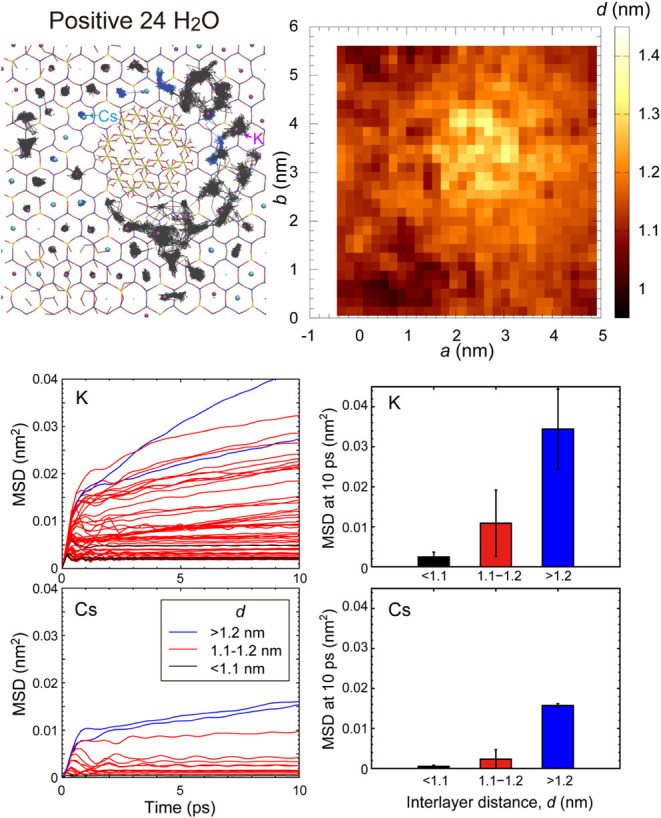 Figure 10
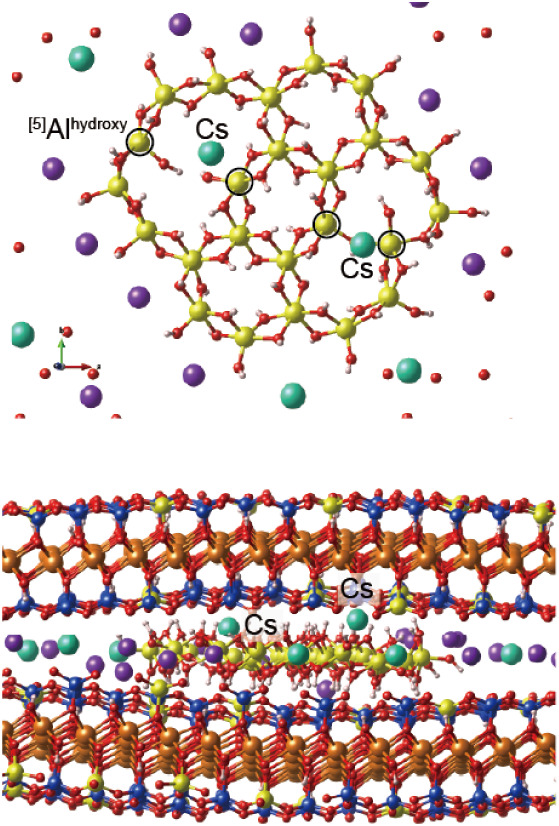 Figure 11
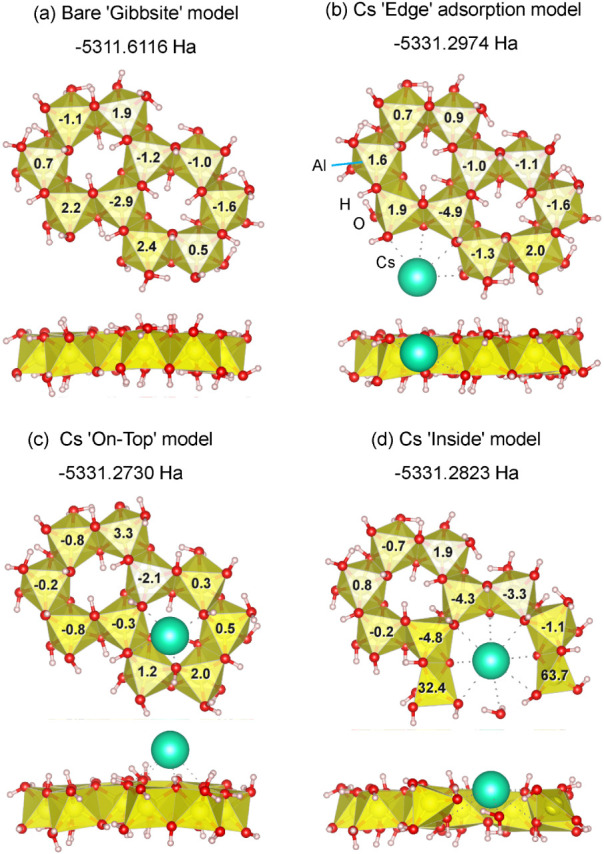 Figure 12
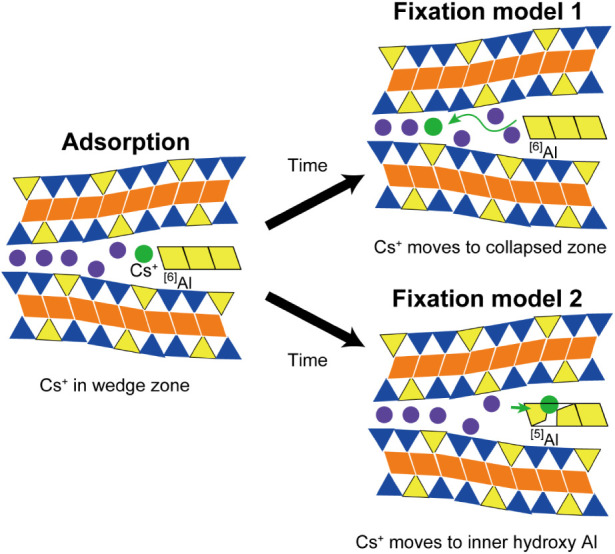 Figure 13
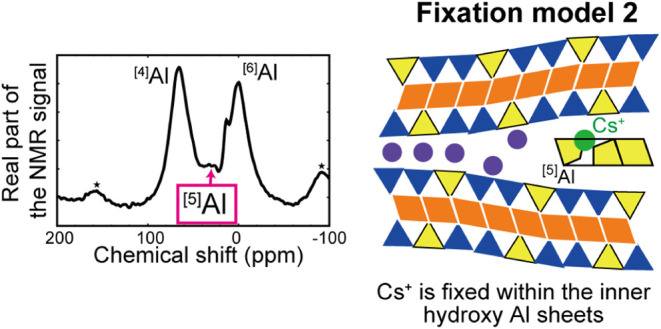 Figure 14
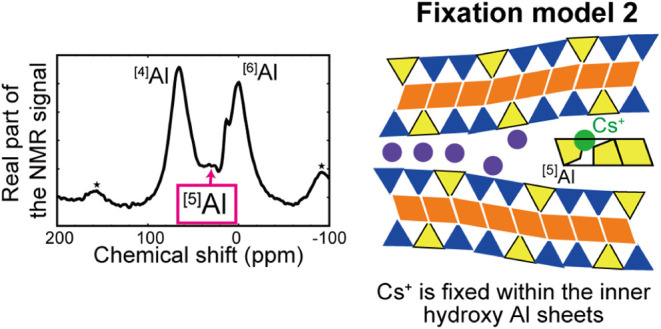 Figure 15
 Figure 16
 Figure 17
Peer Reviews
No public reviews on file for this paper yet. If you reviewed it on a platform where reviews are public (OpenReview, ICLR, NeurIPS, ICML), you can paste yours below so the community can read it here.
Videos
No videos yet. Explain this paper in a talk, walkthrough, or lecture? Add one.
Taxonomy
TopicsChemical Synthesis and Characterization · Radioactive contamination and transfer · Soil and Unsaturated Flow