Feasibility of a school-based peer-led high-intensity interval training intervention: the Young Fitness Leaders project
Kathryn L. Weston, Naomi L. Burn, Alexis Goroski, Matthew Weston, Brook Galna, Rosie Glossop, Maddey Patterson, Hannah Batten, Alfie Gordon, Laura Basterfield

TL;DR
This study tested if older students can lead high-intensity workouts for younger students in schools, finding it feasible but needing improvements for effectiveness.
Contribution
The study introduces a peer-led model for delivering high-intensity interval training in schools, addressing scalability issues.
Findings
Peer-led HIIT was feasible with high recruitment and retention rates.
Intervention heart rates were below target, suggesting delivery inconsistencies.
Acceptability was positive, but effectiveness may be limited without improved delivery.
Abstract
While school-based high-intensity interval training (HIIT) has demonstrated efficacy for improving adolescents’ physical and mental health, interventions have largely been researcher-led, which limits scalability. This could be resolved via peer-led programmes, whereby older pupils (i.e., peer-leaders) deliver HIIT to younger pupils (i.e., peer-recipients). We aimed to explore the feasibility of a school-based peer-led HIIT intervention. Using a non-randomised controlled trial design, 44 Year 7 pupils (aged 12.1 ± 0.3 years [mean ± SD]) were recruited from one school in North East England, with 21 (8 girls) allocated as peer-recipients to an 8-week HIIT intervention, and 23 (17 girls) as controls. Five Year 12–13 pupils (aged 17.3 ± 0.4 years) were recruited as peer-leaders and received training on school-based HIIT based on boxing and whole-body exercises. Peer-leaders then delivered…
Genes, proteins, chemicals, diseases, species, mutations and cell lines named across the full text — each resolved to its canonical identifier and authoritative record.
Click any figure to enlarge with its caption.
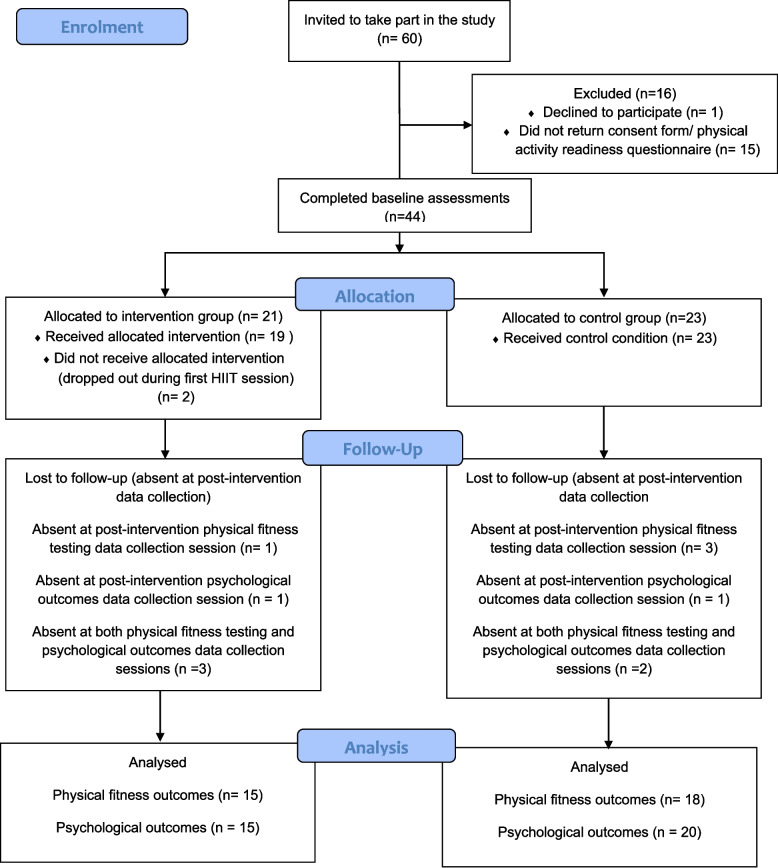 Figure 1
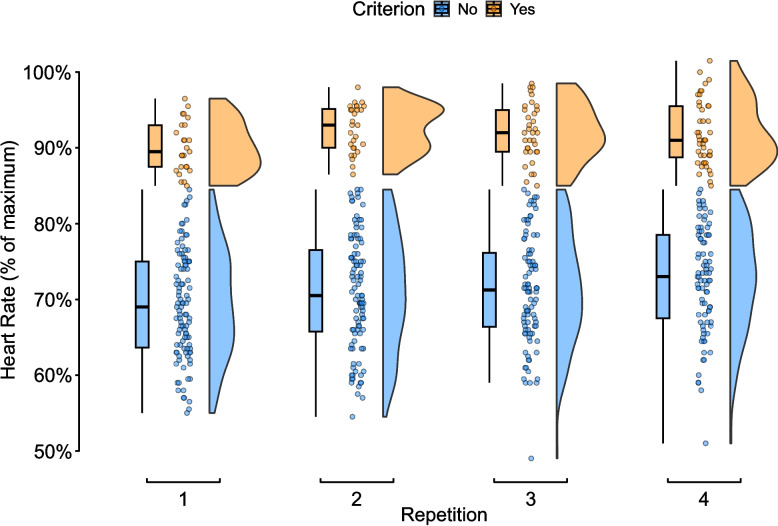 Figure 2
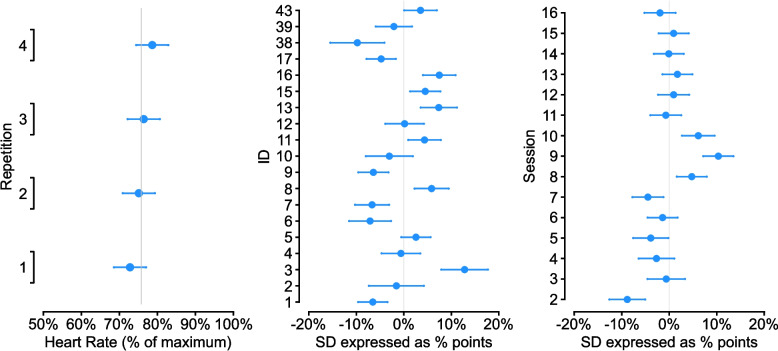 Figure 3
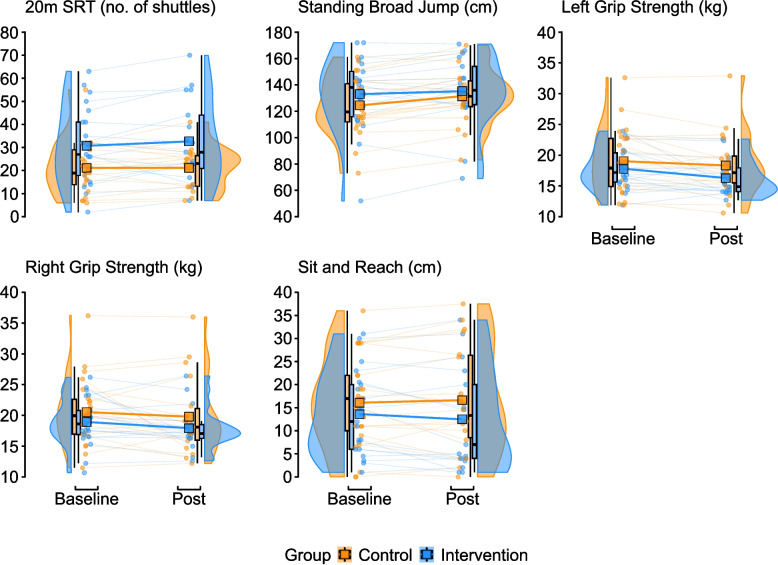 Figure 4
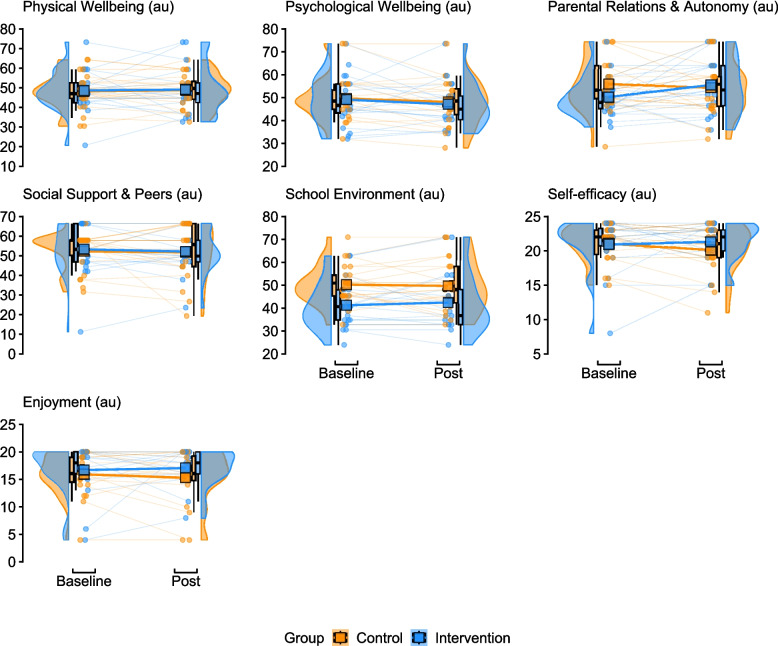 Figure 5
Peer Reviews
No public reviews on file for this paper yet. If you reviewed it on a platform where reviews are public (OpenReview, ICLR, NeurIPS, ICML), you can paste yours below so the community can read it here.
Videos
No videos yet. Explain this paper in a talk, walkthrough, or lecture? Add one.
Taxonomy
TopicsCardiovascular and exercise physiology · Heart Rate Variability and Autonomic Control · Cardiovascular Effects of Exercise