A STING signaling relay from tumor cells to macrophages mediates the improved efficacy of combination chemotherapy in pancreatic cancer
Honglu Ding, Yize Mao, Zehui Yao, Kaili Xing, Qiuxia Yang, Ruiqi Wang, Jun Wang, Yongxiang Liu, Hui Guo, Zining Wang, Xiaojuan Wang, Jinheng Wang, Jing Xue, Shengping Li, Xiaojun Xia

TL;DR
Adding cisplatin to standard chemotherapy improves pancreatic cancer treatment by activating a signaling pathway that boosts immune response.
Contribution
The study reveals a STING signaling relay between tumor cells and macrophages that enhances chemotherapy efficacy in pancreatic cancer.
Findings
The AGP regimen improves PDAC treatment outcomes in both patients and mouse models.
Cisplatin activates the cGAS-STING pathway in tumor cells, promoting CD8+ T cell recruitment and TAM polarization.
High STING expression in PDAC tissues correlates with better patient prognosis and immune cell infiltration.
Abstract
The therapeutic efficacy of traditional chemotherapy on pancreatic ductal adenocarcinoma (PDAC) remains dismal. In this study, we investigated the efficacy of adding cisplatin to the standard first-line gemcitabine plus nab-paclitaxel (AG) regimen (referred to as AGP) for PDAC treatment, and elucidated the underlying mechanisms, particularly the role of the cGAS-STING pathway in mediating chemotherapy-induced antitumor immunity in PDAC. We first reported the therapeutic efficacy of an AGP regimen in patients with PDAC through a clinical retrospective analysis. Next, we mimicked the enhanced efficacy of the AGP regimen in both subcutaneous and orthotopic PDAC mouse models. Comprehensive immune profiling was performed using mass cytometry, flow cytometry, multiplex immunofluorescence, and RNA sequencing to characterize changes in immune cell populations and phenotypes. The functional…
Genes, proteins, chemicals, diseases, species, mutations and cell lines named across the full text — each resolved to its canonical identifier and authoritative record.
Click any figure to enlarge with its caption.
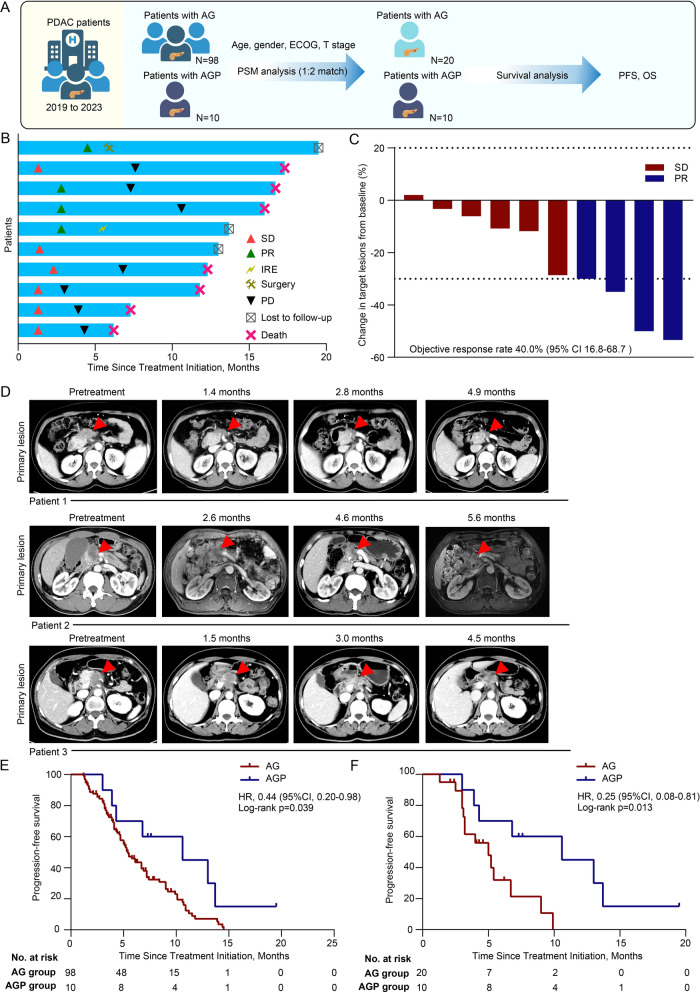 Figure 1
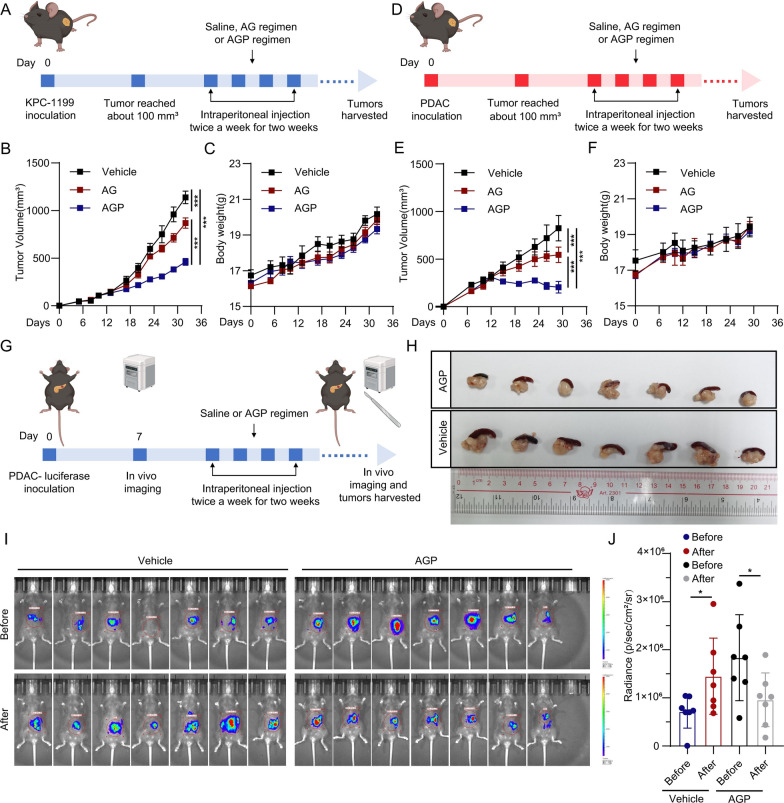 Figure 2
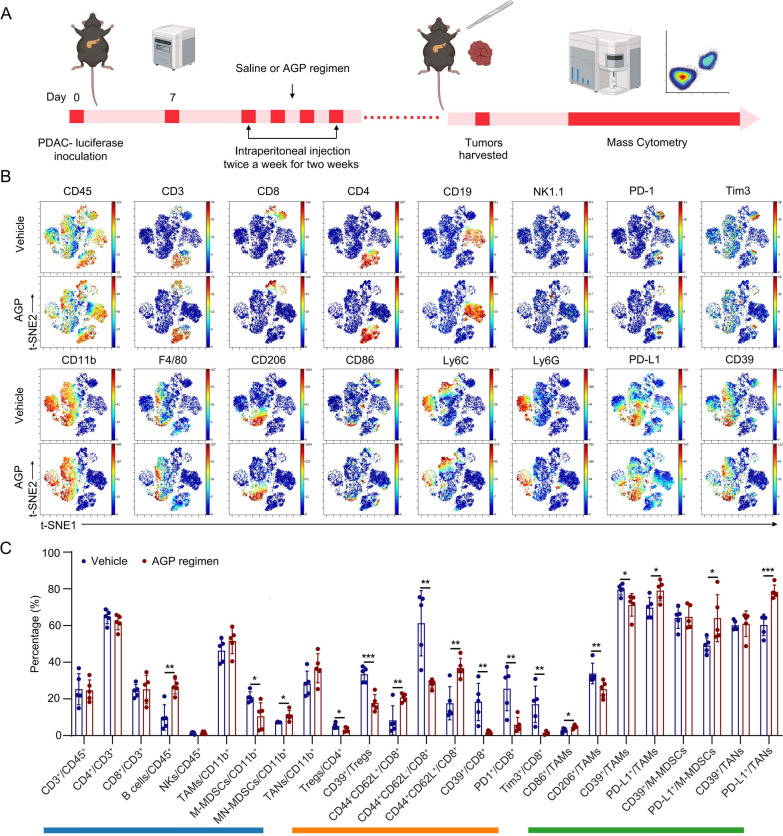 Figure 3
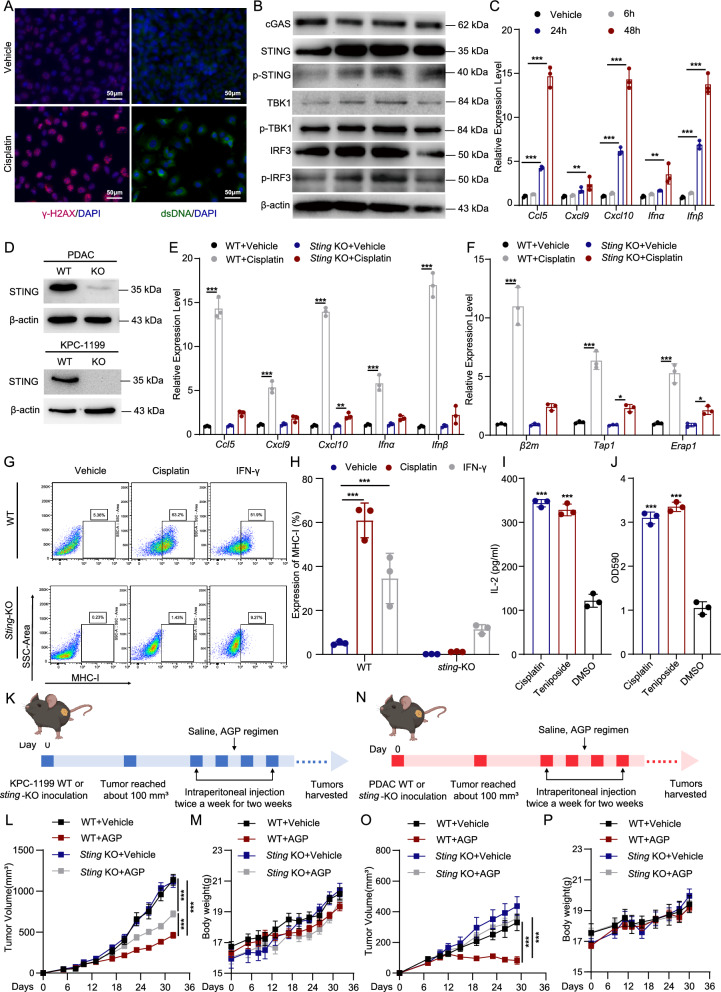 Figure 4
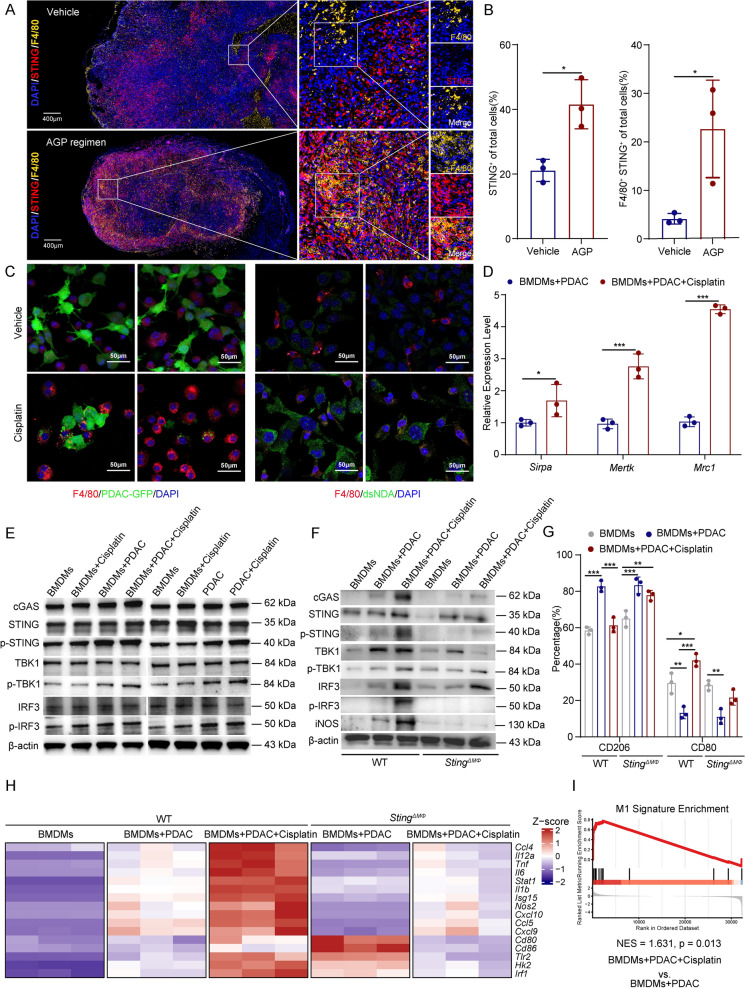 Figure 5
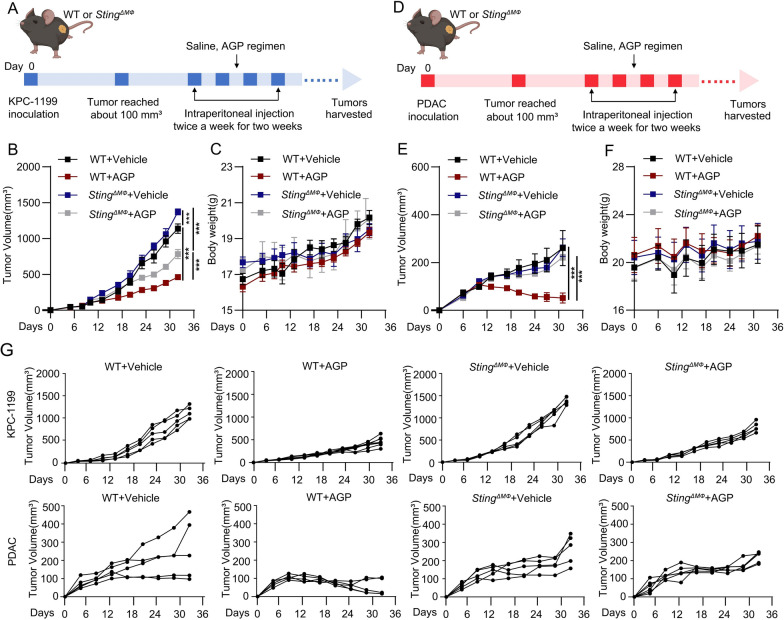 Figure 6
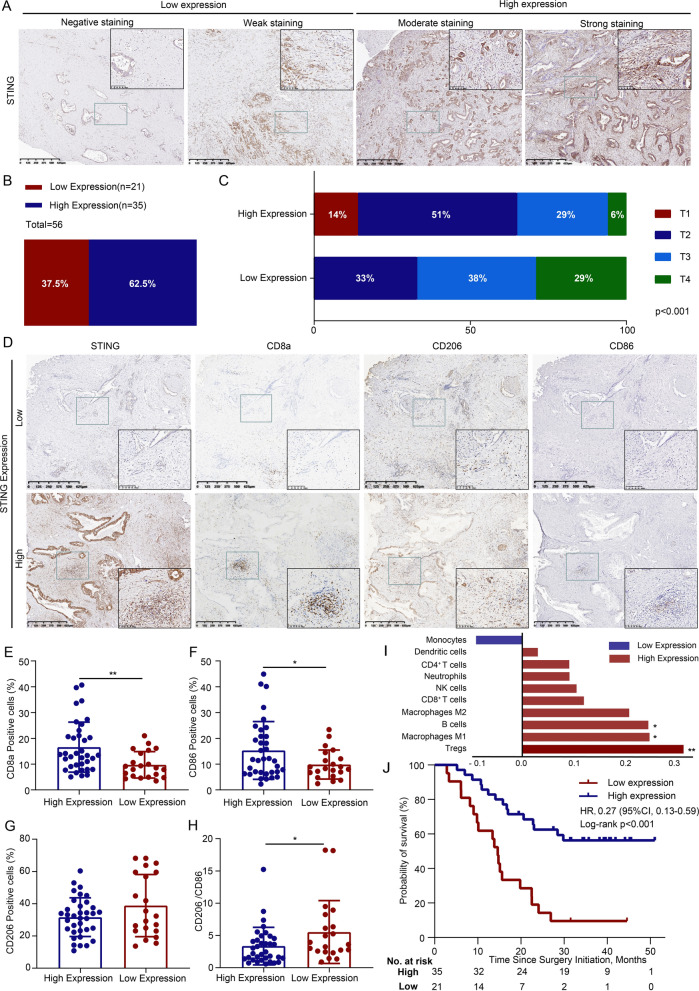 Figure 7
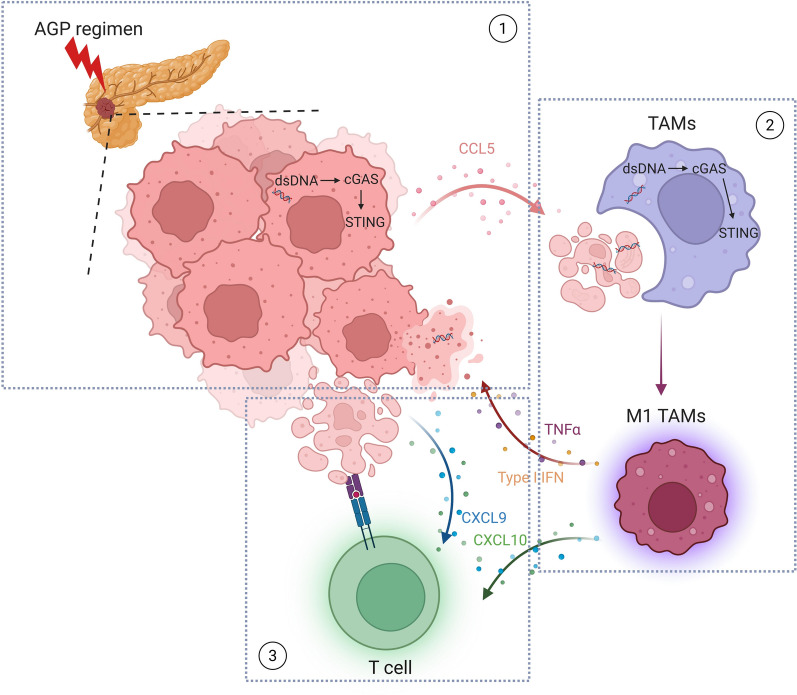 Figure 8
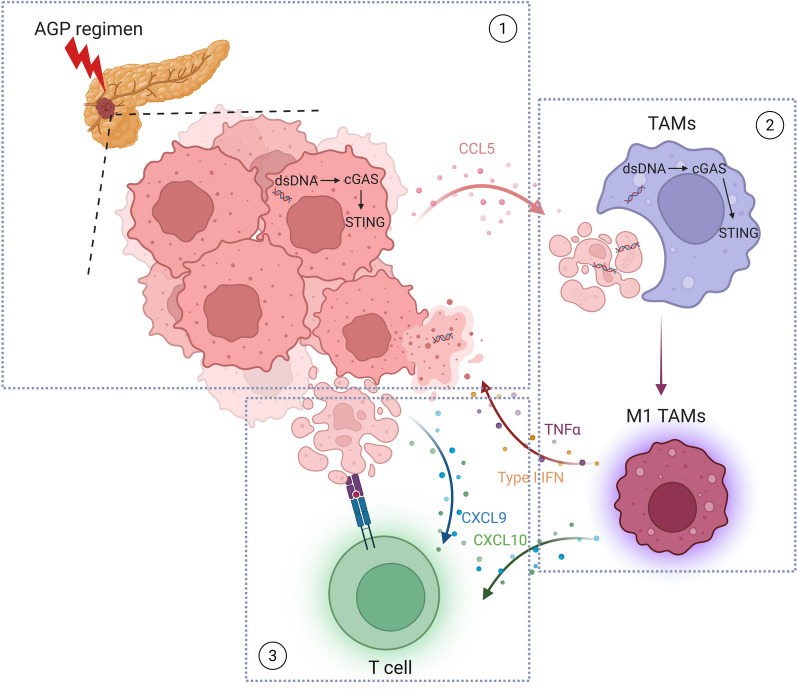 Figure 9
Peer Reviews
No public reviews on file for this paper yet. If you reviewed it on a platform where reviews are public (OpenReview, ICLR, NeurIPS, ICML), you can paste yours below so the community can read it here.
Videos
No videos yet. Explain this paper in a talk, walkthrough, or lecture? Add one.
Taxonomy
Topicsinterferon and immune responses · Immune cells in cancer · Chromatin Remodeling and Cancer