Prevalence and molecular epidemiology of rotavirus gastroenteritis among children in Nairobi’s urban informal settlements following introduction of the Rotavac® vaccine
Winfred Mbithi, Ernest A. Wandera, Anthony K. Nyamache, Daniel Hungerford, Amos Njuguna, Michael Mugo, Aoko Johnpaul Ogutha, Christine Kioko, Darius Ideke, Carlene Sang, James Nyangao, Phelgona Otieno, Fredrick Were, Khuzwayo C. Jere, Nigel A. Cunliffe, Samuel Kariuki

TL;DR
This study examines the impact of the Rotavac® vaccine on rotavirus gastroenteritis in Nairobi's urban informal settlements, finding it to be effective despite the presence of diverse and emerging strains.
Contribution
The study provides new evidence on Rotavac® vaccine effectiveness and strain diversity in Nairobi's urban informal settlements following vaccine introduction.
Findings
Rotavirus was detected in 19.5% of stool samples, with the highest detection in children aged 12–23 months.
Rotavac® vaccine effectiveness was estimated at 74.1%, with vaccinated children showing significantly lower rotavirus prevalence.
Emerging rotavirus strains, including equine-like strains, were identified, highlighting the need for ongoing surveillance.
Abstract
Rotavirus is the leading cause of acute gastroenteritis among children under five years of age globally. In Kenya, rotavirus vaccination was introduced in 2014 using Rotarix® (G1P[8]), with a subsequent national transition to Rotavac® (G9P[11]) vaccine, in 2023. Evidence on post-introduction rotavirus disease burden, strain diversity, and Rotavac® vaccine effectiveness in Kenya remains limited. This study assessed the burden of rotavirus gastroenteritis and vaccine effectiveness of the rotavirus vaccine among children under five years of age in Nairobi’s urban slums, after the rollout of the Rotavac® vaccine. In this cross-sectional surveillance study, 353 stool samples were collected from children under five years of age presenting with acute gastroenteritis at selected health facilities in Mukuru informal settlement, Nairobi, between October 2023 and November 2024. The samples were…
Genes, proteins, chemicals, diseases, species, mutations and cell lines named across the full text — each resolved to its canonical identifier and authoritative record.
Click any figure to enlarge with its caption.
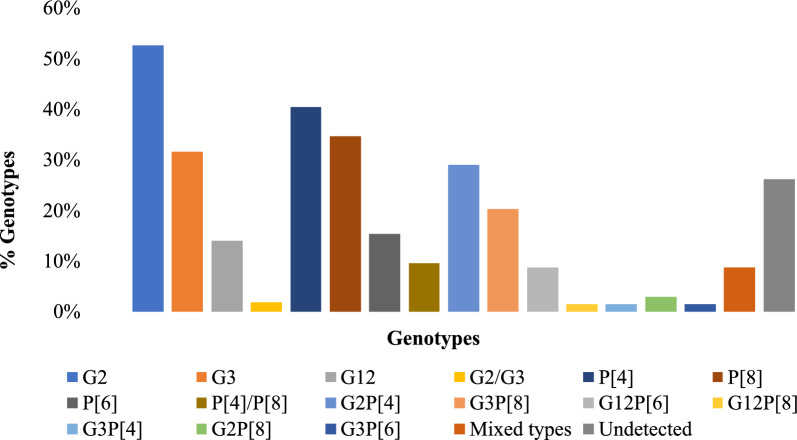 Figure 1
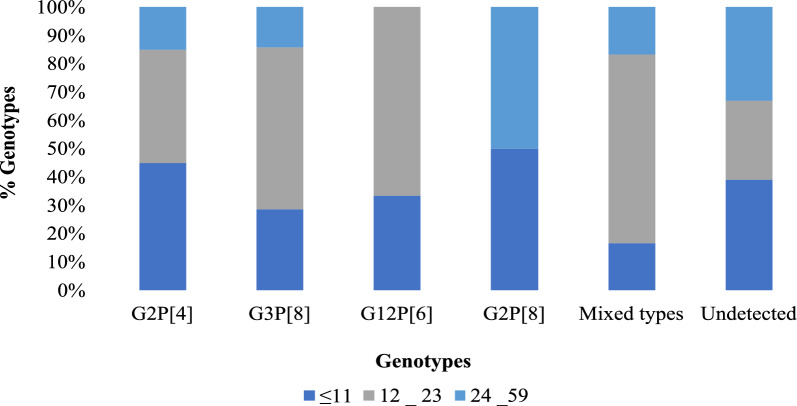 Figure 2
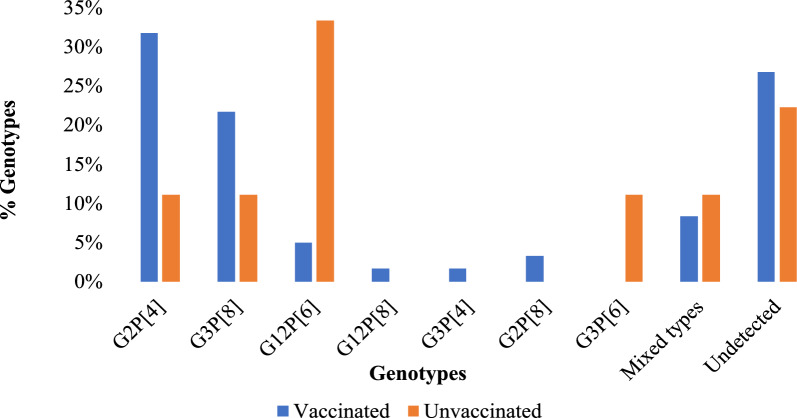 Figure 3
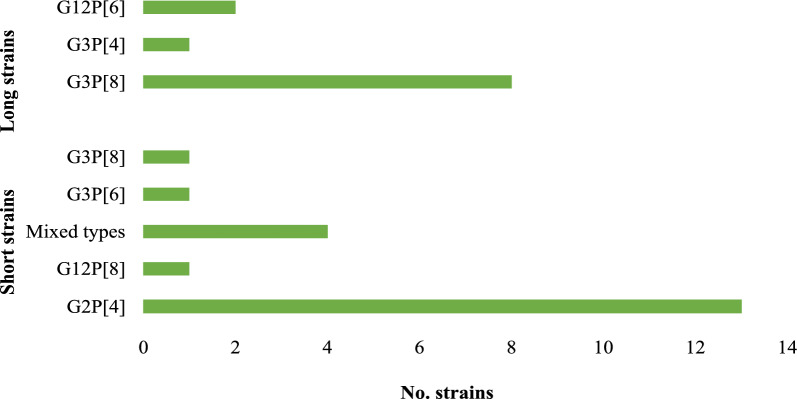 Figure 4
Peer Reviews
No public reviews on file for this paper yet. If you reviewed it on a platform where reviews are public (OpenReview, ICLR, NeurIPS, ICML), you can paste yours below so the community can read it here.
Videos
No videos yet. Explain this paper in a talk, walkthrough, or lecture? Add one.
Taxonomy
TopicsViral gastroenteritis research and epidemiology · Viral Infections and Outbreaks Research · Infection Control and Ventilation