Effects of mirror therapy preceding augmented reality in stroke rehabilitation: a randomized controlled trial
Chia-Jung Lin, Keh-chung Lin, Hiu-Ying Lau, Yu-wei Hsieh, Yi-chun Li, Wen-Shiang Chen, Chia-Ling Chen, Ya-Ju Chang, Ya-Yun Lee, Grace Yao, Yi-shiung Hrong, Hsiao-Chieh Pan, Yi-Hsuan Wu, Wan-Ling Hsu, Chih-chieh Kuo, Han-ting Tsai, Chih-yu Lin, Pin-chen Chang

TL;DR
Combining mirror therapy with augmented reality improves stroke recovery more than either method alone or conventional therapy.
Contribution
This study is the first to compare mirror therapy-primed augmented reality with AR and conventional therapy in stroke rehabilitation.
Findings
MT + AR and AR groups showed better balance and proprioception recovery than conventional therapy.
MT + AR outperformed AR in upper limb motor function and tactile sensory recovery.
No adverse effects were observed in any of the treatment groups.
Abstract
Mirror therapy (MT) and augmented reality (AR) are gaining popularity in stroke rehabilitation. MT uses mirror visual feedback to promote bilateral brain coupling and increase primary motor cortex excitability. AR offers an interactive context of practice for promoting motor and cognitive recovery. MT and AR may complement each other for hybrid interventions in stroke rehabilitation. This study investigated the benefits of MT-primed AR (MT + AR) versus AR group, relative to conventional therapy (CT) for individuals with stroke. The study randomly assigned 45 stroke survivors to the MT + AR group, the AR, or the CT group, and 44 of them completed the experiment and were included in the analysis. Each treatment session was 90 min, 3 times a week, for 6 weeks. All assessments were administered before, immediately after treatment, and at 3 months. Primary outcome measures were the…
Genes, proteins, chemicals, diseases, species, mutations and cell lines named across the full text — each resolved to its canonical identifier and authoritative record.
Click any figure to enlarge with its caption.
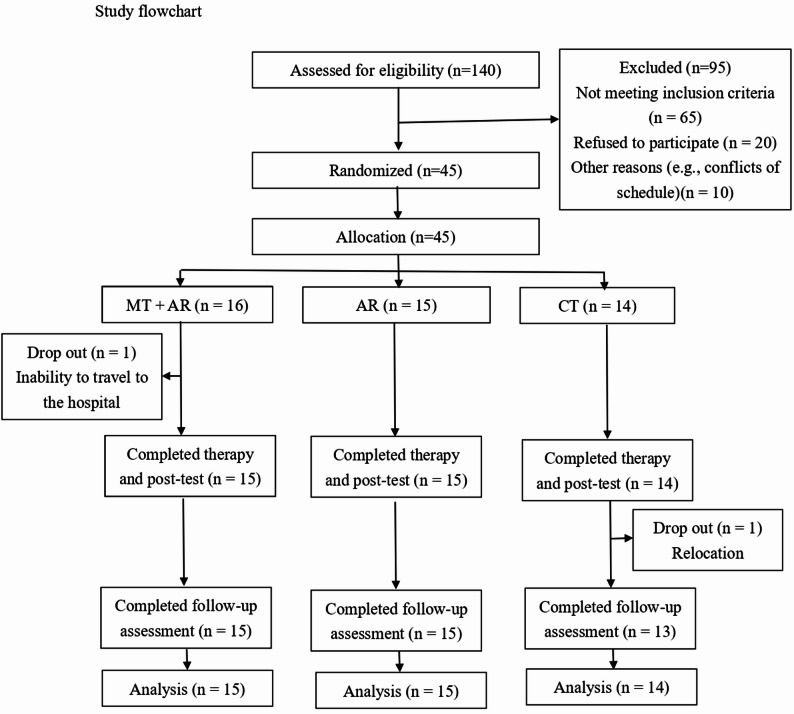 Figure 1
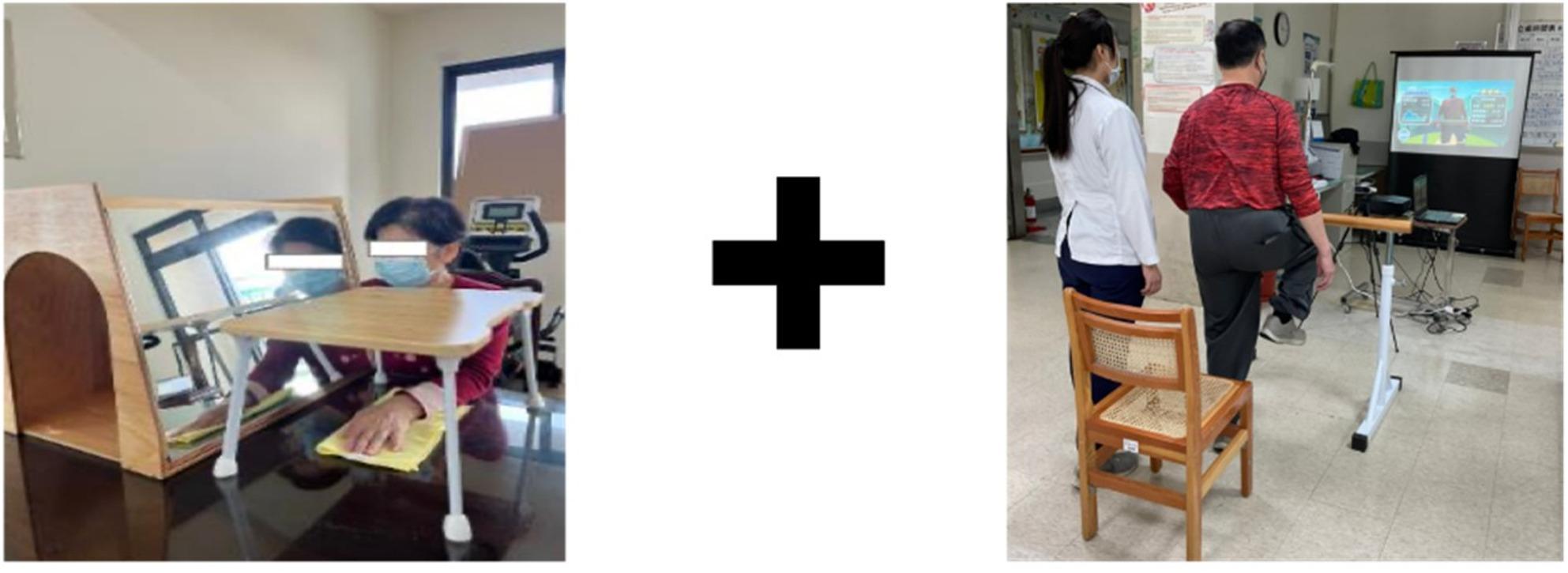 Figure 2
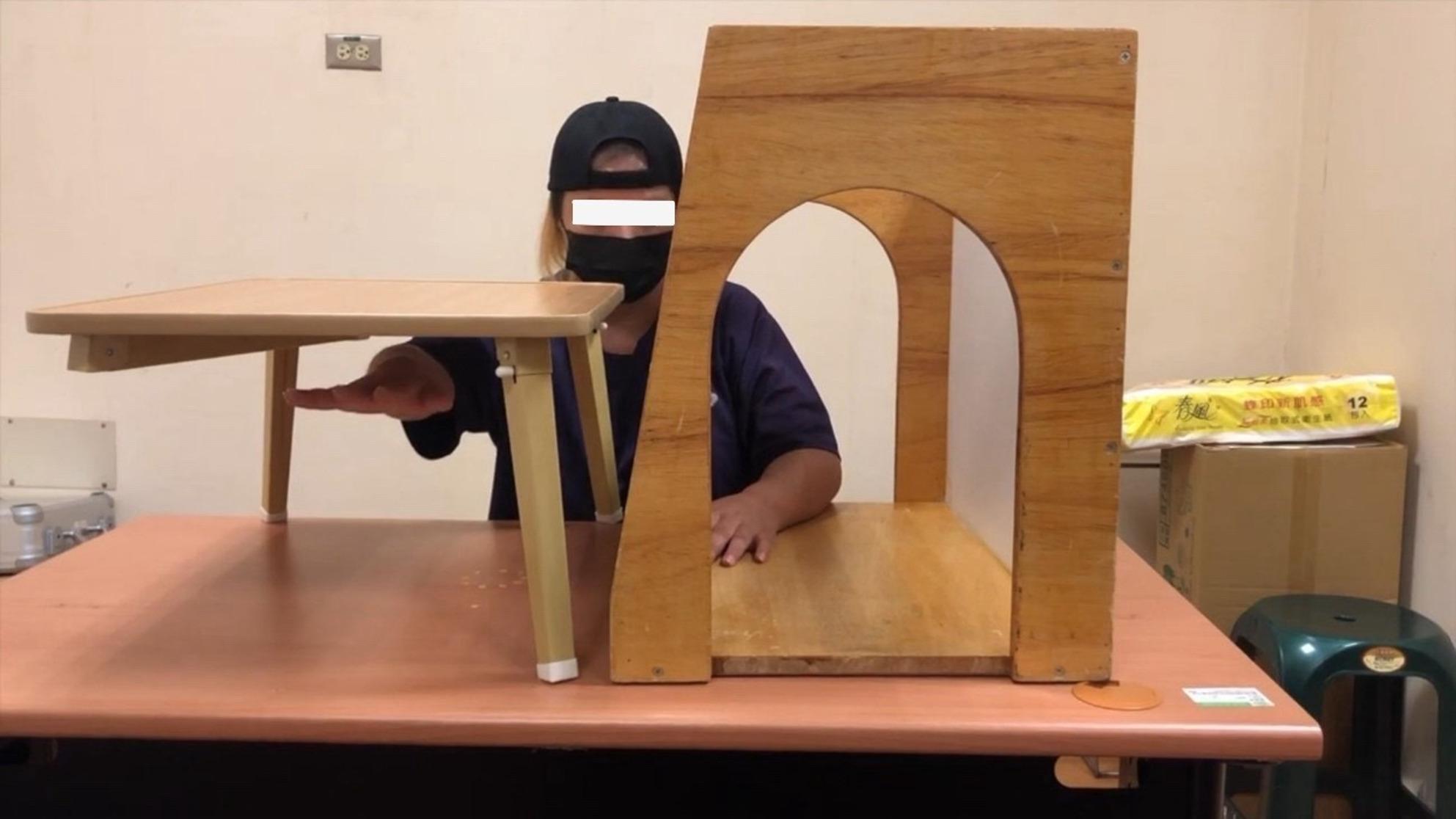 Figure 3
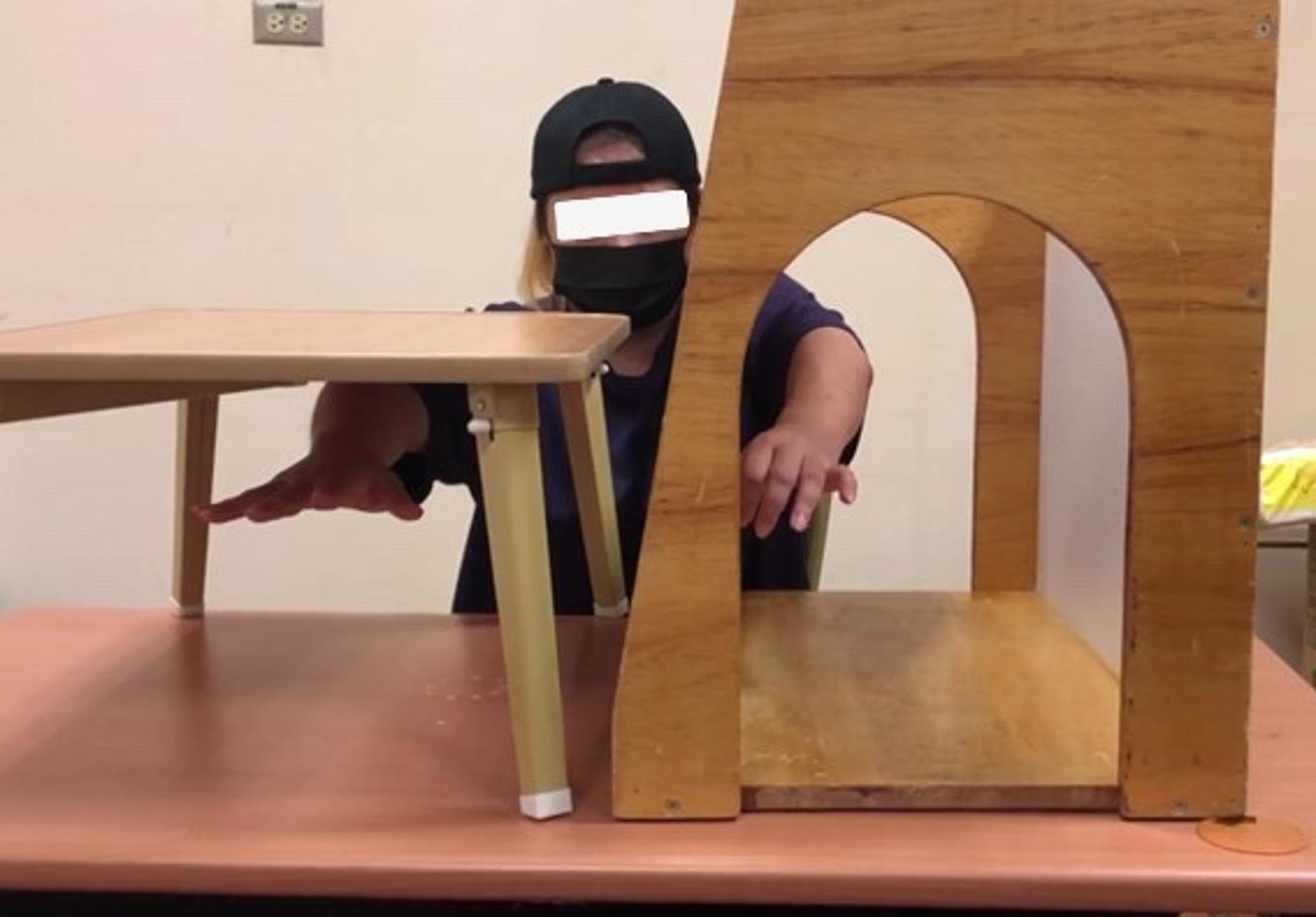 Figure 4
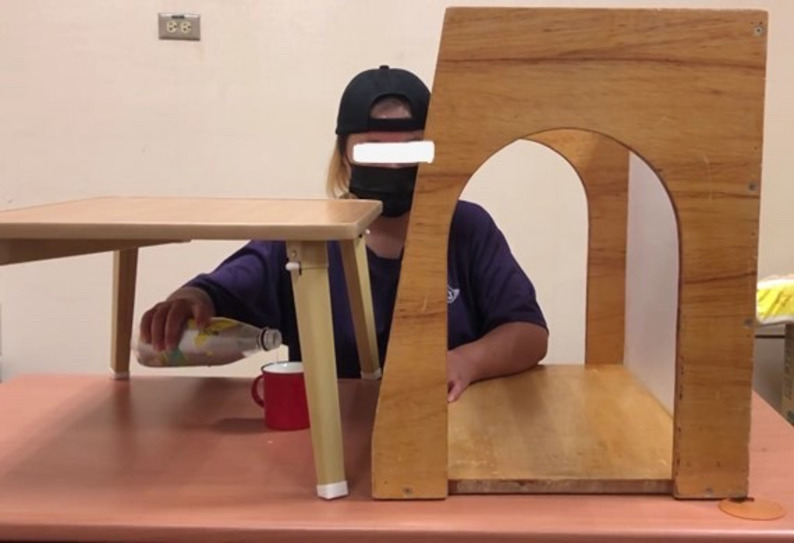 Figure 5
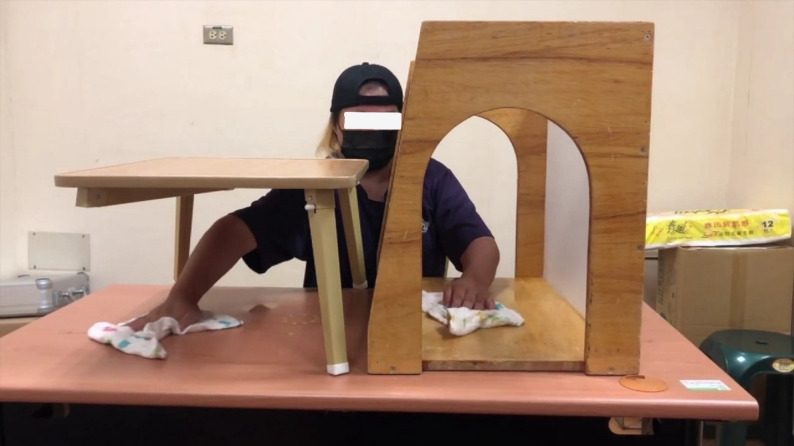 Figure 6
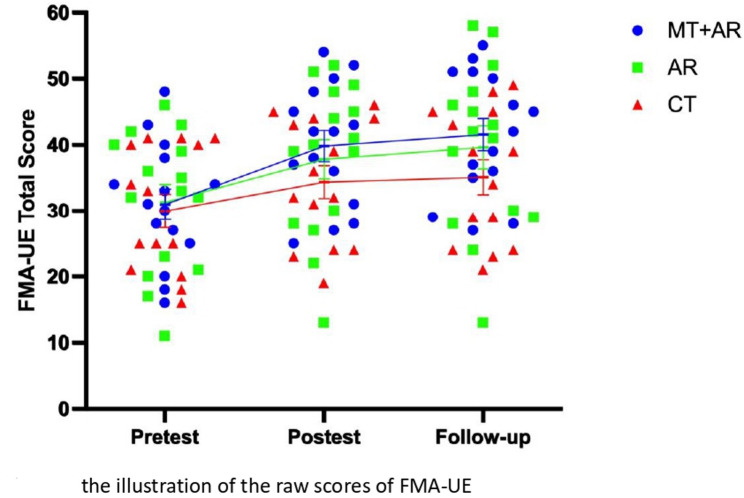 Figure 7
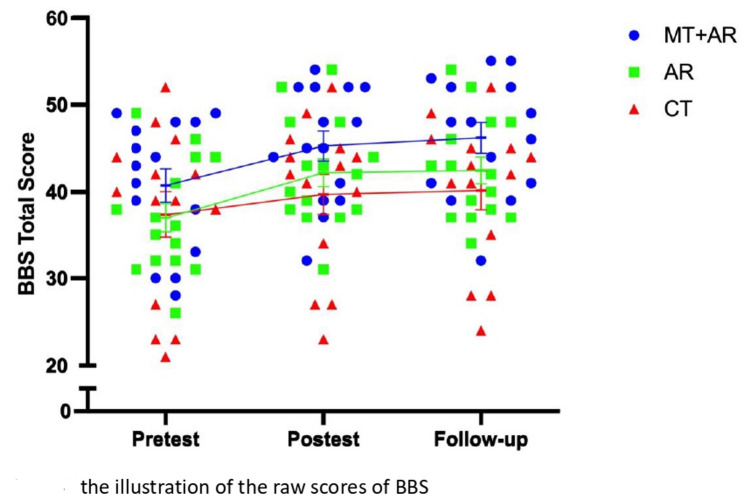 Figure 8
Peer Reviews
No public reviews on file for this paper yet. If you reviewed it on a platform where reviews are public (OpenReview, ICLR, NeurIPS, ICML), you can paste yours below so the community can read it here.
Videos
No videos yet. Explain this paper in a talk, walkthrough, or lecture? Add one.
Taxonomy
TopicsStroke Rehabilitation and Recovery · Virtual Reality Applications and Impacts · Augmented Reality Applications