Crystallographic and computational investigation of a bent-core Schiff base Ni(ii) complex with DNA and protein binding studies
Kamrun Nahar Alia, Bugra Koknarugmani Debbarma, Sourav Nath, Subhadip Roy, Alan R. Kennedy, Suman Adhikari, Malavika S. Kumar, Avijit Kumar Das, Samiyara Begum, Golam Mohiuddin

TL;DR
A new bent-core Schiff base ligand and its nickel complex were designed and studied for their DNA and protein binding properties.
Contribution
The novel bent-core ligand with AIE behavior and its Ni(ii) complex show strong biomolecular binding potential.
Findings
The ligand exhibits aggregation-induced emission behavior and forms a square-planar Ni(ii) complex.
The complex shows strong binding affinity to DNA and serum proteins with low detection limits.
Molecular docking confirms stable binding to BSA with a binding energy of −8.52 kcal mol−1.
Abstract
The rational design and synthesis of a three-ring bent-core Schiff base ligand, (E)-4-(trifluoromethyl)phenyl-3-((4-butoxy-2-hydroxybenzylidene)amino)-2-methylbenzoate (HL), and its mononuclear Ni(ii) complex, [Ni(L)2] (1), are described. The presence of a polar –CF3 group and a flexible butoxy chain imparts amphiphilic character to HL and induces aggregation-induced emission (AIE) behavior. Coordination with NiCl2 yields a square-planar complex, as confirmed by spectroscopic methods, single-crystal X-ray diffraction analysis, and topological analysis. Fluorescence and SEM studies substantiate the aggregation propensity of HL. Density functional theory (DFT) and natural bond orbital (NBO) analyses reveal pronounced ligand-to-metal charge transfer in (1) and a moderate HOMO–LUMO gap of 4.00 eV, indicative of kinetic stability and optoelectronic relevance. Complex (1) exhibits strong…
Genes, proteins, chemicals, diseases, species, mutations and cell lines named across the full text — each resolved to its canonical identifier and authoritative record.
Click any figure to enlarge with its caption.
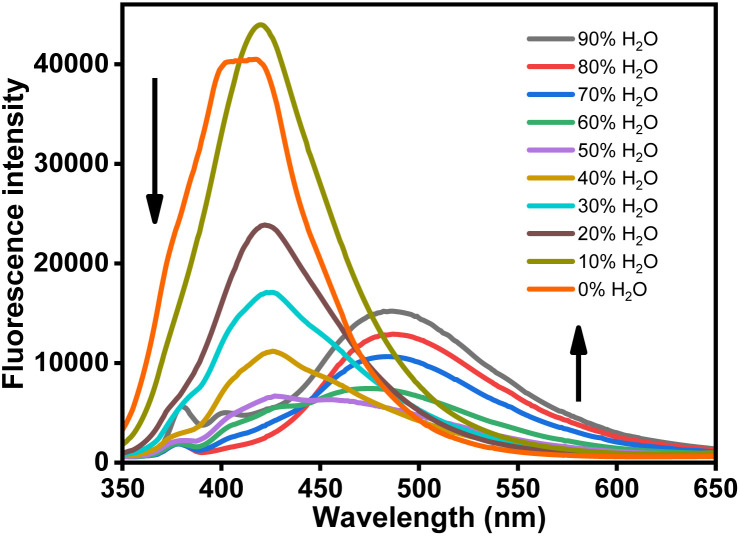 Figure 1
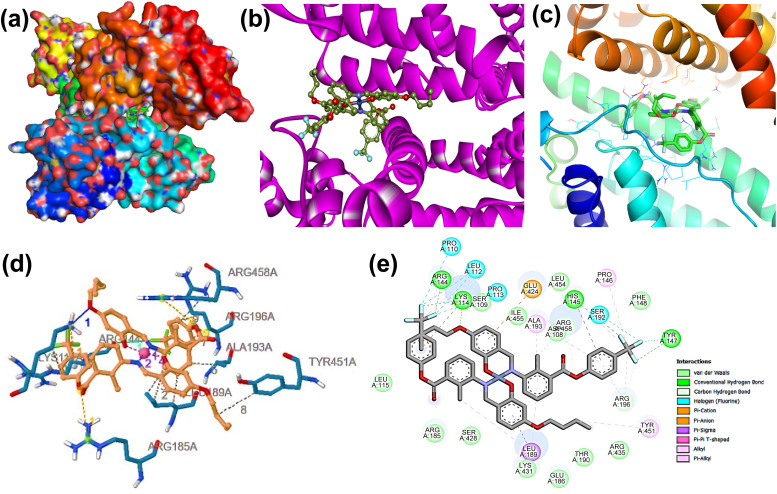 Figure 2
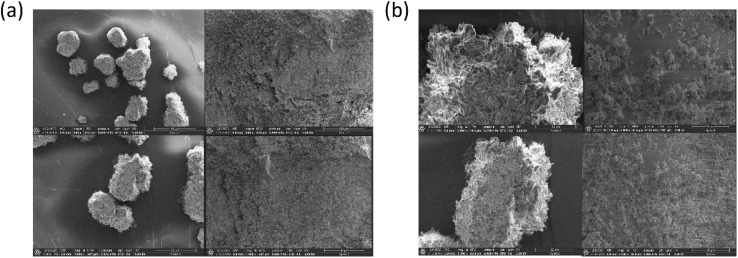 Figure 3
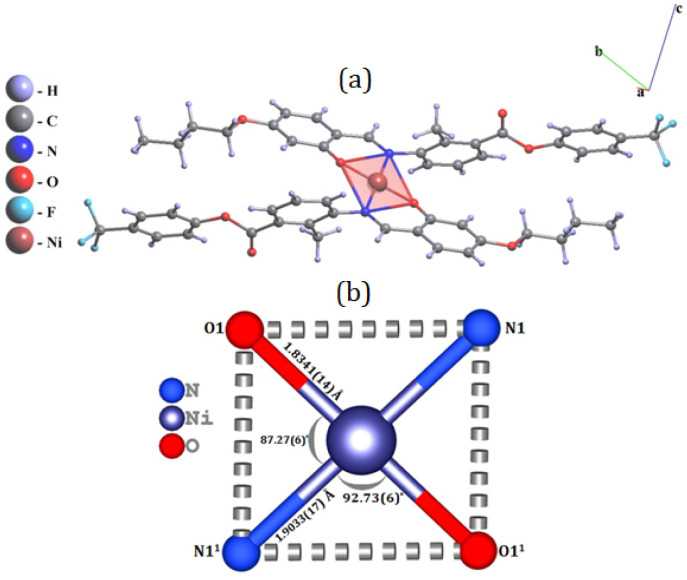 Figure 4
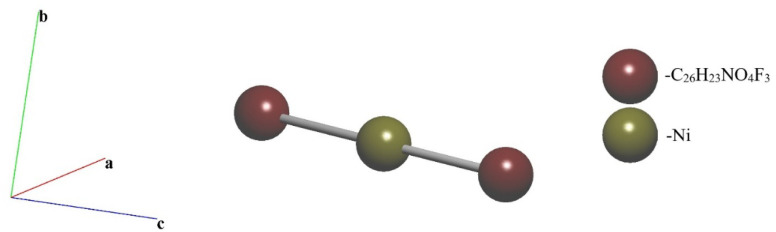 Figure 5
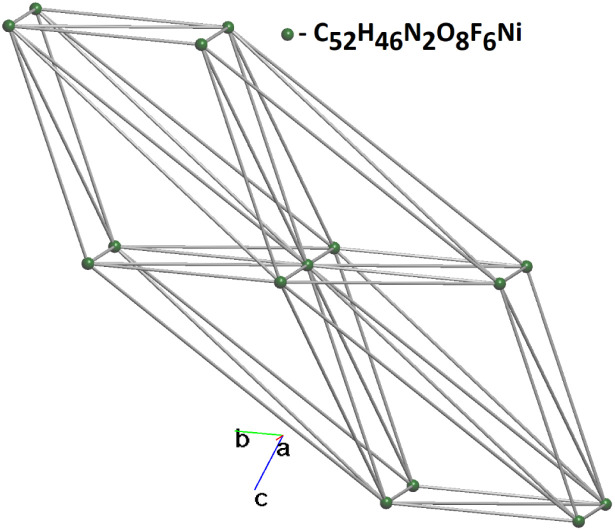 Figure 6
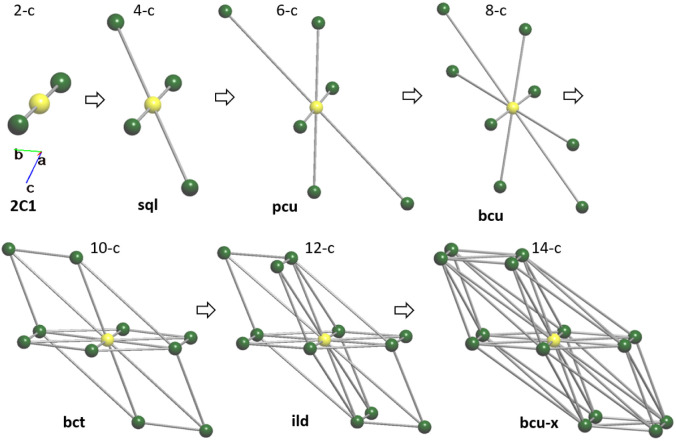 Figure 7
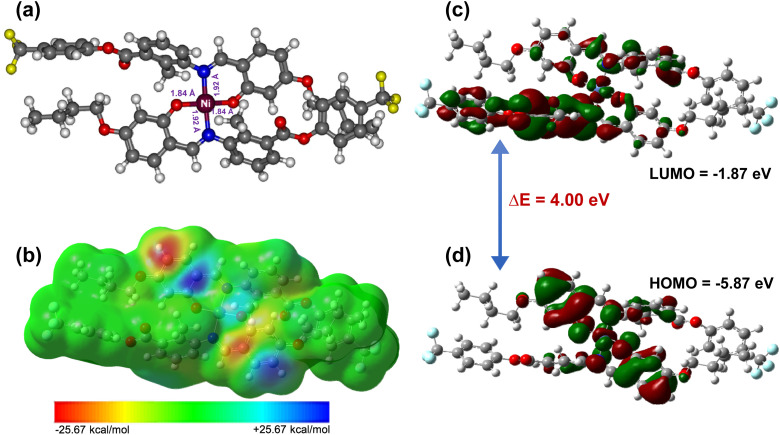 Figure 8
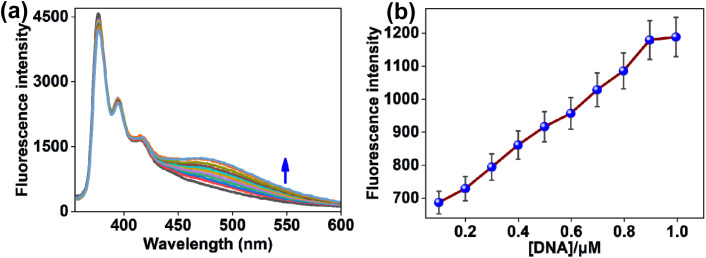 Figure 9
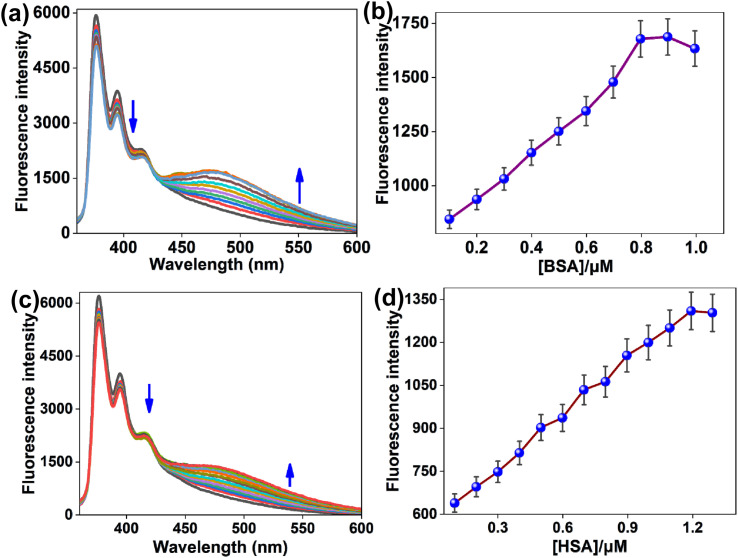 Figure 10
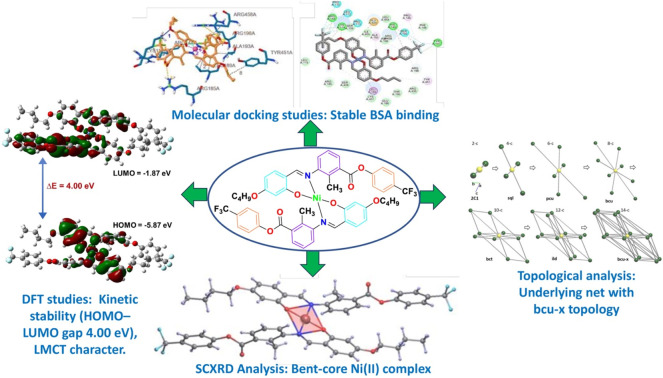 Figure 11
 Figure 12
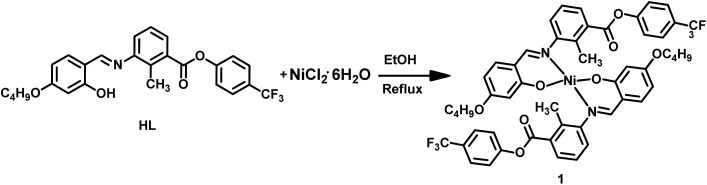 Figure 13
Peer Reviews
No public reviews on file for this paper yet. If you reviewed it on a platform where reviews are public (OpenReview, ICLR, NeurIPS, ICML), you can paste yours below so the community can read it here.
Videos
No videos yet. Explain this paper in a talk, walkthrough, or lecture? Add one.
Taxonomy
TopicsMetal complexes synthesis and properties · Ferrocene Chemistry and Applications · Metal-Catalyzed Oxygenation Mechanisms