Synthesis, Structure, and Function of Heparan Sulfate Glycopolymers to Investigate Glycosaminoglycan–Protein Interactions
Kartikey Singh, April Sweet Tapayan, Israel Vlodavsky, Hien M. Nguyen

TL;DR
Scientists designed new heparan sulfate mimics to better target disease-related proteins, showing strong anti-cancer and protective effects in models.
Contribution
A novel glycopolymer-based approach to synthesize HS mimetics with precise structural control and multivalency for targeted HSBP interactions.
Findings
The synthesized glycopolymer showed superior potency and selectivity over existing HPSE inhibitors.
The glycopolymer demonstrated antimetastatic activity in mammary carcinoma and myeloma cancer models.
It protected pancreatic β-cells and human islets from HPSE-induced damage.
Abstract
Heparan sulfate (HS), a highly sulfated glycosaminoglycan, varies in its disaccharide units, chain length, and sulfation patterns. HS structural diversity and its localization at cell surfaces and in the extracellular matrix enable HS interaction with a breadth of HS-binding proteins (HSBPs), HS thus being a co-receptor for other proteins and initiating various biological responses. Several designed and studied HS mimetics modulate HSBP activity implicated in various diseases. A key HSBP is heparanase (HPSE), which can cleave HS into smaller fragments, facilitating release of angiogenic growth factors, activating biological signals that may contribute to pathological conditions (promoting tumor development and metastasis), and enabling autoreactive immune cells to target insulin-producing β-cells. Thus, HPSE serves as a crucial target for disease therapy strategies. Several…
Genes, proteins, chemicals, diseases, species, mutations and cell lines named across the full text — each resolved to its canonical identifier and authoritative record.
Click any figure to enlarge with its caption.
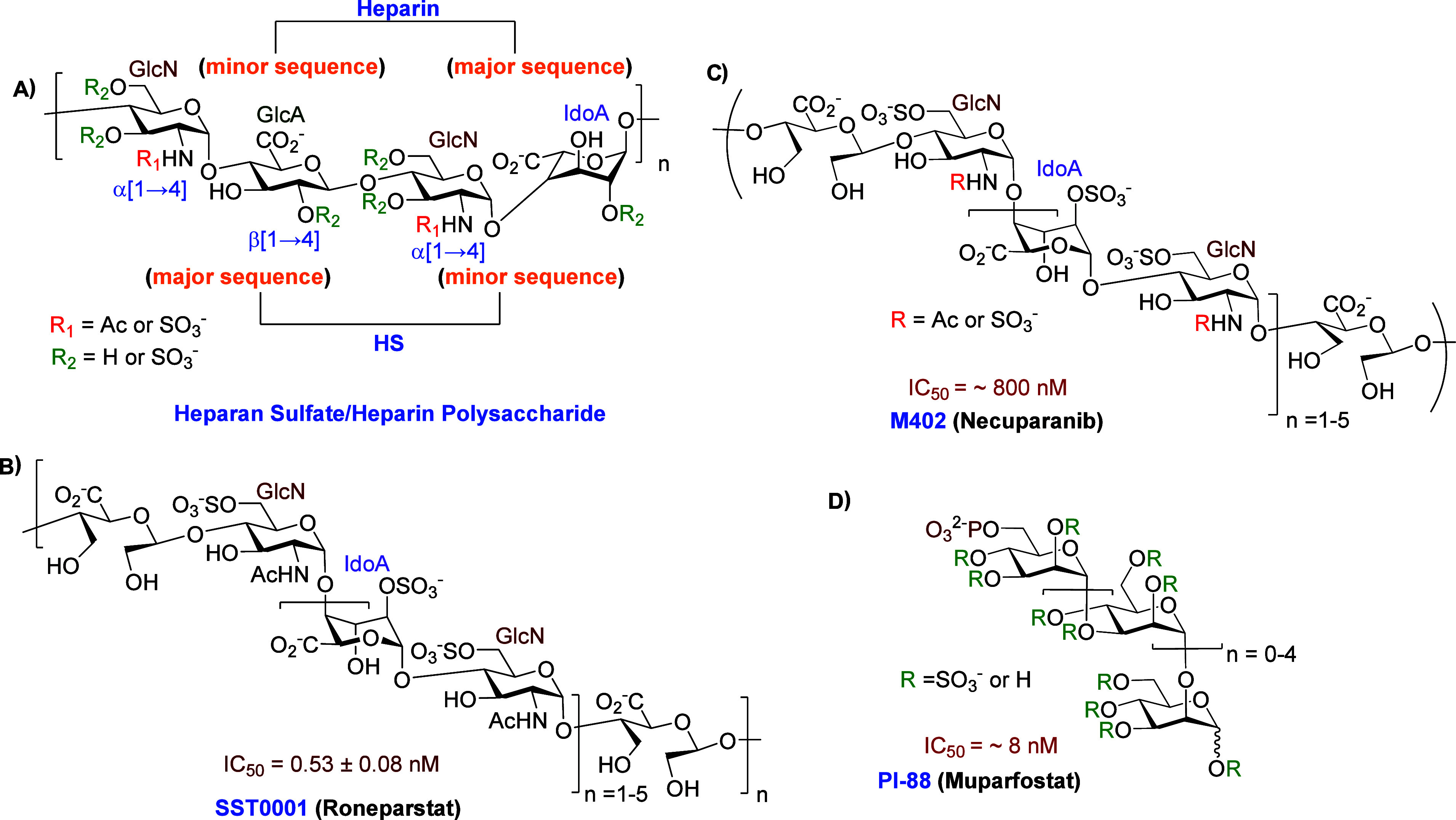 Figure 1
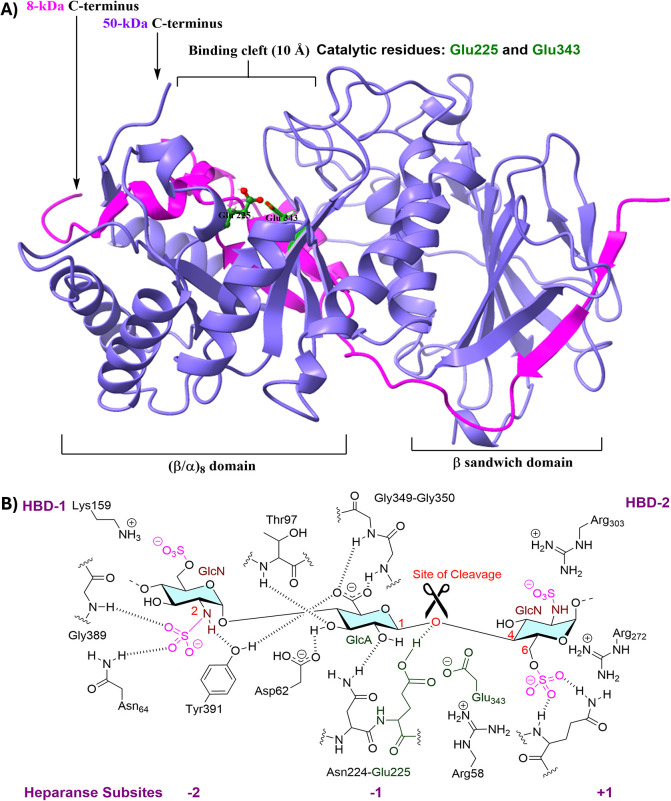 Figure 2
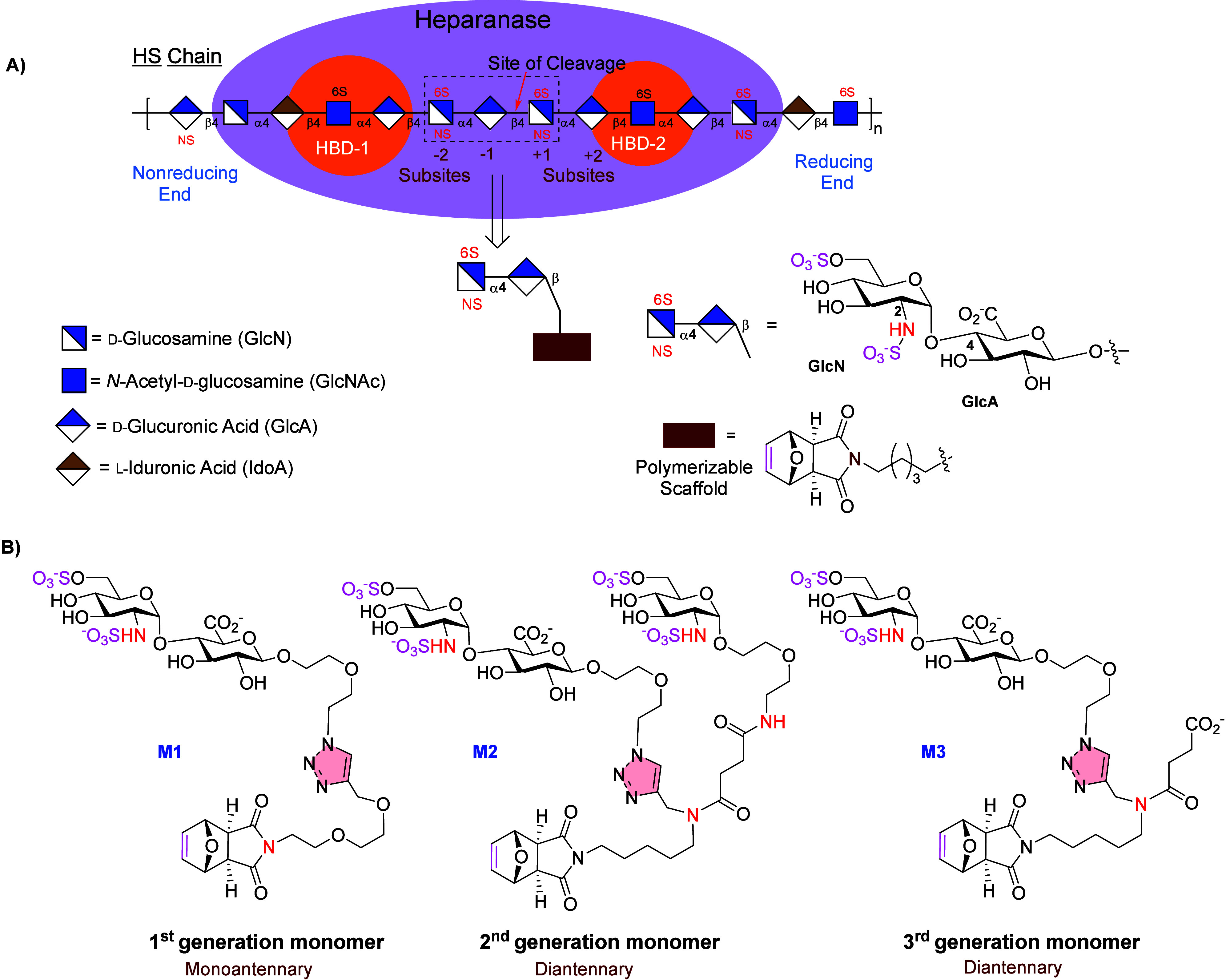 Figure 3
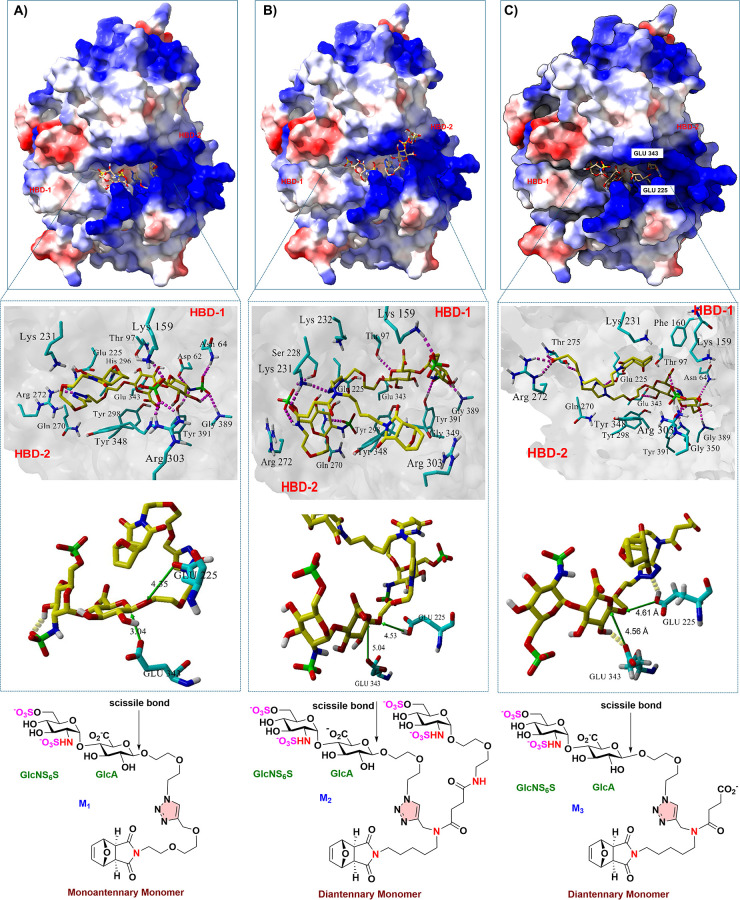 Figure 4
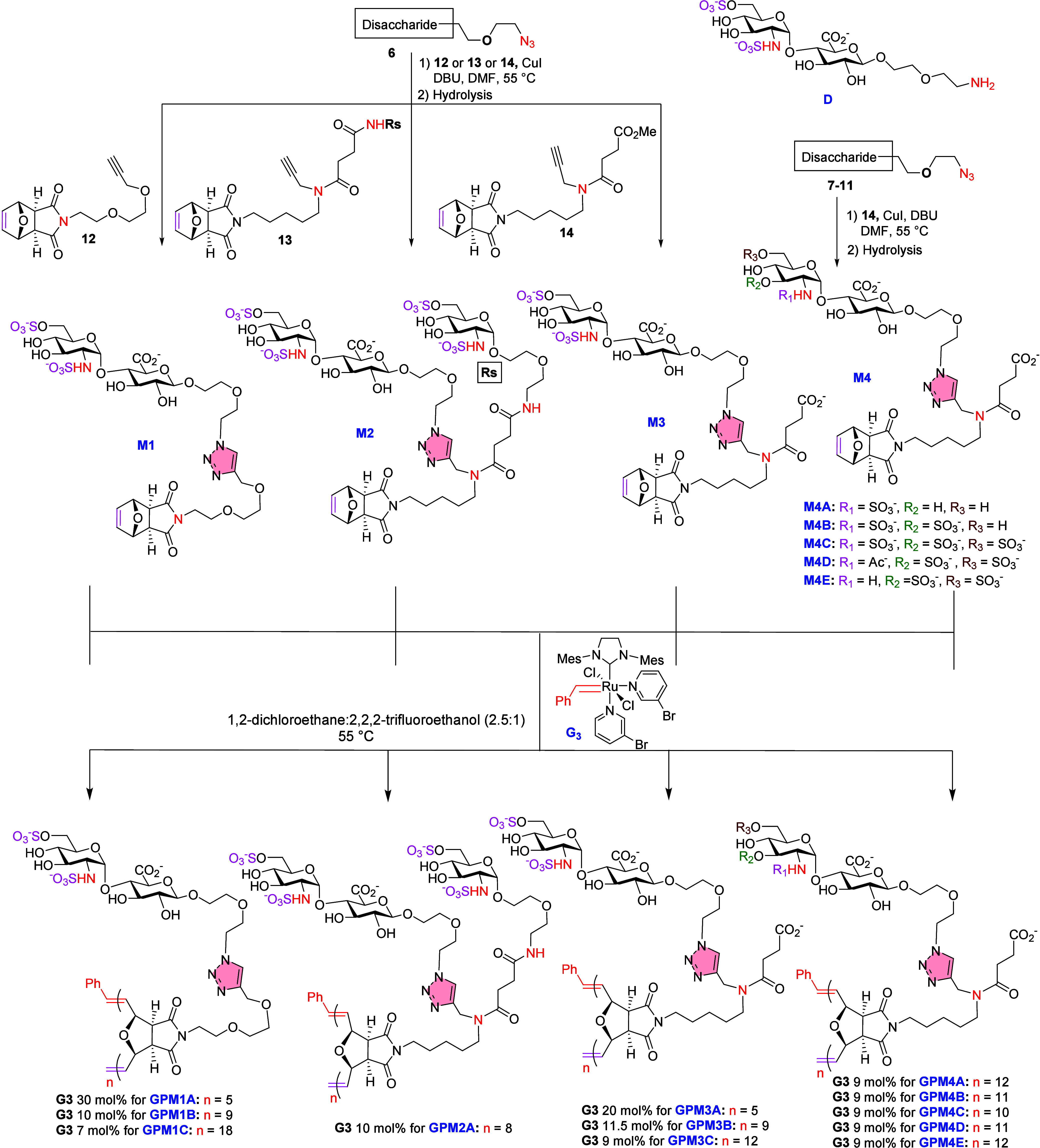 Figure 5
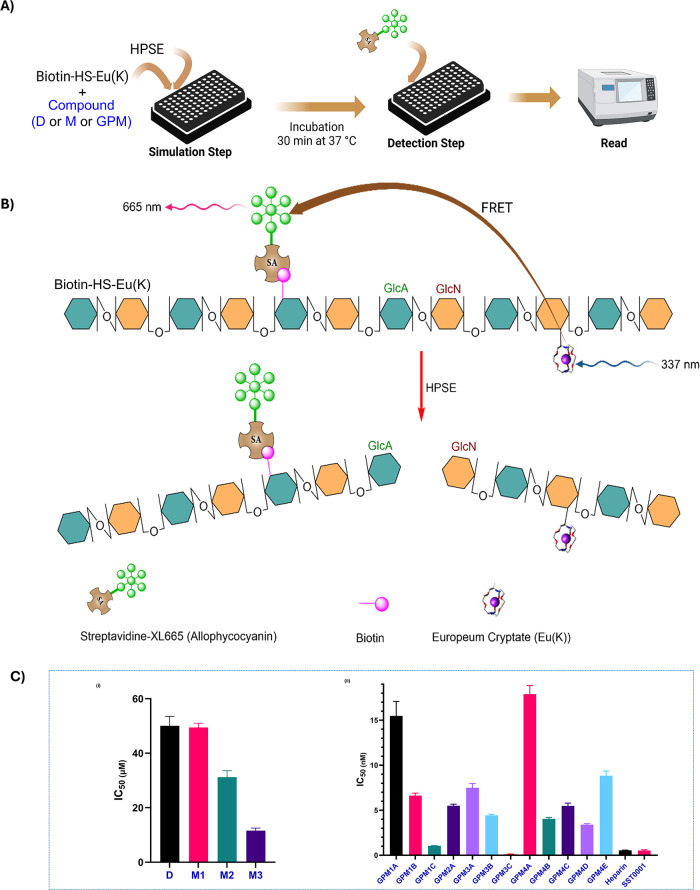 Figure 6
 Figure 7
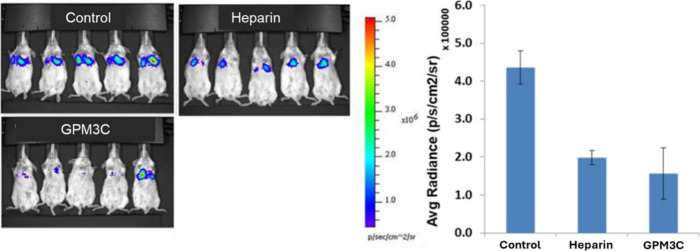 Figure 8
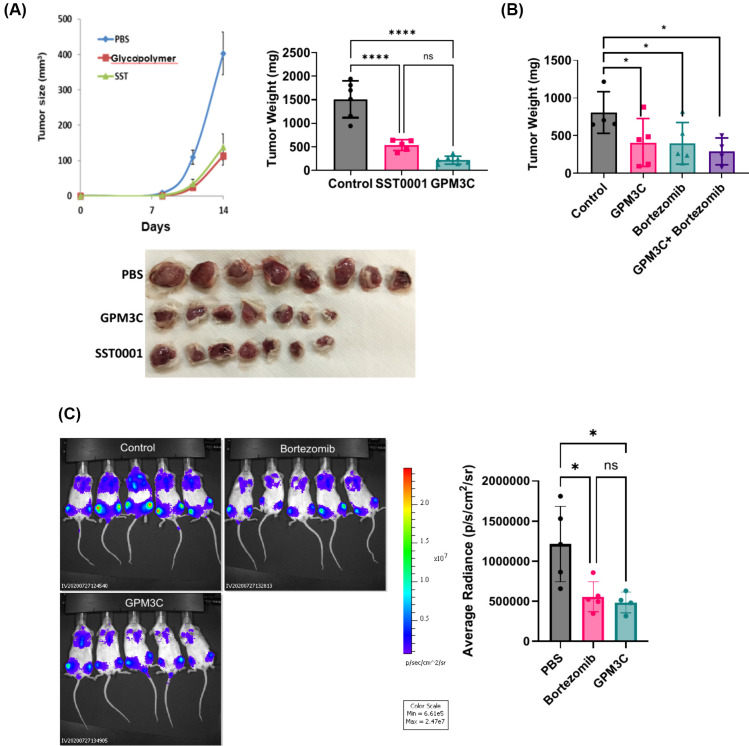 Figure 9
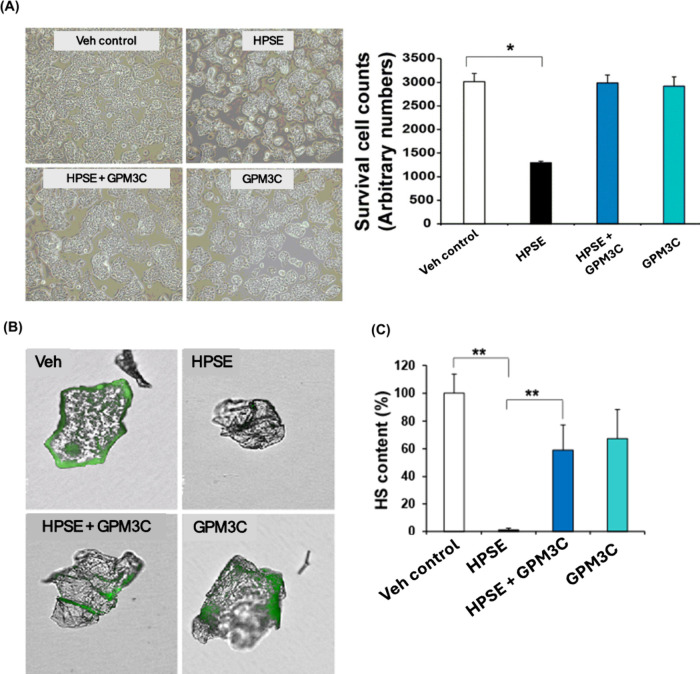 Figure 10
 Figure 11
 Figure 12
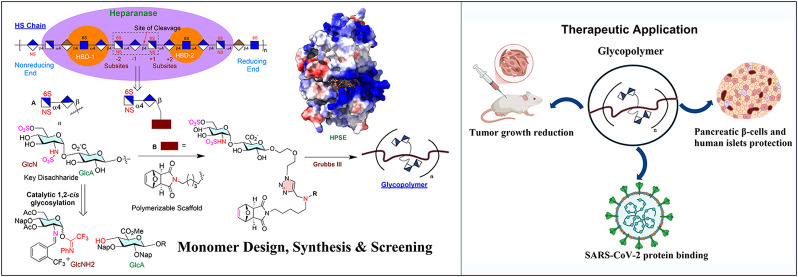 Figure 13
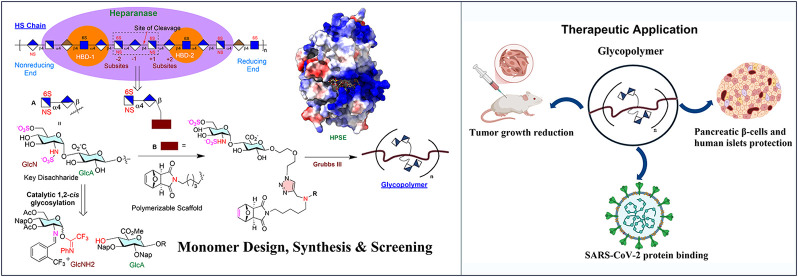 Figure 14
Peer Reviews
No public reviews on file for this paper yet. If you reviewed it on a platform where reviews are public (OpenReview, ICLR, NeurIPS, ICML), you can paste yours below so the community can read it here.
Videos
No videos yet. Explain this paper in a talk, walkthrough, or lecture? Add one.
Taxonomy
TopicsProteoglycans and glycosaminoglycans research · Glycosylation and Glycoproteins Research · Seaweed-derived Bioactive Compounds