Breaking Lock-ins to Enable a Green Pharmacy
Anna Shalin, Miriam L. Diamond, Zhanyun Wang

TL;DR
This paper explores why environmentally harmful drugs are still being made and suggests ways to promote greener drug development.
Contribution
The study introduces a new analytical framework to identify and address barriers to green drug design.
Findings
Two critical lock-ins prevent integrating environmental safety in drug design.
Incentive structures favor new drug development over redesigning existing drugs.
Recommendations are provided to stakeholders for breaking these lock-ins.
Abstract
Environmentally hazardous pharmaceuticals continue to be produced, used, and released to the environment, despite growing recognition of the need for greener drug design. This study applies a “lock-in” analytical framework to examine how various interacting social, economic, political, and technological factors prevent the effective implementation of concepts such as “benign by design” in drug development. Using a combination of qualitative and quantitative methods, including analysis of US and European clinical trial records, we identify two critical lock-ins: (1) misaligned timing of resources and expertise among key actors that prevents early integration of environmental safety and sustainability considerations in drug design, and (2) incentive structures that promote new drug development over the redesign of existing pharmaceuticals. Notably, this analysis identifies barriers to…
Genes, proteins, chemicals, diseases, species, mutations and cell lines named across the full text — each resolved to its canonical identifier and authoritative record.
Click any figure to enlarge with its caption.
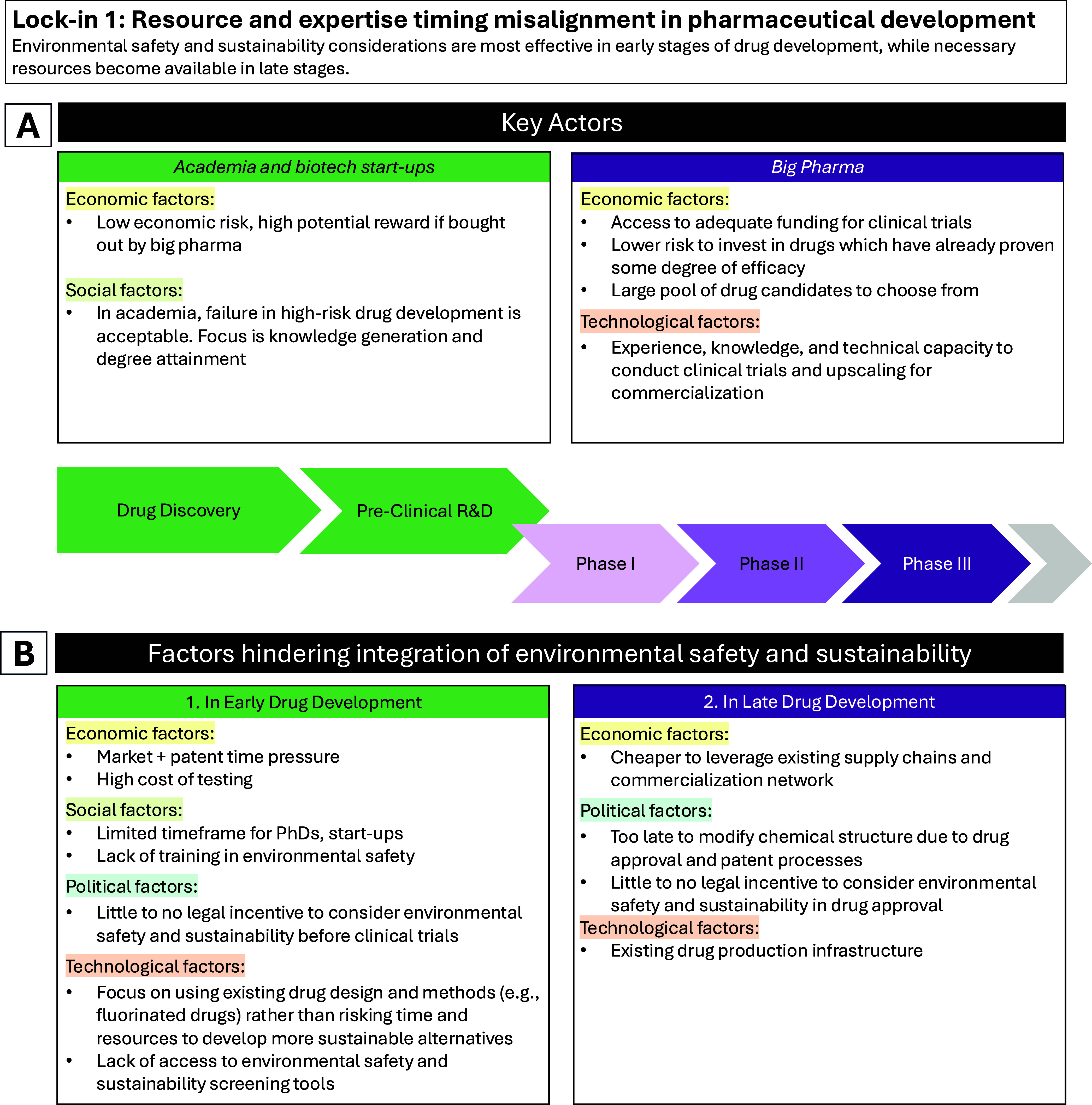 Figure 1
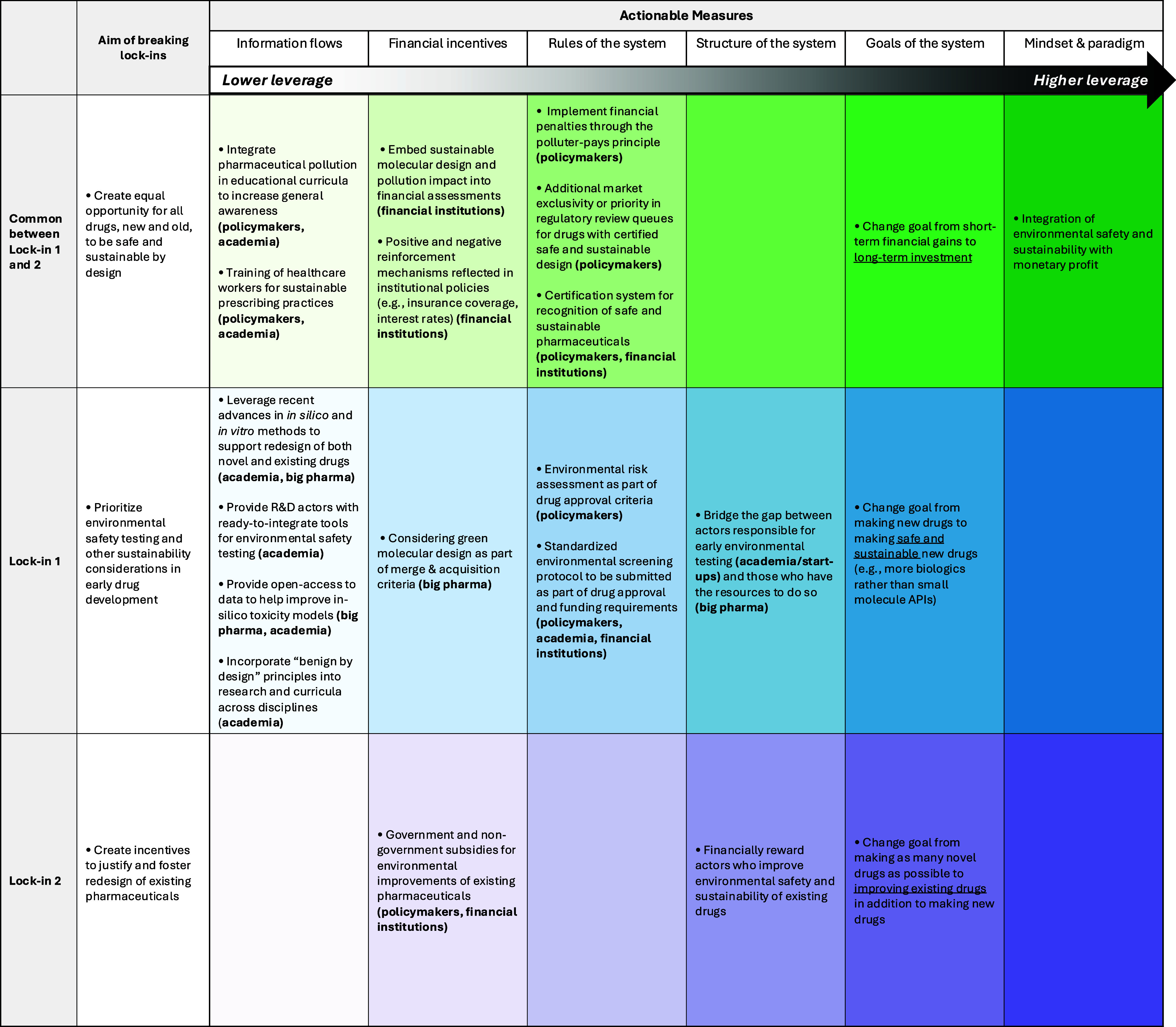 Figure 2
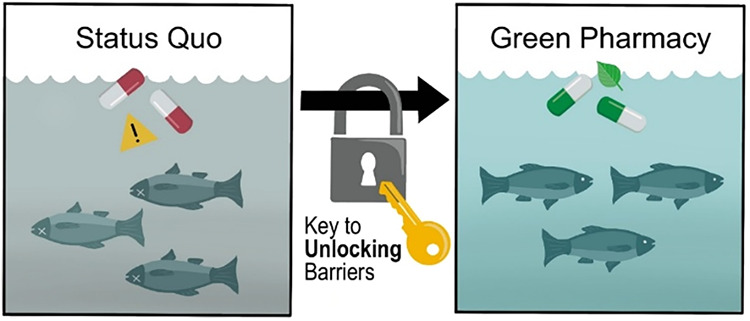 Figure 3
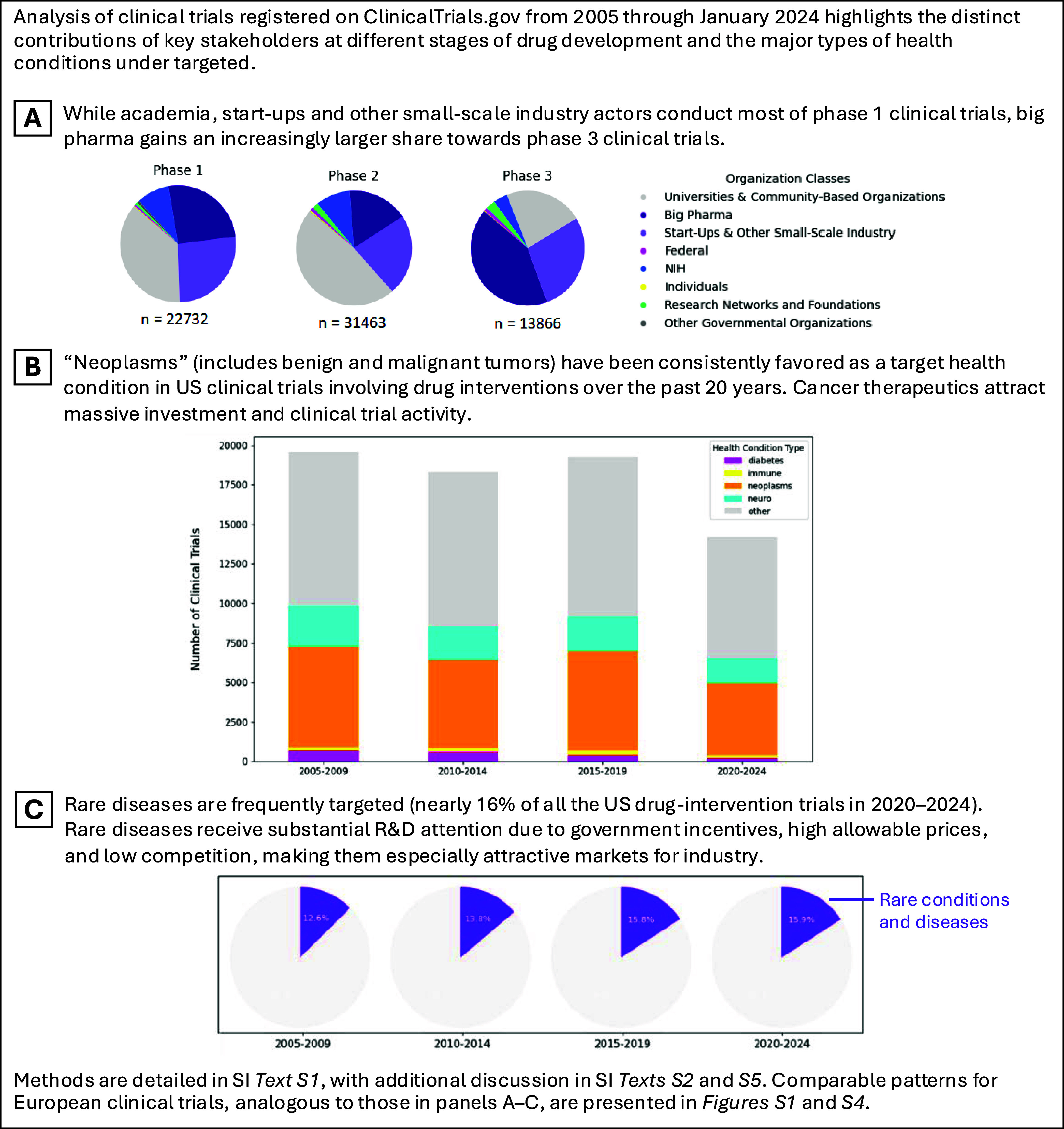 Figure 4
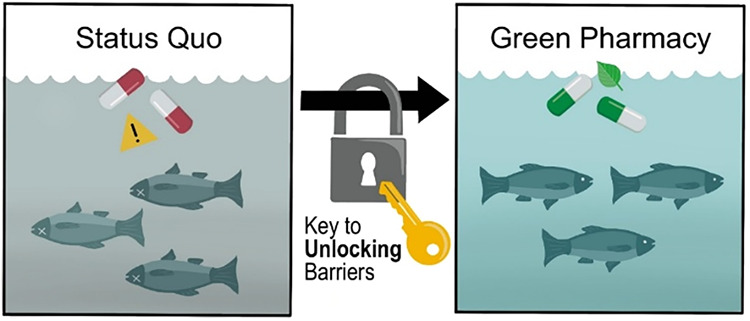 Figure 5
Peer Reviews
No public reviews on file for this paper yet. If you reviewed it on a platform where reviews are public (OpenReview, ICLR, NeurIPS, ICML), you can paste yours below so the community can read it here.
Videos
No videos yet. Explain this paper in a talk, walkthrough, or lecture? Add one.
Taxonomy
TopicsChemistry and Chemical Engineering · Pharmaceutical Economics and Policy · Bioeconomy and Sustainability Development