Manifestations of Boron-Alkali Metal and Boron-Alkaline-Earth Metal Romances
Zhong-hua Cui, Li-juan Cui, Jorge Barroso, Jin-Chang Guo, Hua-jin Zhai, Sudip Pan, Gabriel Merino

TL;DR
This paper explores how boron interacts with alkali and alkaline-earth metals to form diverse and complex structures through a mix of electrostatic and covalent bonding.
Contribution
It reveals that alkali and alkaline-earth metals can drive structural transformations in boron clusters beyond simple ionic behavior.
Findings
Lithium induces structural evolution in B12 clusters from planar to tubular to cage-like forms.
Beryllium forms unique covalent structures like the Archimedean Be4B12+ cage.
Heavier alkaline-earth metals exhibit transition-metal-like covalent interactions, creating symmetric rings and tubular clusters.
Abstract
The electron deficiency of boron promotes the formation of multicenter σ and π bonds that endow its clusters and solids with exceptional structural diversity. While bulk boron favors cage-like frameworks, clusters often adopt planar or quasi-planar motifs composed of triangles that evolve into tubular and cage-like architectures as their size increases. Many of these clusters are stabilized by delocalized σ and π bonds that are associated with fluxional behavior and multiple aromaticity. Metal doping enriches this chemistry. Transition metals use their d or f orbitals to couple with the boron framework, generating metal-centered rings, metallo-boron nanotubes, and metalloborophenes. In contrast, alkali and alkaline-earth metals have long been viewed as simple counterions, yet recent findings reveal that they can orchestrate deep structural reorganizations by combining charge transfer…
Genes, proteins, chemicals, diseases, species, mutations and cell lines named across the full text — each resolved to its canonical identifier and authoritative record.
Click any figure to enlarge with its caption.
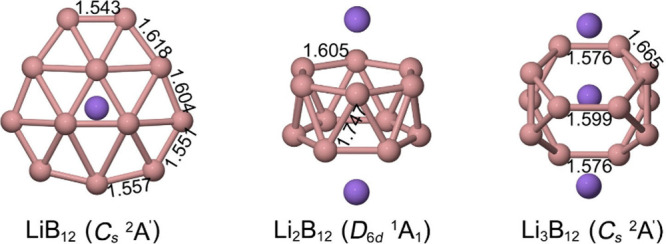 Figure 1
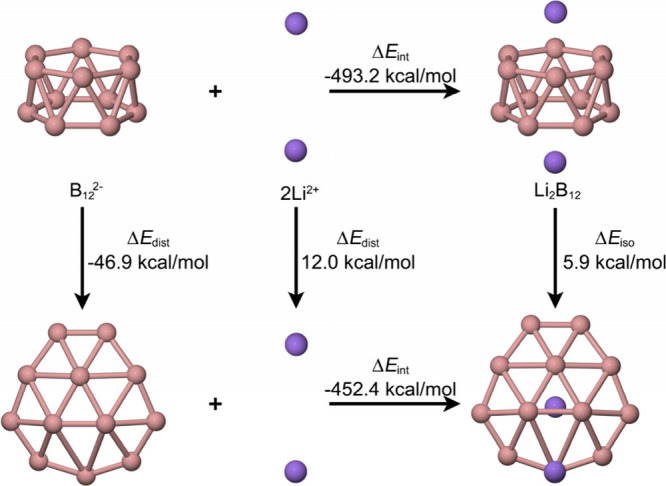 Figure 2
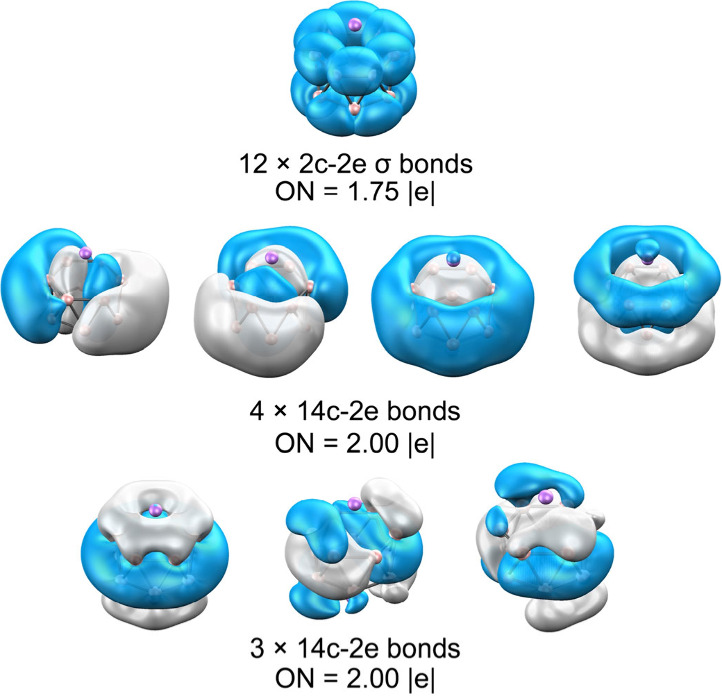 Figure 3
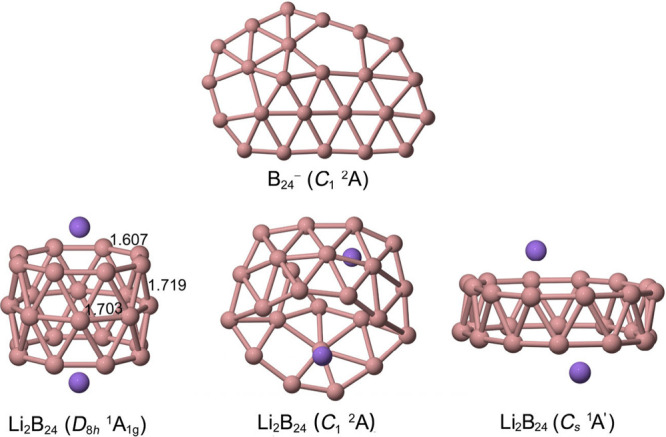 Figure 4
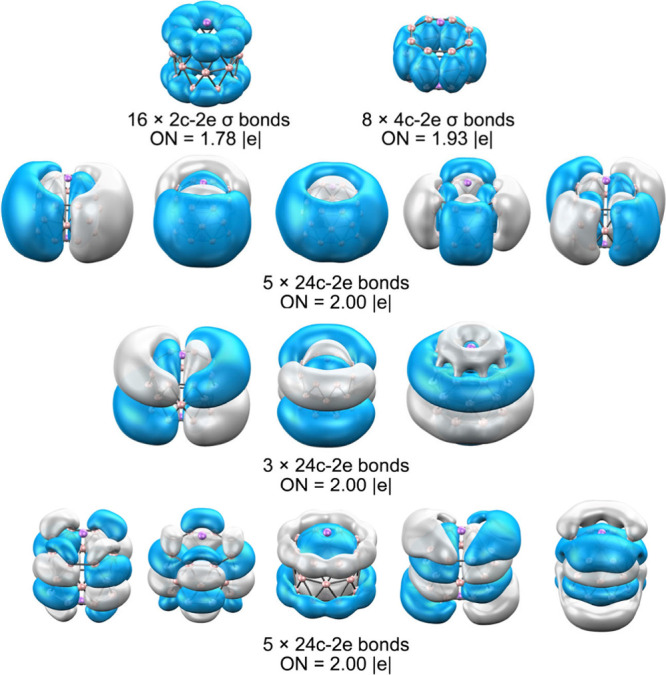 Figure 5
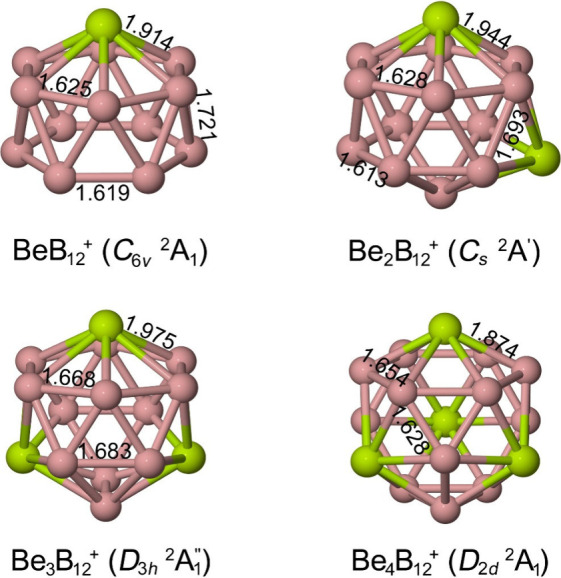 Figure 6
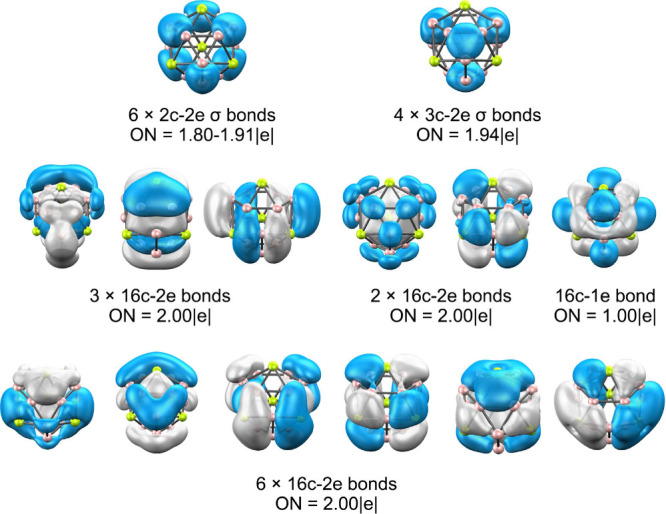 Figure 7
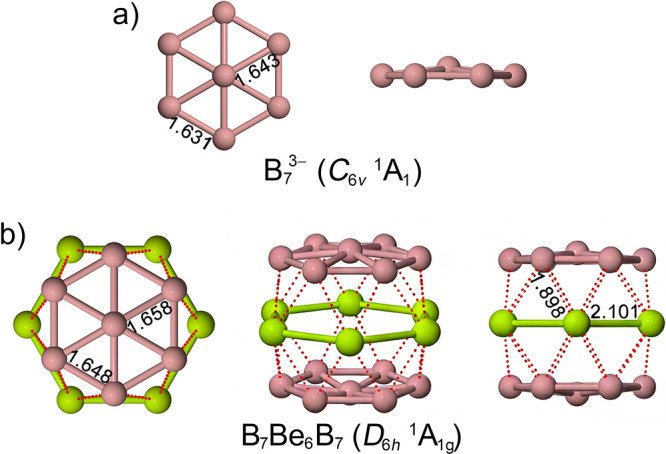 Figure 8
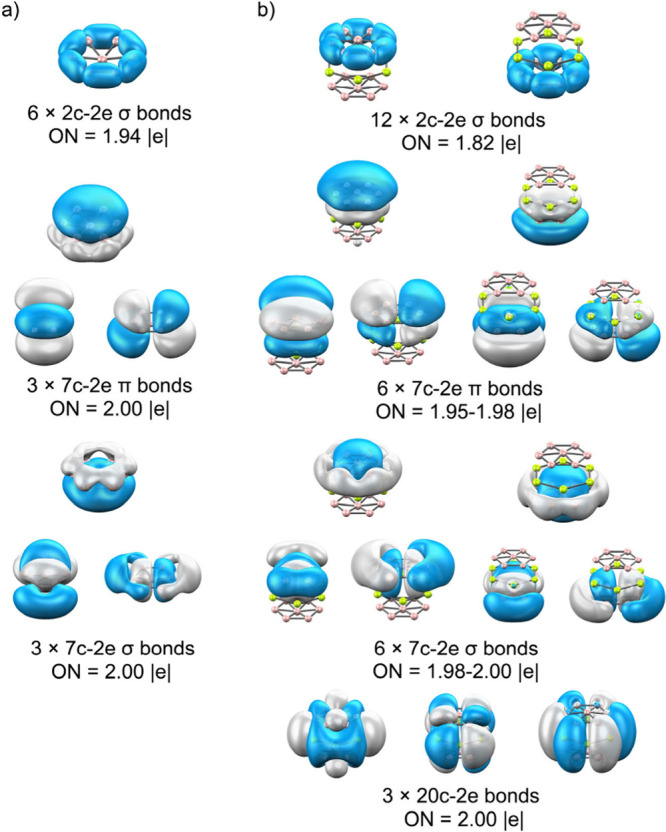 Figure 9
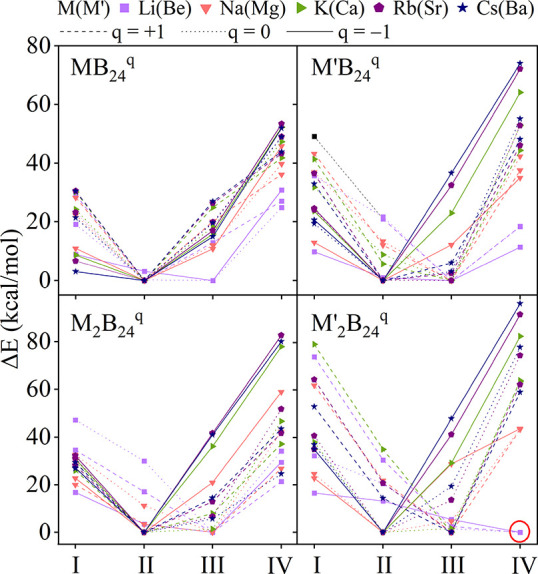 Figure 10
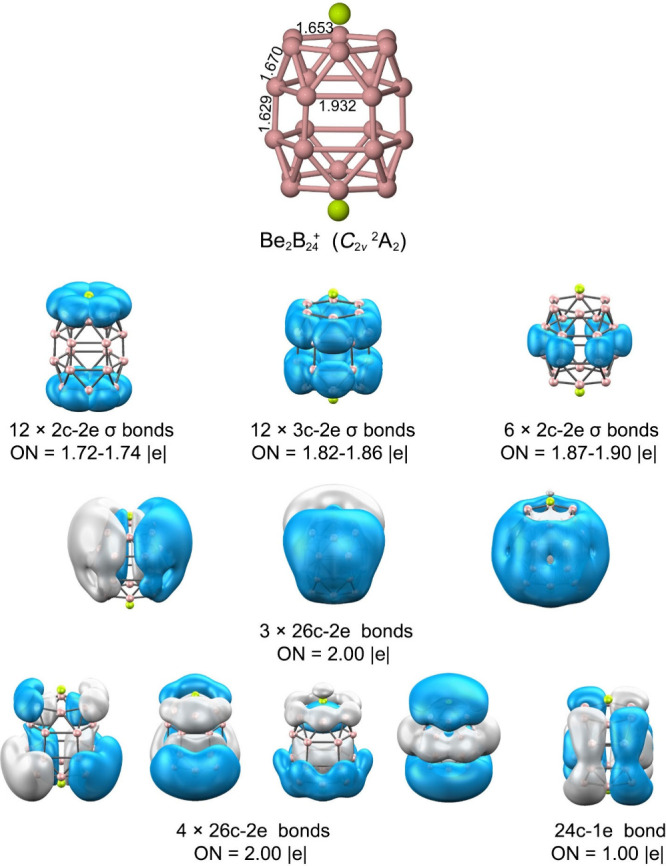 Figure 11
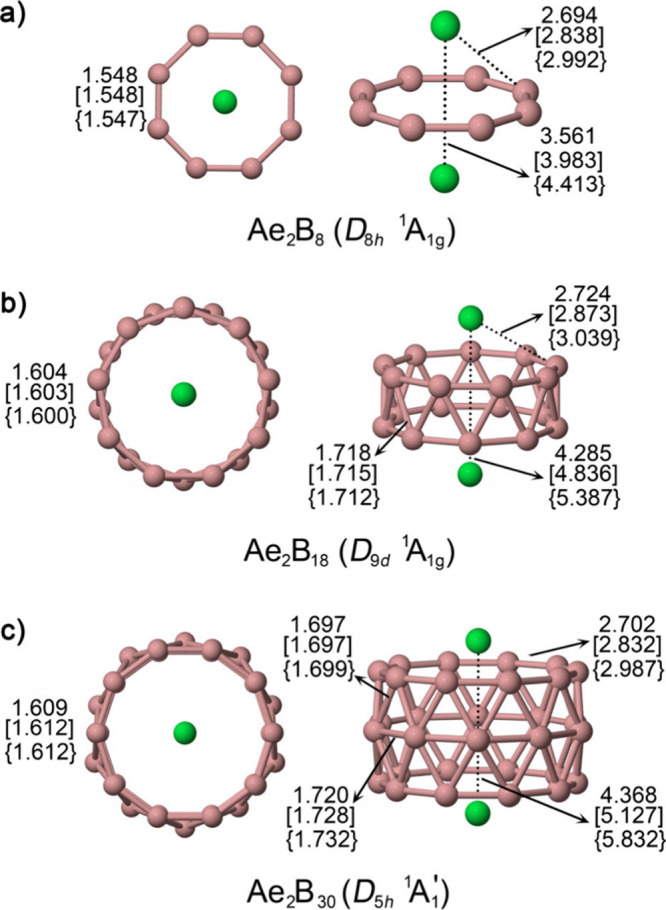 Figure 12
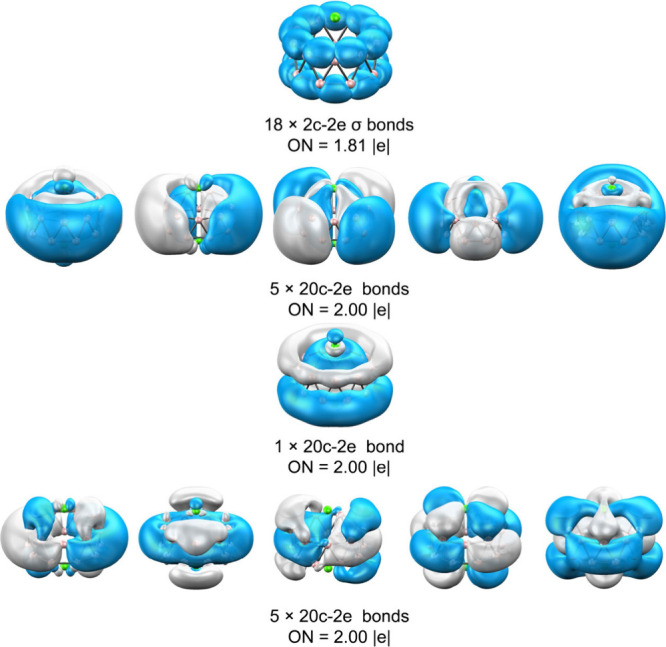 Figure 13
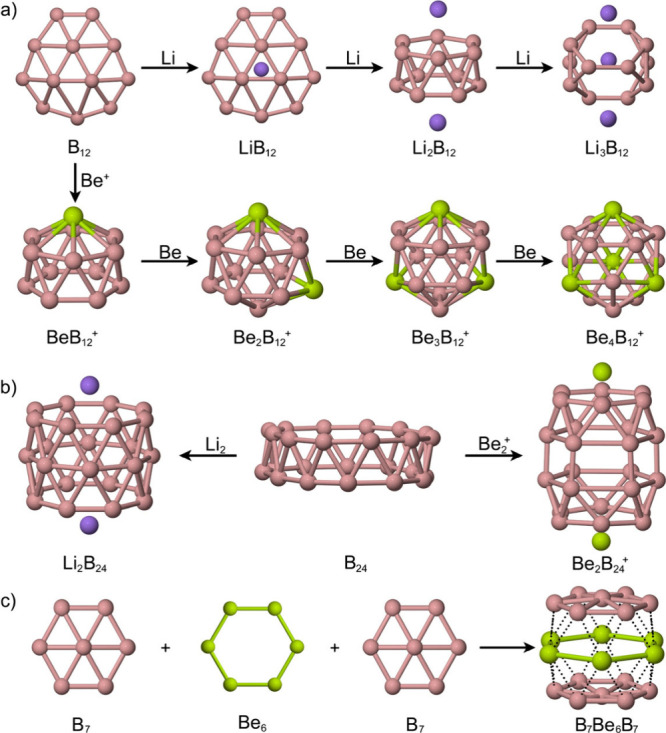 Figure 14
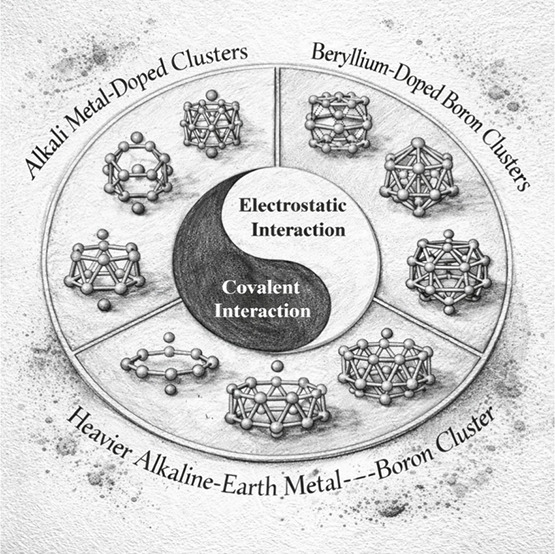 Figure 15
 Figure 16
Peer Reviews
No public reviews on file for this paper yet. If you reviewed it on a platform where reviews are public (OpenReview, ICLR, NeurIPS, ICML), you can paste yours below so the community can read it here.
Videos
No videos yet. Explain this paper in a talk, walkthrough, or lecture? Add one.
Taxonomy
TopicsBoron and Carbon Nanomaterials Research · Organoboron and organosilicon chemistry · Boron Compounds in Chemistry