Looking for Greener Pastures: In Vitro Screening of Phytogenics for the Control of Sparicotyle chrysophrii in Gilthead Sea Bream
Teresa Pirollo, Ana León, Monica Caffara, Alice Caneschi, Itziar Estensoro, Jinni Gu, Maurizio Scozzoli, Ariadna Sitjà‐Bobadilla, Oswaldo Palenzuela

TL;DR
This study tests plant-based compounds as alternatives to formalin for controlling a harmful gill parasite in sea bream, finding several effective and fast-acting options.
Contribution
The study identifies new phytogenic compounds with strong in vitro efficacy against the gill parasite Sparicotyle chrysophrii.
Findings
Several phytogenic active ingredients showed rapid and strong toxicity against S. chrysophrii with low LD50 values.
Morphological damage was observed in parasites exposed to effective compounds, indicating direct parasiticidal effects.
The identified compounds were effective at concentrations much lower than traditional formalin treatments.
Abstract
The gill parasite Sparicotyle chrysophrii poses a significant threat to gilthead sea bream ( Sparus aurata ) aquaculture in the Mediterranean, causing considerable mortality and economic losses. As traditional chemotherapeutic treatments, like formalin, face growing regulatory restrictions, there is an urgent need for alternative control strategies. This study screened the in vitro antiparasitic activity of 16 phytogenic active ingredients (AIs), including essential oils (EOs) and commercial feed additives, against adult S. chrysophrii. Worms were exposed to a range of concentrations of each compound, and mortality was assessed over 24 h. Lethal dose 50% (LD 50) values were calculated and categorised by short‐, mid‐, and long‐term efficacy. Several AIs, such as Cinnamomum zeylanicum , Origanum vulgare , Thymus vulgaris , and the commercial formulations Arotec‐G and OA + HE+EO,…
Genes, proteins, chemicals, diseases, species, mutations and cell lines named across the full text — each resolved to its canonical identifier and authoritative record.
Click any figure to enlarge with its caption.
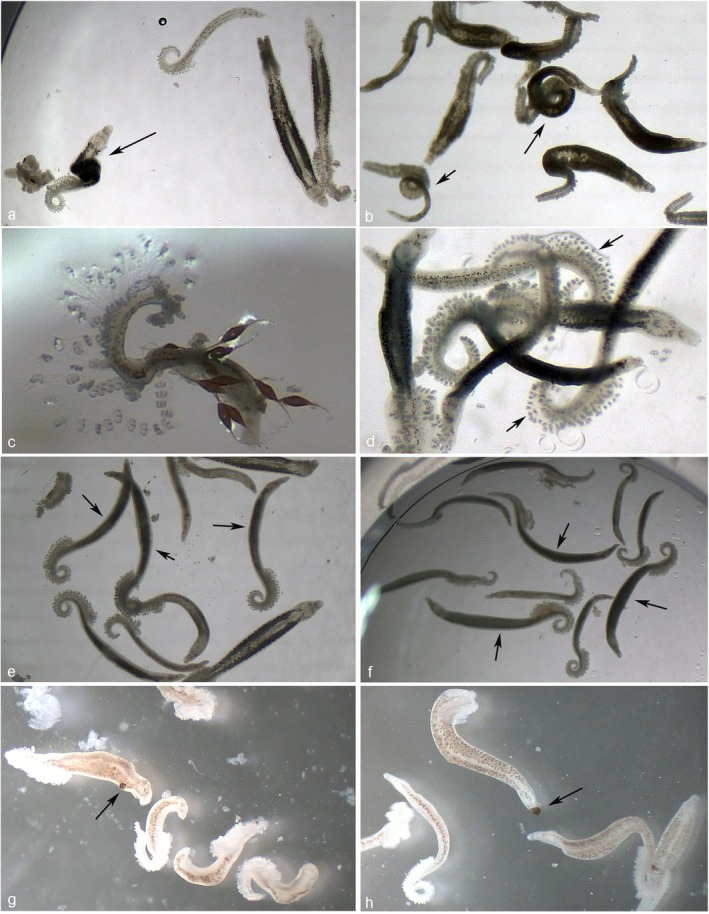 Figure 1
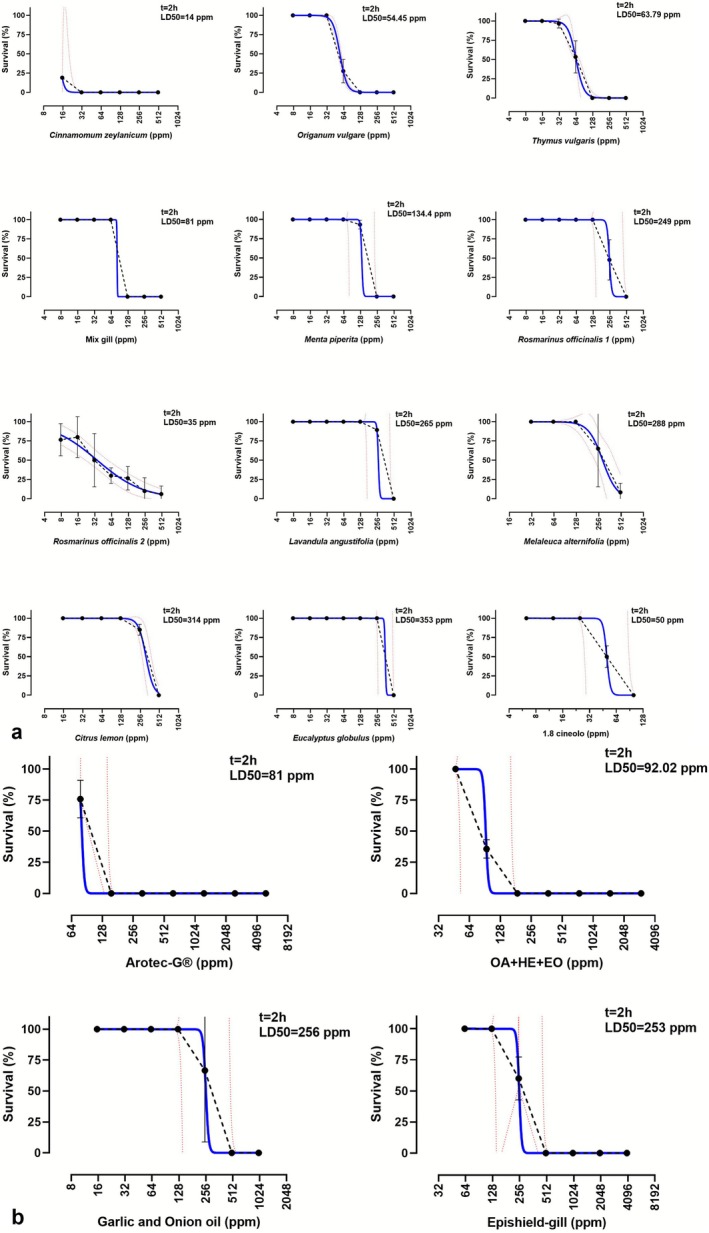 Figure 2
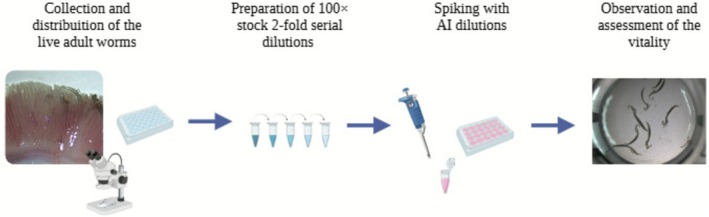 Figure 3
Peer Reviews
No public reviews on file for this paper yet. If you reviewed it on a platform where reviews are public (OpenReview, ICLR, NeurIPS, ICML), you can paste yours below so the community can read it here.
Videos
No videos yet. Explain this paper in a talk, walkthrough, or lecture? Add one.
Taxonomy
TopicsParasite Biology and Host Interactions · Aquaculture disease management and microbiota · Invertebrate Immune Response Mechanisms