Surgical Outcomes of Intermittent Exotropia in Adults: A Systematic Review
Shie Wei Chan, Chi Kit Yan

TL;DR
This review summarizes surgical results for adult intermittent exotropia, finding moderate to high success but variable outcomes over time.
Contribution
The study provides a systematic review of surgical outcomes for adult intermittent exotropia, highlighting the need for standardized research.
Findings
Motor success rates ranged from 47.6% to 90% but declined over time due to exotropic drift.
Diplopia was usually temporary and influenced by early postoperative alignment.
Reoperation rates were low, and no major adverse events were reported.
Abstract
Adult intermittent exotropia (IXT) is less well studied than paediatric IXT, yet counselling is challenging due to postoperative exodrift, diplopia risk, and differing functional expectations. This systematic review synthesised surgical outcomes for adult (≥18 years) IXT. A Preferred Reporting Items for Systematic Reviews and Meta-Analyses (PRISMA) 2020-guided systematic review of PubMed/MEDLINE was performed using two searches (“surgical” AND “outcomes” AND “exotropia”; “surgery” AND “intermittent exotropia”), limited to English-language human studies published within the last 10 years. Eligible studies reported postoperative motor alignment and/or reoperation, diplopia, drift, or binocular outcomes in adults with IXT. Motor success was narratively standardised to ≤10 prism dioptres (PD) of orthotropia at distance (allowing ≤5 PD esodeviation where applicable). Risk of bias was…
Genes, proteins, chemicals, diseases, species, mutations and cell lines named across the full text — each resolved to its canonical identifier and authoritative record.
Click any figure to enlarge with its caption.
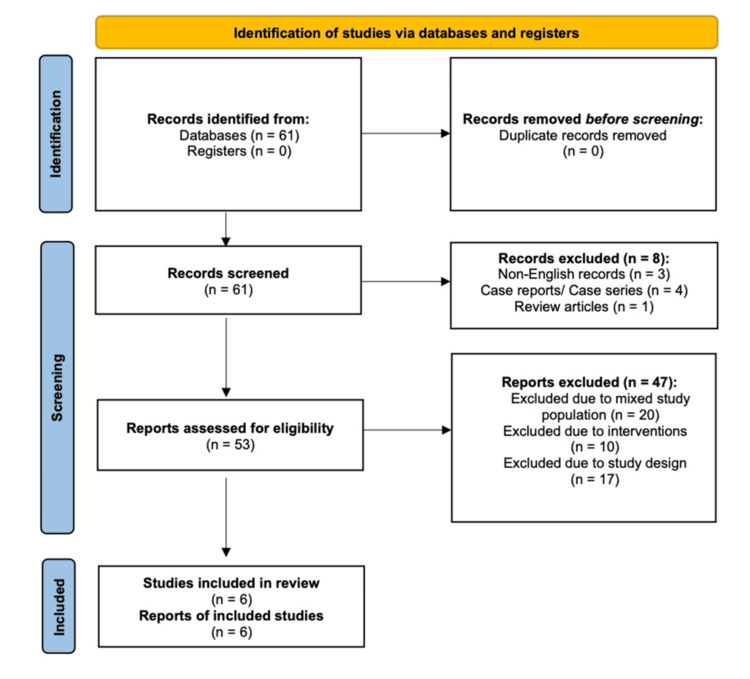 Figure 1
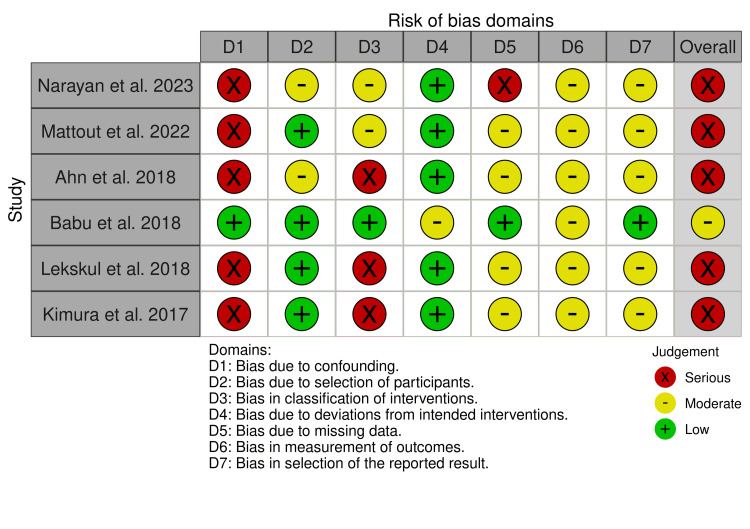 Figure 2
Peer Reviews
No public reviews on file for this paper yet. If you reviewed it on a platform where reviews are public (OpenReview, ICLR, NeurIPS, ICML), you can paste yours below so the community can read it here.
Videos
No videos yet. Explain this paper in a talk, walkthrough, or lecture? Add one.
Taxonomy
TopicsOphthalmology and Eye Disorders · Vestibular and auditory disorders · Visual perception and processing mechanisms