Fuzzing the brain: automated stress testing for the safety of ML-driven neurostimulation
Mara Downing, Matthew Peng, Jacob Granley, Michael Beyeler, Tevfik Bultan

TL;DR
This paper introduces a new method to test the safety of machine learning models used in neurostimulation devices by identifying potentially harmful stimulation patterns.
Contribution
The novel contribution is applying coverage-guided fuzzing to detect unsafe ML-driven neurostimulation outputs.
Findings
Fuzzing reveals diverse unsafe stimulation regimes exceeding biophysical limits in ML models for the retina and cortex.
Violation-output coverage metrics identify the highest number and diversity of unsafe outputs across different model architectures.
Abstract
Objective. Machine learning (ML) models are increasingly used to generate electrical stimulation patterns in neuroprosthetic devices such as visual prostheses. While these models promise precise and personalized control, they also introduce new safety risks when model outputs are delivered directly to neural tissue. We propose a systematic, quantitative approach to detect and characterize unsafe stimulation patterns in ML-driven neurostimulation systems. Approach. We adapt an automated software testing technique known as coverage-guided fuzzing to the domain of neural stimulation. Here, fuzzing performs stress testing by perturbing model inputs and tracking whether resulting stimulation violates biophysical limits on charge density, instantaneous current, or electrode co-activation. The framework treats encoders as black boxes and steers exploration with coverage metrics that quantify…
Genes, proteins, chemicals, diseases, species, mutations and cell lines named across the full text — each resolved to its canonical identifier and authoritative record.
Click any figure to enlarge with its caption.
 Figure 1
 Figure 2
 Figure 3
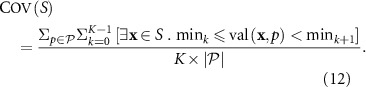 Figure 4
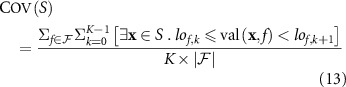 Figure 5
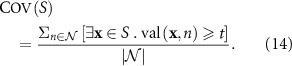 Figure 6
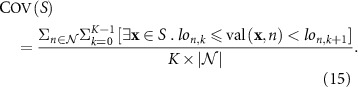 Figure 7
 Figure 8
 Figure 9
 Figure 10
 Figure 11
 Figure 12
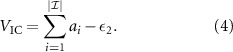 Figure 13
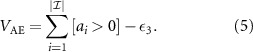 Figure 14
 Figure 15
 Figure 16
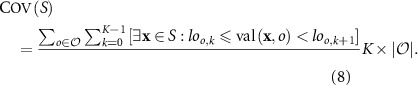 Figure 17
 Figure 18
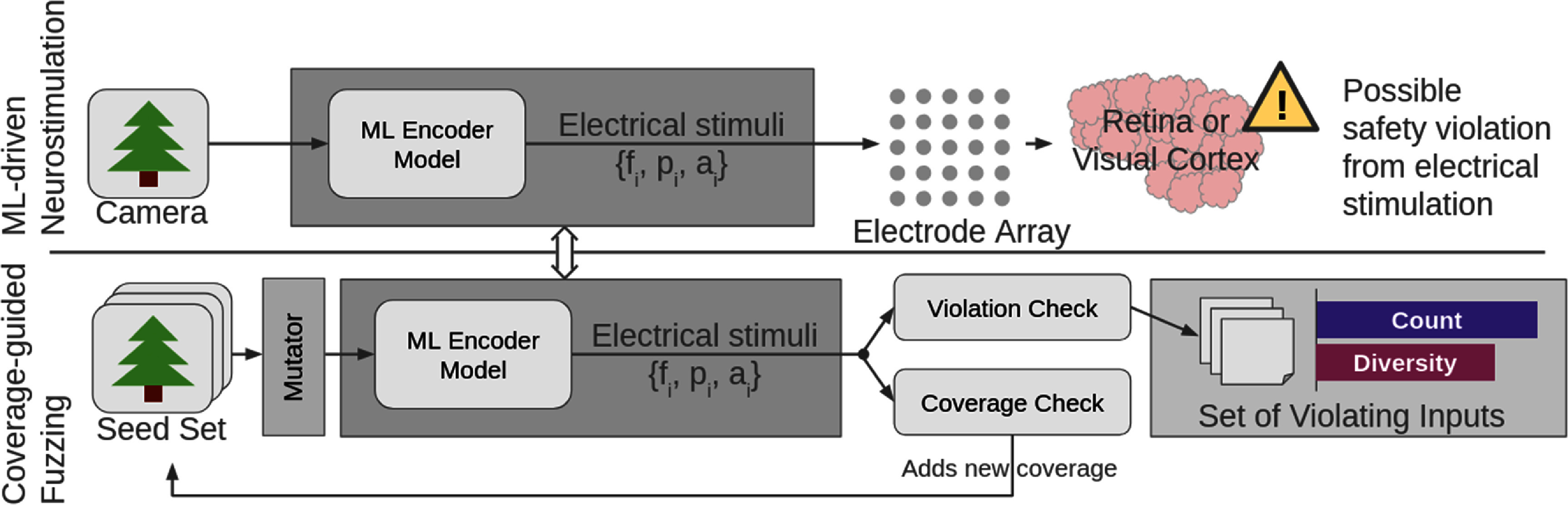 Figure 19
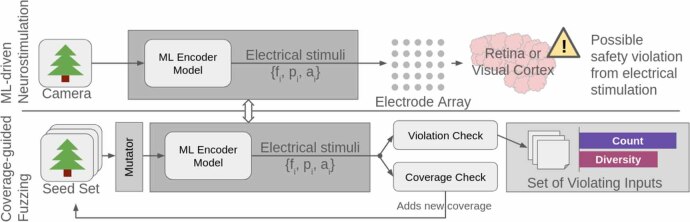 Figure 20
 Figure 21
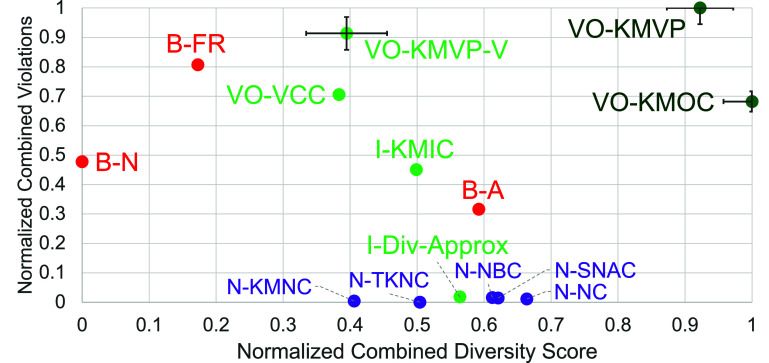 Figure 22
 Figure 23
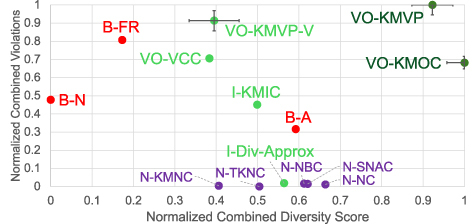 Figure 24
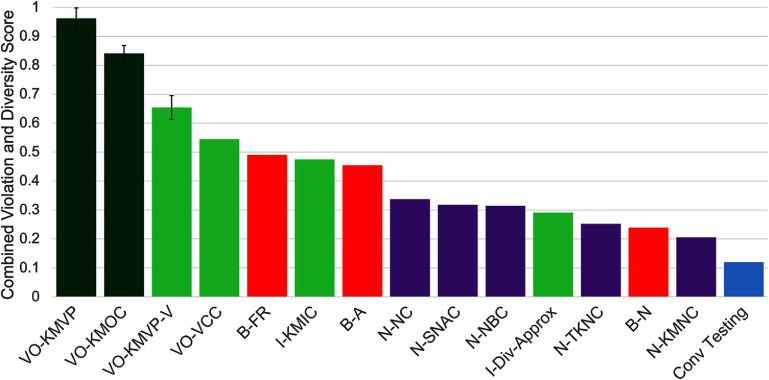 Figure 25
 Figure 26
 Figure 27
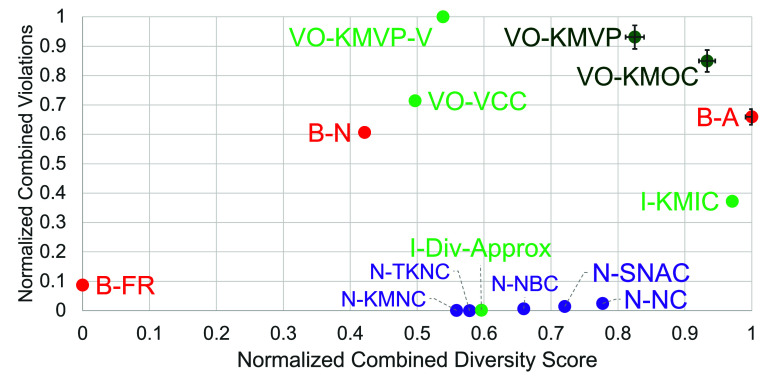 Figure 28
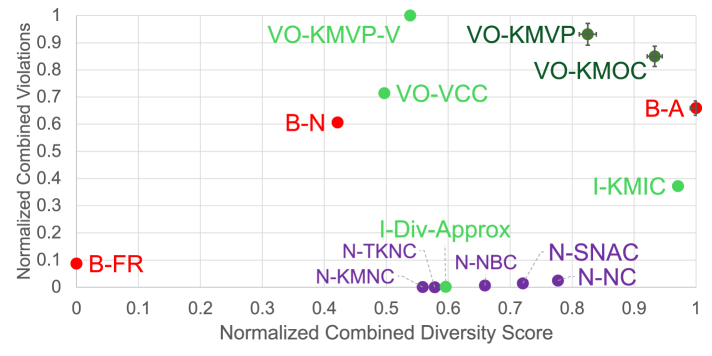 Figure 29
 Figure 30
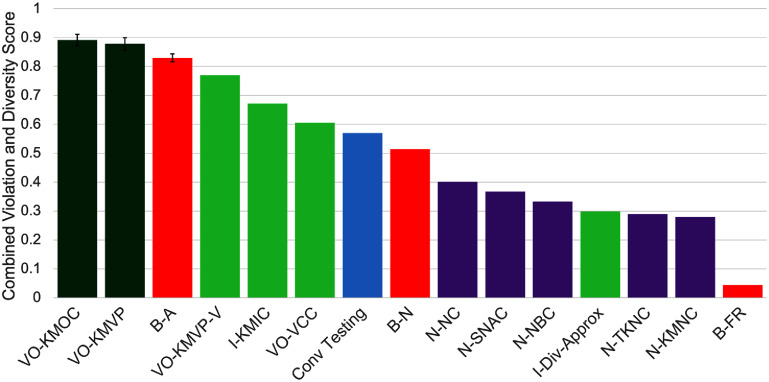 Figure 31
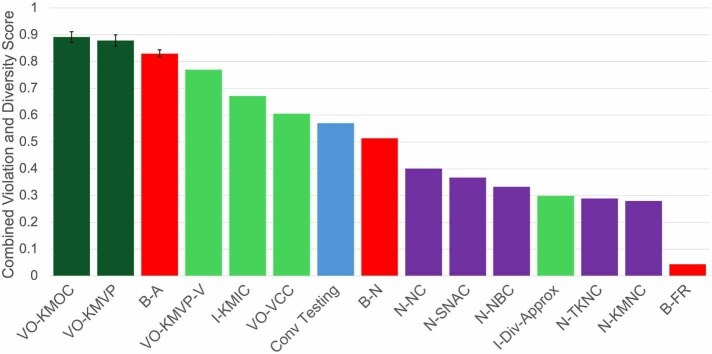 Figure 32
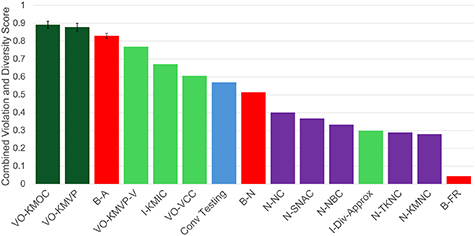 Figure 33
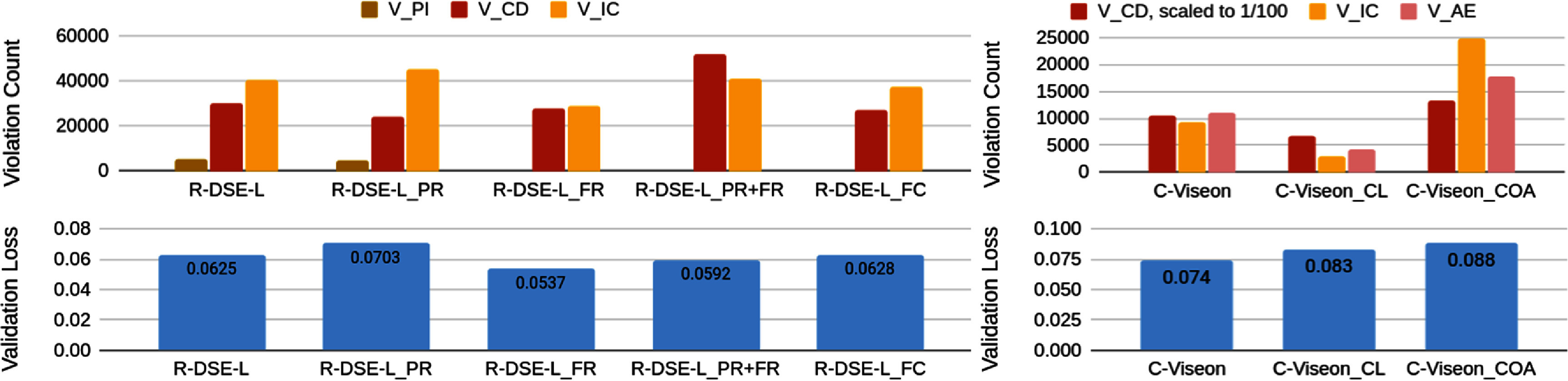 Figure 34
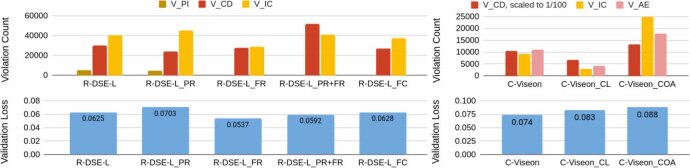 Figure 35
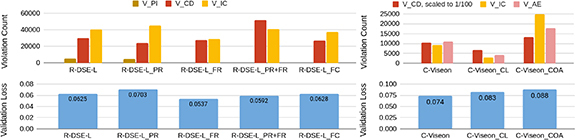 Figure 36
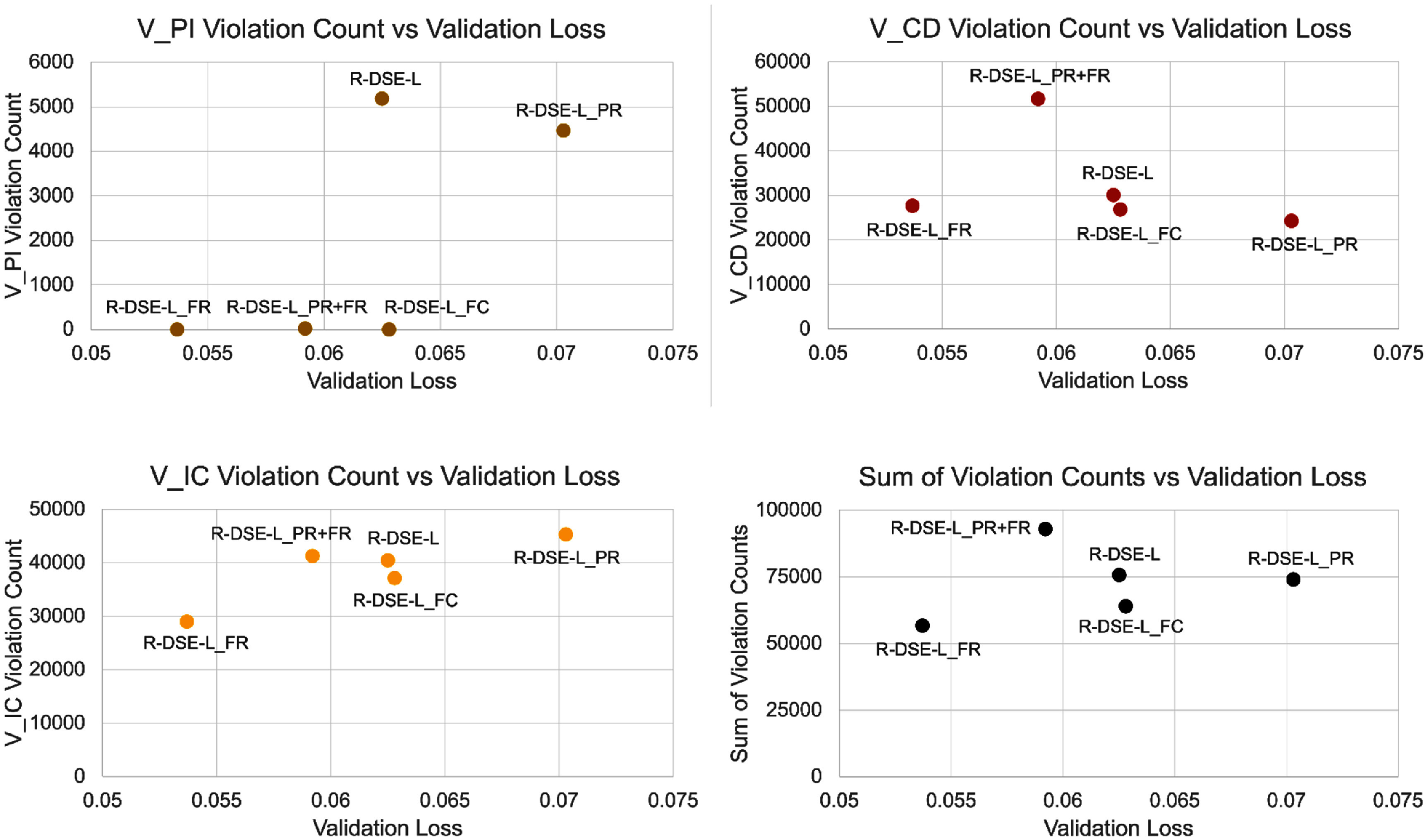 Figure 37
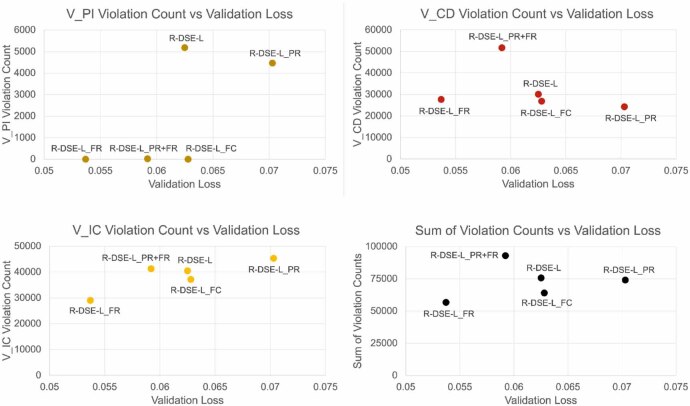 Figure 38
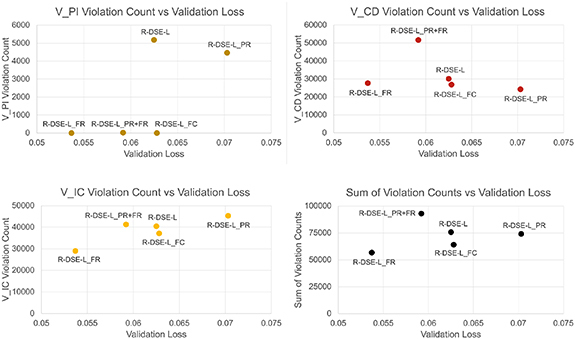 Figure 39
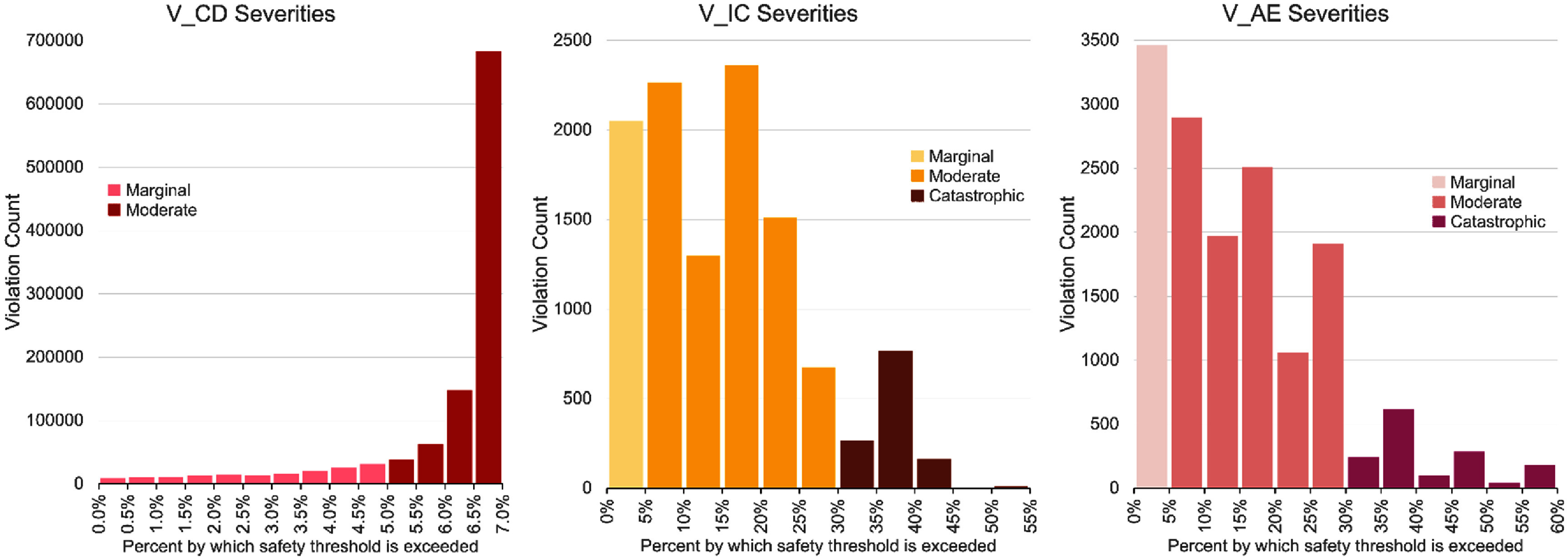 Figure 40
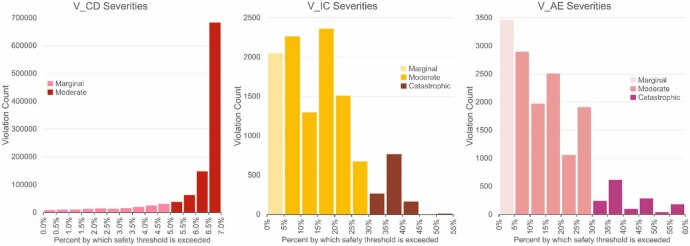 Figure 41
 Figure 42
 Figure 43
 Figure 44
 Figure 45
 Figure 46
 Figure 47
 Figure 48
 Figure 49
 Figure 50
Peer Reviews
No public reviews on file for this paper yet. If you reviewed it on a platform where reviews are public (OpenReview, ICLR, NeurIPS, ICML), you can paste yours below so the community can read it here.
Videos
No videos yet. Explain this paper in a talk, walkthrough, or lecture? Add one.
Taxonomy
TopicsNeuroscience and Neural Engineering · Advanced Memory and Neural Computing · Photoreceptor and optogenetics research