Suspect Screening and Prioritization as an Analytical Strategy for the Identification of Persistent, Mobile, and Toxic (PMT) Substances in Surface Water
Lesly Ayala Cabana, Alejandra Arcas, Isabel López-Heras, Ana de Santiago-Martín, Raffaella Meffe

TL;DR
This study identifies and prioritizes persistent, mobile, and toxic substances in surface water using advanced screening and prioritization methods.
Contribution
A novel suspect screening and tiered prioritization framework is introduced to detect PMT substances overlooked in traditional monitoring.
Findings
305 substances were tentatively identified, with 103 prioritized as PMT substances.
35 high-priority PMT substances were confirmed using MS/MS and HRMS.
Only 13% of identified PMT substances are currently regulated in Europe.
Abstract
Persistent, mobile, and toxic (PMT) substances have gained increasing scientific and regulatory attention due to their capacity to bypass natural and artificial barriers and spread throughout the water cycle. However, knowledge of their environmental occurrence remains limited due to analytical challenges, particularly in detecting highly polar substances that are often overlooked in monitoring studies. This study aims to identify PMT substances that are worth monitoring in surface waters strongly influenced by wastewater treatment plant effluents. A suspect screening analysis (SSA) approach based on the use of LC-HRMS was integrated with a tiered prioritization strategy. Our workflow integrates multimodal SPE and LC approaches to improve PMT detection coverage across polarity gradients. A total of 305 substances were tentatively identified, and 103 of them were prioritized as PMT…
Genes, proteins, chemicals, diseases, species, mutations and cell lines named across the full text — each resolved to its canonical identifier and authoritative record.
Click any figure to enlarge with its caption.
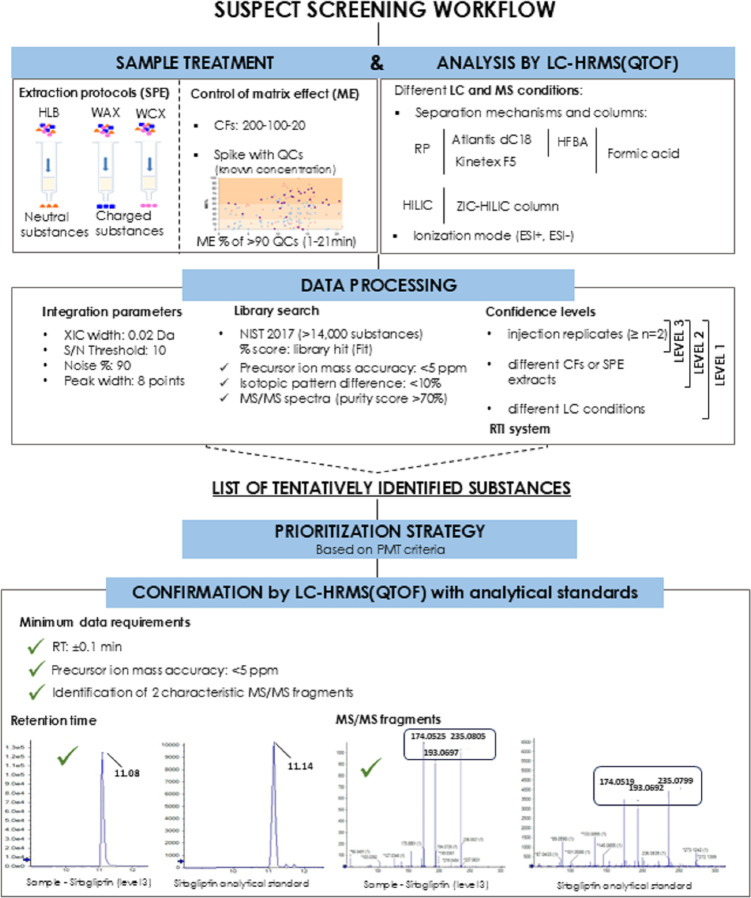 Figure 1
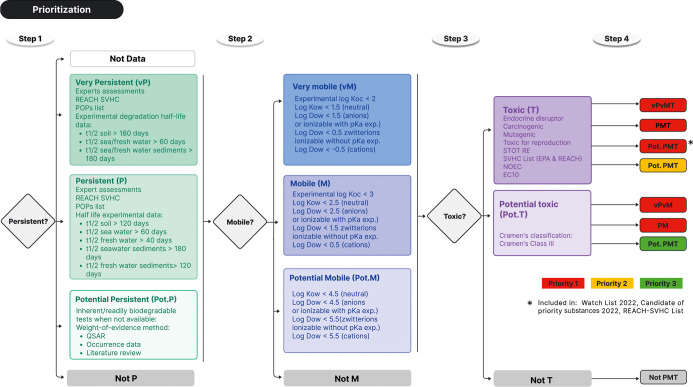 Figure 2
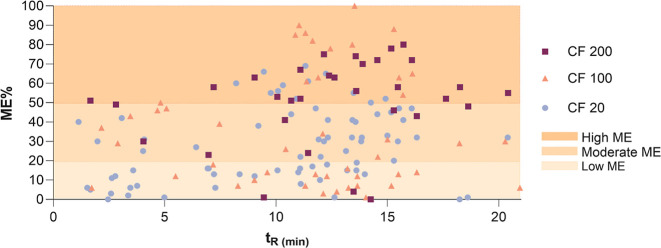 Figure 3
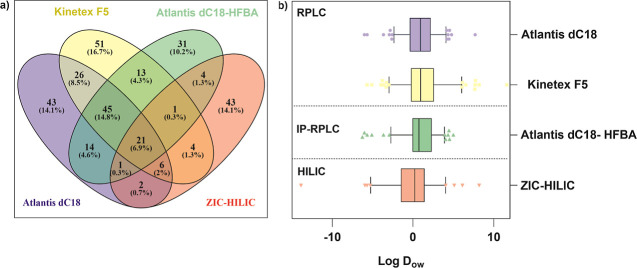 Figure 4
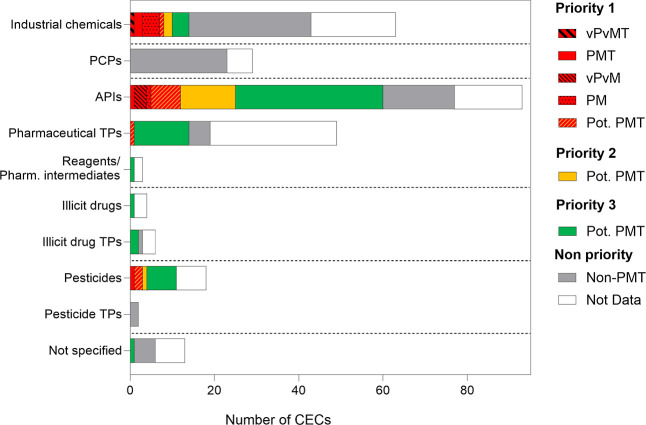 Figure 5
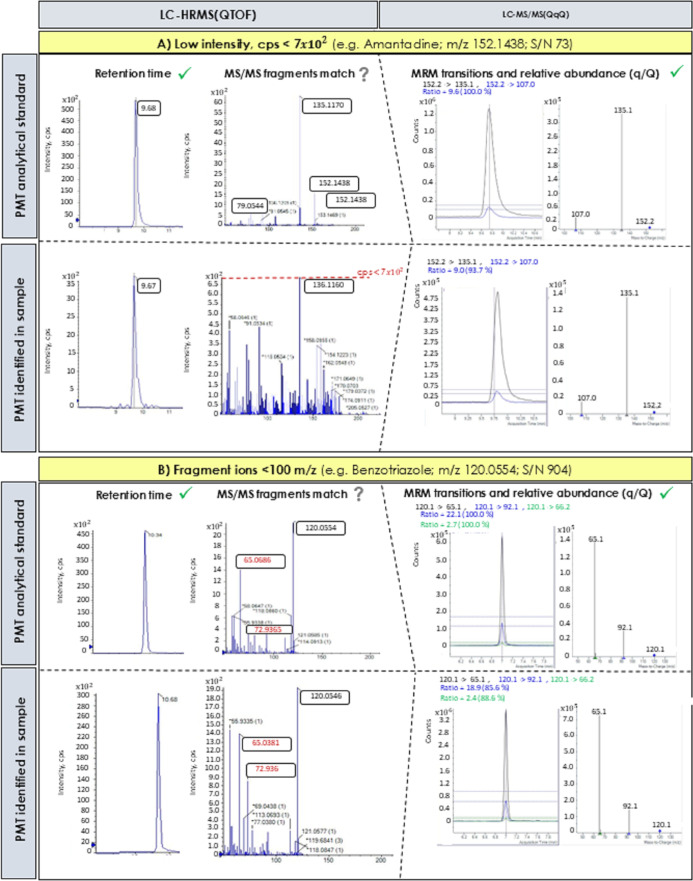 Figure 6
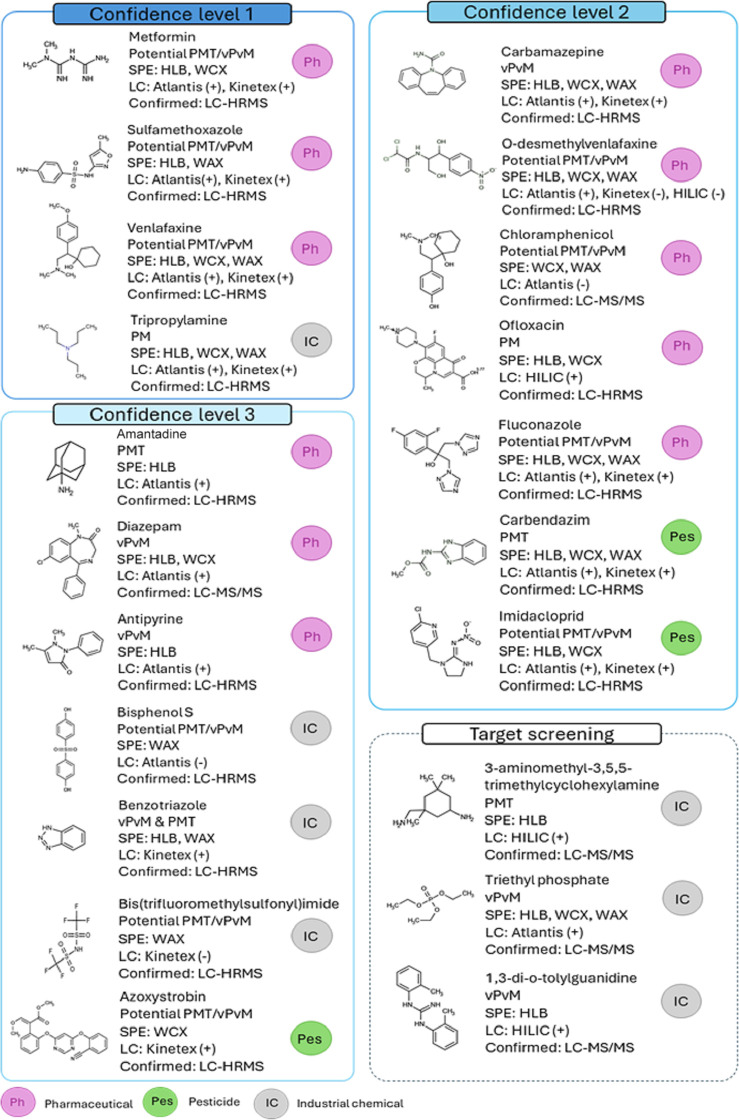 Figure 7
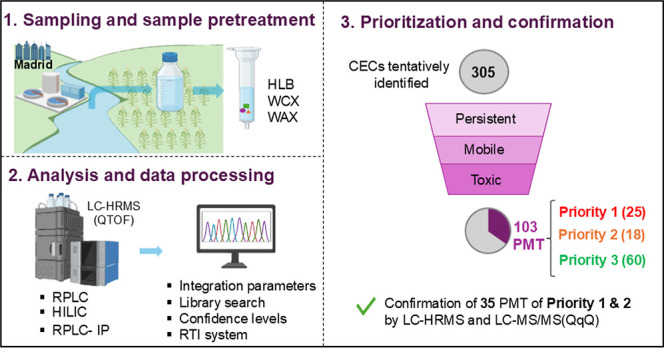 Figure 8
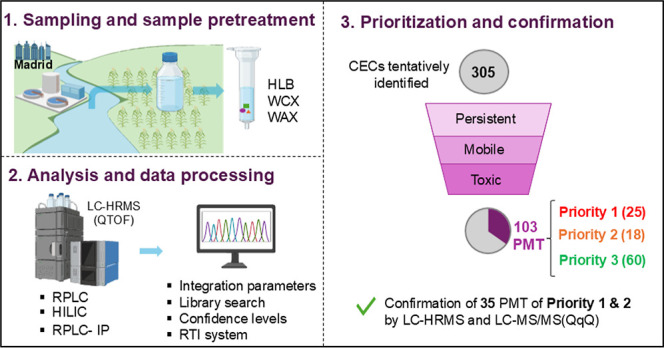 Figure 9
Peer Reviews
No public reviews on file for this paper yet. If you reviewed it on a platform where reviews are public (OpenReview, ICLR, NeurIPS, ICML), you can paste yours below so the community can read it here.
Videos
No videos yet. Explain this paper in a talk, walkthrough, or lecture? Add one.
Taxonomy
TopicsPharmaceutical and Antibiotic Environmental Impacts · Environmental Chemistry and Analysis · Per- and polyfluoroalkyl substances research