Trehalose-mediated reshaping of the rhizosphere microbiome drives tea root rot progression
Qiang Zhu, Bowen Chen, Weiting Hu, Yingbo Huang, Shengyuan Wang, Mei Feng, Jie Zhao, Mingyi Yu, Mingzhu Li, Xuejiao Gong

TL;DR
This study shows how trehalose in tea roots changes the soil microbes, making root rot worse by helping harmful fungi and hurting beneficial bacteria.
Contribution
The study identifies trehalose as a key driver in reshaping the rhizosphere microbiome to promote tea root rot disease.
Findings
Trehalose promotes pathogen growth while inhibiting beneficial bacteria biofilm formation and colonization.
Diseased tea roots show reduced Basidiomycota and increased Fusarium and Apiotrichum fungi.
Beneficial microbes like Saitozyma and Trichoderma are significantly reduced in diseased plants.
Abstract
Tea (Camellia sinensis [L.] Kuntze) is one of the most economically important crops and as a traditional medicinal plant in the world. The long-term continuous cropping and inappropriate management have led to frequent outbreaks of soil-borne diseases such as root rot, which pose a serious threat to the sustainable development of the tea industry. However, the pathogenesis of tea root rot remains poorly understood. In this study, two novel pathogen fungi, Paraconiothyrium cyclothyrioides F8 and Apiotrichum sporotrichoides F17, were isolated and identified from diseased tea roots. Microbiome analysis revealed significant restructuring of the rhizosphere microbial community in diseased tea plants, with a significant reduction in the abundance of Basidiomycota and marked enrichment of pathogen such as Fusarium and Apiotrichum. Meanwhile, the abundances of beneficial fungi (e.g., Saitozyma…
Genes, proteins, chemicals, diseases, species, mutations and cell lines named across the full text — each resolved to its canonical identifier and authoritative record.
Click any figure to enlarge with its caption.
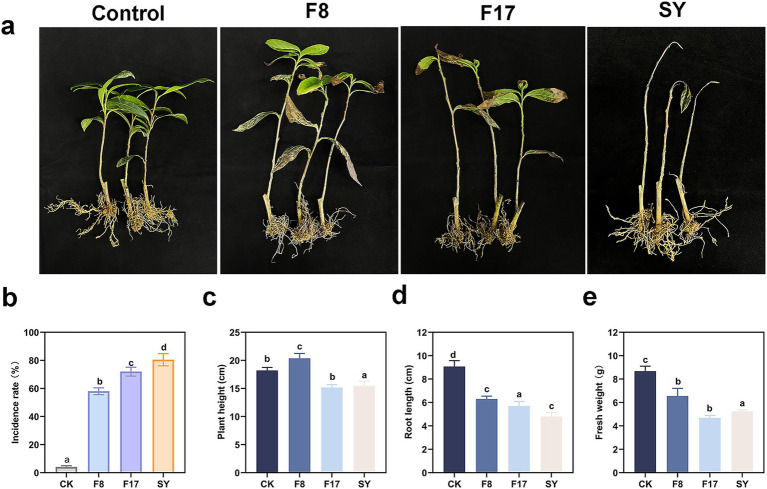 Figure 1
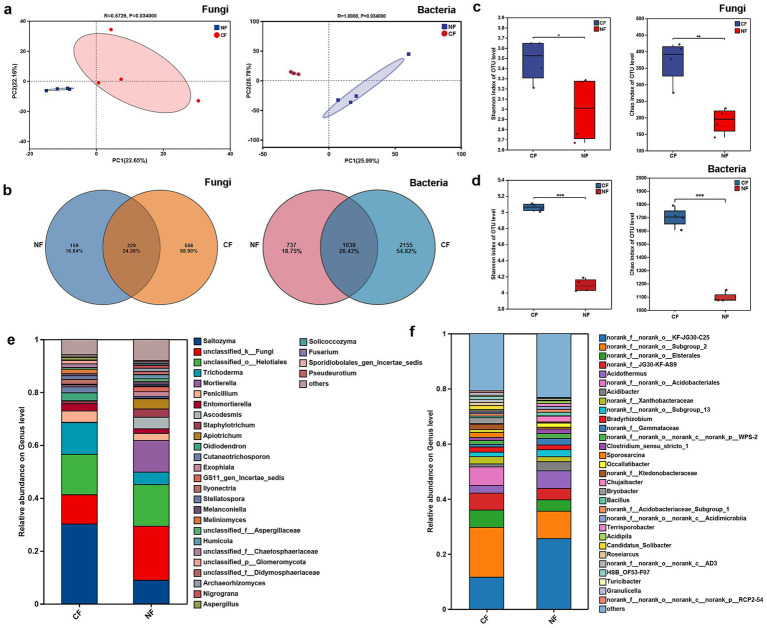 Figure 2
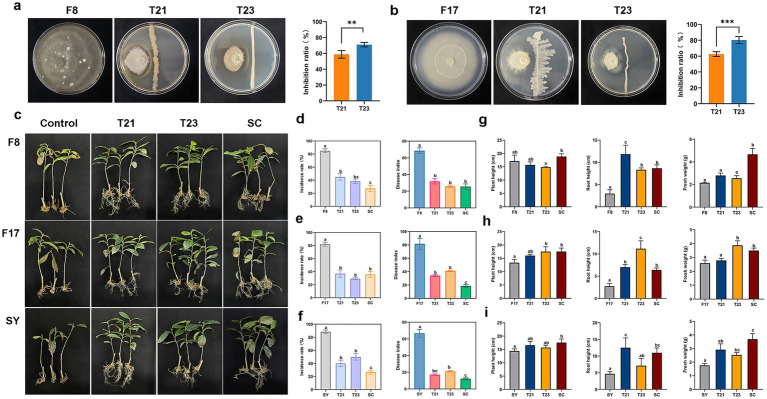 Figure 3
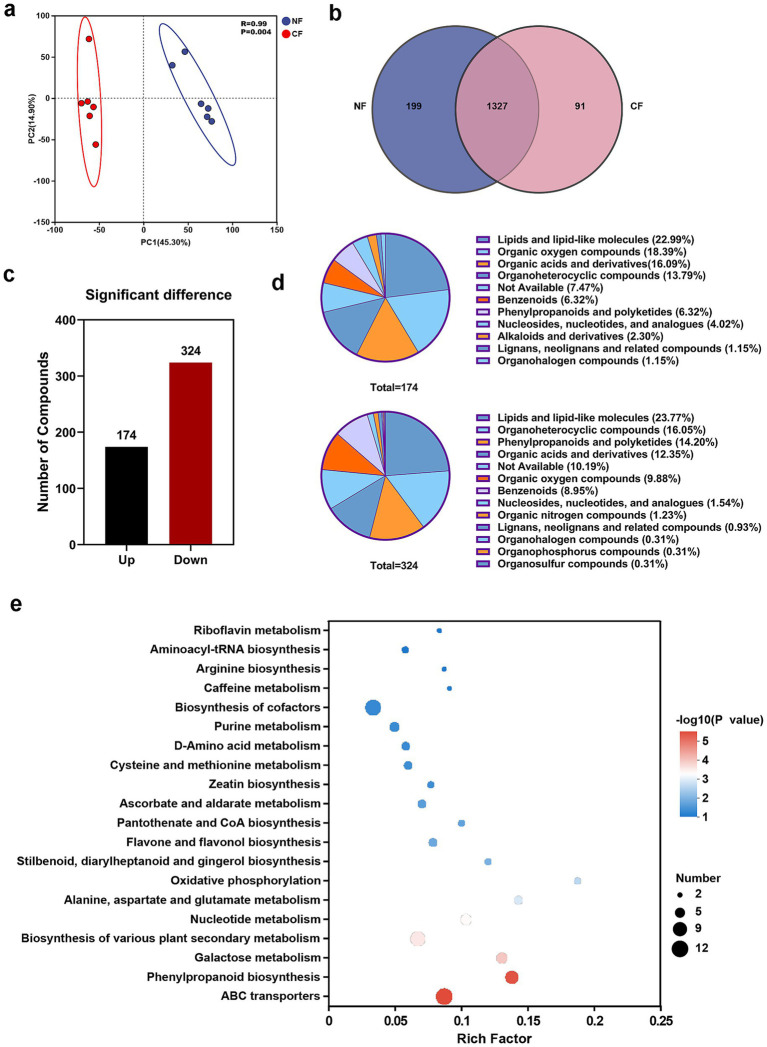 Figure 4
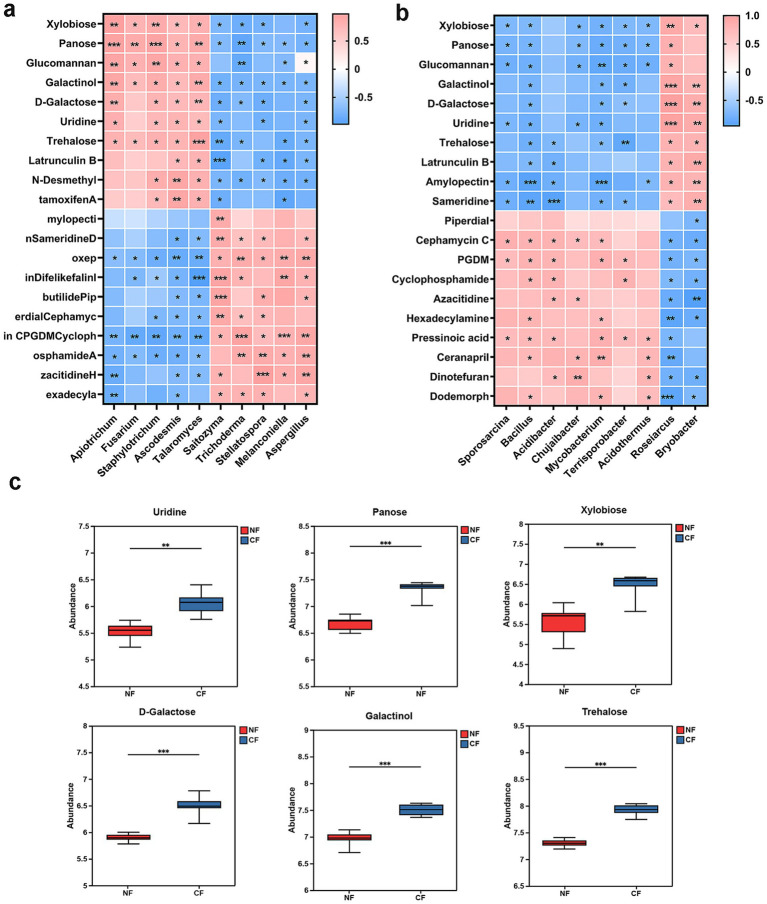 Figure 5
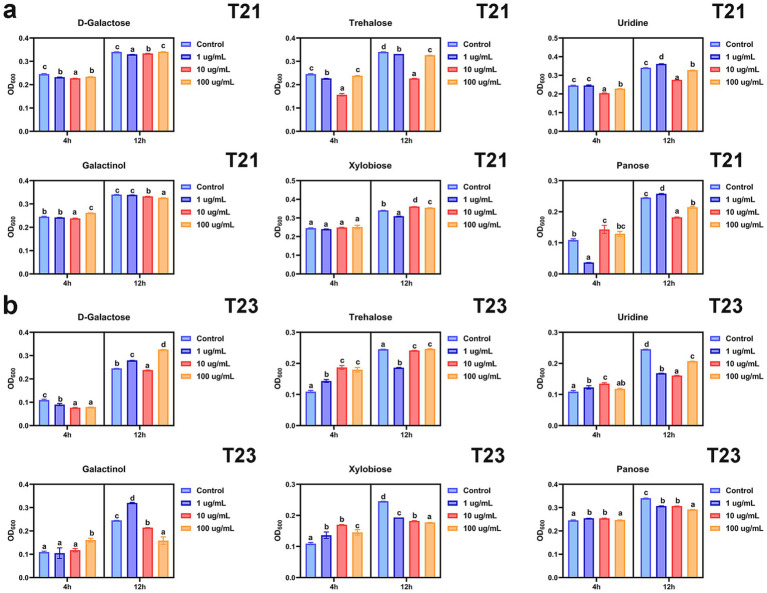 Figure 6
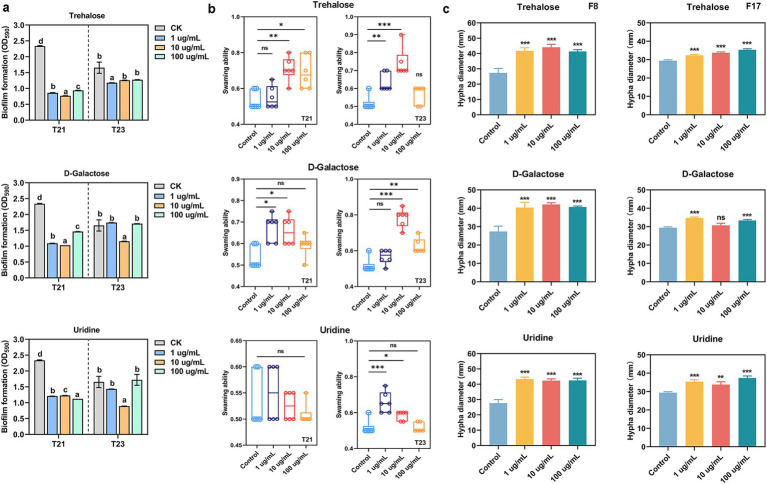 Figure 7
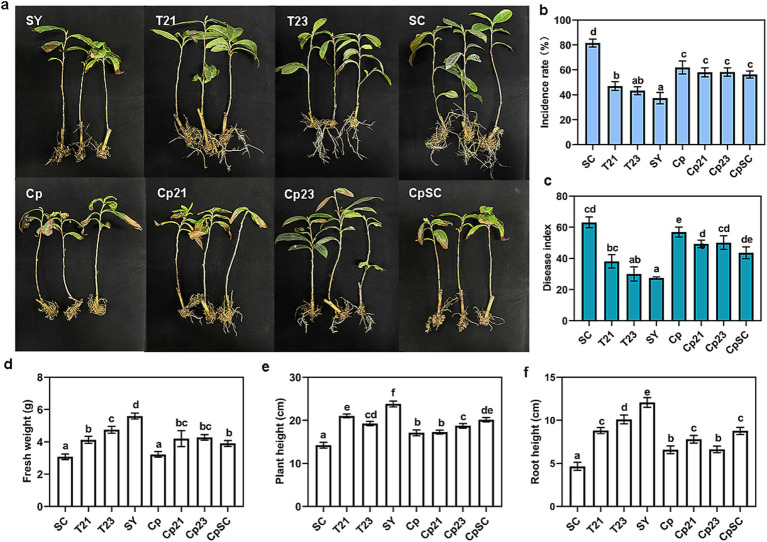 Figure 8
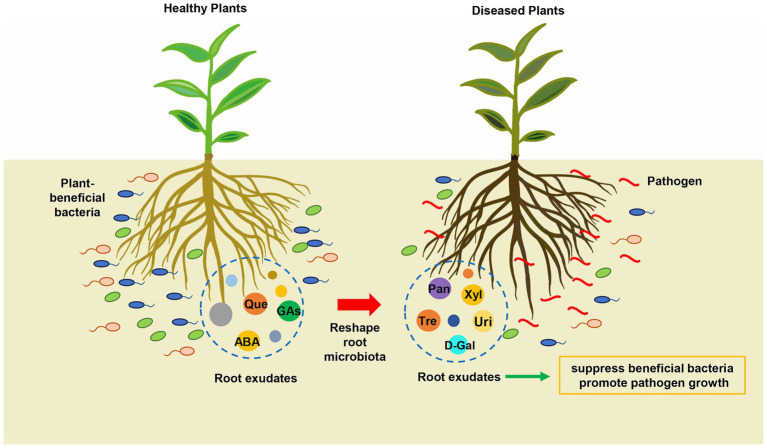 Figure 9
Peer Reviews
No public reviews on file for this paper yet. If you reviewed it on a platform where reviews are public (OpenReview, ICLR, NeurIPS, ICML), you can paste yours below so the community can read it here.
Videos
No videos yet. Explain this paper in a talk, walkthrough, or lecture? Add one.
Taxonomy
TopicsPlant-Microbe Interactions and Immunity · Mycorrhizal Fungi and Plant Interactions · Plant Disease Resistance and Genetics