Multifunctional Sponge-like Biochar@ZnO Nanorods Material: Applications in Triboelectric Nanogenerators to Enhance Photocatalysis
Agnes Nascimento Simões, Rafael Aparecido Ciola Amoresi, Glauco Meireles Mascarenhas Morandi Lustosa, Waldir Antonio Bizzo, Talita Mazon

TL;DR
This paper introduces a sustainable TENG device using a biochar@ZnO composite that efficiently harvests energy and aids in degrading pollutants.
Contribution
A novel TENG using eco-friendly biochar@ZnO nanorods is developed, showing enhanced photocatalytic performance and energy harvesting.
Findings
The TENG achieved a power density of 35.11 mW.m–2 and output voltage of 7.6 V.
The device degraded methylene blue with 42% efficiency in 2 hours using two TENG units.
The TENG successfully charged a 1000 μF capacitor within 4 hours.
Abstract
Triboelectric nanogenerators (TENGs) have emerged as promising devices for harvesting mechanical energy and enhancing photocatalytic processes, offering innovative pathways toward sustainable technologies. In this study, we report the fabrication of a TENG using environmentally friendly materials. A sponge-like biochar@ZnO nanorods (NRs) composite, synthesized via pyrolysis followed by chemical bath deposition, served as the positive dielectric material, while a PDMS@GO composite formed the negative dielectric layer. The resulting device achieved a power density of 35.11 mW.m–2, an output voltage of 7.6 V, a load resistance of 47 MΩ, and a current of 0.16 μA. The TENGs demonstrated excellent reproducibility, delivering consistent voltage outputs across triplicate measurements, and successfully charged a 1000 μF capacitor within 4 h. Beyond energy harvesting, the TENG was integrated into…
Genes, proteins, chemicals, diseases, species, mutations and cell lines named across the full text — each resolved to its canonical identifier and authoritative record.
Click any figure to enlarge with its caption.
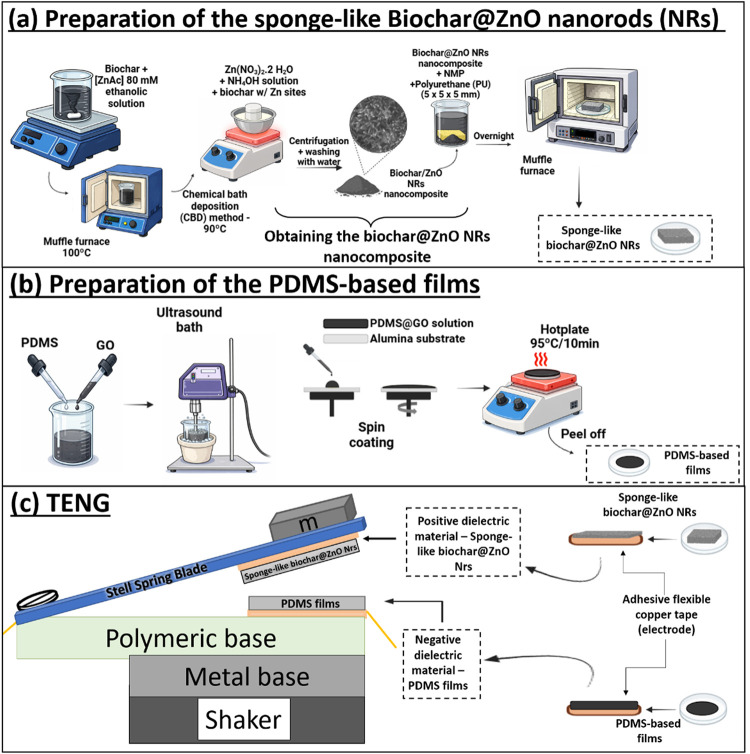 Figure 1
 Figure 2
 Figure 3
 Figure 4
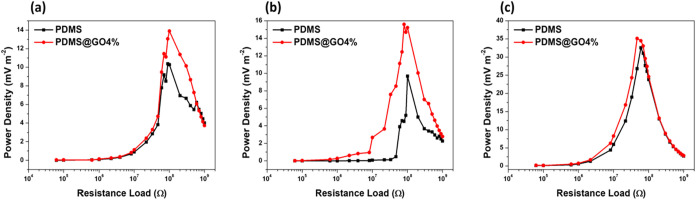 Figure 5
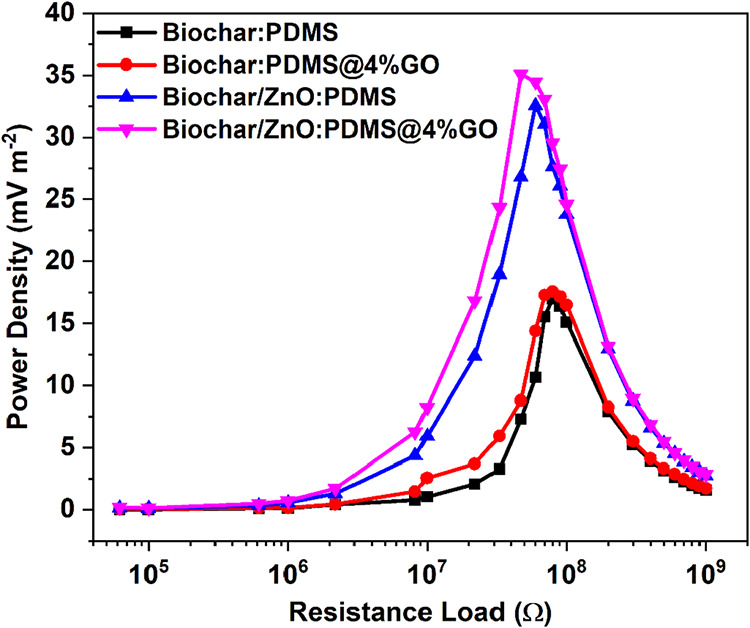 Figure 6
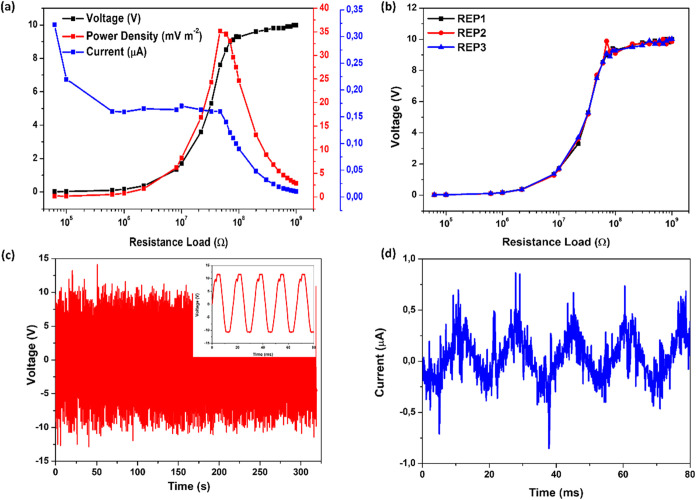 Figure 7
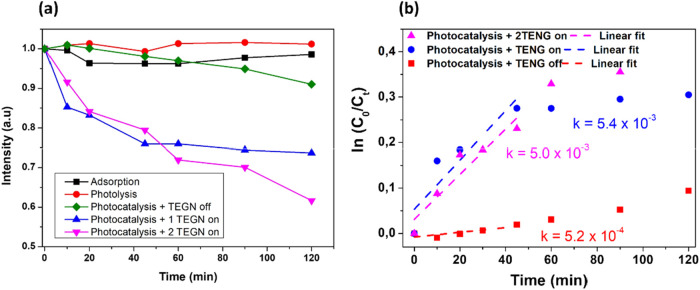 Figure 8
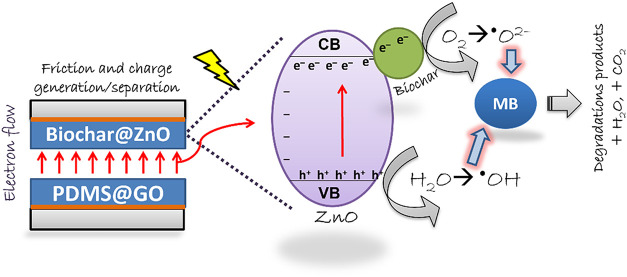 Figure 9
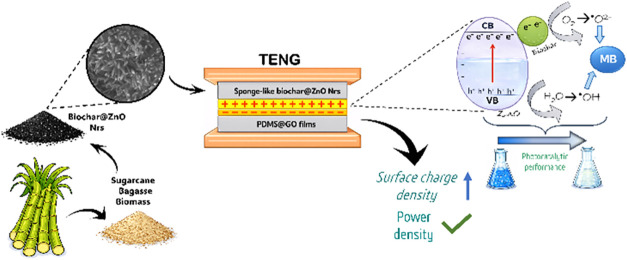 Figure 10
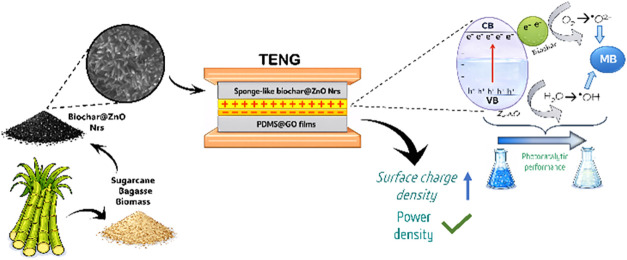 Figure 11
 Figure 12
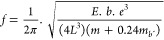 Figure 13
 Figure 14
 Figure 15
Peer Reviews
No public reviews on file for this paper yet. If you reviewed it on a platform where reviews are public (OpenReview, ICLR, NeurIPS, ICML), you can paste yours below so the community can read it here.
Videos
No videos yet. Explain this paper in a talk, walkthrough, or lecture? Add one.
Taxonomy
TopicsAdvanced Sensor and Energy Harvesting Materials · Dielectric materials and actuators · Conducting polymers and applications