Vascularised Brain Organoids: Engineering Strategies and Neurobiological Applications
Yeajin Song, Hyejin Jo, Seokchan Jeong, Inseon Kim, Seunghun S. Lee

TL;DR
This paper reviews strategies to add blood vessels to brain organoids, improving their realism for studying brain diseases and drug testing.
Contribution
The paper provides a comprehensive overview of vascularization methods and their impact on brain organoid functionality.
Findings
Vascularized brain organoids improve oxygen diffusion and synaptic development.
These organoids enable modeling of complex conditions like stroke and BBB dysfunction.
Current methods include co-culture with endothelial cells and 3D bioprinting.
Abstract
Brain organoids have become an essential platform for studying human neural development and neurological disorders. Yet, one major limitation of conventional brain organoids is their lack of vascular structures. This deficiency restricts organoid size, contributes to necrotic core formation, and hampers their functional maturation. Introducing vascularization offers a compelling solution—it enhances nutrient delivery, supports neurogenesis, and fosters the development of interfaces that resemble the blood–brain barrier (BBB). In this review, we explore how vascularization enhances the structural and physiological relevance of brain organoids and its growing significance in disease modelling and therapeutic screening. We examine current methodologies for engineering vascularized brain organoids (vBOs), including co‐culturing with endothelial cells (ECs), transcriptional programming,…
Genes, proteins, chemicals, diseases, species, mutations and cell lines named across the full text — each resolved to its canonical identifier and authoritative record.
Click any figure to enlarge with its caption.
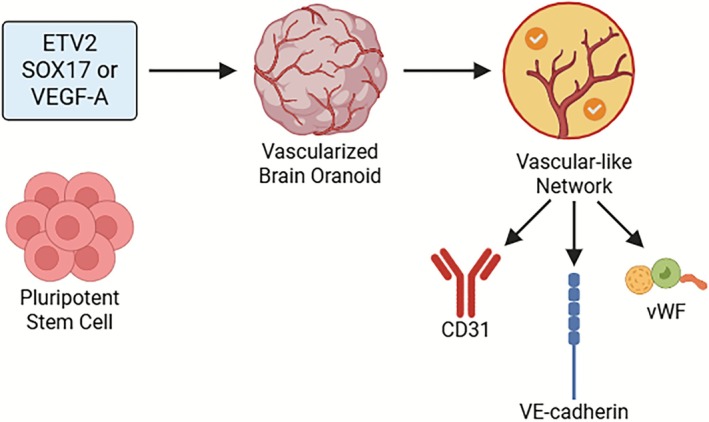 Figure 1
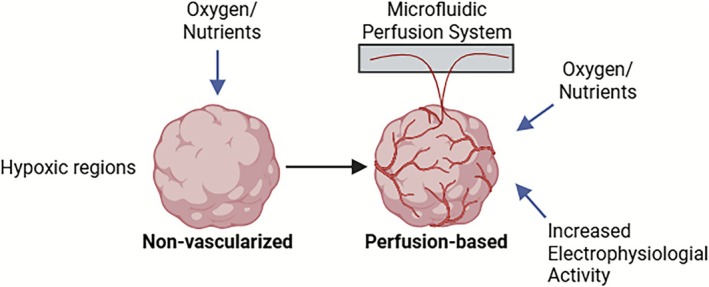 Figure 2
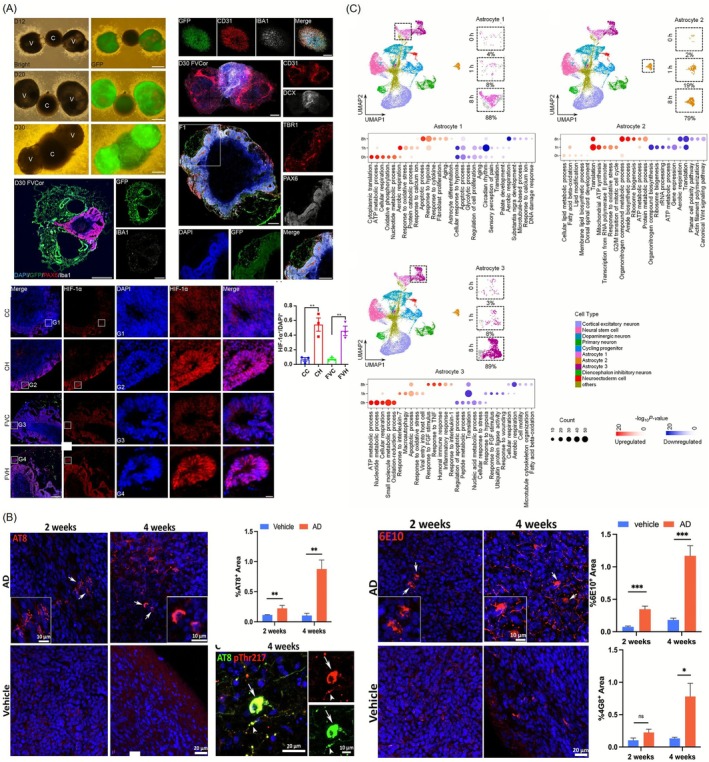 Figure 3
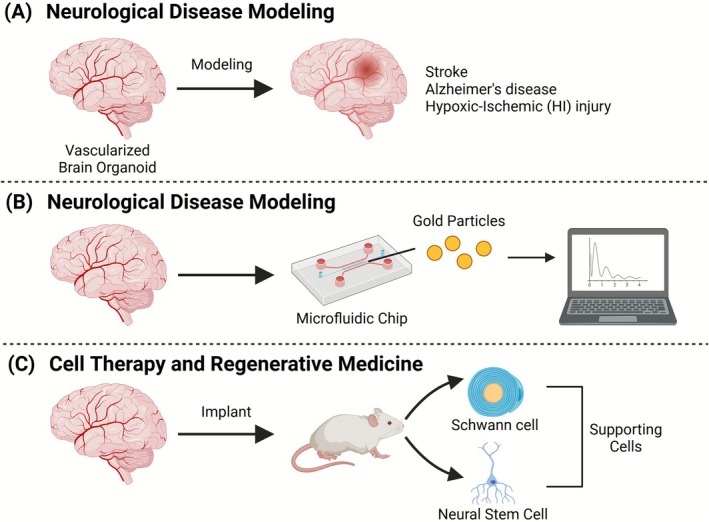 Figure 4
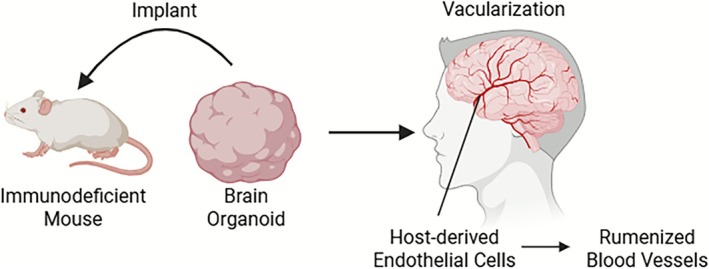 Figure 5
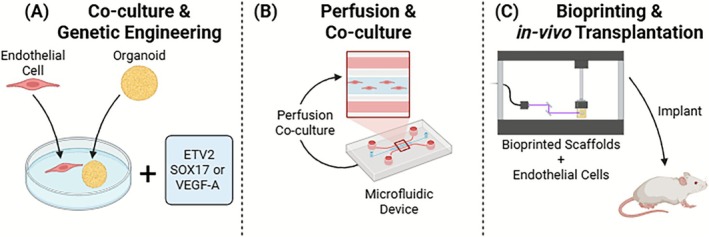 Figure 6
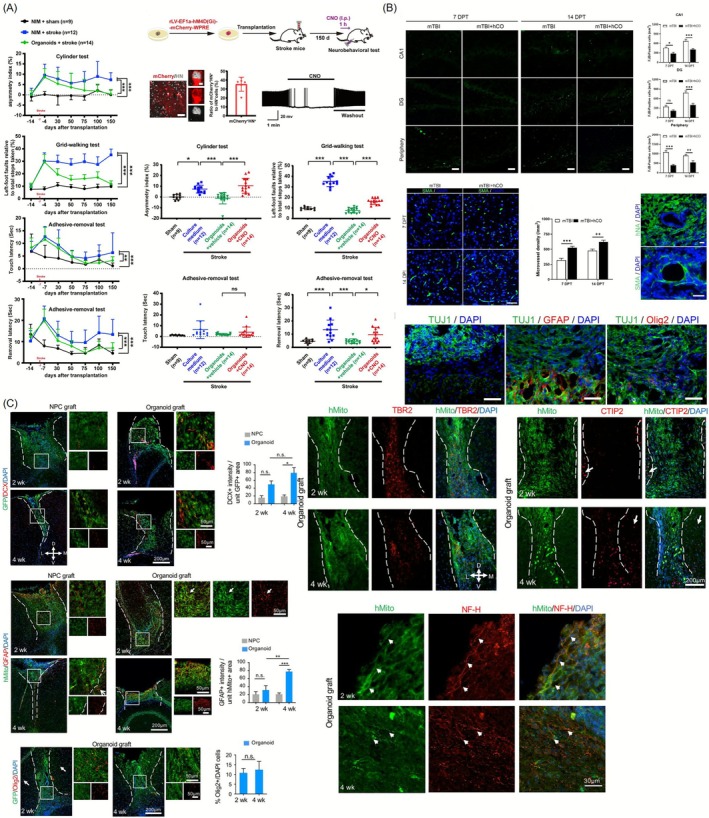 Figure 7
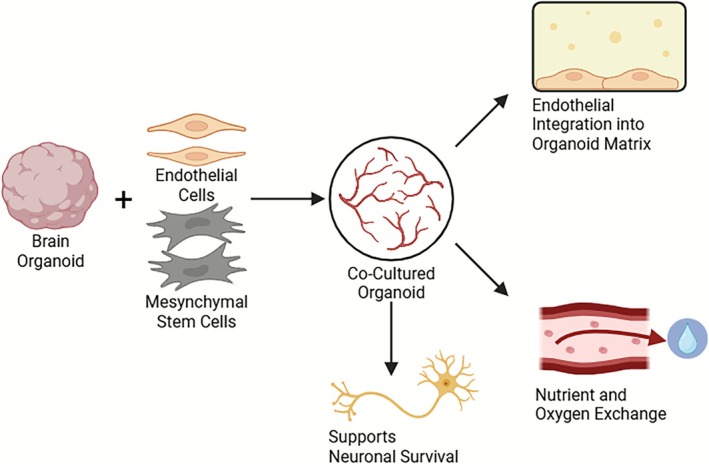 Figure 8
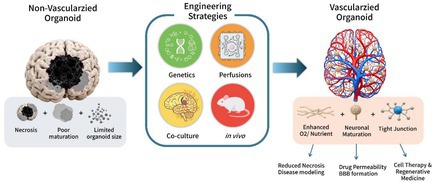 Figure 9
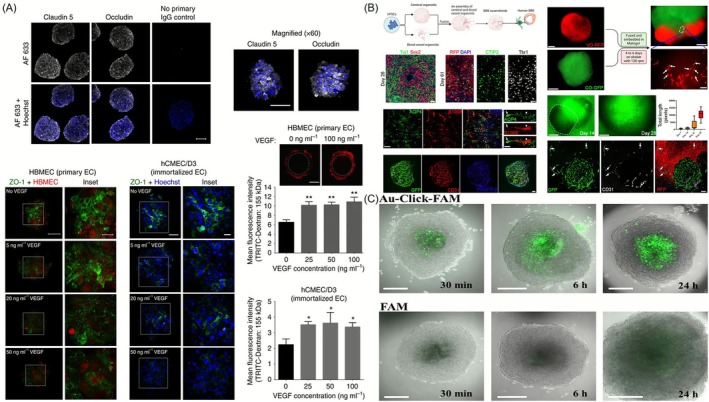 Figure 10
Peer Reviews
No public reviews on file for this paper yet. If you reviewed it on a platform where reviews are public (OpenReview, ICLR, NeurIPS, ICML), you can paste yours below so the community can read it here.
Videos
No videos yet. Explain this paper in a talk, walkthrough, or lecture? Add one.
Taxonomy
TopicsBarrier Structure and Function Studies · 3D Printing in Biomedical Research · Cerebrospinal fluid and hydrocephalus