MICRO (Multimaterial, Integrated, Compact, Ready-to-Plug, One-Step 3D-Printed): A Simple-to-Use Electrochemical Device for On-Site Analysis and Drug Screening
Tiago Moraes Zavarize, Fárlon Felipe Silva Xavier, Augusto dos Santos Novais, Celso Luciano de Araújo, Edmar Isaias de Melo, Ettore Ferrari Júnior, Bruno Gabriel Lucca, Lucas Franco Ferreira, Rodrigo Amorim Bezerra da Silva

TL;DR
This paper introduces a 3D-printed electrochemical device that is easy to use, portable, and low-cost for on-site analysis and drug screening.
Contribution
The novel contribution is a ready-to-plug, one-step 3D-printed electrochemical cell with integrated components and USB connectivity.
Findings
The device showed performance comparable to commercial electrodes for detecting model analytes.
It successfully detected anabolic steroid oxymetholone in seized samples with high accuracy.
The device is cost-effective (<ten cents) and suitable for on-site forensic analysis.
Abstract
3D printing has emerged as a transformative technology in electroanalytical chemistry, enabling the rapid, low-cost, and reproducible mass fabrication of portable devices and sensors for several areas such as environmental, clinical, food, and forensic applications. Herein, we present a multimaterial, integrated, compact, ready-to-plug, and one-step additively manufactured electrochemical cell (MICRO-EC3D). This all-in-one device was fabricated using a dual-extruder 3D printer and comprises a single unit containing the three electrodes/tracks (conductive carbon black–polylactic acid, CB-PLA) as well as the body containing an embedded mini solution reservoir (polyethylene terephthalate glycol, PETG). This arrangement eliminates the assembling of external accessories and allows the introduction of miniaturized stirrers. Unlike previous similar 3D-printed devices, the proposed microcell is…
Genes, proteins, chemicals, diseases, species, mutations and cell lines named across the full text — each resolved to its canonical identifier and authoritative record.
Click any figure to enlarge with its caption.
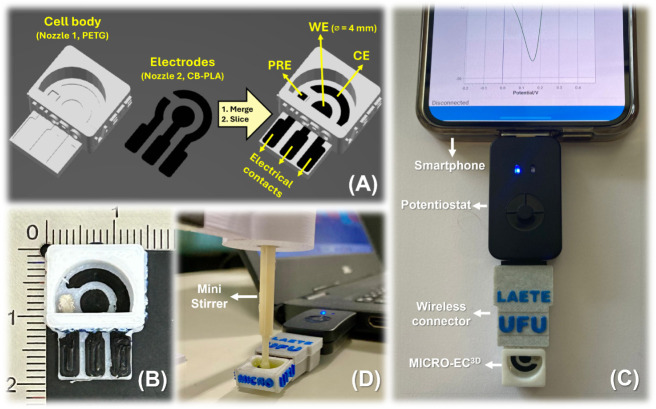 Figure 1
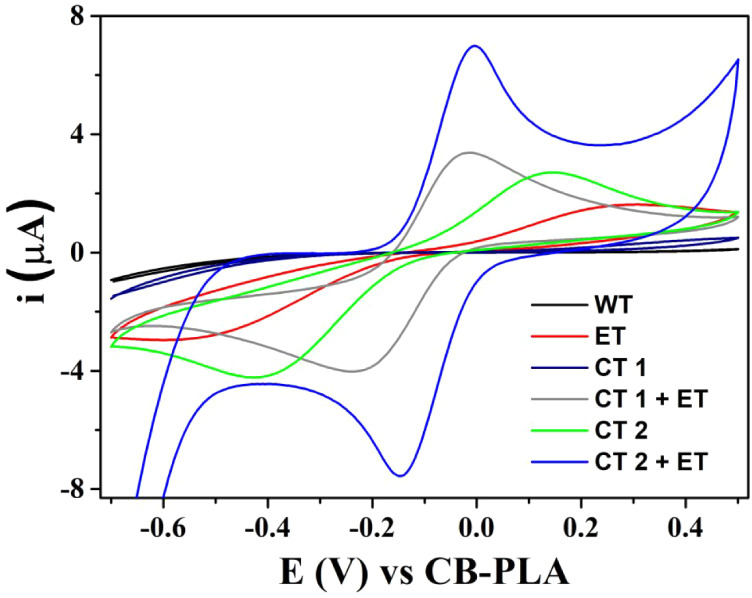 Figure 2
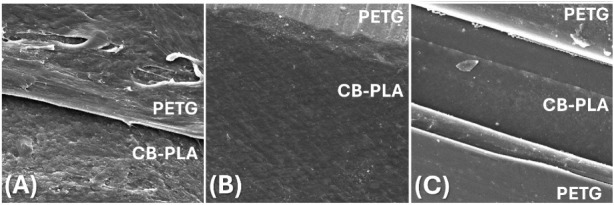 Figure 3
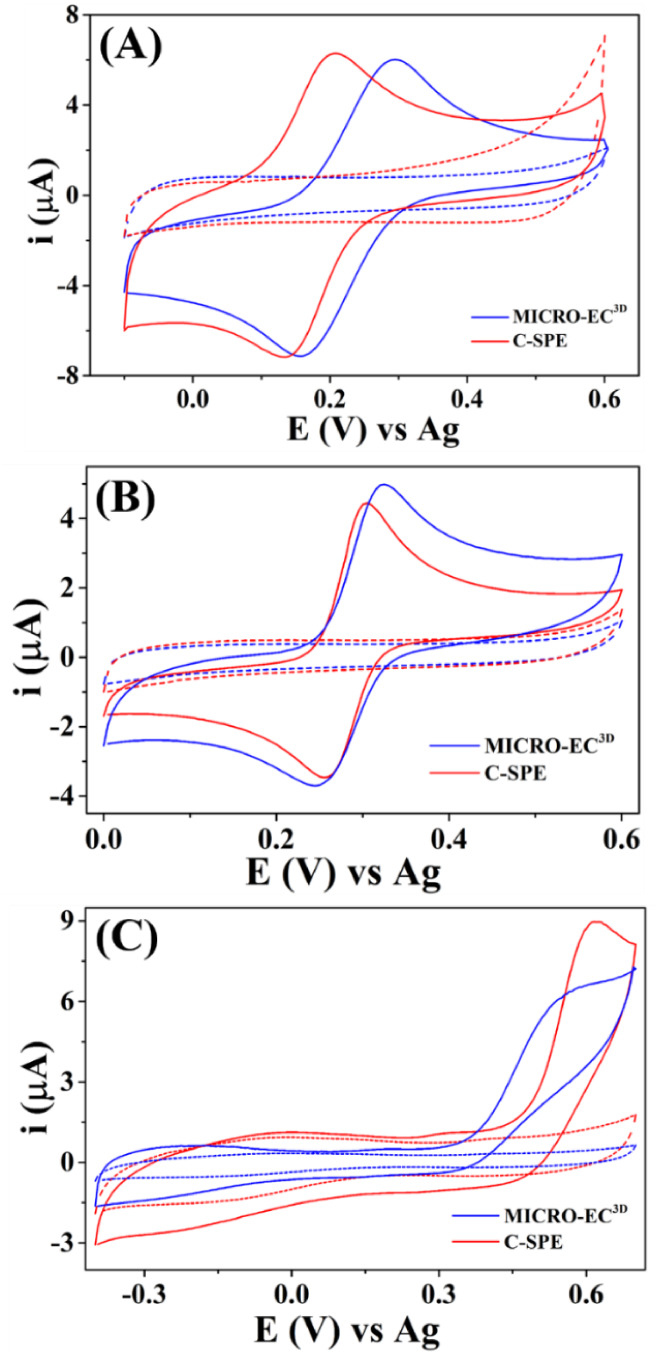 Figure 4
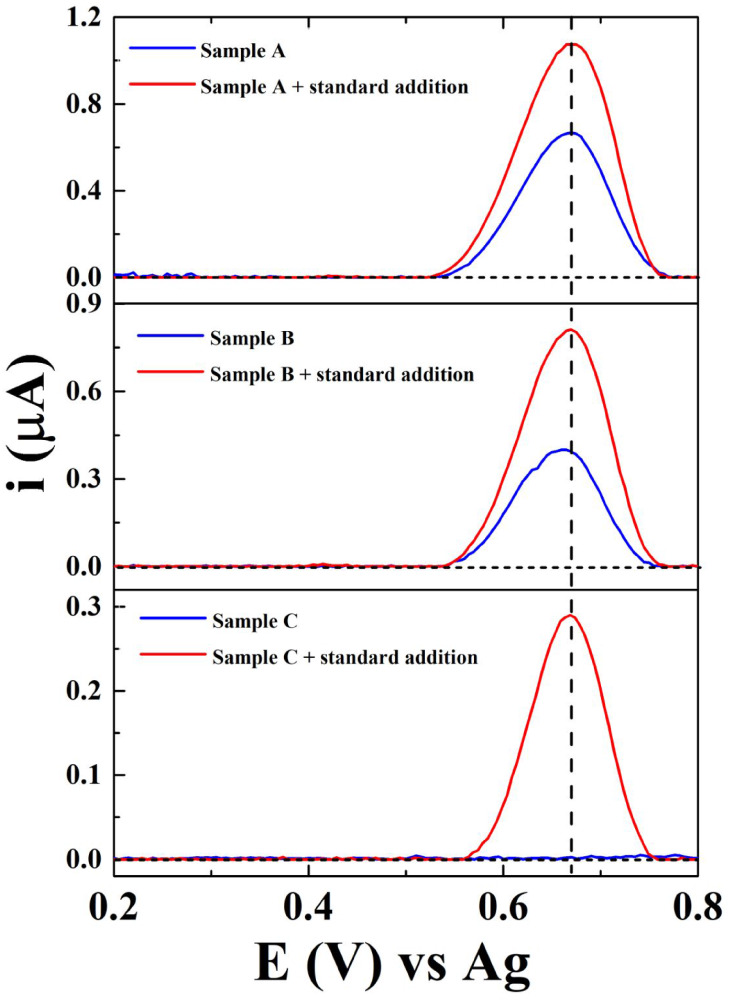 Figure 5
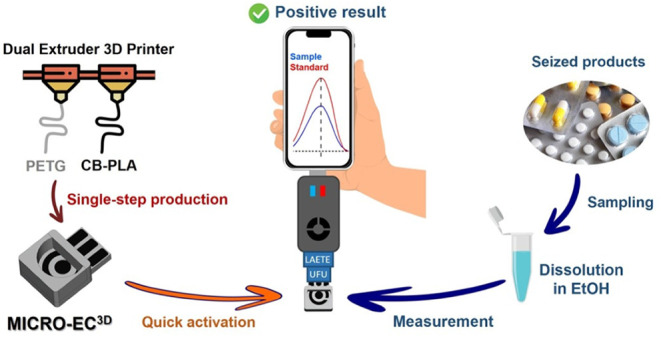 Figure 6
 Figure 7
Peer Reviews
No public reviews on file for this paper yet. If you reviewed it on a platform where reviews are public (OpenReview, ICLR, NeurIPS, ICML), you can paste yours below so the community can read it here.
Videos
No videos yet. Explain this paper in a talk, walkthrough, or lecture? Add one.
Taxonomy
TopicsMicrofluidic and Capillary Electrophoresis Applications · Hormonal and reproductive studies · Effects and risks of endocrine disrupting chemicals