Synthesis and Pharmacological Evaluation of Novel 1,5-Disubstituted-3-amino-1,2,4-triazoles Designed as Multitarget Directed Ligands for Alzheimer’s Disease Targets
Daiana Portella Franco, Lucas Caruso, Danniel Cosme Neves Grillo, Nathália Fonseca Nadur, Luciana Luiz de Azevedo, Thiago Moreira Pereira, Manuelle Cunha da Silva, Renata Barbosa Lacerda, Pedro de Sena Murteira Pinheiro, Cristiano Jorge Riger, Arthur Eugen Kümmerle

TL;DR
This paper presents new triazole compounds that show promise for Alzheimer's treatment by targeting multiple disease-related enzymes and metals.
Contribution
The study introduces novel multitarget-directed 1,2,4-triazole ligands with potent acetylcholinesterase inhibition and metal-binding properties.
Findings
Compounds showed potent acetylcholinesterase inhibition with IC50 values as low as 0.38 μM.
Molecular dynamics suggested synergistic interactions at key enzyme sites.
Selected derivatives exhibited antioxidant effects and low toxicity in yeast.
Abstract
A series of 3-amino-1,2,4-triazole derivatives was synthesized and evaluated for their multitarget activities relevant to Alzheimer’s disease. Inhibition assays revealed potent and preferential inhibition of acetylcholinesterase (AChE) for most of compounds, with IC50 values of up to 0.38 μM and selectivity ratios up to 32-fold over butyrylcholinesterase (BChE). Qualitative molecular dynamics indicated that interactions at the PAS and CAS appear to occur synergistically, with positive cooperativity. Electron-withdrawing groups in R1 and R2 favorize PAS interactions that seem to guide efficient CAS interactions, mainly with residue Trp86 in AChE and Trp107 in BChE. Metal-binding studies showed intrinsic complexation of Cu2+ and Fe3+ for the 3-amino-1,2,4-triazole compounds, which could be expanded to other metals by specific structural modifications in ortho-position of R1 substituent.…
Genes, proteins, chemicals, diseases, species, mutations and cell lines named across the full text — each resolved to its canonical identifier and authoritative record.
Click any figure to enlarge with its caption.
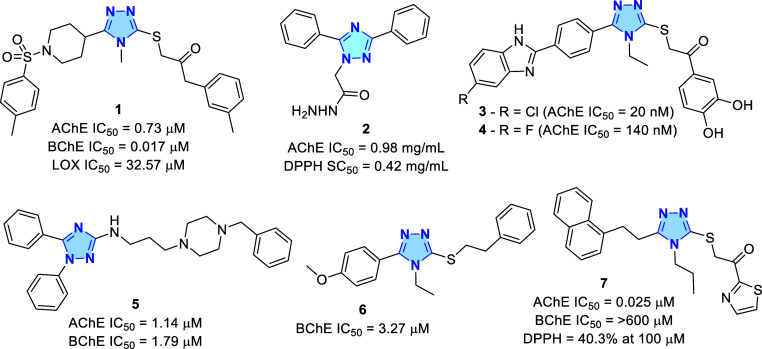 Figure 1
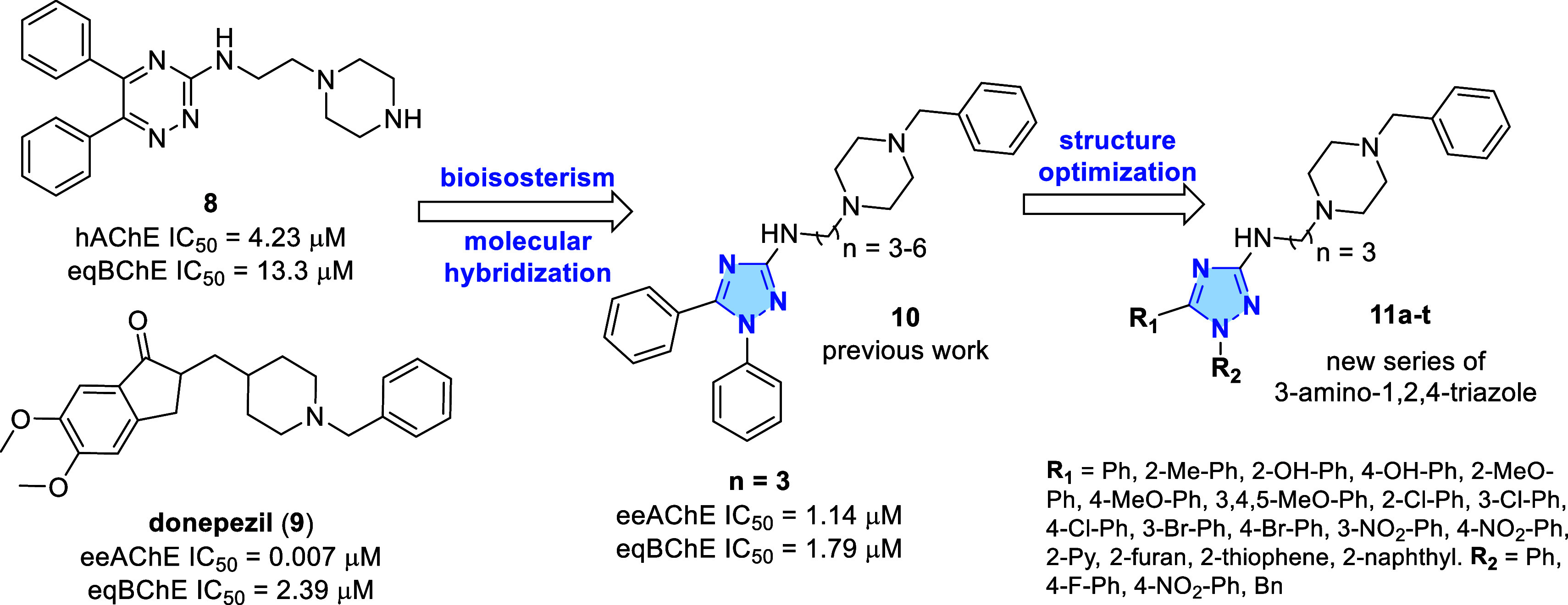 Figure 2
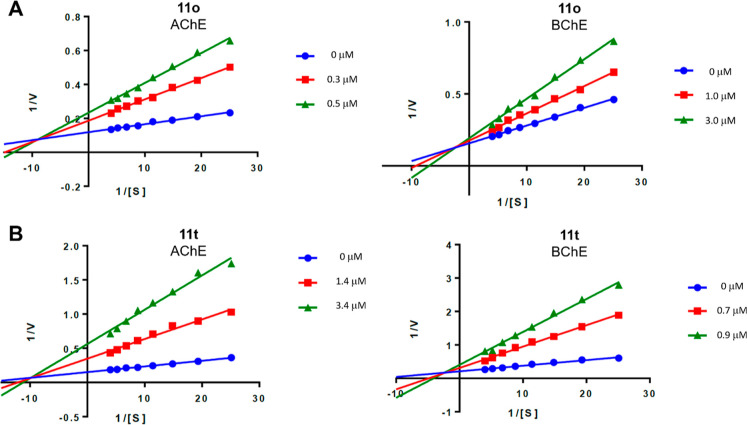 Figure 3
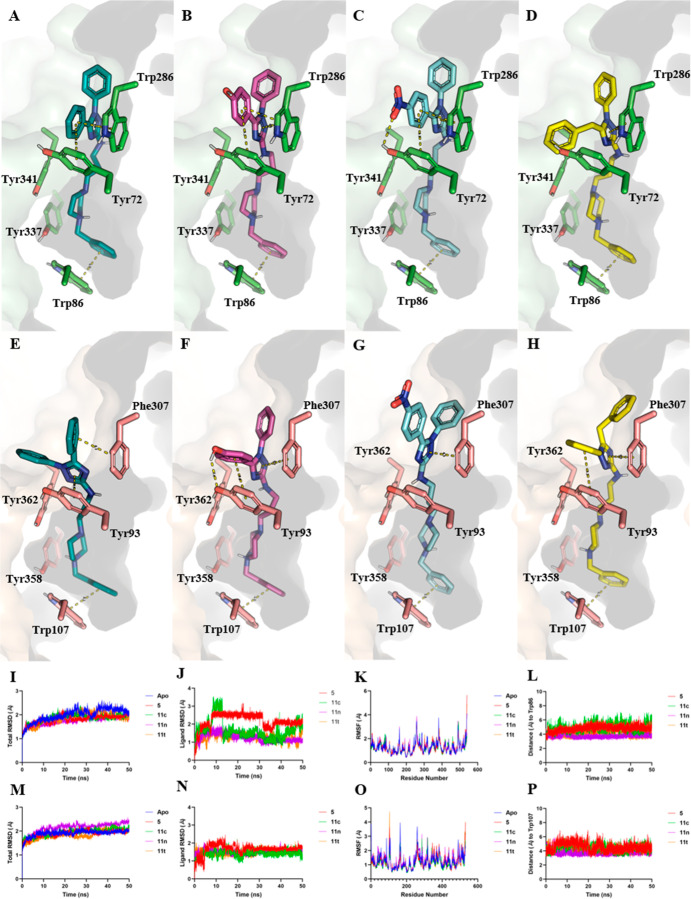 Figure 4
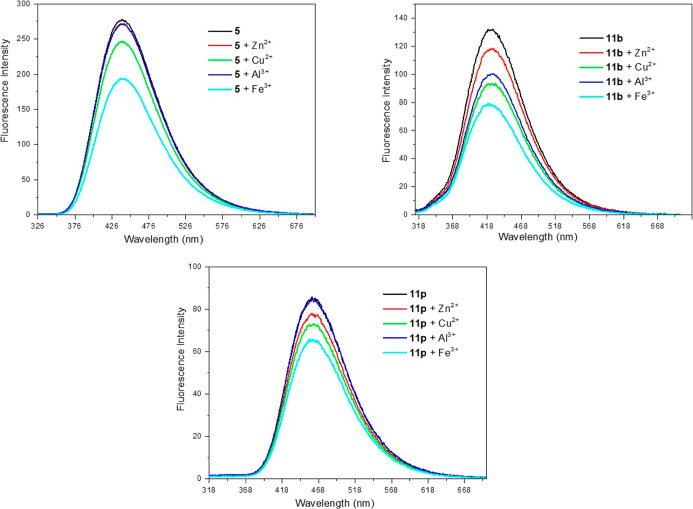 Figure 5
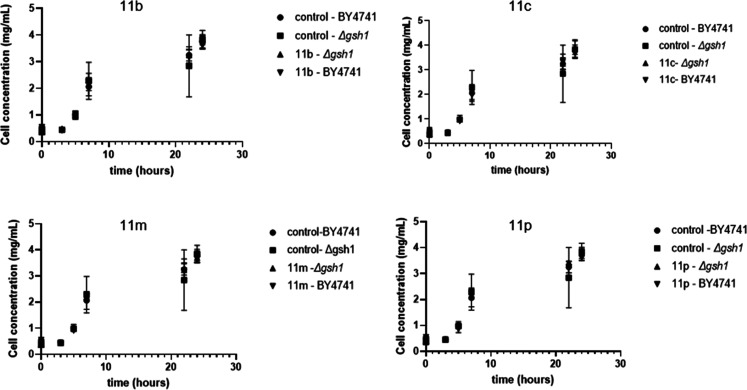 Figure 6
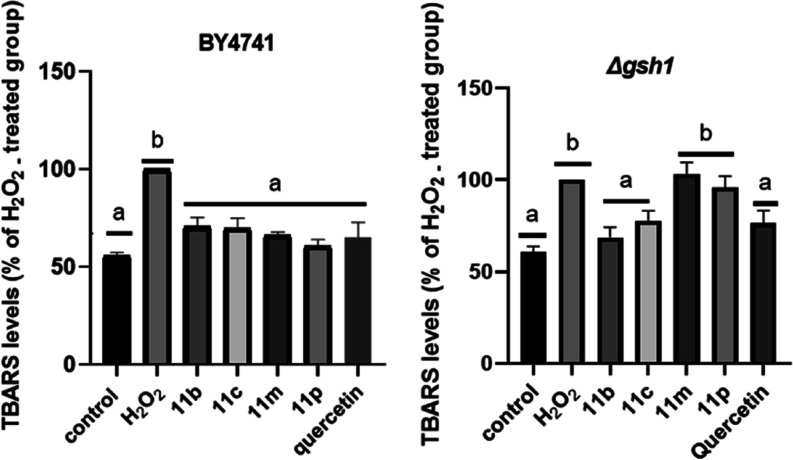 Figure 7
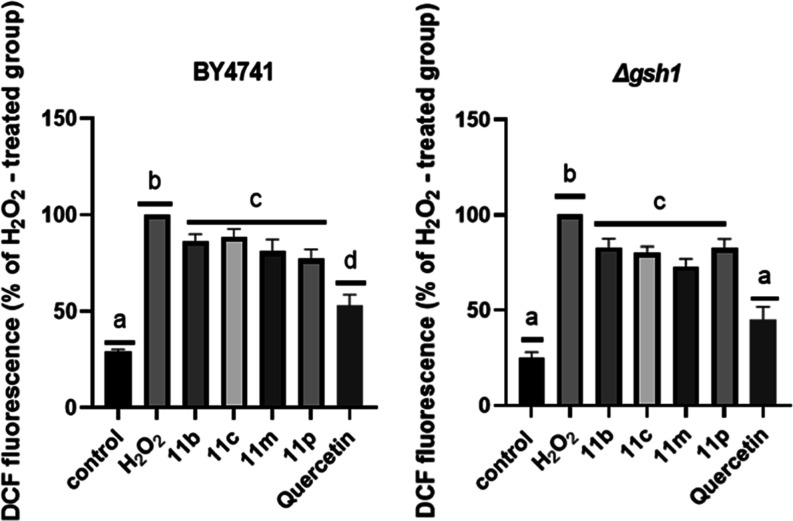 Figure 8
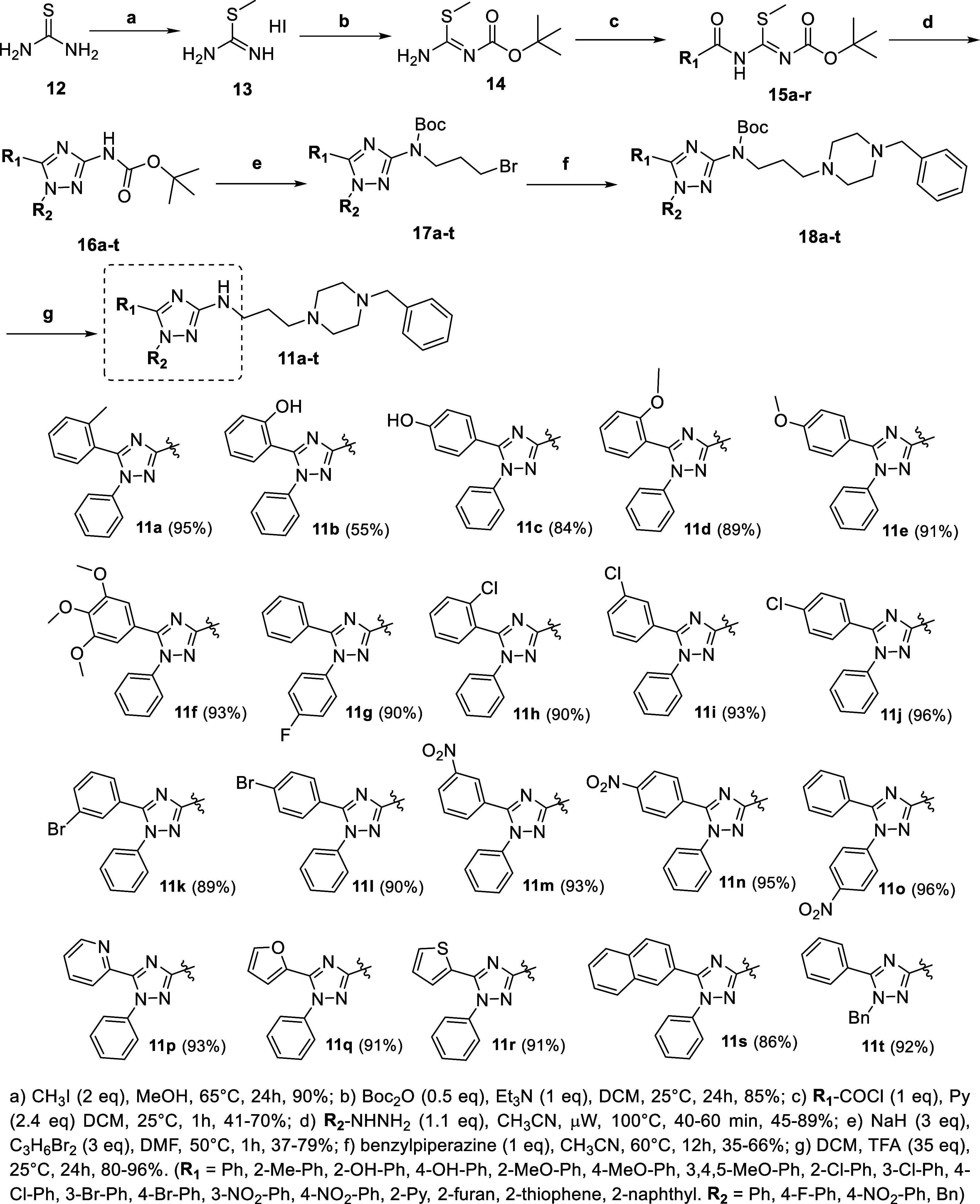 Figure 9
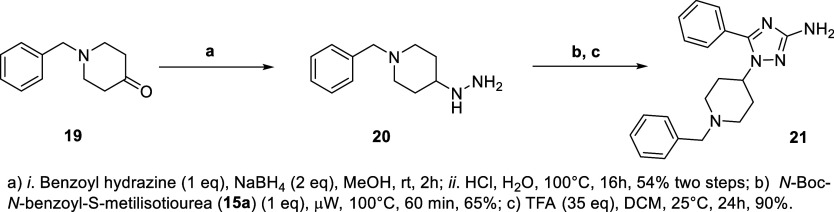 Figure 10
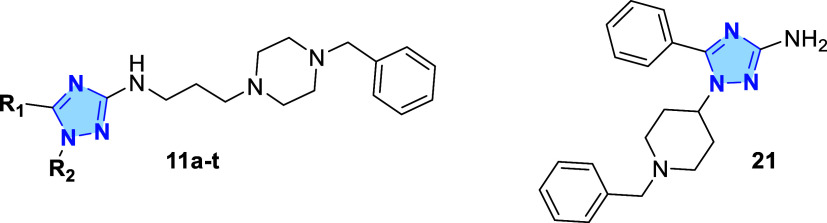 Figure 11
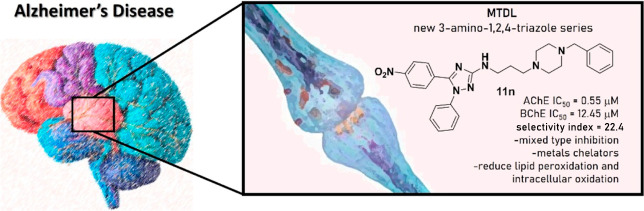 Figure 12
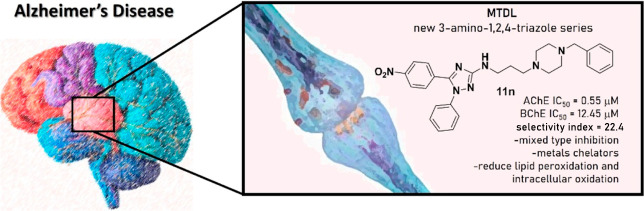 Figure 13
Peer Reviews
No public reviews on file for this paper yet. If you reviewed it on a platform where reviews are public (OpenReview, ICLR, NeurIPS, ICML), you can paste yours below so the community can read it here.
Videos
No videos yet. Explain this paper in a talk, walkthrough, or lecture? Add one.
Taxonomy
TopicsCholinesterase and Neurodegenerative Diseases · Enzyme function and inhibition · Synthesis and biological activity