Eucalyptus Bark Biochar: Production and Characterization
Ariane A. F. Pires, Rafaela S. Resende, João L. Barros, Diego A. Silva, Gabriela T. Nakashima, Gabriela B. Belini, Fabio M. Yamaji

TL;DR
This paper explores using Eucalyptus bark to make biochar, which can improve soil and sequester carbon, with the best results at 450°C.
Contribution
The study introduces a sustainable method for producing biochar from Eucalyptus bark, highlighting its potential for soil amendment.
Findings
Biochar produced at 450°C has high fixed carbon content, elevated pH, and thermal stability.
Eucalyptus bark shows maximum degradation at 380°C, confirmed by thermal analysis.
Higher pyrolysis temperatures increase fixed carbon but decrease gravimetric yield.
Abstract
In recent years, biochar has garnered increasing attention due to its potential applications in soil amendment, adsorption, and carbon sequestration, which has driven a growing research interest in these areas. Moreover, lignocellulosic biomass is the primary feedstock for biochar production, typically obtained through pyrolysis under limited O2 conditions. Within this framework, the present study proposes a sustainable approach that valorizes an environmental byproduct from the forestry sectorEucalyptus barkfor biochar production, aiming to improve soil properties through carbon and mineral supply and pH regulation. The raw material was characterized by determining its proximate composition, as well as its structural and chemical features (XRD and FTIR) and thermal behavior (TGA/DTG). After this initial characterization and the definition of suitable pyrolysis conditions, four…
Genes, proteins, chemicals, diseases, species, mutations and cell lines named across the full text — each resolved to its canonical identifier and authoritative record.
Click any figure to enlarge with its caption.
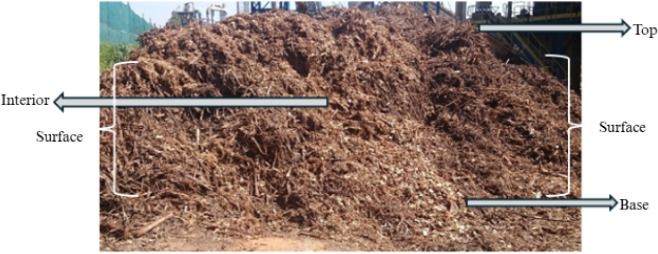 Figure 1
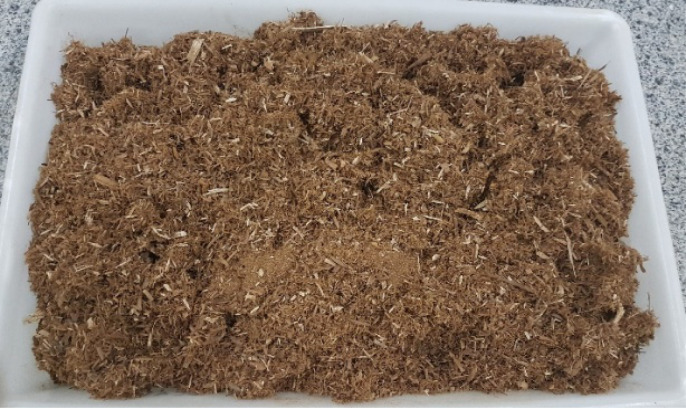 Figure 2
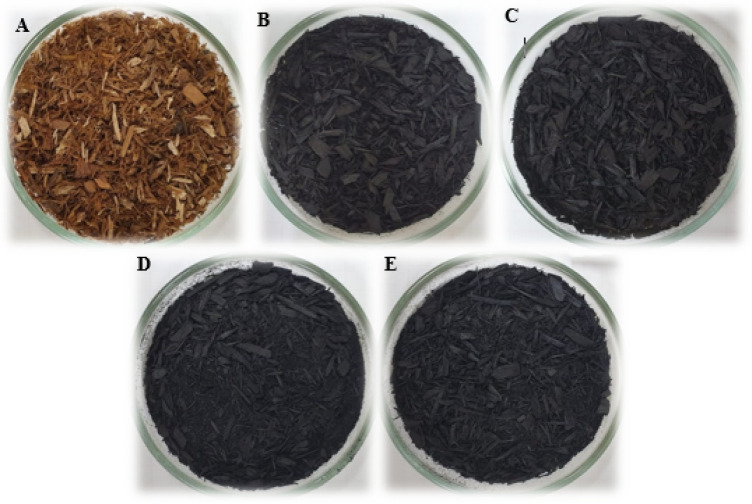 Figure 3
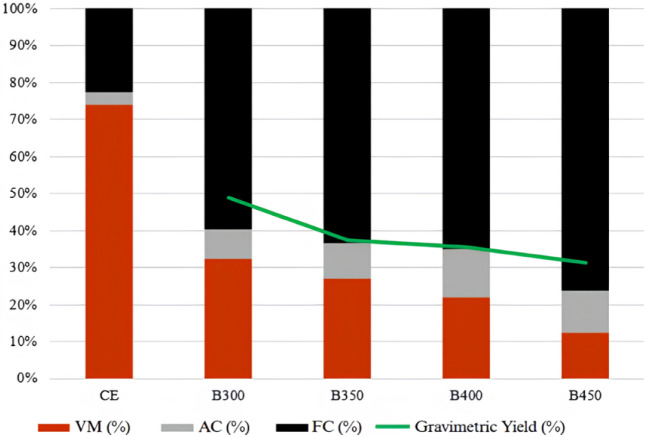 Figure 4
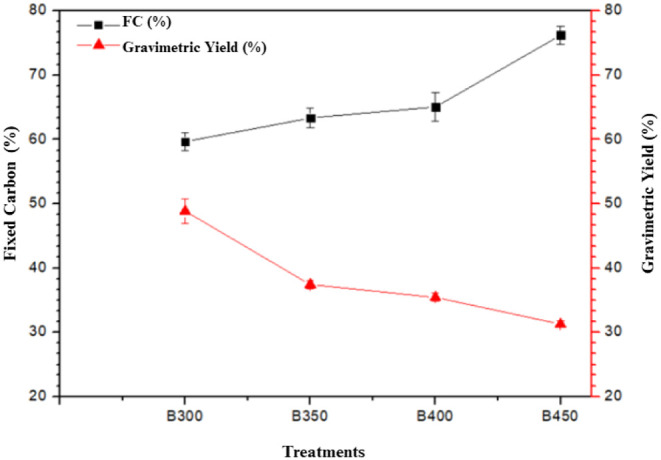 Figure 5
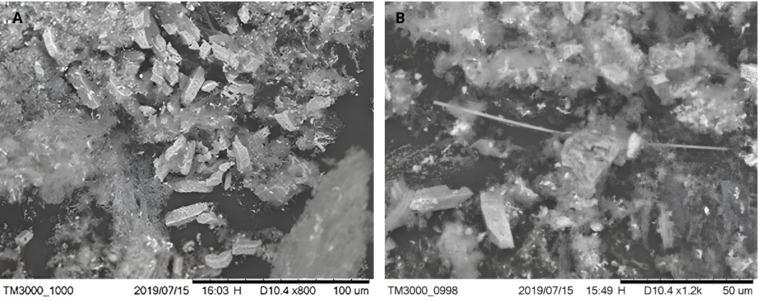 Figure 6
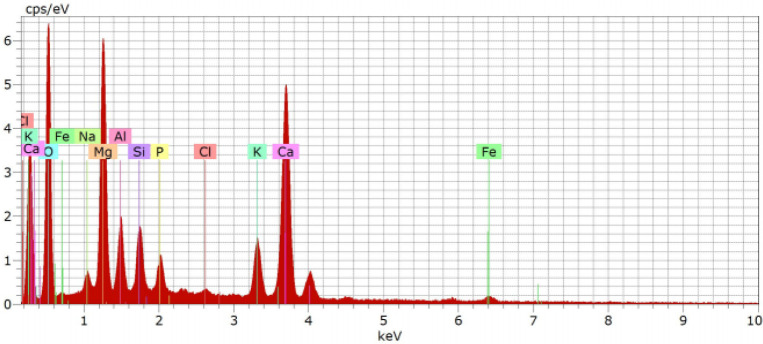 Figure 7
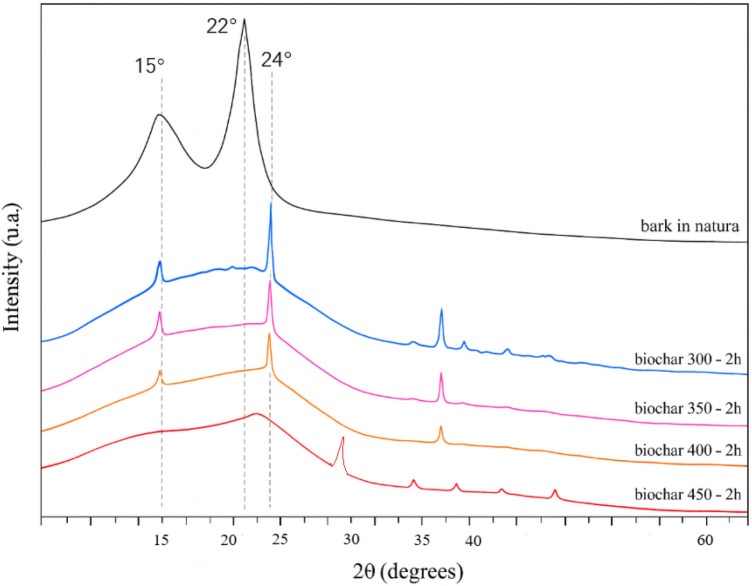 Figure 8
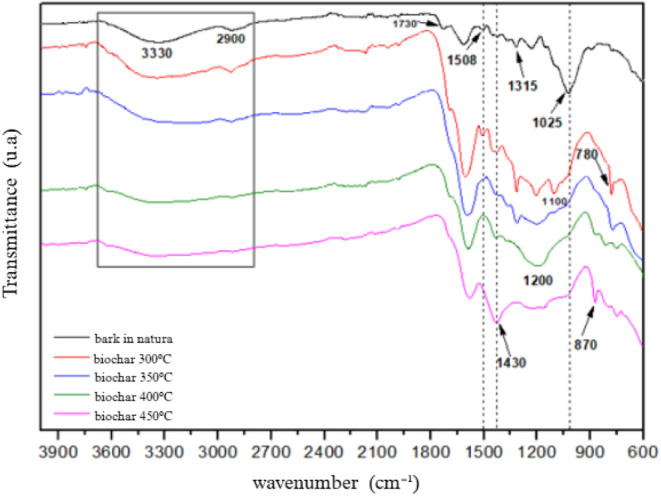 Figure 9
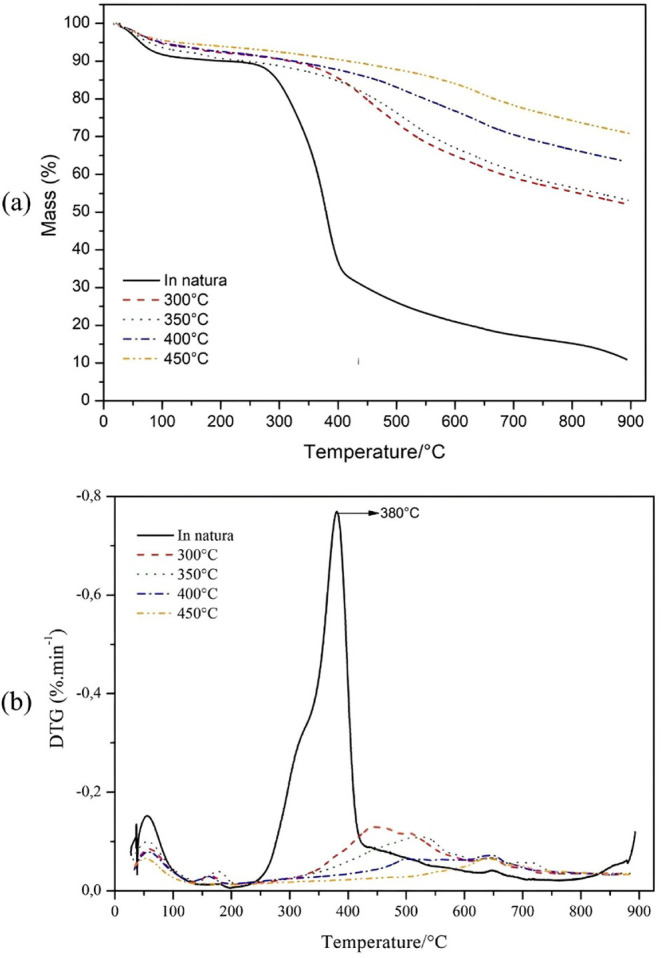 Figure 10
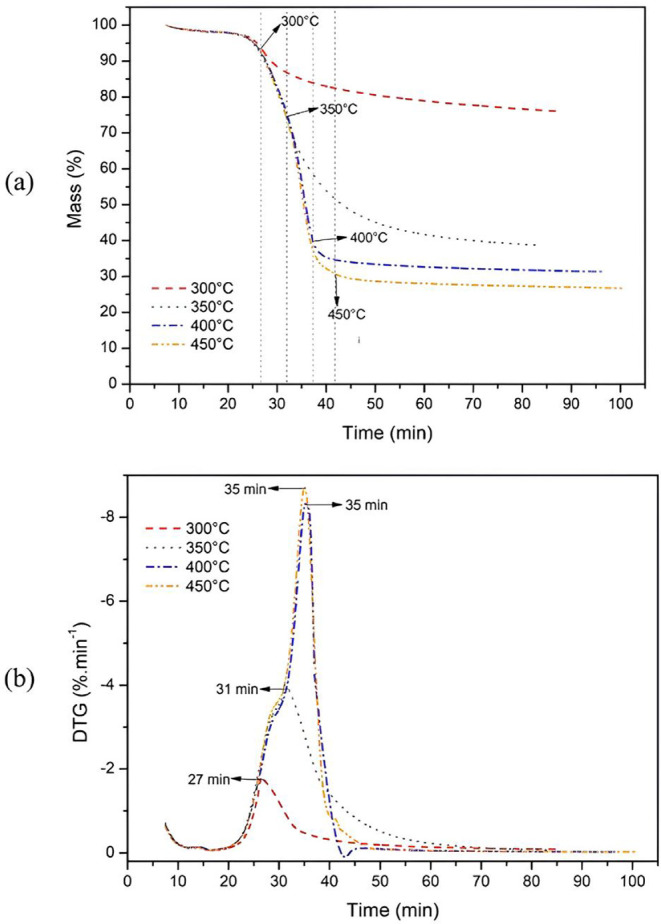 Figure 11
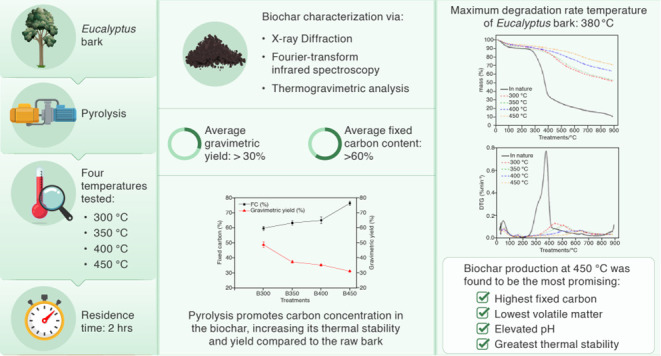 Figure 12
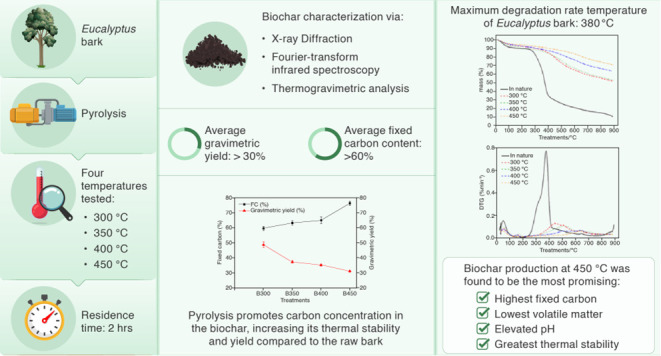 Figure 13
 Figure 14
 Figure 15
 Figure 16
 Figure 17
 Figure 18
 Figure 19
 Figure 20
 Figure 21
 Figure 22
 Figure 23
Peer Reviews
No public reviews on file for this paper yet. If you reviewed it on a platform where reviews are public (OpenReview, ICLR, NeurIPS, ICML), you can paste yours below so the community can read it here.
Videos
No videos yet. Explain this paper in a talk, walkthrough, or lecture? Add one.
Taxonomy
TopicsThermochemical Biomass Conversion Processes · Thermal and Kinetic Analysis · Chemical Looping and Thermochemical Processes