Graphene Oxide and Conductive Polymer–Enhanced Langmuir–Blodgett Biosensor for Sensitive Detection of Pyrocatechol
Felipe Merloto Marinho, Coral Salvo-Comino, Maria Luz Rodriguez-Mendez, José Roberto Siqueira Junior, Luciano Caseli

TL;DR
This paper introduces a new biosensor using graphene oxide and conductive polymers to detect pyrocatechol with high sensitivity and stability.
Contribution
The novel hybrid Langmuir-Blodgett film integrates graphene oxide, conductive polymer, and enzyme for enhanced biosensing performance.
Findings
Graphene oxide improves film compactness and enzyme-polymer-lipid stability.
The biosensor shows nearly 2-fold higher sensitivity and lower detection limits.
Synergy between components enhances redox cycling of pyrocatechol.
Abstract
In this work, we report a novel Langmuir–Blodgett (LB) biosensing platform for the detection of phenolic compounds, using Pyrocatechol as a model analyte. Although LB films have long been explored for polyphenol detection, the present study introduces an innovative hybrid architecture that integrates a lipid matrix (DMPA), a conductive polymer (P3HT), graphene oxide (GO), and laccase into a single, highly organized ultrathin film. This configuration simultaneously enhances film rigidity, reduces surface roughness, and modulates electron-transfer properties in a way not previously reported for LB-based enzymatic sensors. Comprehensive interfacial characterization (surface pressure–area isotherms, dilatational rheology, UV–Vis, AFM) reveals that GO plays a decisive role in promoting compact molecular packing and stabilizing the enzyme–polymer–lipid assembly. As a consequence, the…
Genes, proteins, chemicals, diseases, species, mutations and cell lines named across the full text — each resolved to its canonical identifier and authoritative record.
Click any figure to enlarge with its caption.
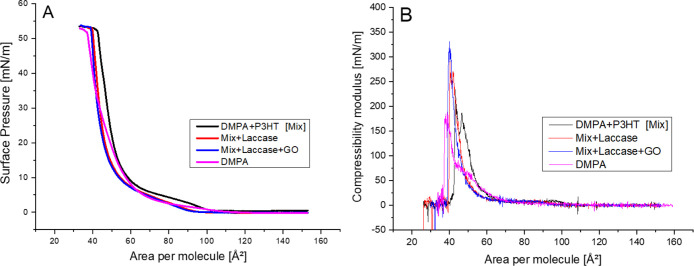 Figure 1
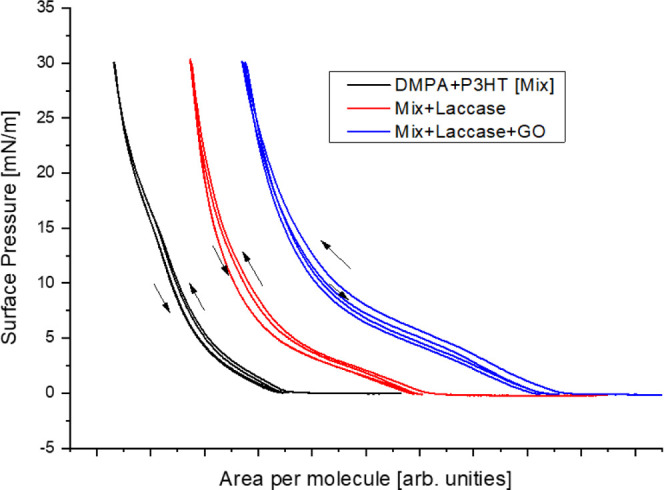 Figure 2
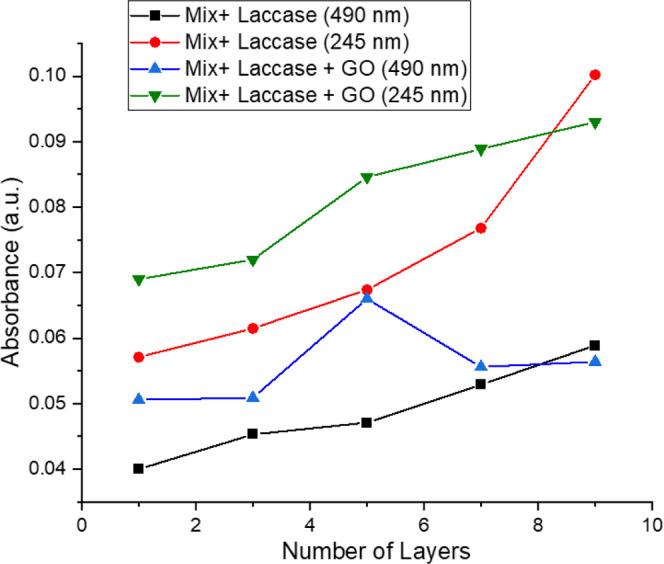 Figure 3
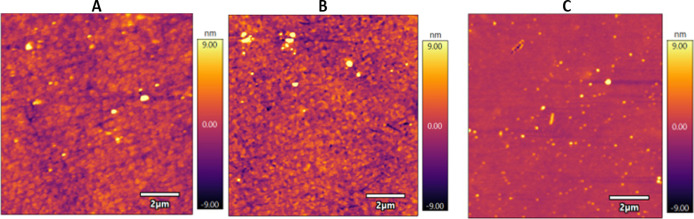 Figure 4
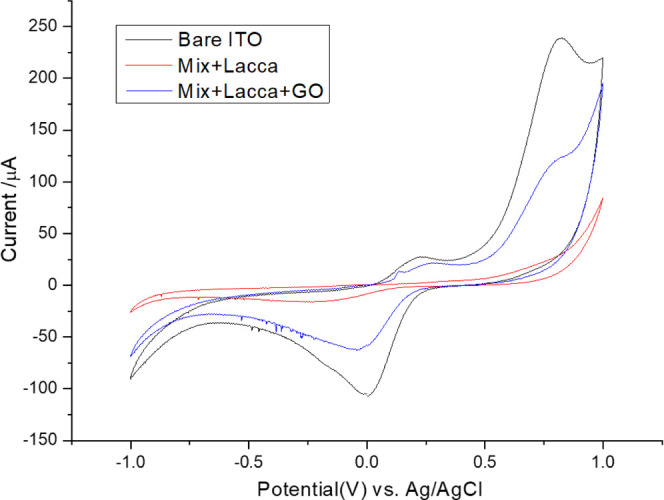 Figure 5
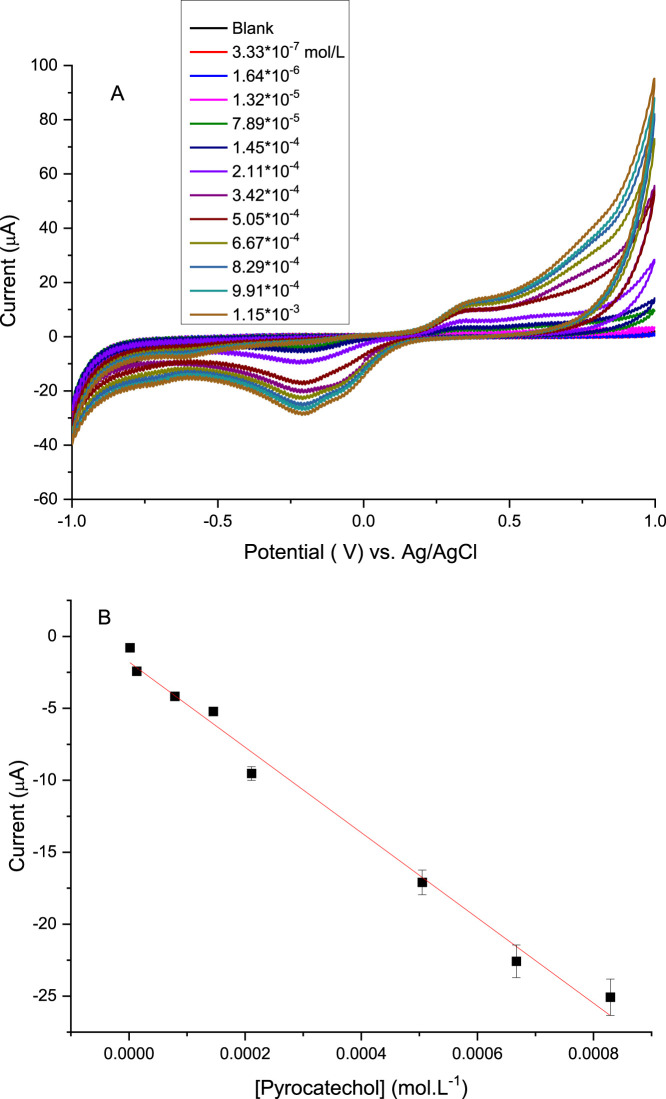 Figure 6
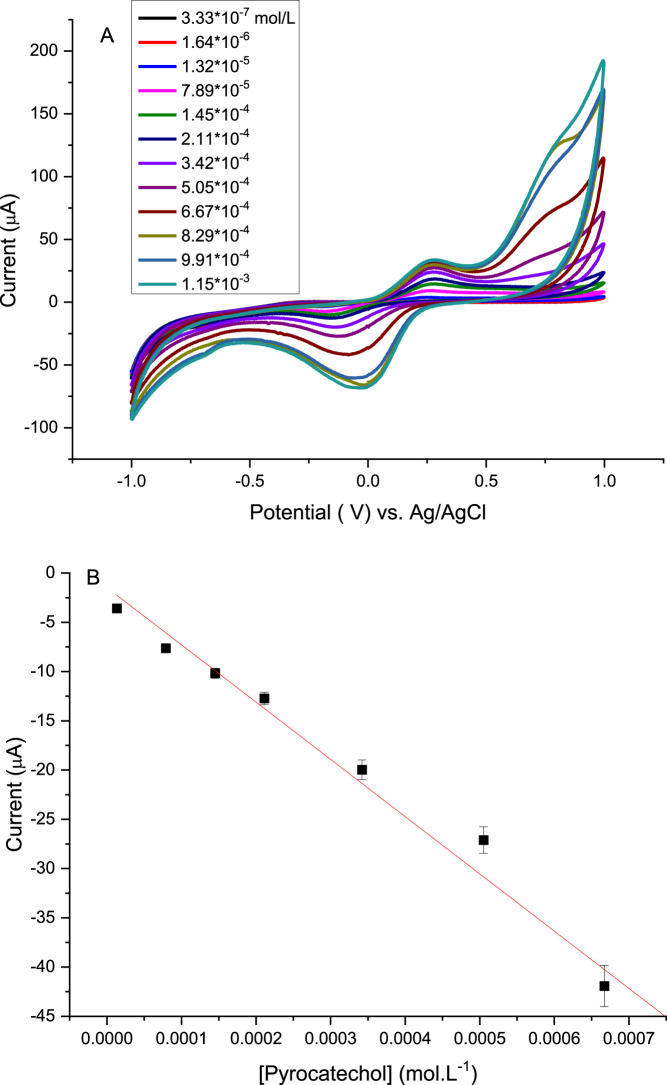 Figure 7
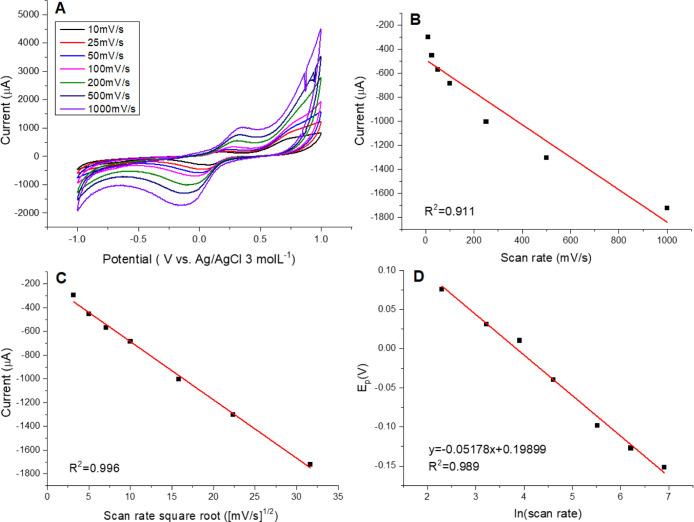 Figure 8
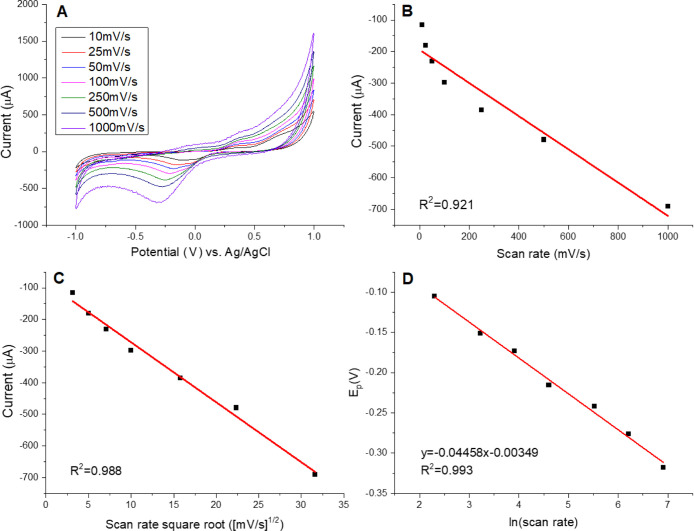 Figure 9
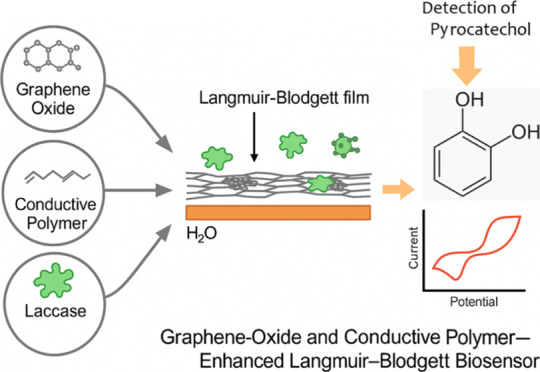 Figure 10
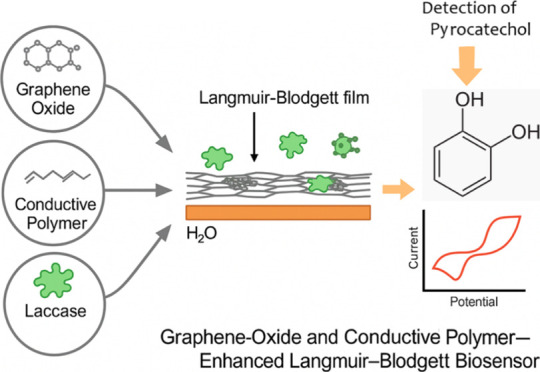 Figure 11
 Figure 12
 Figure 13
 Figure 14
 Figure 15
 Figure 16
 Figure 17
 Figure 18
 Figure 19
Peer Reviews
No public reviews on file for this paper yet. If you reviewed it on a platform where reviews are public (OpenReview, ICLR, NeurIPS, ICML), you can paste yours below so the community can read it here.
Videos
No videos yet. Explain this paper in a talk, walkthrough, or lecture? Add one.
Taxonomy
TopicsElectrochemical sensors and biosensors · Conducting polymers and applications · Lipid Membrane Structure and Behavior