Improved Photodynamic Inactivation of Resistant Nakaseomyces glabrata Yeasts and Biofilms Mediated by ZnTE-2-PyP4+ Porphyrin Combined with Silver Nanoparticles
Geyse S. de Lima, Sueden O. Souza, Jacqueline C. Bueno-Janice, Bruno L. Raposo, Franz A. G. dos Santos, Rejane P. Neves, Beate S. Santos, Jose F. Sarmento-Neto, Julio S. Reboucas, Paulo E. Cabral Filho, Adriana Fontes

TL;DR
This study shows that combining a porphyrin with silver nanoparticles improves the effectiveness of light-based treatment against drug-resistant fungal infections.
Contribution
The novel use of ZnTE-2-PyP4+ porphyrin with silver nanoparticles enhances photodynamic inactivation of resistant N. glabrata.
Findings
NE-mediated PDI eradicated resistant N. glabrata cells at 4–5-fold lower porphyrin concentrations.
NE-PDI reduced biofilm viability by ∼75% and induced significantly higher cell death.
AgNPs facilitated ZnP-ethyl internalization, likely enhancing PDI efficacy.
Abstract
Nakaseomyces glabrata is a high-priority fungal pathogen due to its incidence and antifungal resistance. Photodynamic inactivation (PDI) can offer a promising approach against resistant N. glabrata, particularly when the advantageous photophysical properties of Zn(II) porphyrins can be enhanced by the plasmonic effect of metal nanoparticles (NPs). Herein, the association of ZnTE-2-PyP4+ porphyrin (ZnP-ethyl) with AgNPs (stabilized with polyvinylpyrrolidone, PVP) in PDI against yeasts and biofilms of resistant N. glabrata strains was investigated. AgNPs/ZnP-ethyl (NE) systems were prepared, and physicochemical characterizations indicated the interaction and spectral overlap between AgNPs and ZnP-ethyl, prerequisites for harnessing the plasmonic effect. Moreover, AgNPs had a minimal effect on ZnP-ethyl fluorescence lifetime. To investigate the role of AgNPs and strain susceptibility in…
Genes, proteins, chemicals, diseases, species, mutations and cell lines named across the full text — each resolved to its canonical identifier and authoritative record.
Click any figure to enlarge with its caption.
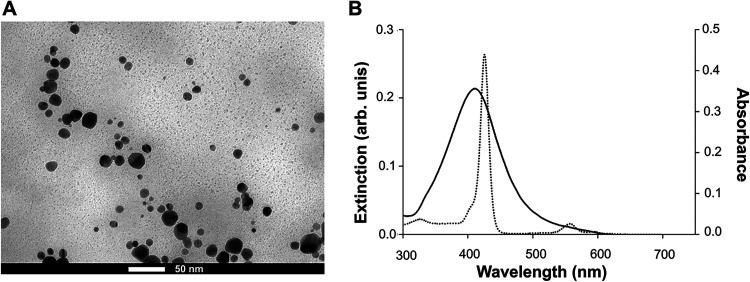 Figure 1
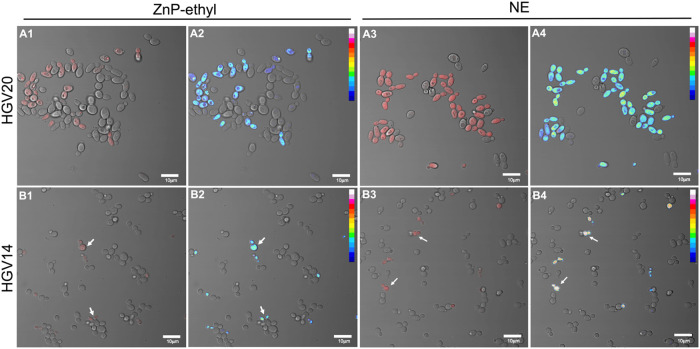 Figure 2
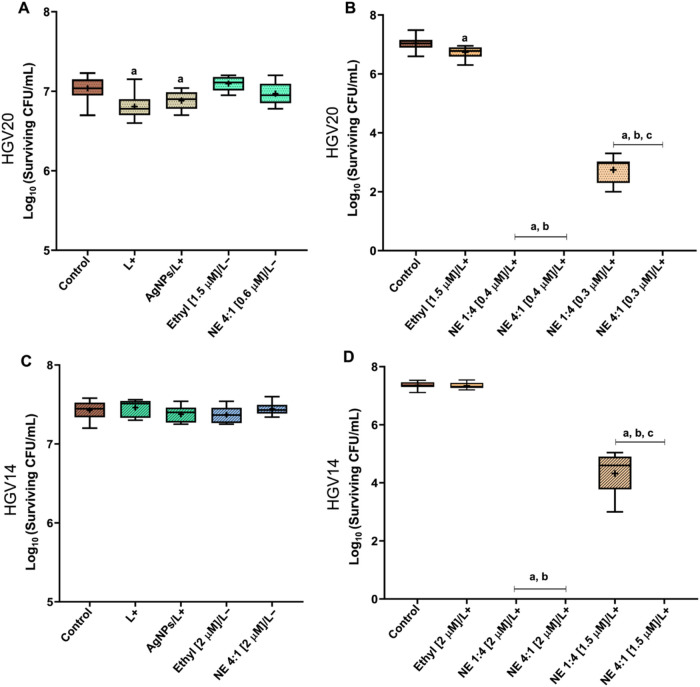 Figure 3
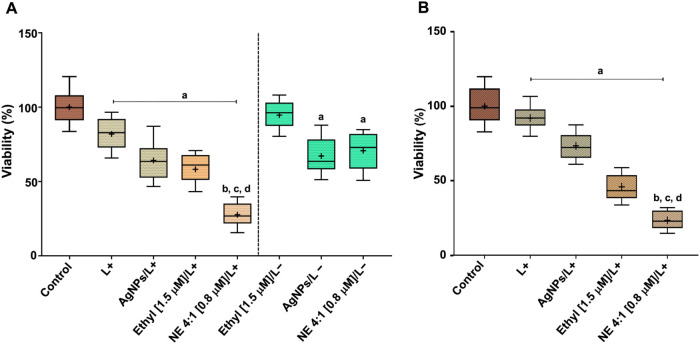 Figure 4
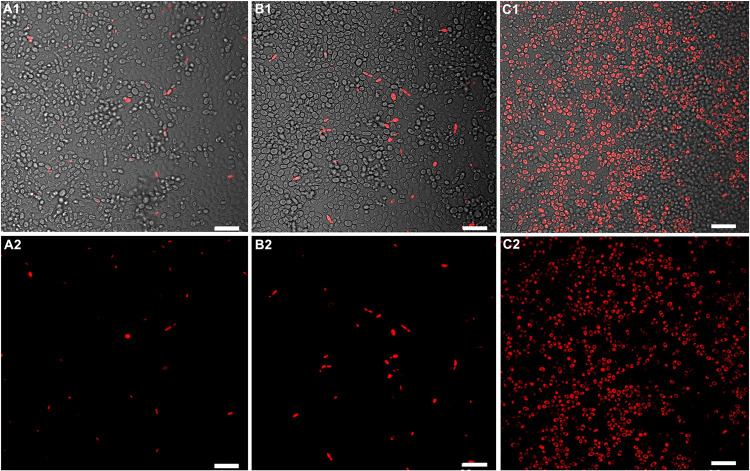 Figure 5
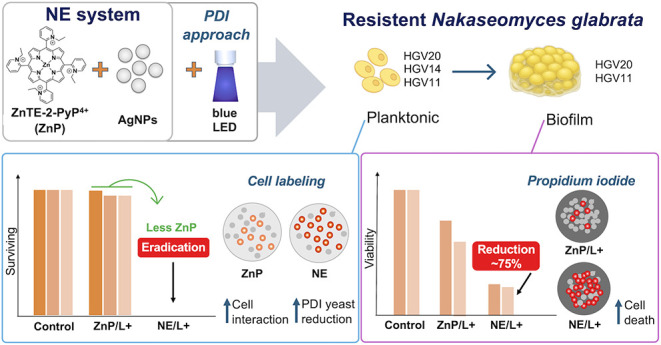 Figure 6
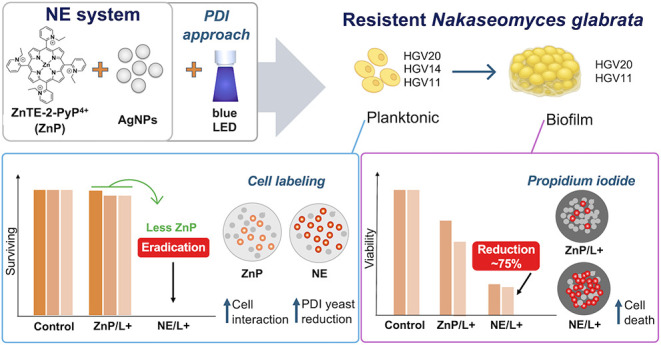 Figure 7
Peer Reviews
No public reviews on file for this paper yet. If you reviewed it on a platform where reviews are public (OpenReview, ICLR, NeurIPS, ICML), you can paste yours below so the community can read it here.
Videos
No videos yet. Explain this paper in a talk, walkthrough, or lecture? Add one.
Taxonomy
TopicsPhotodynamic Therapy Research Studies · Porphyrin and Phthalocyanine Chemistry · Nanoplatforms for cancer theranostics