Beyond MIDAS: An In Silico Study of a Putative Noncanonical C16 Binding Site in αvβ3 Integrin
Francisco Das Chagas Pereira de Andrade, Yago Ferreira e Silva, Paulo Ricardo Batista, Anderson Nogueira Mendes

TL;DR
This study uses computational methods to explore how a peptide called C16 interacts with a specific integrin receptor, revealing a new binding site that could help design better cancer therapies.
Contribution
The discovery of a putative noncanonical binding site in αvβ3 integrin that explains C16's specificity.
Findings
C16 interacts with αvβ3 integrin via a canonical MIDAS site and a novel noncanonical site (S2).
The S2 site in αvβ3 is stabilized by electrostatic and hydrophobic interactions, not present in α5β1.
MD simulations show αvβ3-C16 complexes are more stable than α5β1-C16 complexes.
Abstract
Integrins are essential transmembrane receptors that mediate bidirectional signaling between the extracellular matrix (ECM) and the cytoskeleton. Among them, αvβ3 and α5β1 are key regulators of angiogenesis, metastasis, and tumor progression. The laminin-1-derived C16 peptide (KAFDITYVRLKF) interacts with both integrins, but the molecular determinants governing its specificity remain unclear. Here, we applied an integrative computational approach combining ADMET predictions, molecular docking, and all-atom molecular dynamics (MD) simulations to characterize C16 pharmacokinetics and its predicted binding modes to αvβ3 and α5β1. In silico pharmacological profiling indicated that C16 displays low oral bioavailability and limited permeability but possesses favorable binding properties and moderate metabolic stability. Docking and MD analyses revealed that C16 interacts with the canonical…
Genes, proteins, chemicals, diseases, species, mutations and cell lines named across the full text — each resolved to its canonical identifier and authoritative record.
Click any figure to enlarge with its caption.
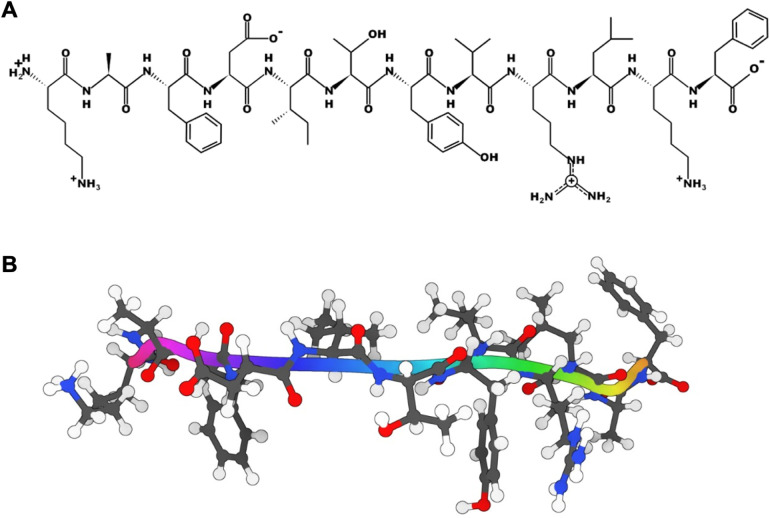 Figure 1
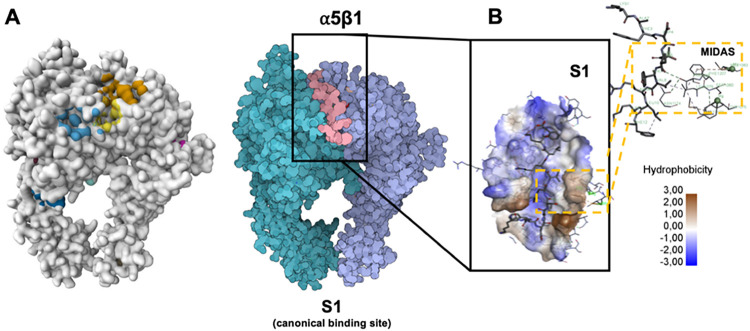 Figure 2
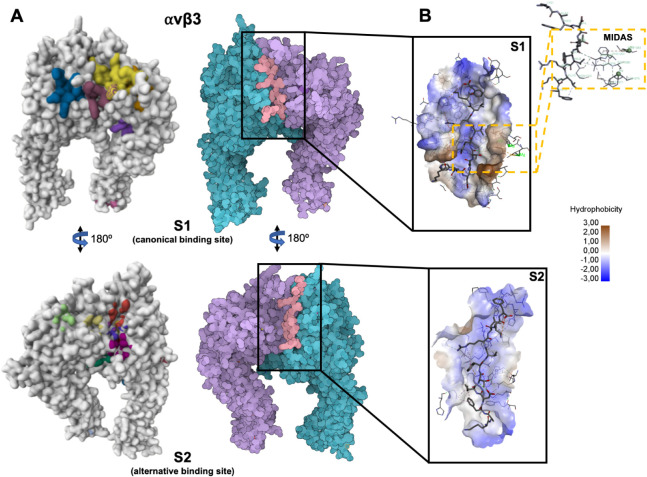 Figure 3
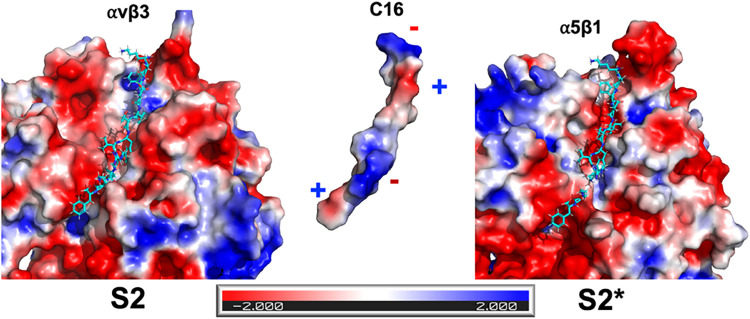 Figure 4
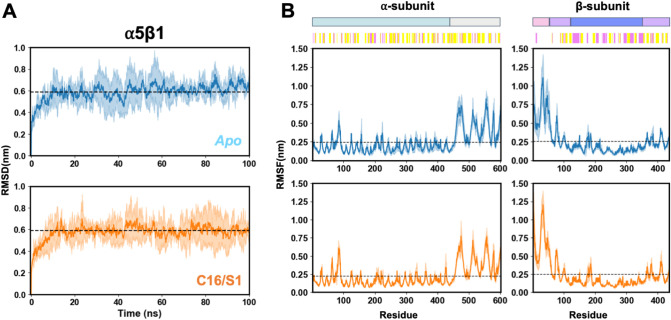 Figure 5
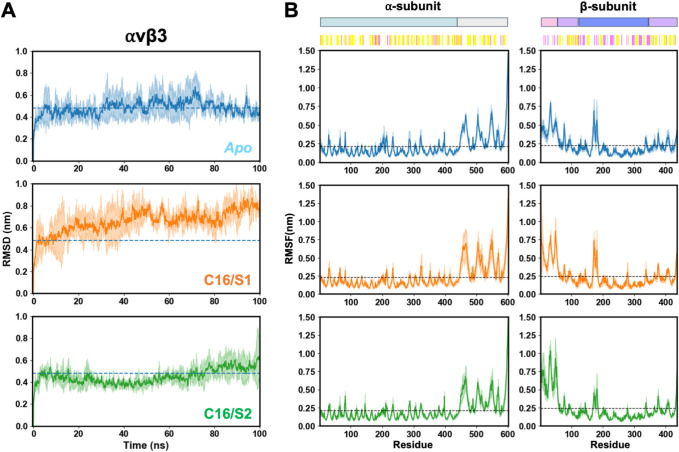 Figure 6
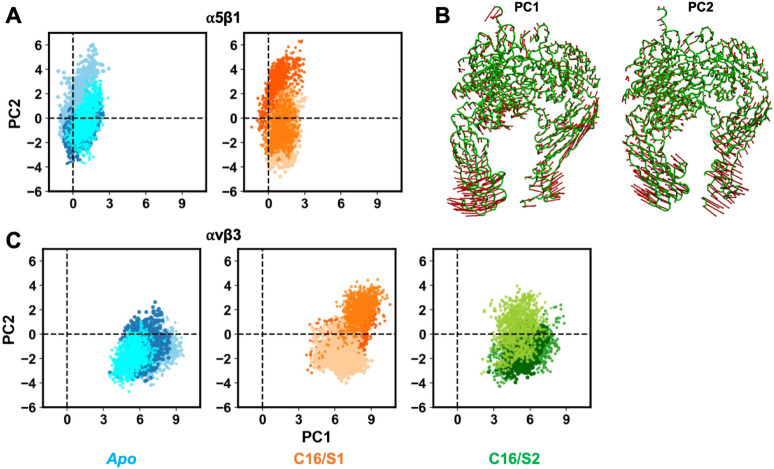 Figure 7
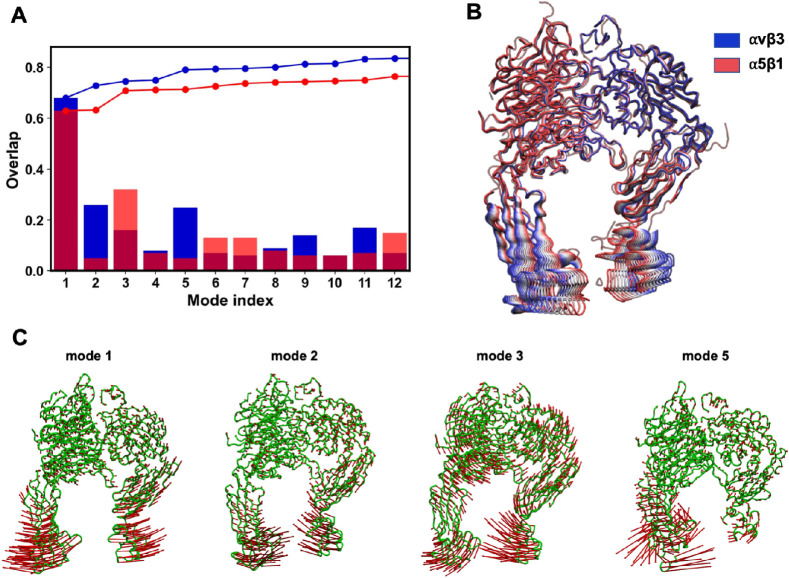 Figure 8
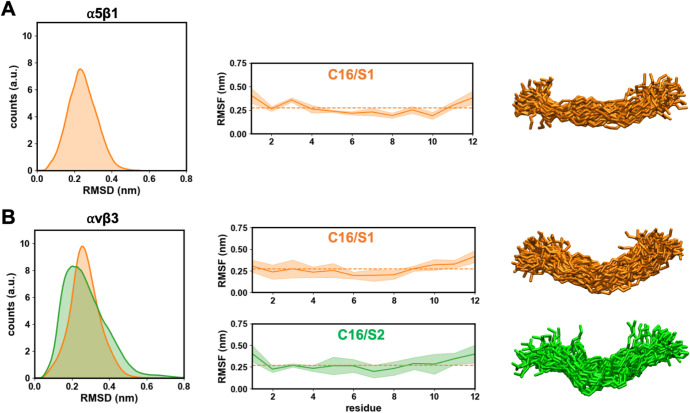 Figure 9
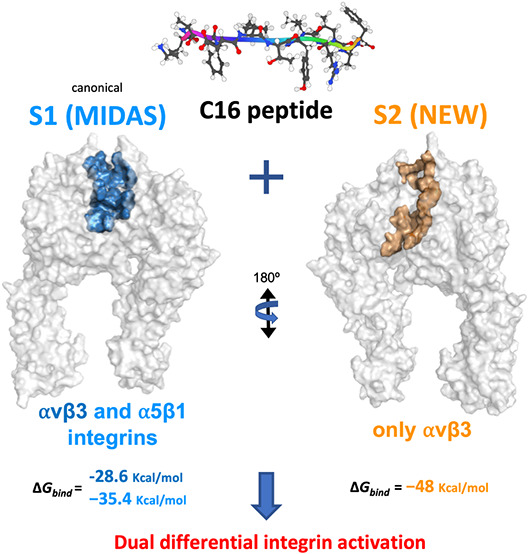 Figure 10
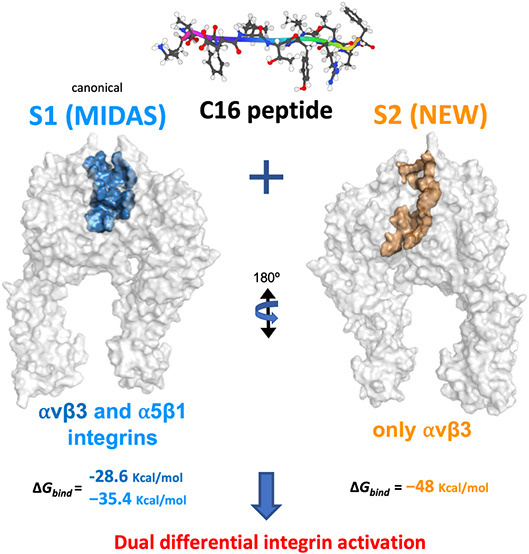 Figure 11
Peer Reviews
No public reviews on file for this paper yet. If you reviewed it on a platform where reviews are public (OpenReview, ICLR, NeurIPS, ICML), you can paste yours below so the community can read it here.
Videos
No videos yet. Explain this paper in a talk, walkthrough, or lecture? Add one.
Taxonomy
TopicsCell Adhesion Molecules Research · Axon Guidance and Neuronal Signaling · Cellular Mechanics and Interactions