Enhanced Performance of Li–S Batteries via Dual Cathode–Interlayer Engineering: Hollow TiO2–Sulfur with Electrospun MXene–TMO Interlayers
Busra Cetiner, Shungui Deng, Cesare Roncaglia, Thanya Phraewphiphat, Panpanat Tesatchabut, Adisak Promwicha, Daniele Passerone, Pimpa Limthongkul, Jakob Heier, Begum Yarar Kaplan, Selmiye Alkan Gursel, Alp Yurum

TL;DR
This paper introduces a new strategy to improve lithium-sulfur batteries by combining a special sulfur host with a conductive interlayer, leading to better performance and longer battery life.
Contribution
The first dual-engineered Li–S cathode system combining defect-mediated sulfur hosts and catalytic interlayers is demonstrated.
Findings
The dual-engineering strategy reduces LiPS charge-transfer resistance by 93% and improves cycling stability with >81% capacity retention.
Li+ diffusion rates nearly double, and fast kinetic reactions are maintained at high scan rates.
DFT calculations confirm stronger LiPS binding and higher catalytic reactivity on hydrogen-treated TiO2 surfaces.
Abstract
Lithium–sulfur (Li–S) batteries suffer from rapid capacity fading due to the polysulfide (LiPS) shuttle, sluggish redox kinetics, and the formation of insulating discharge products. Here, we report a dual-engineering strategy that integrates a hydrogen-treated hollow TiO2 (H–TiO2) sulfur host with conductive poly(vinylidene fluoride) (PVDF)-based MXene–TMO interlayers. Hydrogen treatment introduces Ti3+/oxygen vacancies and forms a hollow framework, imparting enhanced conductivity to TiO2 while providing abundant active sites for sulfur immobilization and redox catalysis. Complementarily, the best-performing MXene–TMO interlayer, PVDF/MXene–SnO2 (PV–MS), couples the high conductivity of MXene with the polar, catalytic activity of SnO2, enabling efficient LiPS adsorption and accelerated conversion. This synergy yields substantial performance improvements: LiPS charge-transfer resistance…
Genes, proteins, chemicals, diseases, species, mutations and cell lines named across the full text — each resolved to its canonical identifier and authoritative record.
Click any figure to enlarge with its caption.
 Figure 1
 Figure 2
 Figure 3
 Figure 4
 Figure 5
 Figure 6
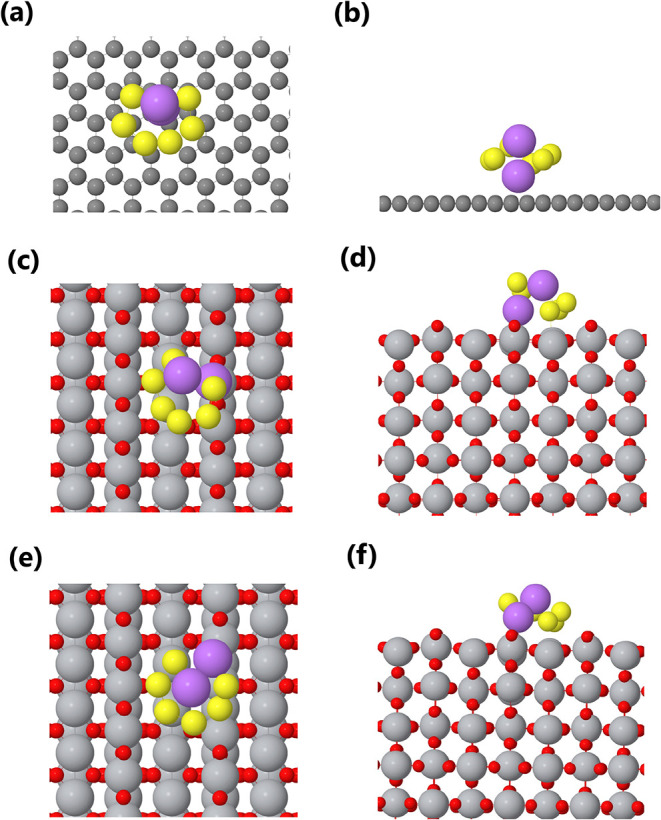 Figure 7
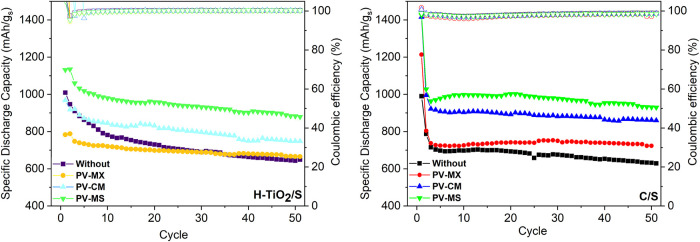 Figure 8
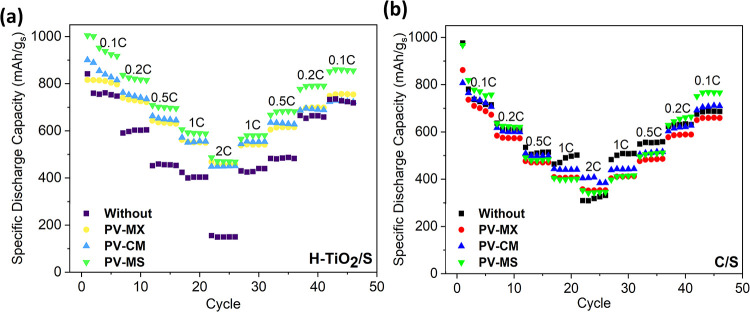 Figure 9
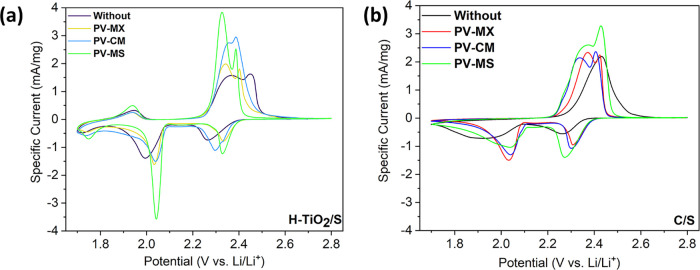 Figure 10
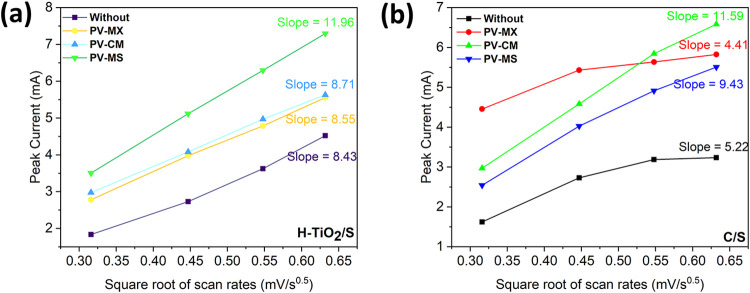 Figure 11
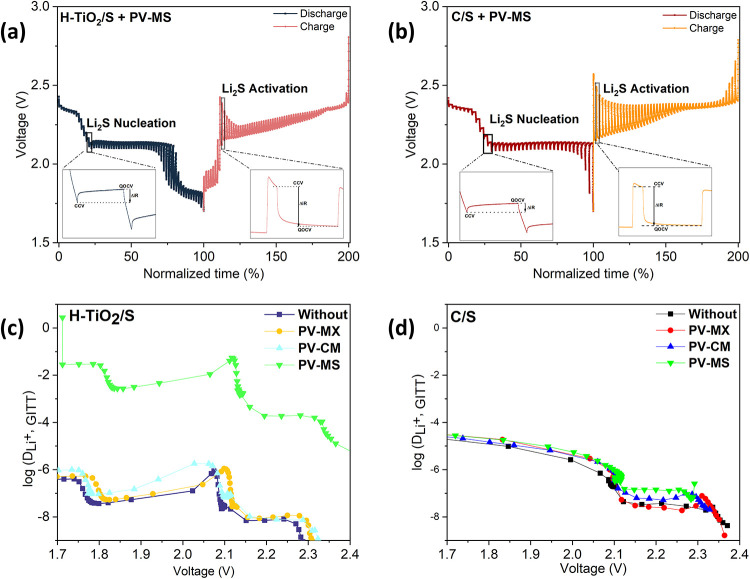 Figure 12
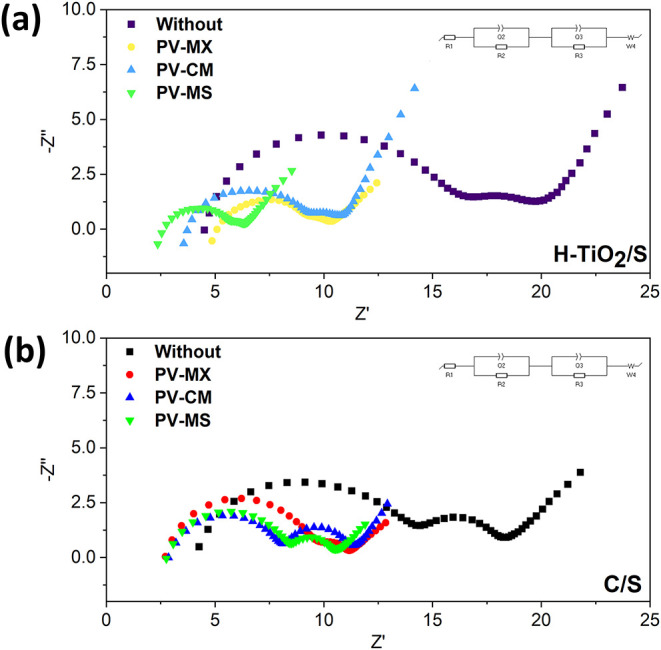 Figure 13
 Figure 14
 Figure 15
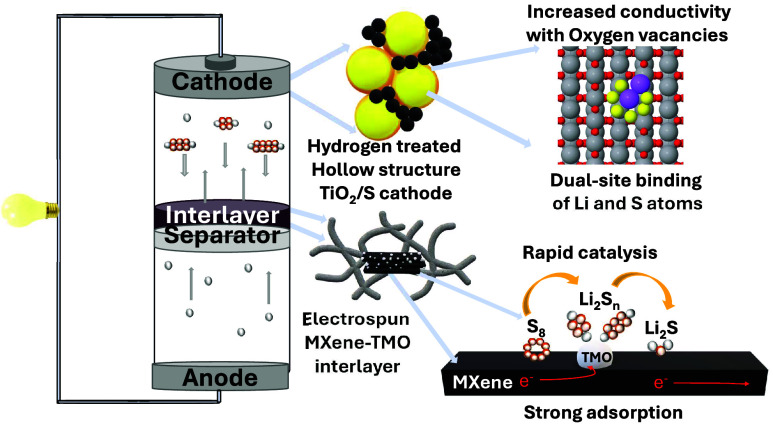 Figure 16
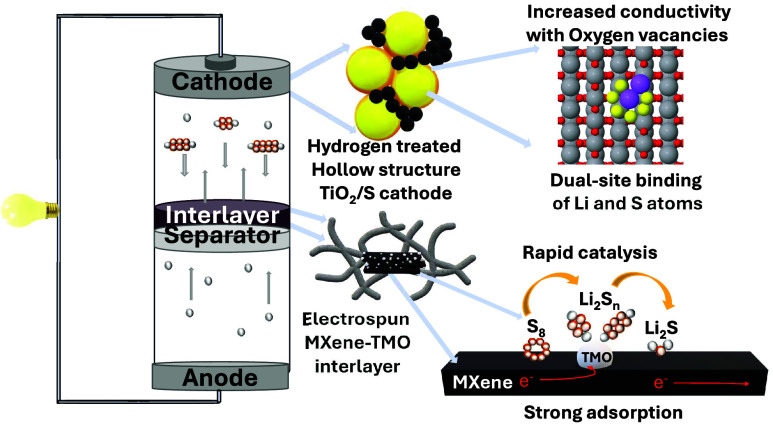 Figure 17
 Figure 18
 Figure 19
 Figure 20
 Figure 21
 Figure 22
Peer Reviews
No public reviews on file for this paper yet. If you reviewed it on a platform where reviews are public (OpenReview, ICLR, NeurIPS, ICML), you can paste yours below so the community can read it here.
Videos
No videos yet. Explain this paper in a talk, walkthrough, or lecture? Add one.
Taxonomy
TopicsAdvanced Battery Materials and Technologies · Advancements in Battery Materials · 2D Materials and Applications