Grape Must as a Bioelectrochemical Processor
Panagiotis Mougkogiannis, Andrew Adamatzky

TL;DR
This paper shows that grape must fermentation behaves like a natural bioelectrochemical processor with complex electrical patterns influenced by temperature and humidity.
Contribution
The study introduces grape must fermentation as a model system for distributed computation in biological electrochemical processes.
Findings
Voltage oscillations in grape must show brown noise traits with spectral slopes between −2.01 and −3.28.
Temperature is the primary modulator of bioelectrochemical activity, while humidity shows negative correlations.
Electrode locations are statistically independent, suggesting uneven metabolic activity across the fermentation medium.
Abstract
We explore spontaneous voltage oscillations in grape must (mustalevria) fermentation systems. This study uses multichannel differential electrode arrays. Seven platinum–iridium (Pt/Ir) electrode pairs tracked bioelectrochemical changes for 200,000 s. They showed complex patterns over time and space. Frequencies varied from 0.00044 to 0.00215 Hz. Power spectral density analysis showed brown noise traits. The spectral slopes ranged from −2.01 to −3.28. This indicates strong temporal integration and memory effects during fermentation. Environmental correlation analysis showed temperature as the primary modulator (r = 0.245–0.558), while humidity exhibited negative correlations (−0.052 to −0.245). Binary state analysis showed that the system uses natural Boolean logic. XOR gates had the highest entropy at 0.93 bits. This suggests that there is significant temporal asynchrony across…
Genes, proteins, chemicals, diseases, species, mutations and cell lines named across the full text — each resolved to its canonical identifier and authoritative record.
Click any figure to enlarge with its caption.
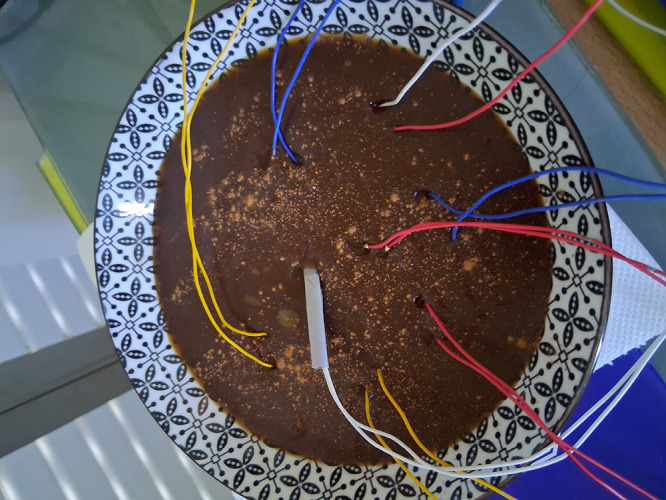 Figure 1
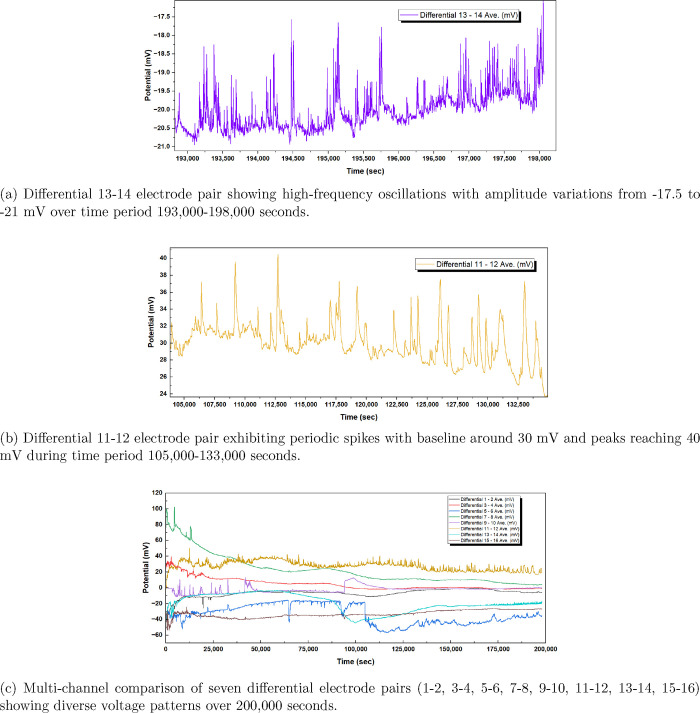 Figure 2
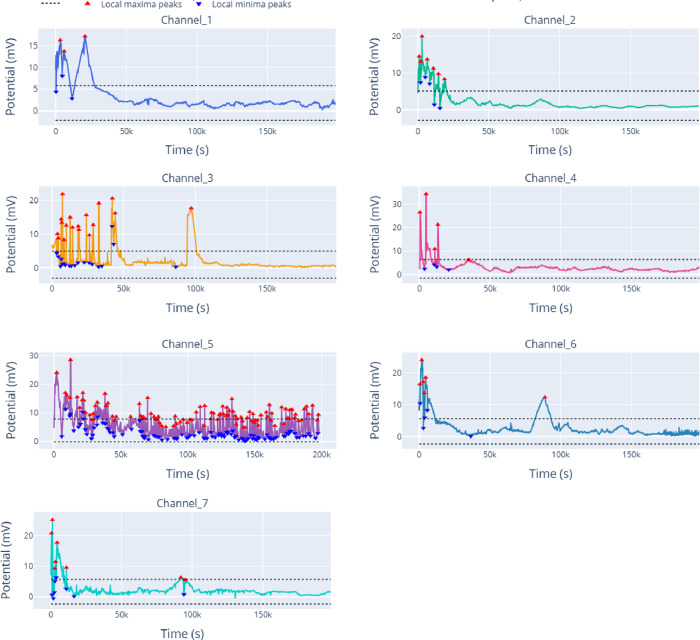 Figure 3
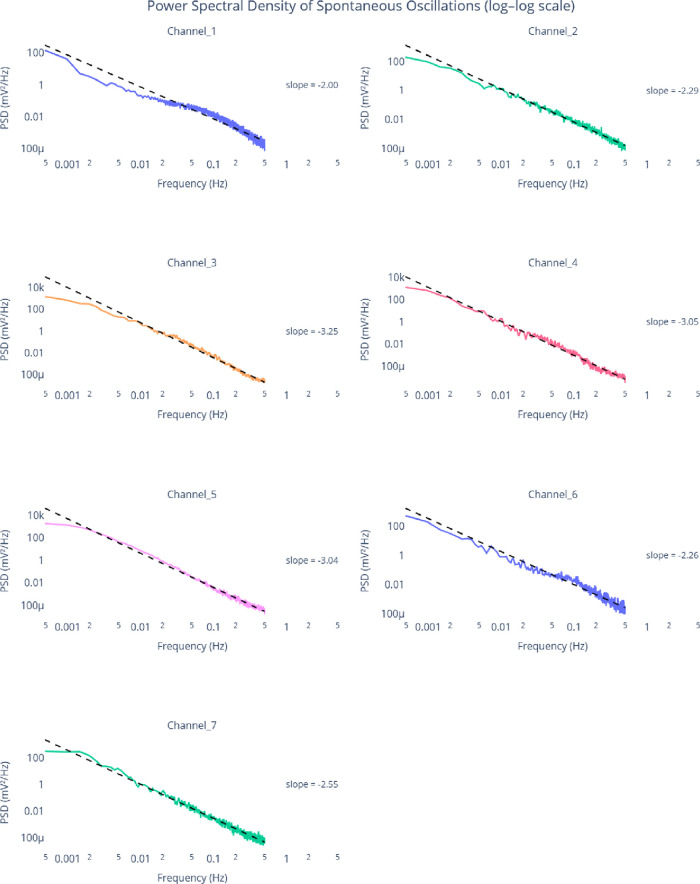 Figure 4
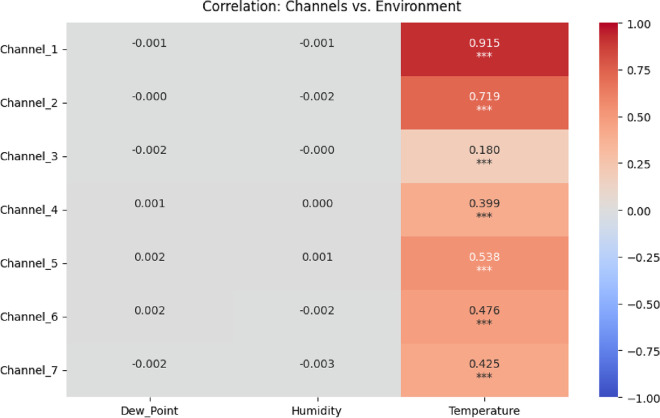 Figure 5
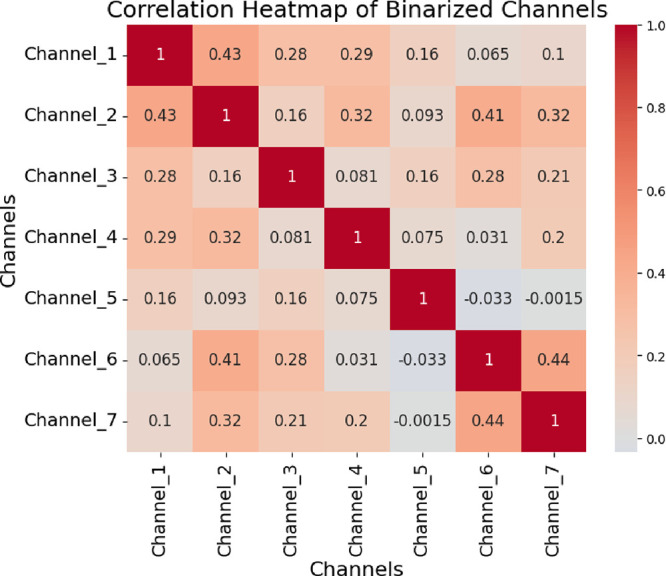 Figure 6
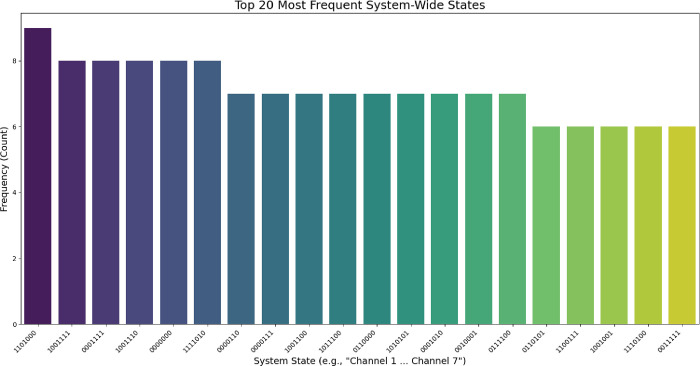 Figure 7
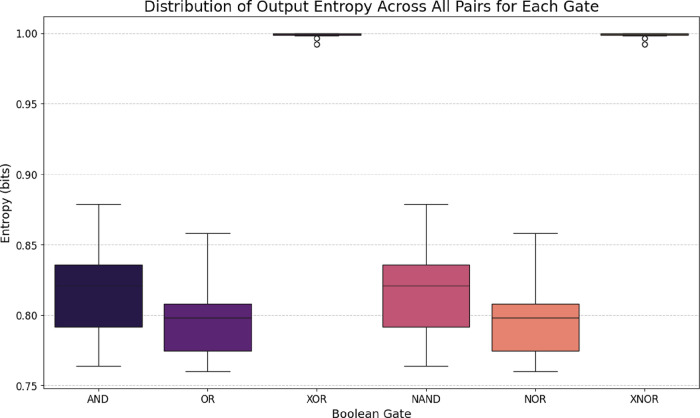 Figure 8
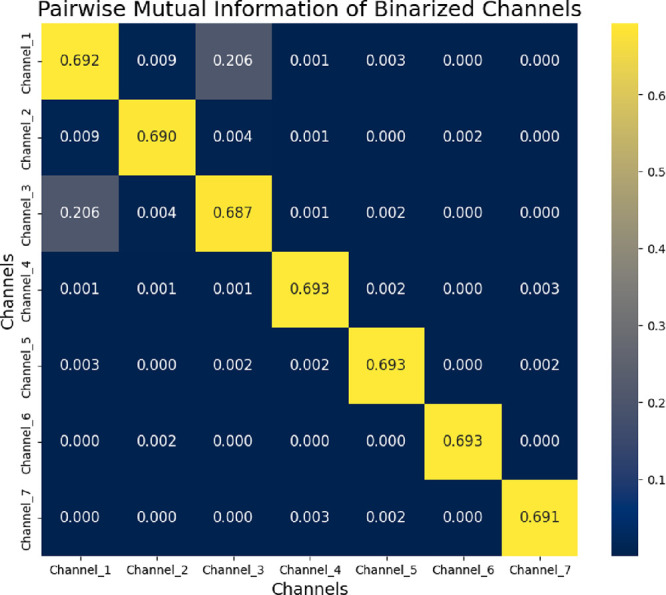 Figure 9
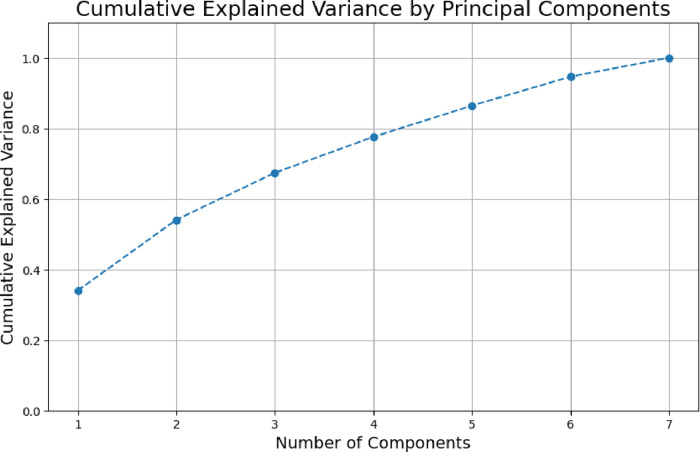 Figure 10
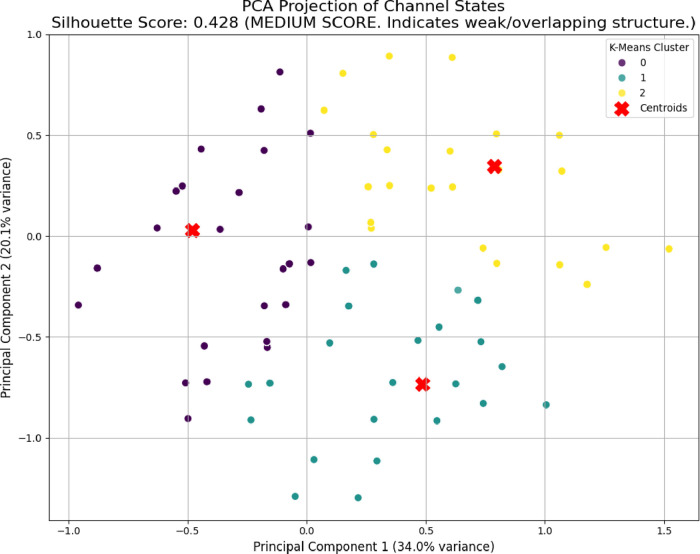 Figure 11
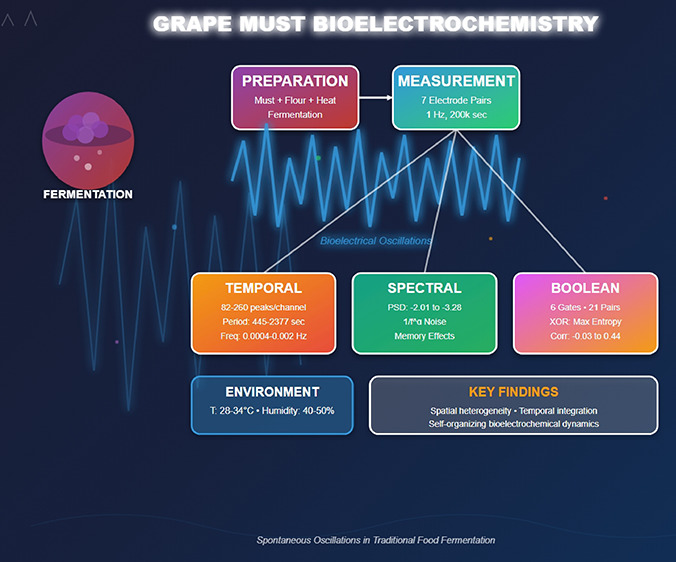 Figure 12
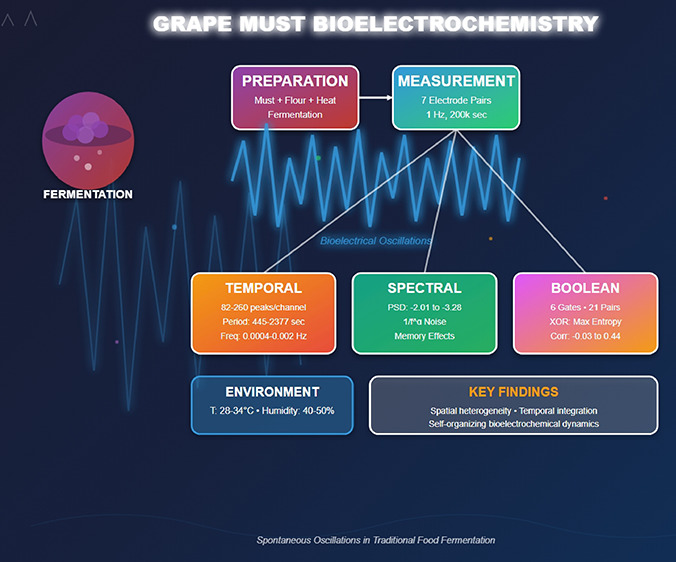 Figure 13
 Figure 14
 Figure 15
 Figure 16
 Figure 17
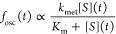 Figure 18
 Figure 19
 Figure 20
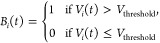 Figure 21
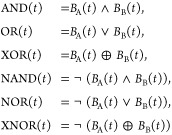 Figure 22
 Figure 23
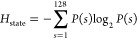 Figure 24
 Figure 25
 Figure 26
 Figure 27
 Figure 28
 Figure 29
 Figure 30
 Figure 31
 Figure 32
 Figure 33
 Figure 34
 Figure 35
 Figure 36
 Figure 37
 Figure 38
 Figure 39
 Figure 40
Peer Reviews
No public reviews on file for this paper yet. If you reviewed it on a platform where reviews are public (OpenReview, ICLR, NeurIPS, ICML), you can paste yours below so the community can read it here.
Videos
No videos yet. Explain this paper in a talk, walkthrough, or lecture? Add one.
Taxonomy
TopicsPlant and Biological Electrophysiology Studies · Nonlinear Dynamics and Pattern Formation · Olfactory and Sensory Function Studies