Nitrogen Fertilization Optimizes the Physicochemical Properties of Cactus Mucilage and the Biopolymeric Films Produced
Lucas Vinícius Pierre de Andrada, Fred Augusto Louredo de Brito, Aline Lima Soares, Andréa Monteiro Santana Silva Brito, Thieres George Freire da Silva, Ivo Diego de Lima Silva, Gloria Maria Vinhas, Adriano do Nascimento Simões

TL;DR
This study shows that using low nitrogen fertilization on cactus plants improves the quality of mucilage and the biopolymer films made from it, making them suitable for sustainable packaging.
Contribution
The study demonstrates how nitrogen fertilization affects mucilage composition and film properties for sustainable packaging.
Findings
Low nitrogen fertilization increases cladode yield and improves mucilage quality with higher phenolic content and lower conductivity.
Films made from low nitrogen mucilage show better transparency, stiffness, and moisture resistance.
XRD and SEM analyses confirm improved crystallinity and mechanical resistance in low nitrogen films.
Abstract
In recent decades, increasing environmental concerns have driven interest in sustainable polymers, such as the mucilage derived from forage cactus (Opuntia stricta), which shows significant potential for food applications and the production of biopolymeric films. To expand its industrial use, improvements in synthesis methods, additive incorporation, and agronomic practices are necessary. However, studies on the use of O. stricta in films produced under nitrogen fertilization remain scarce, underscoring the need for further research to fully explore its potential in the bioplastics industry. Cladodes of O. stricta fertilized with 50, 150, 300, and 450 kg N ha–1 were washed, peeled, and ground with ethanol (99.8% P.A.) at a 2:3 ratio (parenchyma/alcohol), resulting in a dried mucilage powder used for analysis and film formulation. Lower nitrogen supply resulted in the highest cladode…
Genes, proteins, chemicals, diseases, species, mutations and cell lines named across the full text — each resolved to its canonical identifier and authoritative record.
Click any figure to enlarge with its caption.
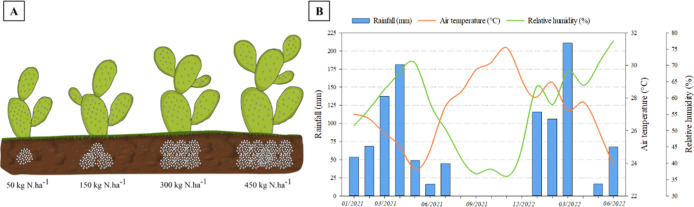 Figure 1
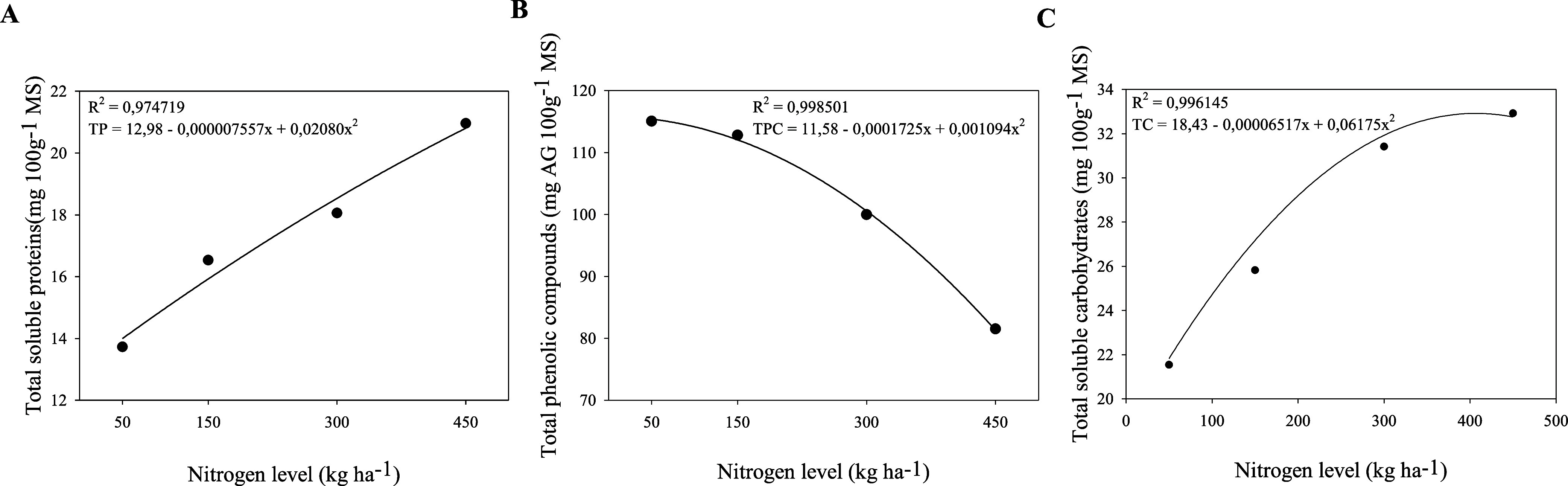 Figure 2
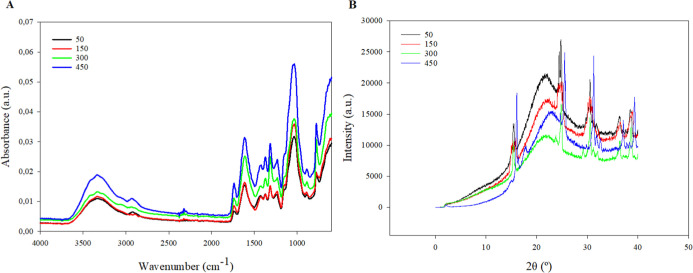 Figure 3
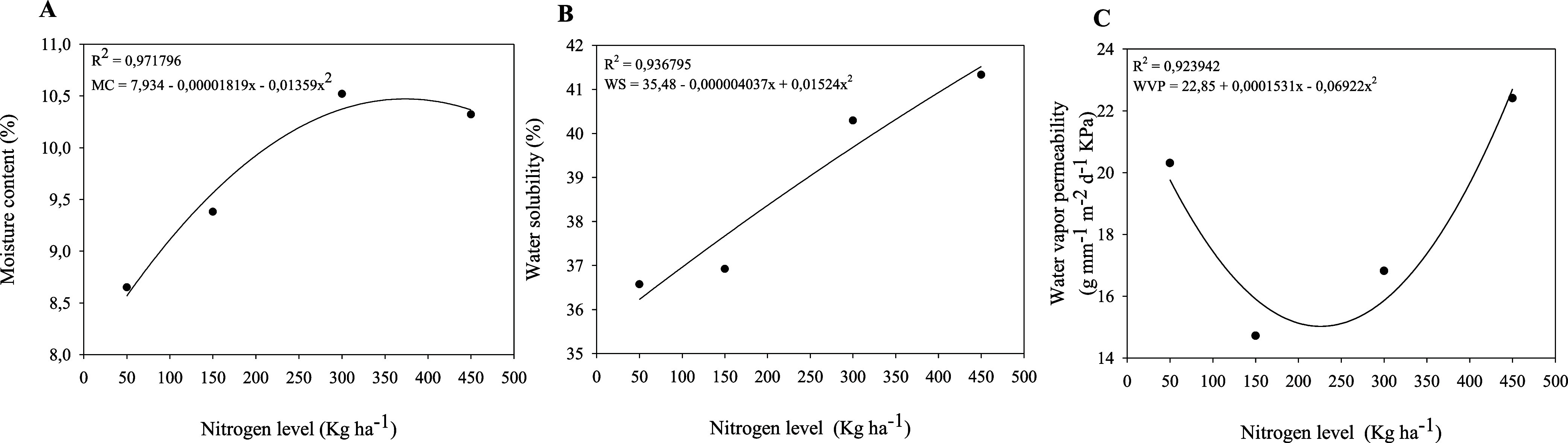 Figure 4
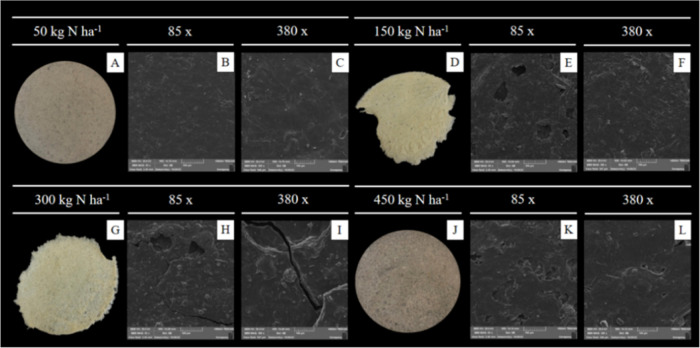 Figure 5
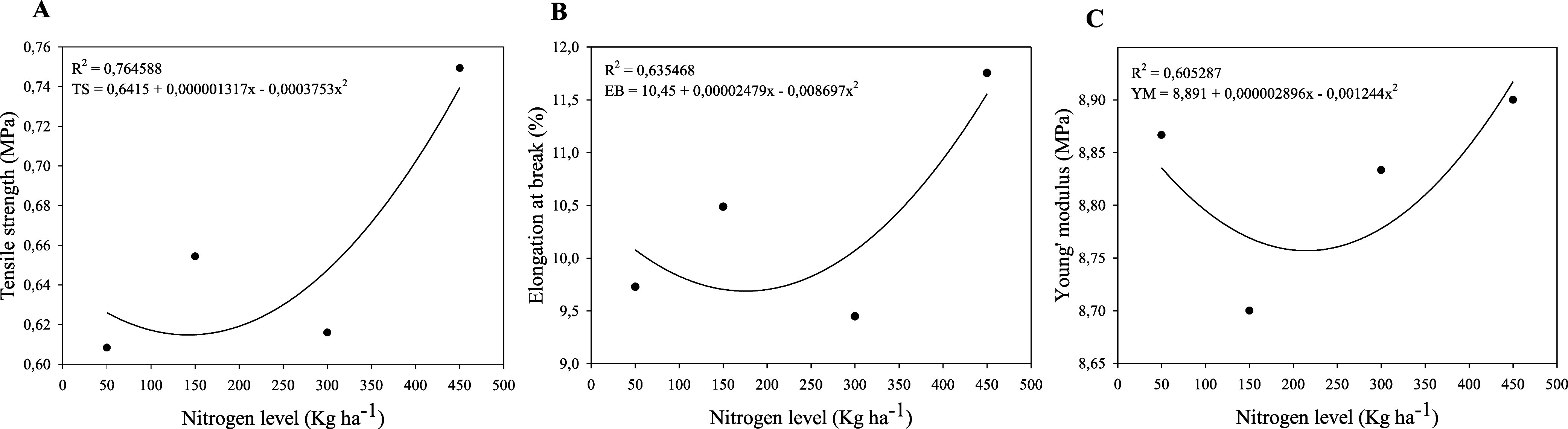 Figure 6
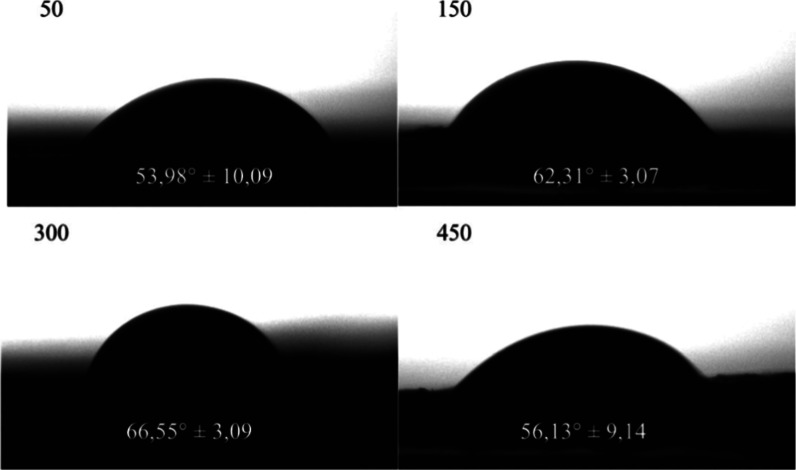 Figure 7
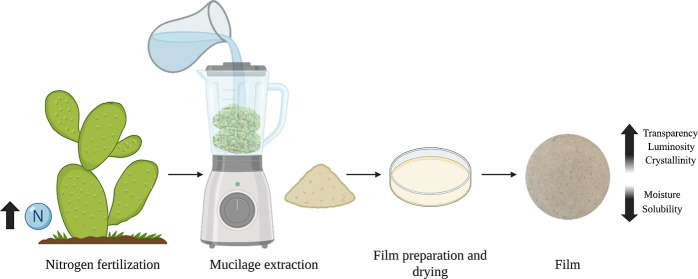 Figure 8
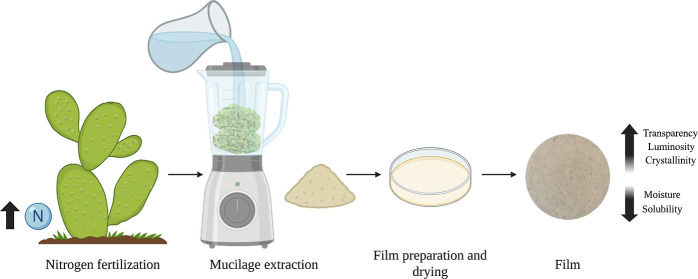 Figure 9
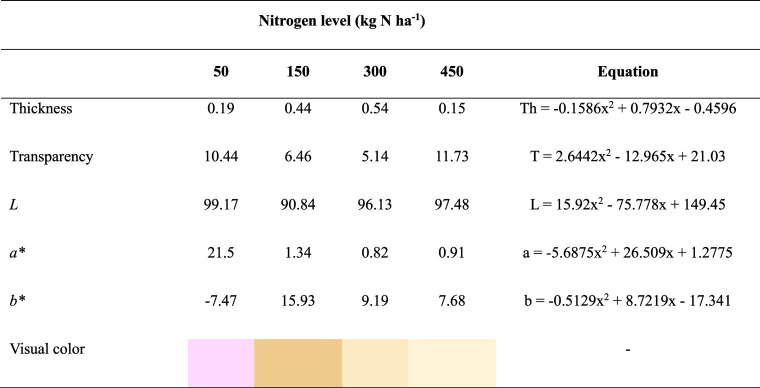 Figure 10
 Figure 11
 Figure 12
 Figure 13
 Figure 14
 Figure 15
 Figure 16
 Figure 17
 Figure 18
Peer Reviews
No public reviews on file for this paper yet. If you reviewed it on a platform where reviews are public (OpenReview, ICLR, NeurIPS, ICML), you can paste yours below so the community can read it here.
Videos
No videos yet. Explain this paper in a talk, walkthrough, or lecture? Add one.
Taxonomy
TopicsBotanical Research and Applications · Nanocomposite Films for Food Packaging · Postharvest Quality and Shelf Life Management