Remimazolam compared with propofol, dexmedetomidine, and midazolam for adult sedation in flexible bronchoscopy: a systematic review and meta-analysis
Luiz Fábio Silva Ribeiro, Lucas Rezende de Freitas, Tauãna Terra Cordeiro de Oliveira, Laiz Gomes Carneiro Novaes, Rafael Arsky Lombardi

TL;DR
This study compares remimazolam to other sedatives for bronchoscopy, finding it safer and more effective in reducing breathing issues and recovery time.
Contribution
The study introduces remimazolam as a safer and more effective sedative alternative for flexible bronchoscopy compared to propofol, dexmedetomidine, and midazolam.
Findings
Remimazolam reduced respiratory depression, hypoxia, bradycardia, and hypotension compared to other sedatives.
It improved patient satisfaction and reduced recovery time when compared to dexmedetomidine.
Remimazolam shortened induction and recovery times and increased sedation success compared to midazolam.
Abstract
Remimazolam, a short-acting benzodiazepine, has emerged as a potential safer alternative for sedation in Flexible Bronchoscopy (FB). This meta-analysis compares its efficacy and safety with Propofol, Dexmedetomidine, and Midazolam in adult patients undergoing FB. PubMed, Embase, and Cochrane databases were searched on July 17, 2025, for trials comparing Remimazolam with other sedatives. Primary outcomes included hypotension, bradycardia, and intraprocedural opioid consumption; secondary outcomes were hypoxia, respiratory depression, patient satisfaction, induction time, and recovery time. Pooled Risk Ratios (RR), Mean Differences (MD), and Standardized Mean Differences (SMD) were calculated using a random-effects model in R (4.4.0). Risk of bias was assessed using the RoB2 tool, and subgroup analyses were conducted for each comparator. Eleven trials (1,884 patients) were included.…
Genes, proteins, chemicals, diseases, species, mutations and cell lines named across the full text — each resolved to its canonical identifier and authoritative record.
Click any figure to enlarge with its caption.
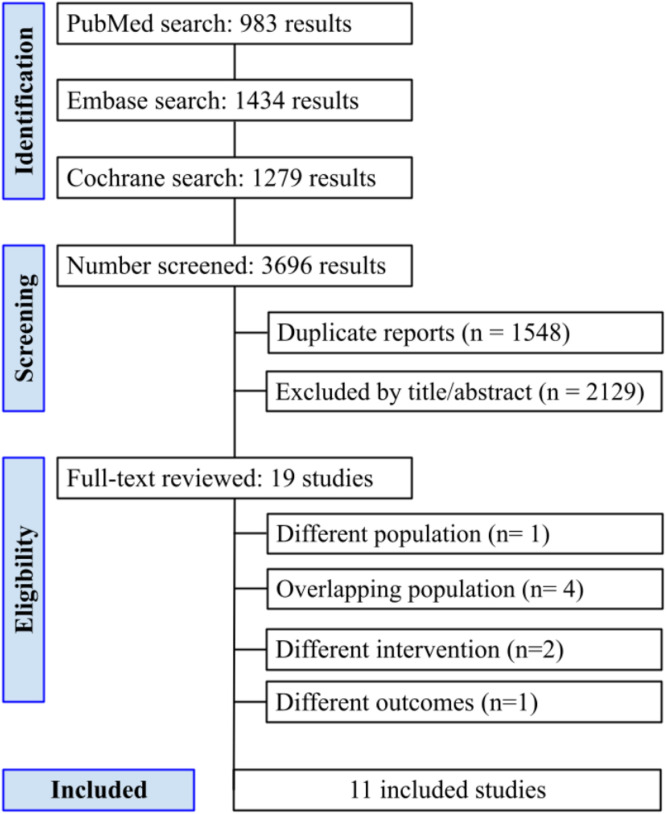 Figure 1
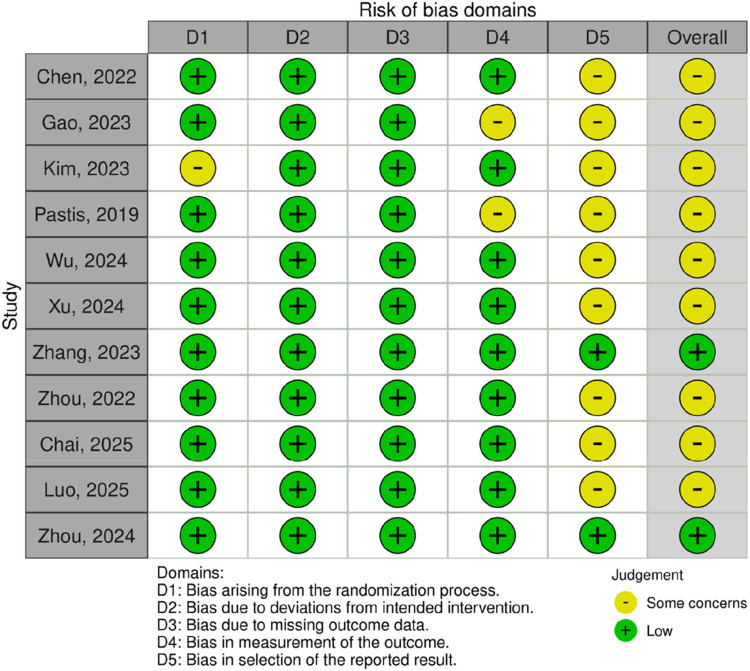 Figure 2
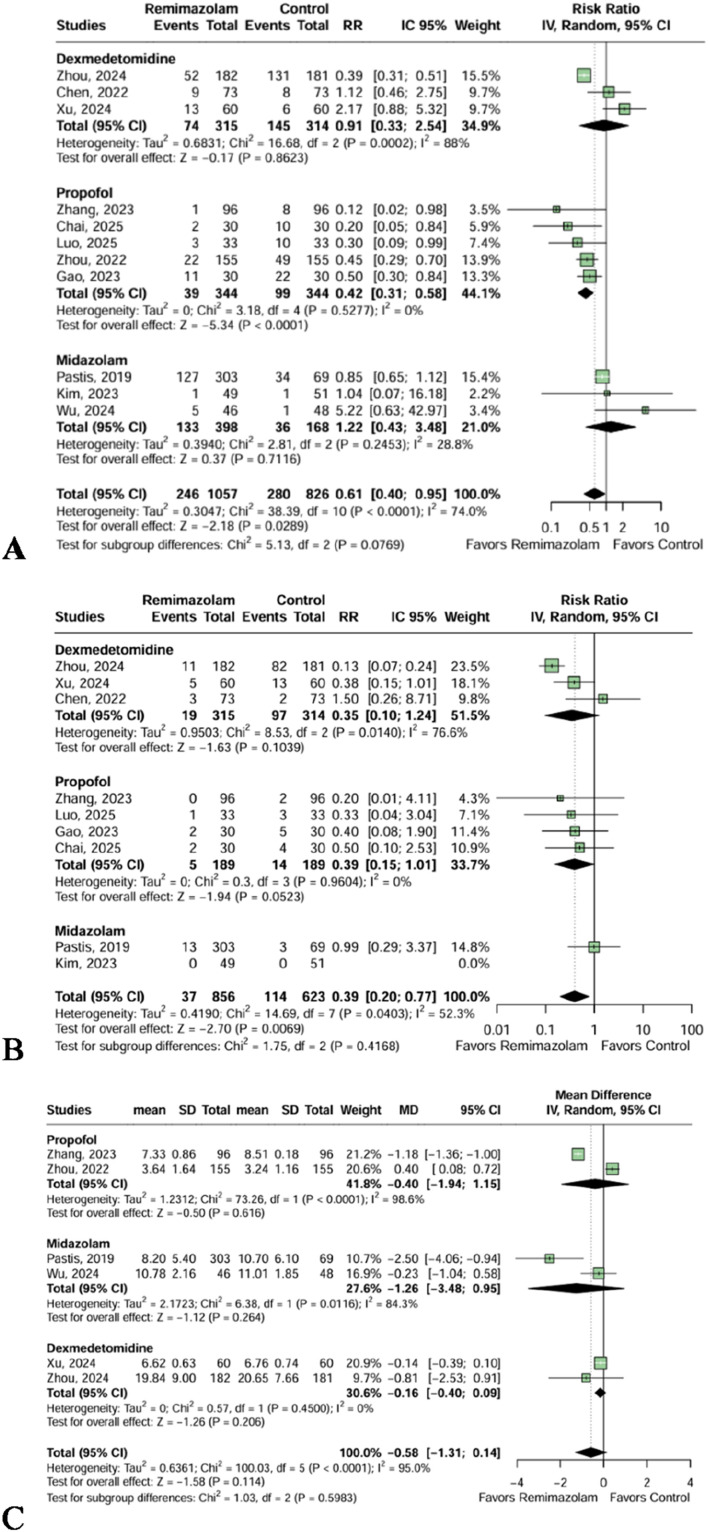 Figure 3
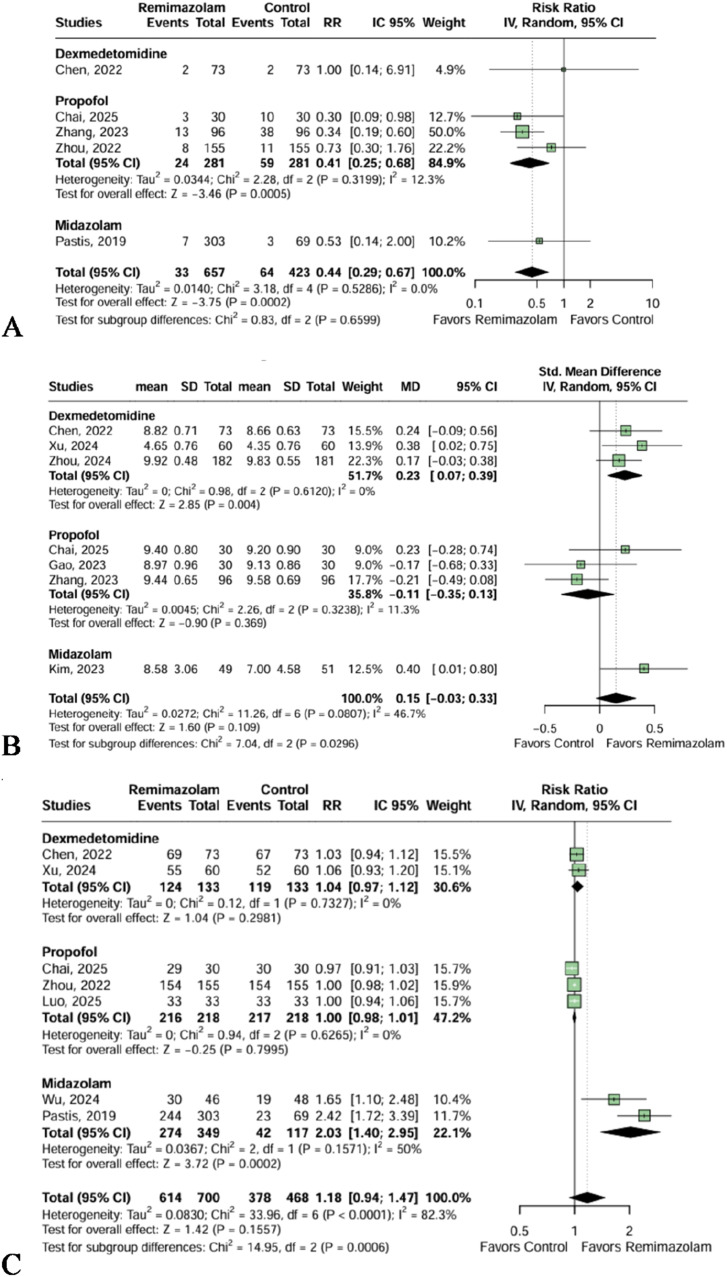 Figure 4
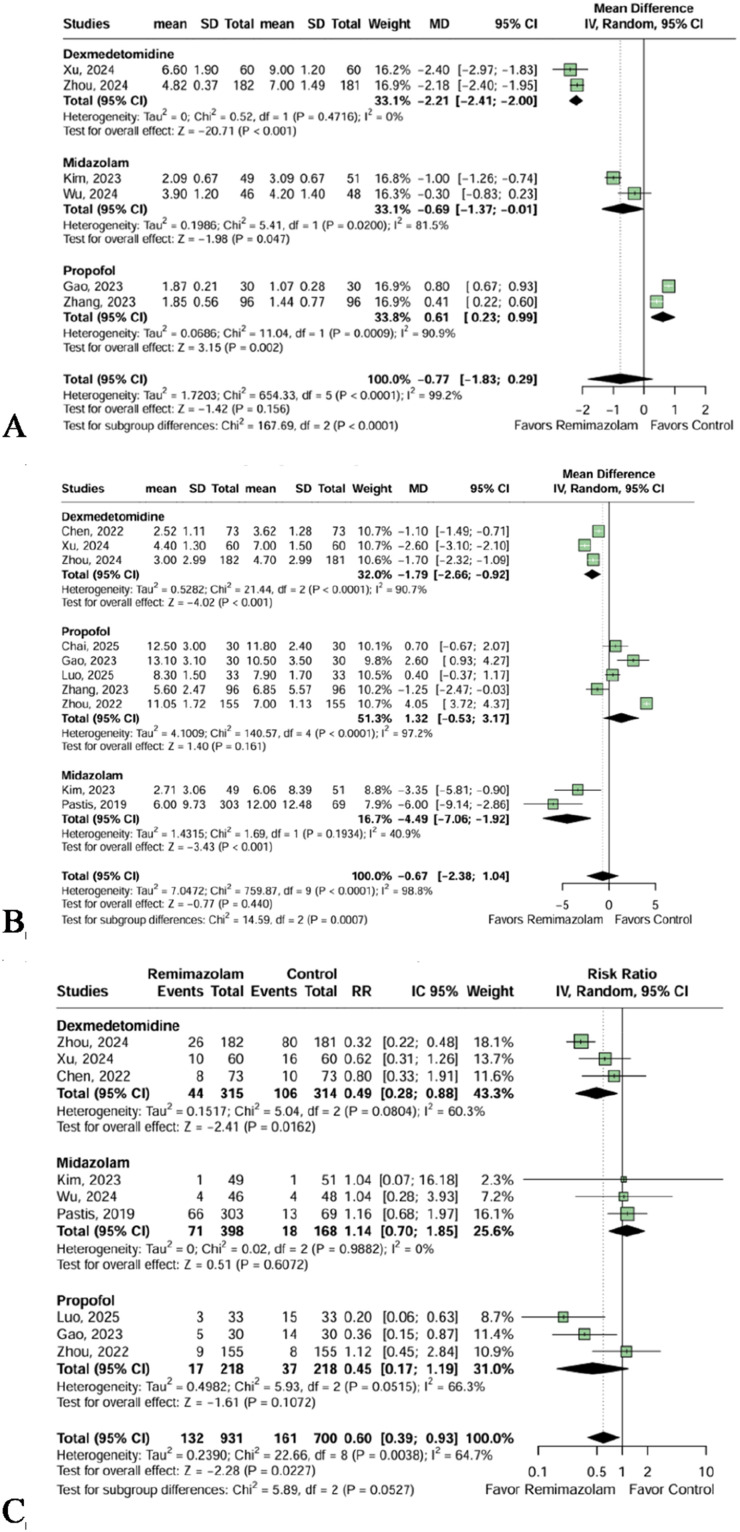 Figure 5
Peer Reviews
No public reviews on file for this paper yet. If you reviewed it on a platform where reviews are public (OpenReview, ICLR, NeurIPS, ICML), you can paste yours below so the community can read it here.
Videos
No videos yet. Explain this paper in a talk, walkthrough, or lecture? Add one.
Taxonomy
TopicsAnesthesia and Sedative Agents · Airway Management and Intubation Techniques · Nausea and vomiting management